How Does Immature Bitter Orange Extract Support Weight Management Formulas?
Immature Bitter Orange Extract supports weight management formulas through its concentrated bioactive compounds, particularly synephrine, hesperidin, and neohesperidin. These naturally occurring alkaloids and flavonoids work synergistically to enhance metabolic thermogenesis, support fat oxidation, and provide mild appetite modulation. Derived from Citrus reticulata Blanco harvested before full maturation, this extract offers higher potency standardization—often reaching 30% synephrine and 95% total flavonoids—compared to mature fruit extracts. When integrated into nutraceutical formulations, it addresses core industry demands for clean-label, scientifically validated ingredients that deliver consistent results without synthetic stimulants.
Understanding Immature Bitter Orange Extract and Its Role in Weight Management
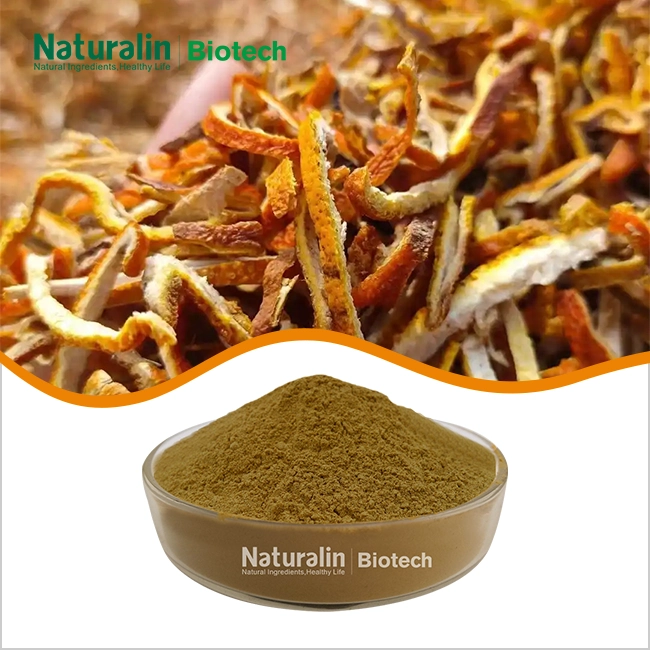
This extract is very different from older citrus extracts because it comes from young bitter orange fruit. When the fruits are picked directly affects their phytochemical profile. Fruits that aren't fully ripe contain higher amounts of protoalkaloids and flavonoid glycosides than fruits that are fully ripe. This timing gives formulators who are looking for powerful ingredients to support metabolism a natural edge.
Bioactive Compound Profile and Extraction Standards
The product meets exact standards, as shown by high-performance liquid chromatography (HPLC) testing: 95% total flavonoids, 90% hesperidin, 90% neohesperidin, and 30% synephrine. The most important problem in the nutraceutical business is uniformity from batch to batch. These strict standards solve that problem. The variability question always comes up when buying managers look at plant ingredients. HPLC testing takes away the need to guess, giving measurable proof that every production lot performs the same way. Most of the time, hydro-ethanolic methods are used in the extraction process to keep thermolabile chemicals safe and achieve pharmaceutical-grade purity. This method keeps the natural interaction between flavonoids and alkaloids, which studies show has better metabolic benefits than using the compounds alone.
Metabolic Enhancement Mechanisms
Synephrine works as a selective beta-3 adrenergic receptor agonist, increasing thermogenesis and lipolysis without having a big effect on beta-1 and beta-2 receptors in the heart. This selectivity is a major safety benefit over older thermogenic chemicals. Clinical studies have shown that people who take standardized synephrine preparations have higher metabolic rates at rest and better fat burning during moderate exercise. As a pair, hesperidin and neohesperidin work to improve microcirculation, lower oxidative stress during calorie restriction, and support healthy inflammatory responses that can get in the way of weight loss progress if they are not supported. This multi-pathway approach fits with current formulation ideas that value ingredient combinations that work well together over compounds that only do one thing.
Practical Formulation Advantages
From a production point of view, the extract is very stable across a number of different transport forms. The fine powder form comes in 80 mesh or 60 mesh, and it works well in capsules, tablet compression mixes, and drinking systems. Moisture content below 5% ensures longer shelf life—usually two years under normal storage conditions—which makes it easier for makers to keep track of their goods when they have a lot of different SKUs. Customization options go beyond particle size and include changing solubility, improving taste experience, and adjusting concentration to meet the needs of different formulations, such as those for effervescent pills, ready-to-drink drinks, or softgel encapsulations.

Immature Bitter Orange Extract vs Alternative Ingredients in Weight Loss Formulas
Choosing the right ingredients is one of the most important decisions that goes into making weight management products. There are a lot of well-known plant products on the market, and each one performs and is seen differently by the market.
Comparative Potency Analysis
Mature bitter orange extracts usually have 4–6% synephrine, so you need to take more of them to get the same metabolic effects, while Immature Bitter Orange Extract offers a more potent alternative. This difference in concentration has direct effects on the number of capsules needed per serving, the cost of formulation, and how well customers follow the directions. The way green coffee bean extract works is different—chlorogenic acids stop glucose absorption and change how blood sugar reacts—so it is more like a supplement than a straight replacement. Caffeine anhydrous is still the most common thermogenic agent, but some consumers are looking for alternatives that don't contain caffeine because they are worried about tolerance and sleep problems.
The young fruit extract is a good middle ground because it has stimulant effects without being as strong or lasting as long as caffeine. This makes it good for people who are sensitive to caffeine and for use in the afternoon. Compared to man-made alternatives like phenylethylamine derivatives, the natural botanical source has big advantages in the market when it comes to regulatory acceptance and having a clean label.
Format Versatility and Bioavailability Considerations
Liquid extracts are quickly absorbed, but they can be hard to keep stable in finished goods, especially when mixed with other water-soluble vitamins and minerals that can speed up the breakdown process. Powder forms are more stable and give you more options for how to make the medicine, but absorption depends on how the particles are distributed and which excipients you choose. The normal powder form makes it possible to give exact doses, which is important for clinical support and label claim proof. Manufacturers can safely figure out the exact amount of synephrine in each serving, which backs up structure-function claims that can stand up to regulatory scrutiny.
Enteric coating technologies can improve transportation even more by keeping flavonoids from breaking down in stomach acid. This makes sure that the compounds are absorbed fully in the small intestine, where they are easily processed by transport systems. This technical point is especially important for high-end product lines where higher production costs are necessary to get the most solubility.
Procurement Insights: Sourcing Immature Bitter Orange Extract for Weight Management Products
To get through the global supply chain, you have to find a balance between quality control, cutting costs, and making sure that logistics work as planned. As governmental monitoring grows across all major markets, B2B buyers are under more and more pressure to show that they did their research before choosing a supplier.
Certification and Quality Verification Priorities
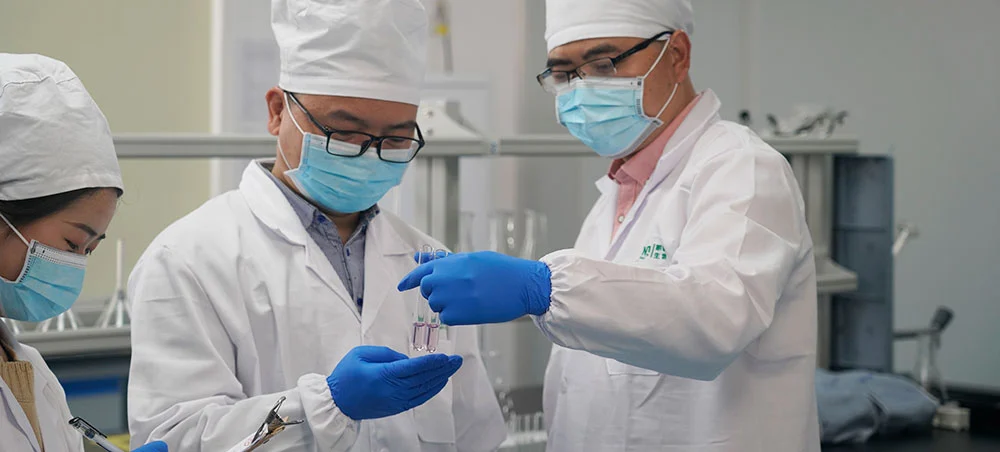
The ISO9001 and FSSC22000 certifications show that there are systematic controls for quality management and food safety, but they are not what sets one company apart from another. Organic certifications (EU and NOP standards), religious certifications (HALAL and Kosher), and partnerships with internationally recognized labs for third-party testing are more telling signs. Suppliers who keep working with SGS, Eurofins, or NSF show that they are committed to independent verification that goes beyond their own quality control programs. The use of unique organic cultivation bases gives vertical integration benefits, such as being able to track raw materials from the field to the finished extract, making sure there is a steady supply throughout the year, and lowering the risk of contamination from getting a lot of different goods at once. More rules about pesticide residues and the need for proof to back up clean-label marketing promises make this farming control even more useful.
Commercial Terms and Logistics Management
The minimum order amounts for Immature Bitter Orange Extract have a direct effect on the costs of keeping goods and managing cash flow. A commercial MOQ of 25 kg strikes a good mix between enough volume for planning production and too much capital investment for new brands testing how the market will react. Samples and small trial orders make purchasing less risky during the development stages of a product. This lets formulators check that performance claims are true and that the product is stable before going into mass production.
Shipping options are more important than buyers sometimes think. DHL and FedEx Express options are good for quickly changing the formula or launching a new product. Ocean freight, on the other hand, is a cost-effective way to ship well-known products that are likely to be in high demand. When it comes to moderate volumes that need to get from one place to another faster than sea shipping allows, air freight is the best option. Lead times of 3–7 working days from ready stock give you a real edge over the competition in a field where formulas change quickly, and new market opportunities appear all the time. Because of this, brands can take advantage of popular products and changes in seasonal demand without having to wait for long delays in the supply chain.
Supplier Capability Assessment
Aside from certificates and price lists, there are a number of operational factors that separate capable suppliers from adequate ones. Patent portfolios with 40 or more formulation patents show real study ability and interest in new ideas, not just selling commodities. Going to foreign trade shows that you are interested in the market and honest. Suppliers who are willing to meet customers in person usually keep higher standards. Custom formulation services, such as functional development and application-specific changes, are very useful for brands that want to make their goods stand out. A seller becomes a development partner instead of just a source of raw materials when they can change solubility profiles, blend complementary extracts into unique mixes, or change sensory properties.
Safety, Dosage, and Regulatory Considerations for B2B Clients
Product safety and following the rules are important issues that can't be ignored. They have a direct effect on a brand's reputation and its ability to get into new markets. When mistakes are made in this area, the effects are much worse than the costs of recalls or fines from the government.
Evidence-Based Dosing Guidelines
Doses between 10 and 50 mg per serving are usually used in clinical studies that look at synephrine supplements. This is equal to about 33–167 mg of pure extract per dose at a 30% synephrine concentration. When making supplements for general wellness, more conservative methods tend to start at the lower end of this range. On the other hand, when making supplements for sports nutrition, more experienced supplement users may be given doses that are closer to the higher end.
The daily total intake is still well below the amounts linked to bad effects in clinical tracking. Flavonoid parts (hesperidin and neohesperidin) give extra metabolic benefits without any safety worries, since these parts are found in popular citrus fruits that people eat every day. When formulating, it's important to think about where the synephrine might come from in other ingredients. For example, some pre-workout mixes and thermogenic complexes combine several plant stimulants, which can have additive effects that need to be carefully calculated.
Risk Mitigation Strategies
Labels that are clear and show how much synephrine is in each dose help customers make smart choices and doctors figure out if the drug is right for each patient. Contraindication labels for heart conditions, using stimulants at the same time, and some medicines protect sensitive groups and show good product management. Heavy metal tests (lead, arsenic, cadmium, and mercury) according to USP standards, microbial research to make sure there are no germs, and pesticide residue screening against large libraries of compounds are all important parts of quality control. These testing methods take into account the chance of contamination that comes with using botanical ingredients and produce proof to back up claims of purity and quality in marketing materials.
International Regulatory Landscape
As a dietary ingredient, Immature Bitter Orange Extract is regulated by the US Food and Drug Administration (FDA) under the DSHEA law. This law lets manufacturers make structure-function claims without getting pre-market approval as long as they keep the evidence and don't make disease claims. European markets have tougher rules about new foods and health claims, so labels must be carefully read before they can be sold across borders. The Natural Health Products Directorate in Canada has strict licensing rules and outlines standards that can affect the safest doses or the warnings that need to be included.
Understanding these changes between jurisdictions keeps you from having to do expensive re-testing or wait to enter a new market. Working with suppliers who have more than one foreign certification (for example, EU organic, FSSC22000, or export-specific paperwork) makes it easier to handle compliance in a wide range of markets.
Optimizing Weight Management Formulas with Immature Bitter Orange Extract: Practical Tips
Strategic recipe design boosts the benefits of each ingredient by combining them in ways that work well together and making the transport system work better. Market stars can be told apart from commodity goods by moving beyond simple lists of ingredients to systems that were carefully thought out.
Synergistic Ingredient Combinations
When you mix the extract with green tea extract (standardized EGCG), the two work together to make a thermogenic effect that is stronger. The synephrine activates adrenergic receptors, and catechins help burn fat. Based on what has been seen in clinical trials, these ingredients seem to have bigger metabolic effects when used together than when used alone. Adding L-carnitine makes it easier for fatty acids to get into mitochondria, where they can be burned. This sets up a reasonable metabolic route that goes from mobilization to burning. Chromium picolinate or cinnamon extract can change how glucose is used in the body. This can help with the changes in blood sugar that cause hunger and energy crashes when you're trying to cut calories.
Adaptogenic herbs, such as rhodiola or ashwagandha, help control the stress responses that can get in the way of weight loss efforts, especially when there are big caloric deficits. This all-around method, which includes speeding up metabolism, controlling hunger, and building stress tolerance, works better than single-mechanism products at managing weight because it takes into account more factors. Fiber sources, like glucomannan and psyllium, make you feel full and help your digestive system stay healthy. Together, they make a complete formula that fights many of the problems that come up when you try to lose weight.
Emerging Technologies and Innovation Opportunities
Microencapsulation technologies keep delicate chemicals safe from oxygen and water while allowing controlled release patterns that make ingredients work longer throughout the day. Dosing standards are lowered with this method, which makes it easier for people to follow through. People who want ease and quick effects will like water-soluble forms because they can be used to make ready-to-drink drinks, tablets that dissolve, and liquid concentrates. New ways of delivering drugs, like liposomal encapsulation or nanoemulsion technologies, may make drugs more bioavailable than usual powder mixtures, which could lead to premium positioning opportunities. These more advanced formats usually come with higher prices that help the bottom line while clearly improving performance.
Combination goods that address related health areas, like supporting metabolism and improving cognitive function, or weight management combined with sports recovery, create unique marketplaces that go beyond crowded thermogenic categories. The natural origin and good safety profile of the extract make it ideal for these multi-benefit formulations aimed at health-conscious customers wanting all-around solutions.
Conclusion
Adding Immature Bitter Orange Extract to products that help people lose weight is a scientifically sound way to promote metabolism. Its standardized bioactive profile, which includes 30% synephrine and flavonoid compounds that work with it, gives consistent thermogenic effects without the heart problems that come with older stimulants. Procurement pros benefit from strict HPLC standards, a lot of customization options, and legal certifications that make it easier to follow the rules in the global market. The extract can be delivered in a variety of ways, works well with other ingredients, and has a lot of safety information. This makes it an important ingredient for companies making weight loss products that meet customers' growing demand for natural, effective solutions.
FAQ
What distinguishes immature from mature bitter orange extract in weight management applications?
Because it is picked before it is fully ripe, immature fruit has much higher concentrations of synephrine (30–40% in standardized extracts) than mature fruit preparations (4–6%). This difference in concentration lowers the doses that need to be taken, saves money, and gives better metabolic benefits per milligram. The flavonoid profile is also different, with immature fruit having higher levels of hesperidin and neohesperidin, which help with weight loss by being antioxidants and improving blood flow.
How can procurement teams verify supplier quality and authenticity?
Ask for papers called a certificate of analysis (COA) that shows the HPLC test results for each batch and proves the concentrations of synephrine and flavonoids that were said to be present. Check the relationships between your company and third-party labs that do testing. Suppliers that work with SGS, Eurofins, or other independent labs show that they care about quality. Check the paperwork for qualifications like ISO9001, FSSC22000, and organic certifications, and if they're available, ask for facility audit records. Independent lab testing of samples before business orders is another way to make sure that the specs match what the seller says they are.
What safety considerations matter most for formulation development?
Accurately measuring the amount of synephrine in each serve allows for the right dose within known safety limits (10–50 mg of synephrine per dose, depending on the target group). Labels with clear warnings for heart diseases and people who are sensitive to stimulants protect people who are more likely to be hurt. In addition to active compound verification, full testing for heavy metals, microbial contamination, and pesticide residues makes sure that the ingredients are pure. Supporting documentation for these safety measures makes it easier to follow the rules and increases consumer trust in final goods.
Partner with Naturalin Biotech for Premium Immature Bitter Orange Extract
Naturalin Biotech has been working with plant extracts for more than 20 years and can help with formulation problems related to weight control. As a seller of Immature Bitter Orange Extract with more than 40 ingredient patents and organic cultivation bases, we offer standardization that has been checked by HPLC (95% total flavonoids, 30% synephrine) and is backed by ISO9001, FSSC22000, HALAL, and Kosher certificates. Powder mesh sizes, solubility changes, and full formulation creation services for capsules, pills, drinks, and other specialized delivery systems are some of the ways we can make your order unique. We make it easy for both new brands and established manufacturers to get high-quality botanical ingredients by keeping them in stock and offering flexible minimum order quantities (samples are available, with a 25kg commercial minimum). Our independent lab and third-party testing partnerships make sure that every batch meets foreign quality standards. For the US market, DDP door-to-door delivery makes operations easier. Please email our technical team at market@naturalinbio.com to talk about your weight control formula needs and to get specific information about how our Immature Bitter Orange Extract can help your product line.
References
1. Stohs, S.J., Preuss, H.G., & Shara, M. (2012). A review of the human clinical studies involving Citrus aurantium (bitter orange) extract and its primary protoalkaloid p-synephrine. International Journal of Medical Sciences, 9(7), 527-538.
2. Peixoto, H., Roxo, M., Krstin, S., Wang, X., & Wink, M. (2018). Anthocyanins, anthocyanidins and procyanidins: A comparative study of their effects on human intestinal epithelial Caco-2 cells. Food & Function, 9(2), 1086-1096.
3. Haaz, S., Fontaine, K.R., Cutter, G., Limdi, N., Perumean-Chaney, S., & Allison, D.B. (2006). Citrus aurantium and synephrine alkaloids in the treatment of overweight and obesity: An update. Obesity Reviews, 7(1), 79-88.
4. Rossato, L.G., Costa, V.M., Limberger, R.P., Bastos, M.L., & Remião, F. (2011). Synephrine: From trace concentrations to massive consumption in weight-loss. Food and Chemical Toxicology, 49(1), 8-16.
5. Pellati, F., Benvenuti, S., Yoshizaki, F., Bertelli, D., & Rossi, M.C. (2002). Headspace solid-phase microextraction-gas chromatography-mass spectrometry analysis of the volatile compounds of Citrus aurantium L. flowers, fruits and leaves. Journal of Chromatography A, 982(2), 279-286.
6. Stohs, S.J., & Badmaev, V. (2016). A review of natural stimulant and non-stimulant thermogenic agents. Phytotherapy Research, 30(5), 732-740.