Co Enzyme Q10 Powder: The Ultimate Buying Guide
When sourcing high-quality ubiquinone for industrial formulations, understanding the nuances of Co Enzyme Q10 Powder becomes essential. This naturally occurring compound, produced primarily through microbial fermentation using Rhodobacter sphaeroides or Agrobacterium tumefaciens, serves as a cornerstone ingredient across nutritional products, cosmetics, and pharmaceutical applications. Procurement professionals face critical decisions regarding purity grades, bioavailability enhancement technologies, and supplier reliability. This comprehensive guide addresses the core concerns of R&D scientists, purchasing managers, and quality assurance teams navigating the complexities of bulk coenzyme Q10 sourcing in today's competitive marketplace.
Understanding Co Enzyme Q10 Powder: Benefits and Applications
As a lipid-soluble quinone derivative, Co Enzyme Q10 Powder works inside mitochondrial membranes to speed up the production of adenosine triphosphate. Its chemical structure has a benzoquinone ring connected to an isoprenoid side chain, which makes it very good at electron transport chain processes. For formulation scientists, this biochemical property means that the substance can help with cellular energy optimization and antioxidant activity.
Cardiovascular Health and Cellular Energy
Clinical research demonstrates that ubiquinone supplementation supports healthy cardiac function by enhancing mitochondrial respiratory efficiency. Formulations for cardiovascular wellness typically incorporate 100 to 300 milligrams of Co Enzyme Q10 Powder per serving. Through its role in adenosine triphosphate production, the compound is valuable for products targeting age-related vitality support. From working with cardiovascular supplement brands, we know that standardizing strength verification through HPLC testing makes sure that all production batches have the same therapeutic effects.
Cosmeceutical Applications
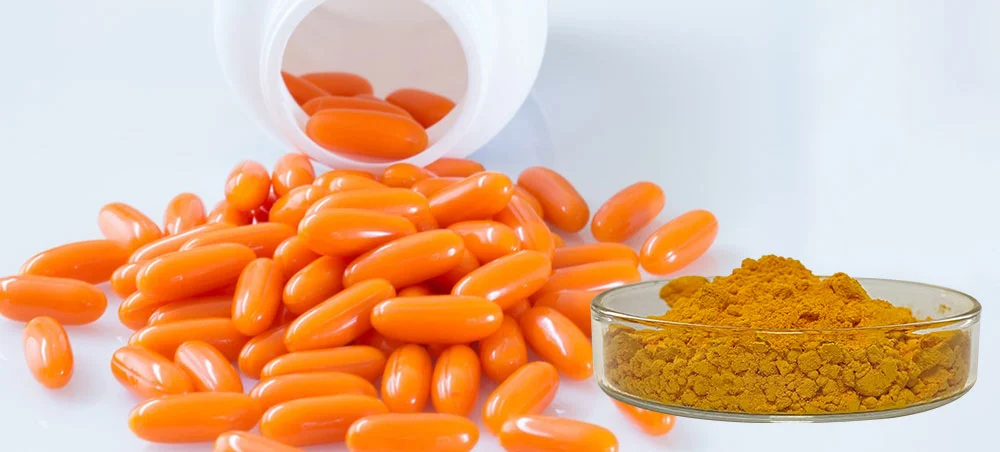
Due to its free radical scavenging properties, ubiquinone is increasingly valued in the personal care sector. When incorporated into topical formulations, it supports skin resilience against environmental stressors. Formulators have trouble with it, tho, because it naturally has an orange color and doesn't penetrate very deeply into the skin. These problems can be fixed with advanced transport methods that use nanostructured lipid carriers or liposomal encapsulation. We've seen that makeup companies like 98% pure grades because they keep the color stable in white cream bases and boost the antioxidant activity.
Bioavailability Considerations
Native ubiquinone is hard to absorb because it doesn't like water and its particles are big and crystallized. Since fermentation-derived powder stays in the same all-trans isomeric configuration as endogenous human Co Enzyme Q10 Powder, it is usually more bioavailable than manufactured options. To deal with this, supplement companies use oil-based softgel suspensions that are carried by medium-chain triglycerides or soybean oil. For uses that need to dissolve in water, there are special grades that are made by microencapsulating them with cyclodextrins or gum arabic.
Comparing Forms and Quality of Co Enzyme Q10 Products
Different industrial uses need Co Enzyme Q10 Powder in different physical forms. Whether you choose a powder, oil suspension, or ubiquinol version has a big effect on how stable the formulation is and how well it fits into the manufacturing process.
Powder versus Liquid Forms
Bulk powder is still the best raw material for business-to-business purchases because it stays stable for a long time and can be used in a lot of different ways. High-purity powder stays effective for 24 to 36 months if kept in the right way, in sealed cases below 25°C and out of the light. Liquid oil suspensions are useful for direct softgel encapsulation, but they usually cost a lot and need to be shipped in a way that keeps the temperature stable. From our experience making things, we know that powder forms give us more freedom to change the quantity to our needs and mix them with other ingredients that work well together.
Fermentation versus Synthetic Production
The production method has a big impact on the quality of the product and its acceptance by regulators. Using fermentation to make ubiquinone gives you a bio-identical molecule structure with 100% trans-isomer purity, while making it chemically can give you up to 40% useless cis-isomers. For pharmaceutical uses, fermentation grades are required to make sure that the drugs work biologically and keep patients safe. A recent study of the market shows that about 85% of high-end nutraceutical formulations use materials that come from fermentation, even tho they cost a little more per unit. When you look at the need for legal compliance and efficacy validation, the expense makes sense.
Essential Certifications
Professional suppliers of Co Enzyme Q10 Powder distinguish themselves from commodity traders by applying recognized quality standards and strict verification systems. ISO 9001 certification demonstrates structured quality management practices, while FSSC 22000 and GMP compliance confirm that production processes meet requirements for food-grade and nutraceutical applications. For Co Enzyme Q10 Powder, independent testing from organizations such as SGS, Eurofins, or NSF laboratories can verify heavy metal limits, microbiological safety, and the absence of unwanted residual solvents. Procurement teams evaluating suppliers of Co Enzyme Q10 Powder should confirm that manufacturers use advanced analytical methods, including Gas Chromatography for monitoring solvent residues below applicable ICH limits and ICP-MS testing for controlling heavy metals such as lead and mercury. These quality assurance practices help ensure that Co Enzyme Q10 Powder meets regulatory expectations and maintains consistent safety and performance standards.
Procurement Guide: How to Buy Co Enzyme Q10 Powder in Bulk
For strategic buying to work, you need to know more about a supplier's skills than just comparing prices. Quality assurance, supply chain stability, and expert support services must all be balanced for buying to go well.
Supplier Evaluation Criteria
To find reliable manufacturers, you need to look at their production ability, quality control infrastructure, and legal paperwork. Reliable suppliers keep separate fermentation facilities with records of how consistent each batch is with the others. Ask for analysis papers that show potency that has been HPLC-verified and falls within tight ranges, usually 98.0% to 101.0% for pharmaceutical grades. Read customer reviews from well-known brands in the industry you want to reach. This shows that the brand has worked well in similar situations in the past. Transparency in manufacturing is very important. Suppliers who allow video facility checks or welcome on-site audits show that they are confident in their operations.
Minimum Order Quantities and Pricing
The price of bulk ubiquinone changes based on the yield of fermentation and the cost of raw materials. Depending on the grade, the minimum order quantity (MOQ) is usually between 25 and 100 kilograms. Most of the time, volume agreements open tiered pricing structures. At the 500-kilogram and one-ton thresholds, prices drop significantly. When negotiating contracts, you might want to set up framework deals that lock in basic prices but allow quarterly changes based on publicly available product indices. This method guards against changes in the market while keeping suppliers in business. Before placing a large order, our purchasing team suggests that you ask for samples to make sure that the particle size distribution and solubility characteristics meet your needs.
Logistics and Storage Best Practices
Throughout the supply chain, proper treatment keeps the purity of the product safe. When it is being shipped or stored, ubiquinone needs to be kept away from light, moisture, and too much heat. Ask for pharmaceutical-grade packaging in drums sealed with aluminum foil and flushed with air to keep oxidation to a minimum. When sending goods from outside the United States, it's best to work with providers who know how to handle FDA compliance paperwork and can offer full DDP delivery services that include both air and sea freight choices. Monitoring the temperature during transport stops damage from happening; make sure that data loggers are sent with shipments when the temperature may be above 30°C.
Customization Options
OEM clients benefit when suppliers of Co Enzyme Q10 Powder provide customized solutions in addition to standard catalog products. Advanced custom services for Co Enzyme Q10 Powder may include particle size reduction to improve suspension stability, microencapsulation for applications requiring enhanced water dispersibility, and co-grinding with complementary ingredients such as vitamin E or alpha-lipoic acid. Specialized formulations of Co Enzyme Q10 Powder, including nanoemulsions designed for beverage applications, require suppliers with advanced processing technologies and strong research and development capabilities. Experienced manufacturers of Co Enzyme Q10 Powder can adjust concentration ratios and develop application-specific solutions that align with product positioning, target consumer needs, and different market requirements.
Making Informed Decisions: Criteria for Choosing the Right Co Enzyme Q10 Powder Supplier
Long-term relationships with suppliers depend on timely delivery of high-quality goods and helpful technical support throughout the lifecycle of a product.
Certification Verification and Compliance
Check to see if suppliers have registrations that are relevant to the markets you want to reach in addition to basic ISO and GMP certifications. FSSC 22000 approval shows advanced food safety management, and organic certification (USDA or EU versions) lets you market your products as high-end. Halal and Kosher certifications help dietary supplements reach more people. Ask for proof that your keys are still valid instead of ones that have ended. Check the connections with third-party testers to make sure that quality is regularly validated. Reputable makers test every production batch instead of just checking for compliance from time to time.
Aligning Specifications with Application Needs
Different fields need different grade requirements. Manufacturers of nutraceutical softgels usually say that the particles must be at least 98% pure and between 5 and 20 microns in size for the oil to dissolve best. When saving money is more important than getting the best results, cosmetic formulators may settle for 95% grades. This is especially true for products where ubiquinone is a secondary ingredient. For pharmaceutical uses, you need USP-grade materials that have full impurity profiling and stability data that backs up expiration dates. Talk to possible sellers about your formulation environment to get advice on the right specs. This way, you won't have to settle for the purest grades, which may not meet your real performance needs.
Technical Support and R&D Collaboration
The technical knowledge of the supplier has a big effect on how quickly and successfully a mixture is made. Check to see if potential partners assign dedicated technical representatives who are familiar with your industry. When you suggest new products, responsive sellers quickly check to see if they're possible. They can also give you advice on the best dosage forms and stability issues. Having access to formulation libraries and application notes speeds up the development process. We keep a portfolio of patents for specialized extraction and processing technologies. This lets our clients use proprietary ingredient benefits to make their goods stand out. Post-sales support should include help with fixing problems when they arise, with reformulation and early warning of changes in the supply chain that could affect delivery times.
Conclusion
To find high-quality Co Enzyme Q10 Powder, you need to carefully look at the supplier's production methods, quality certifications, and technical skills. Material from fermentation that has been tested and proven to be pure all-trans isomer gives the best biological action in nutrition, cosmetic, and pharmaceutical uses. Strategic procurement strikes a balance between short-term cost concerns and long-term supply stability and regulatory compliance. Suppliers must be open about how they make things, make sure that the quality of each batch is the same, and be willing to work with you on technical issues. Building partnerships with qualified makers who can offer customization and dependable operations is becoming more and more important for businesses that want to stay ahead of the competition as the market for natural, bio-identical ingredients keeps growing.
FAQ
What differentiates fermentation-grade from synthetic coenzyme Q10 powder?
The ubiquinone made by fermentation has the exact same 100% all-trans isomeric configuration as human Co Enzyme Q10 Powder, which means it has full biological activity. Synthetic production methods can make up to 40% of cis-isomers that are not therapeutically effective. Pharmaceutical and high-end nutritional uses only define fermentation grades to make sure they meet legal requirements and show good clinical performance.
How should bulk CoQ10 powder be stored to maintain stability?
For the best storage, things should be kept in sealed containers that are kept below 25°C and away from light. Oxidative degradation can't happen in drums lined with aluminum foil and flushed with nitrogen. High-purity powder stays effective for 24 to 36 months if stored properly. Photo-oxidation darkens things to deeper orange colors, which means the quality is bad and needs to be replaced.
Which certifications are essential when sourcing for dietary supplement manufacturing?
ISO 9001 and GMP certification, which show systematic quality control, are minimum criteria. Third-party testing thru SGS or Eurofins confirms heavy metal limits, microbiological safety, and the absence of residual solvents. FSSC 22000 adds to the assurance of food safety. With organic, halal, and kosher licenses, you can place your products in more markets, depending on the types of people you want to buy them.
Can standard ubiquinone powder be used in water-based beverage formulations?
The native Co Enzyme Q10 Powder doesn't like water, so it can't be used in liquids. For beverage mixes, you need special grades that dissolve in cold water. These can be made by microencapsulating them with cyclodextrins or gum arabic. These changed forms stay stable in acidic environments and don't separate or settle during shelf storage, so you can't see it.
Partner with Naturalin Biotech for Your Coenzyme Q10 Sourcing Needs
Naturalin Biotech is a reliable source for Co Enzyme Q10 Powder. They have been using botanical extracts for 20 years and have advanced fermentation technology. Our factories follow good manufacturing practices (GMP) and make pharmaceutical-grade ubiquinone that has been tested for strength using HPLC and has been fully approved by SGS and Eurofins labs. We offer custom solutions, such as optimizing particle size, microencapsulation for better bioavailability, and formulations that are made to fit the needs of your unique purpose. With ISO 9001, FSSC 22000, and several Halal and Kosher certifications, we meet strict global regulatory standards and keep our prices low by producing in large quantities. Our full-range DDP delivery service guarantees safe shipping to the United States, and we'll be there for you with technical support as your product develops. Email our team at market@naturalinbio.com to talk about the details of your project and ask for samples that show how committed we are to quality greatness.
References
1. Crane FL. "Biochemical Functions of Coenzyme Q10." Journal of the American College of Nutrition, 2001, 20(6): 591-598.
2. Mortensen SA, Rosenfeldt F, Kumar A. "The Effect of Coenzyme Q10 on Morbidity and Mortality in Chronic Heart Failure." JACC: Heart Failure, 2014, 2(6): 641-649.
3. Hidaka T, Fujii K, Funahashi I. "Safety Assessment of Coenzyme Q10 (CoQ10)." BioFactors, 2008, 32(1-4): 199-208.
4. Bhagavan HN, Chopra RK. "Coenzyme Q10: Absorption, Tissue Uptake, Metabolism and Pharmacokinetics." Free Radical Research, 2006, 40(5): 445-453.
5. López-Lluch G, Del Pozo-Cruz J, Sánchez-Cuesta A. "Bioavailability of Coenzyme Q10 Supplements Depends on Carrier Lipids and Solubilization." Nutrition, 2019, 57: 133-140.
6. Garrido-Maraver J, Cordero MD, Oropesa-Ávila M. "Clinical Applications of Coenzyme Q10." Frontiers in Bioscience, 2014, 19: 619-633.