5 Simple Ways to Take Milk Thistle for Liver Health
The five main ways that Milk Thistle Extract Powder can be used to help the liver are through standardised capsules, beverage mixing, direct sublingual application, functional food integration, and topical preparations. Each method uses the powder's 80% silymarin concentration in a different way. Bioavailability and the purpose of the use determine which method is best for product makers and end users. By understanding these delivery methods, producers can make products that meet the needs of consumers while still being effective at treating illness.
Introduction
The global market for liver health supplements has grown incredibly fast, thanks to more people learning about how to avoid liver disease and detoxify their bodies. Milk Thistle, whose chemical name is Silybum Marianum, has become an important plant ingredient because it contains silymarin, a flavonoid complex that has been shown in several clinical tests to protect the liver.
For people who work in sourcing in the personal care, food and beverage, and nutraceutical businesses, knowing how Milk Thistle is used goes beyond choosing ingredients. It includes a development strategy, following the rules, and making the best use of the supply chain. There are a lot of different types of products that can use Milk Thistle Extract Powder, from food supplements to functional drinks and even cosmetics that target oxidative stress.
This guide talks about the real things that B2B buyers need to think about when adding Milk Thistle to their product lines. Quality factors like HPLC-verified silymarin content, standardisation methods, and licensing rules have a direct effect on how well a product works and how well it sells. People who care about their health are buying more liver health products. Choosing the right extract grade and source partnership is now a strategic business choice that affects brand image and customer retention.
Understanding Milk Thistle Extract Powder and Its Benefits for Liver Health
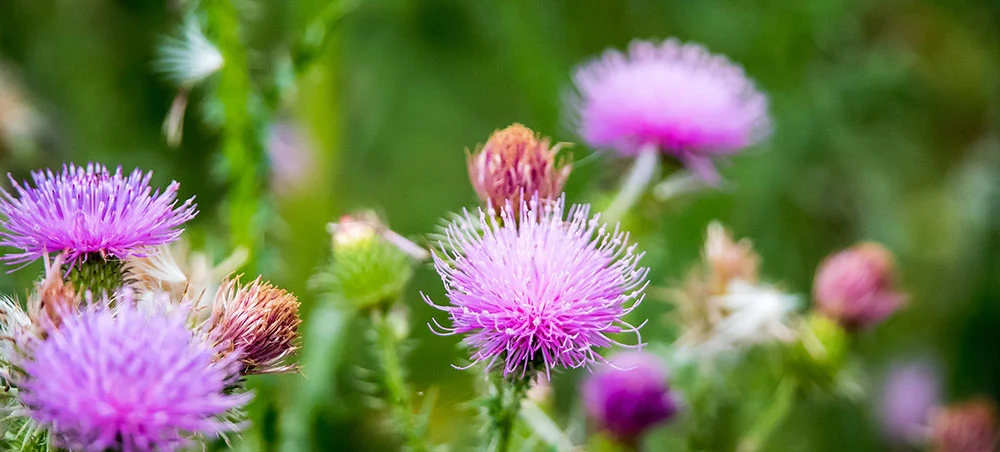
Milk Thistle Extract Powder comes from the seeds of the Silybum Marianum plant, which is native to the Mediterranean but is now grown all over the world. The process of extraction extracts silymarin, which is a group of flavonolignans that includes silybin, silydianin, and silychristin. According to UV spectrophotometry, high-quality samples usually have 80% silymarin or 50–60% silybin. At values around 30%, silybin is the biologically active component.
The system that protects the liver works in a number of different ways. As a strong antioxidant, silymarin gets rid of free radicals that hurt liver cells during metabolic processes. It also increases protein production in the liver, which helps cells grow back after being damaged by toxins. According to research, silybin stops fibrosis from forming by controlling the stimulation of stellate cells, which is a key factor in the development of chronic liver disease.
In addition to protecting the liver, Milk Thistle Extract Powder is good for the metabolism and the skin. The antioxidant qualities that protect hepatocytes also protect skin cells against oxidative stress caused by UV light, which is why it is used in anti-ageing cosmetics. Some studies show that it may help reduce blood sugar, which makes it important for functional foods that aim to treat metabolic syndrome.
For business-to-business buyers, telling the difference between organic and regular Milk Thistle is very important. Organic certification makes sure that crops are grown without using synthetic fertilisers or pesticides. This meets the needs of consumers who want clean labels and lowers worries about residues in finished goods. If you want to sell your goods in places like the European Union, where pesticide limits are very strict, this is especially important. Premium-positioning manufacturers should think about organic grades, even though they cost more to buy, because more and more people in developed markets are willing to pay more for approved organic vitamins.
5 Simple Ways to Take Milk Thistle Extract Powder for Optimal Liver Health
Product makers and formulation scientists can do their jobs better if they know how to use bioavailability-boosting materials in real-world situations. The following methods are the most financially effective ways that the nutraceutical business currently delivers Milk Thistle Extract Powder.
Encapsulated Supplement Formulations
Standardised pills are still the most common way to give medicines because they allow for accurate doses and long-term shelf stability. Most people need between 140 mg and 420 mg of silymarin every day, split up into two or three doses. Milk Thistle Extract Powder with an 80% silymarin content can help manufacturers reach their dose goals while still making capsules that are reasonable and easy for customers to swallow. Encapsulation also hides the naturally sour taste of the extract, which makes the product more acceptable. The powder's particles are usually 95% of the way through an 80-mesh sieve, which makes sure that they mix evenly with other ingredients and flow smoothly through high-speed packaging equipment. This technical standard has a direct effect on how efficiently and consistently the product is made from batch to batch, which are important factors for quality assurance managers to consider when deciding which ingredients are best.
Direct Beverage Integration
Specialised processing methods, like micellar solubilization or complexation with cyclodextrin, make it possible for water-soluble Milk Thistle grades to be added to healthy drinks. The requirement for 40% water-soluble silymarin solves the problems that come up with standard lipophilic extracts not being soluble. This format helps the functional beverage market, which is growing quickly as more people look for easy ways to incorporate wellness into their daily lives. When formulating, things to think about are how stable the pH is, how much heat it can handle during processing, and how it will react with other parts of the beverage. Developers should be aware that water-soluble grades may not be bioavailable in the same way as normal extracts. This means that dosages need to be changed based on stability tests and absorption studies.
Smoothie and Nutritional Shake Additions
More and more health-conscious people are adding plant powders to their own drinks and protein shakes. Brands that want to appeal to this group of people can stand out in the market by putting Milk Thistle in easy-to-open containers with clear directions on how to use them. People who change their doses based on their own needs will like the powder form because it allows for flexible dosing. People are usually told to take 1-2 grams of Milk Thistle Extract Powder every day, mixed with fruits, veggies, and liquid bases. When mixed with naturally sweet foods, the small bitterness can be hidden. This way of applying works especially well for functional food companies that make ready-to-blend health powder mixes. Milk Thistle Extract Powder can be added to these mixes with other herbs to help the liver in a complete way.
Functional Food Fortification
An interesting new use for Milk Thistle is adding it to health food items like protein bars, enriched snacks, or breakfast cereals. Because the extract is stable at temperatures up to 80°C, it can be used in baked goods and processed foods that are going through heat treatment. Product designers should think about how silymarin might interact with food matrices and how that might affect solubility. They should also do stability studies to make sure that the silymarin content stays within the limits during the shelf life. When mixing with other dry ingredients, bulk density (usually 0.45-0.65 g/ml) affects how evenly the mixture is mixed. This method helps companies that want to set their goods apart by making claims about the useful ingredients they use. This works especially well in health food stores, where customers are interested in messages that support the liver.
Topical Cosmetic Applications
Milk Thistle oil can be used in personal care products that are meant to improve skin health because it is an antioxidant, and Milk Thistle Extract Powder is also widely incorporated into similar formulations. It is used in cosmetics like creams, serums, and masks because it helps the skin's protective function and fights oxidative stress. Oral usage improves the health of the liver as a whole, while topical treatment helps with skin problems related to getting older. Some of the hardest parts of formulating are making sure that the ingredients are spread out evenly in emulsions and keeping the active ingredients stable in makeup bases. Suppliers who offer customisation services can change the particle size and make grades that work with certain cosmetic uses. This helps brands that want plant actives with scientific proof that are safe for their labels.
For liver health, usage suggestions usually include cycles of 8 to 12 weeks followed by evaluation times. However, based on known safety data, constant use seems safe. This advice helps consumer-facing brands with their efforts to educate customers and create better product labels.
How to Choose the Best Milk Thistle Extract Powder for Your Business
The first step in judging quality is to check the silymarin level using approved chemical methods. The business world has two main standards: UV spectrophotometry, which measures 80% of the total silymarin, and HPLC, which gives a more in-depth look at the components at 50–60% of the total silymarin and around 30% of the specific silybin. For pharmaceutical-grade uses, HPLC is the gold standard because it allows accurate identification of individual flavonolignans. Buyers in business should ask for Certificates of Analysis from approved labs that show agreement with USP or EP monographs. This will make sure that each batch is the same, which is very important for controlled product categories.
Certification files show that a provider is dedicated to quality systems and following the rules. Some important certificates are ISO9001 for quality control, FSSC22000 for food safety, and GMP compliance for showing that the company follows good production practices. For lines of organic products, you have to get either USDA NOP or EU organic approval. Extra qualifications, like Halal and Kosher approval, make it easier for certain groups of customers to buy your products. Third-party approval by labs like SGS, Eurofins, or NSF makes sure that limits on heavy metals, microbial contamination, and pesticide residues are met. These are important quality factors that affect the safety of the final product.
An assessment of a supplier should look at how well they can make things and how reliable their supply chain is. Established makers with their own production sites show steadiness that trading companies that don't have their own manufacturing assets don't have. Questions about the amount of work that is done each year, how the raw materials are sourced, and how the inventory is managed show how complex the operations are. Suppliers who keep stock on hand can fill orders quickly, which is especially helpful when a new product needs to hit the market quickly. Standard specs have lead times of 3–7 working days, which shows that operations are running smoothly. Customisation options show that the company has technical know-how and adjustable manufacturing systems.
When comparing Milk Thistle Extract Powder and liquid extract forms, you need to think about the unique needs of the application. Powders are better for supplement and food uses because they are more stable, easier to carry, and cost less to store. Liquid extracts can help with some types of drinks, but they need to be handled carefully so they don't break down. The powder format can be stored for two years if it is kept in the right way. This lowers the risk of running out of stock and helps with lean supply chain management.
When setting prices, the cost per kilogram must be weighed against the amount of service and quality that is expected. For industrial production of Milk Thistle Extract Powder, the minimum order quantity is usually 25 kg, but reliable suppliers offer smaller trial quantities so that formulas can be worked out before making big promises. When figuring out the cost per dose, business-to-business buyers should look at the amount of active ingredient instead of just the price of the raw material, since extracts with higher concentrations may be cheaper even though they cost more per unit.
Leading Milk Thistle Extract Powder Brands and Trusted Suppliers in the Market
To find trustworthy partners, you need to look at both the quality of the products and the ways that the business operates in a way that encourages long-term relationships. A lot of the time, established sellers in the botanical extract business have a few things that set them apart from commodity traders.
Heritage in manufacturing is very important. Companies that have been extracting plants for decades know more about weather changes, farming methods, and how to make the process more efficient than companies that are new to the business. Naturalin Biotech is a good example of this mature industry. It started doing business in 2006 and is known as a founding member of the Hunan Plant Extract Association. This kind of institutional engagement shows a dedication to industry norms and an interest in creating quality benchmarks.
The technical skills go beyond simple extraction and include customisation services that solve unique formulation problems. Advanced providers can change the particle size, improve solubility with their own technologies, and create types that are specifically made for different uses. Patent files are real proof of the ability to come up with new ideas. Suppliers with rights for extraction processes or formulation technologies have done a lot of studies and have a lot of technical knowledge, which helps clients with their product development projects using Milk Thistle Extract Powder.
OEM collaboration and private label partnerships are strategic options for brands that want to stand out without having to invest in their own production infrastructure. Qualified partners help with formulation, give legal advice, and have flexible minimum order amounts that allow for testing in the market before going big. For private label relationships to work, suppliers must be open about where the ingredients come from, when production will happen, and how the quality of the finished product matches what they say it is.
As part of your due research, you should ask for samples to be evaluated internally, look over audit reports if they are available, and call references from current clients in similar market groups. Suppliers who are ready to let workplace inspections happen, either virtually or in person, show that they are confident in their business and want to be open and honest. Logistics prices and wait times are affected by location, but modern shipping networks have made it easier to source goods from other countries.
Conclusion
There is a growing need for liver health options in many types of products, and Milk Thistle Extract Powder is an ingredient that has been proven to work by science. The five delivery methods described—encapsulation, smoothie addition, beverage integration, food fortification, and skin application—give B2B buyers a range of ways to make products that meet the needs of different customer groups and tastes.
Standardisation of silymarin that can be checked with HPLC analysis, full certification portfolios that include organic credentials when needed, and seller partnerships that offer technical support beyond commodity deals should be at the top of the list when making procurement decisions. Most of the time, powder is best because it is stable, can be used in many ways, and is inexpensive. However, water-soluble grades are better for certain beverage recipes.
In competitive markets where customer trust is based on delivered effectiveness, a product's success is eventually determined by how well it meets quality standards, follows regulations, and has a reliable supply chain. When brands choose providers with proven manufacturing skills, customisation knowledge, and flexible service models, they set themselves up for long-term growth in the growing liver health market.
FAQ
What is the recommended daily dosage of milk thistle extract for liver support?
Doses of 140 to 420 mg silymarin per day, split into two or three doses, are usually used in clinical studies. This is equal to about 175 mg to 525 mg of total Milk Thistle Extract Powder for extracts that are standardised to 80% silymarin. Different people have different needs based on their health situations and how the product was made. Manufacturers should base dose suggestions on the exact amount of silymarin in their finished goods. This will make sure that the labels are correct and in line with clinical evidence that is available.
Are there any side effects or safety concerns with milk thistle supplementation?
Across research studies, Milk Thistle has been shown to be very safe, with side effects being very rare and usually limited to mild stomach pain. The plant has been given the "Generally Recognised as Safe" label in many places. People who are allergic to plants in the Asteraceae family are not supposed to use it. People who are taking pharmaceutical medicines should talk to a doctor before taking certain medications that are broken down through cytochrome P450 pathways, because they might combine with other drugs. Good sellers give a lot of safety information to back up the marking rules for products.
How does Milk Thistle Extract Powder compare to silymarin capsules?
These words are often used to talk about different kinds of the same thing. The active chemical mixture is called silymarin, and the plant source is called Milk Thistle extract. Most capsules have Milk Thistle Extract Powder that has been tested for its silymarin content. Format alone shouldn't be the subject of the comparison; it should be standardisation methods and absorption. When properly made, both formats offer the same benefits; the choice of format should be based on customer tastes and product positioning strategies.
Partner with a Trusted Milk Thistle Extract Powder Manufacturer
Naturalin Biotech stands ready to help you create new products by providing you with high-quality Milk Thistle Extract Powder that meets the strictest industry standards. Our standards include 80% silymarin that has been tested by UV light, 30% silybin that has been measured by HPLC, and water-soluble choices with a 40% silymarin concentration. These meet the needs of a wide range of formulations in the nutraceutical, beverage, and cosmetic industries.
With over 18 years of experience working with botanical extracts, GMP-compliant factories, and a wide range of certifications such as ISO9001, FSSC22000, organic credentials, Halal, and Kosher, we can give your brand the stability and quality guarantee it needs. We can change everything from the size of the particles to how well they dissolve. We can do this because we have more than 40 unique rights and helpful technical support.
Commercial sales start at 25 kg, and trial amounts can be changed to help with formulating. Our ready-to-ship inventory allows for wait times of 3–7 working days, which helps us get into new markets quickly and keep production going. We offer full DDP door-to-door delivery services designed for the US market. This makes foreign shipping easier.
Find out how our experience as a supplier can help your business. Email our team at market@naturalinbio.com to get examples, technical details, and help with formulating products that meet your business's needs.
References
1. Abenavoli L., Capasso R., Milic N., Capasso F. (2010). Milk thistle in liver diseases: past, present, future. Phytotherapy Research, 24(10), 1423-1432.
2. Flora K., Hahn M., Rosen H., Benner K. (1998). Milk thistle (Silybum marianum) for the therapy of liver disease. American Journal of Gastroenterology, 93(2), 139-143.
3. Kroll D.J., Shaw H.S., Oberlies N.H. (2007). Milk thistle nomenclature: why it matters in cancer research and pharmacokinetic studies. Integrative Cancer Therapies, 6(2), 110-119.
4. Polyak S.J., Morishima C., Lohmann V., Pal S., Lee D.Y., Liu Y., Graf T.N., Oberlies N.H. (2010). Identification of hepatoprotective flavonolignans from silymarin. Proceedings of the National Academy of Sciences, 107(13), 5995-5999.
5. Saller R., Brignoli R., Melzer J., Meier R. (2008). An updated systematic review with meta-analysis for the clinical evidence of silymarin. Complementary Medicine Research, 15(1), 9-20.
6. Wellington K., Jarvis B. (2001). Silymarin: a review of its clinical properties in the management of hepatic disorders. BioDrugs, 15(7), 465-489.