Why Is Rosemary Extract Powder Chosen For Natural Preservation Solutions In Food Manufacturing?
Rosemary Extract Powder has emerged as a preferred natural preservation solution in food manufacturing because it delivers powerful antioxidant activity through compounds like carnosic acid and rosmarinic acid, effectively extending shelf life without synthetic additives. As clean-label demands intensify and regulatory pressure mounts against traditional preservatives, this botanical extract offers food manufacturers a scientifically validated, regulatory-compliant alternative that protects product integrity while meeting consumer expectations for transparency and natural ingredients.
Introduction
More and more people are pushing food companies to change their recipes to use natural ways to keep food fresh. As people have become more aware of synthetic additives, they have drastically changed the way they buy things. According to recent industry polls, over 73% of American buyers are actively seeking clean-label goods. This demand makes things harder for procurement managers and formulation scientists who have to keep products safe, make them last longer, and keep their sensory qualities without using regular chemical preservatives.
Traditional synthetic antioxidants like BHA, BHT, and TBHQ are being looked at more closely by regulators and are not being liked by consumers, even though they work technically. The food industry needs ways to keep food fresh that are both effective and clear, follow all the rules, and keep the supply chain running smoothly. Natural plant-based extracts are becoming more popular as alternatives. Compounds derived from rosemary work especially well in a wide range of food types. The plant product came from Rosmarinus officinalis L. gives manufacturers a plan for reformulating that takes into account both technical needs and market positioning.
Understanding Rosemary Extract Powder and Its Role in Food Preservation
What Distinguishes Rosemary Extract from Fresh Herb and Essential Oil
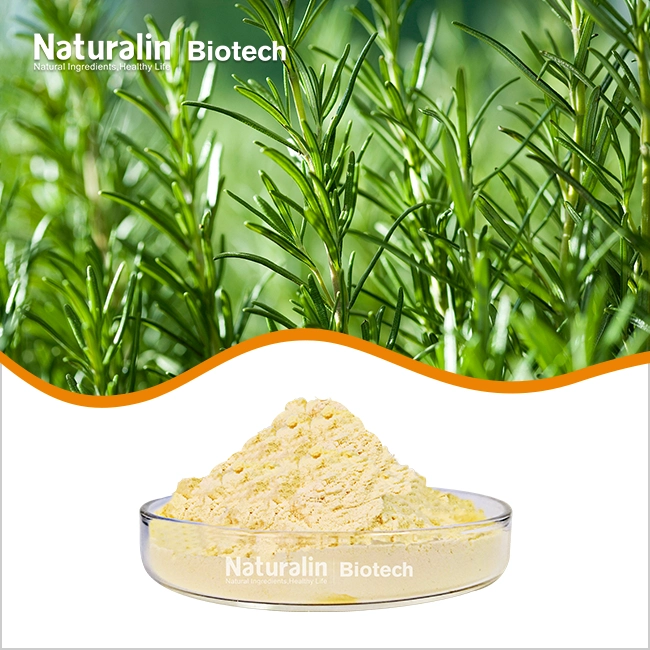
Rosemary Extract Powder is a concentrated form of bioactive compounds that are taken from rosemary leaves using solvent extraction or supercritical CO2 processes. Unlike fresh rosemary that is used in cooking or volatile essential oils that are valuable for their scents, the standardized extract powder focuses certain phenolic diterpenes that keep the rosemary fresh. Carnosic acid is the main antioxidant compound that dissolves in lipids, and rosmarinic acid is the main antioxidant compound that dissolves in water. This lets formulators choose the right specifications based on the needs of the application.
The standardization process makes sure that the amounts of active compounds are always the same, which is proven by HPLC testing. The commercial range for rosmarinic acid is usually between 5% and 20% for water-soluble uses, between 10% and 50% for dry uses with carnosic acid powder, and between 10% and 50% for oil-soluble uses with concentrated carnosic acid. This standardization meets an important need for consistency from batch to batch that fresh botanicals can't always meet.
Mechanism of Preservation: How Active Compounds Protect Food Products
The ability to preserve comes from several protective mechanisms working together. Carnosic acid and carnosol are very good at getting rid of free radicals. They stop the chains of lipid peroxidation that turn fats and oils rancid. Before reactive oxygen species can damage unsaturated fatty acids, these molecules give up hydrogen atoms to keep them stable. In addition to scavenging radicals, antioxidants also reduce pro-oxidant triggers like iron and copper that are naturally found in food. This is called metal chelation.
Rosmarinic acid adds extra protection to water-based mixtures and emulsions. Its polyphenolic structure can donate electrons and also has some mild antimicrobial properties that can kill some organisms that cause spoilage. Researchers have found that mixing lipid-soluble and water-soluble fractions gives better safety than either one by itself. This two-phase defense makes the extract very useful in complicated food systems that have both fat and water parts.
Safety Profile and Regulatory Status for Industrial Application
Acceptance by regulators is a key factor in B2B buying choices. In the United States, rosemary extract is generally recognized as safe (GRAS), and in the European Union, it is allowed to be used as food additive E392. This regulatory status makes the approval process for formulations a lot easier compared to new preservation systems that need a lot of safety documentation. The extract has great toxicological ratings in standard safety tests, and there are clear dose guidelines for quality assurance teams based on the acceptable daily intake amounts.
In industrial settings, concentrations are usually between 0.02% and 0.1% of the weight of the finished product. This is a very small amount compared to what would be considered unsafe. Third-party validation through labs like SGS, Eurofins, and NSF provides extra proof of purity, lack of contaminants, and compliance with specifications. This is important proof for supply chain transparency and audit requirements that regulatory affairs professionals look for when they are evaluating ingredient suppliers.

Limitations of Traditional Food Preservation Methods and the Rise of Natural Alternatives
Why Synthetic Preservatives Face Growing Market Resistance
For many years, synthetic antioxidants like butylated hydroxyanisole and butylated hydroxytoluene have worked well in the food business from a scientific point of view. But more and more statistical study that links some synthetic additives to health problems has made people less sure. These worries are made worse by media coverage, which creates brand image risks that go beyond following the rules and lead to problems with market placing. Big food companies have said they will stop using artificial preservatives in their products. This is putting pressure on supply chains as companies change their recipes to keep their supplier relationships.
As time goes on, regulations keep changing to become stricter on synthetic additives. The European Food Safety Authority reviews and changes the acceptable daily intake levels on a regular basis. This makes it hard to say if a formulation will work in the long term. More and more, procurement managers are looking for ingredients with stable regulatory outlooks so that they don't have to go through expensive reformulation cycles that are caused by changes in regulations instead of technical or market-driven innovation.
Consumer-Driven Demand for Clean Label and Transparency
The clean-label movement shows how people's ideas about food quality and safety have changed in deep ways. People now expect transparency about more than just nutritional content. They also want to know where ingredients come from, how they are processed, and how they affect the environment. People are more likely to recognize ingredients that come from plants than to recognize chemical names that sound like they were made in a lab. This difference in how people see things creates real market value; goods that are advertized as natural or clean-label command higher prices and sell faster in competitive categories.
Rosemary Extract Powder lets labels make good claims and helps tell stories about botanical products, Mediterranean roots, and old-fashioned ways of keeping food fresh. These story elements strengthen brand positioning in ways that functional equivalence alone can't. This means that choosing the ingredients is more of a marketing strategy than a matter of meeting technical formulation requirements.
Performance Validation Through Real-World Application
Several types of food have successfully added rosemary extract to their preservation systems, and the results can be seen. Snack food makers say they can make goods with vegetable oils and nuts last 30% to 50% longer, which are two groups that are especially prone to going bad due to oxidation. Meat makers use the extract on both fresh and processed meat because it keeps the meat's color stable and reduces lipid oxidation while it's stored in the fridge, which affects people's choices to buy at the store.
Due to the high temperatures used, bakery applications pose unique technical challenges. However, carnosic acid remains stable through baking processes that reach 190°C to 200°C. Because it is stable at high temperatures, it can be added during mixing stages instead of having to be applied afterward, which makes the production process easier. Formulators who work with functional drinks that contain sensitive nutrients like omega-3 fatty acids say that the drinks are more resistant to oxidation during the development and business distribution processes. This means that the nutritional benefits of the drinks are protected during the shelf life of the products.
Critical Factors When Choosing Rosemary Extract Powder for Food Manufacturing
Specification Selection Based on Application Requirements
The most important procurement decision is to match extract specifications to specific application needs. Carnosic acid that dissolves in oil and has concentrations between 10% and 50% works well to protect lipid phases in frying oils, fat-based coatings, oil-in-water emulsions, and other products that have a lot of fat in them. Rosmarinic acid that dissolves in water (5% to 20%) can be used in beverages, surface treatments, and other water-based systems where oil-soluble compounds can't work well.
Some of the more advanced standards include deodorized and decolored grades that have less of an effect on the senses in sensitive situations. Herbal notes that come from standard rosemary extracts are fine in savory recipes but could be a problem in dairy products, white sauces, or drinks with no flavor. Specialized processing gets rid of volatile aromatic compounds while keeping the antioxidant properties, which makes the product more useful in more situations. Particle size specifications—usually 60 to 80 mesh—affect how particles spread out, and they should match the capabilities of the mixing tools and the level of consistency you want in the final product.
Quality Verification and Supplier Certification Requirements
Professionals in procurement who are in charge of making sure the quality of ingredients is maintained should set clear rules for proof. HPLC testing gives exact amounts of active compounds, making sure that specs match the analysis report. Reliable suppliers give testing results for each batch and data on how stable the product is over time, showing that it stays effective for the stated shelf life, which is usually 24 months if stored properly. Third-party laboratory verification through separate sites adds extra steps of validation that are very helpful for checks of the supply chain and questions from customers about quality.
Supplier certifications show that the company is ready to meet regulatory requirements and make high-quality products. The ISO 9001 certification shows that a quality management system is being used, and the FSSC 22000 certification talks about food safety management in particular. Organic certifications, like the USDA NOP and EU organic standards, let companies get organic ingredients and make claims about their products. The HALAL and Kosher approvals make it easier for people with certain dietary needs to buy goods. GMP compliance makes sure that production methods meet the high quality standards that are becoming more and more common in nutraceutical and functional food products.
Supply Chain Considerations for Continuous Production
Rosemary Extract Powder supply chains have to deal with agricultural factors that procurement managers have to look at. Rosemary is mostly grown in the Mediterranean, and the annual supply is affected by when it is harvested and the weather. When compared to suppliers who use commodity broker networks, those who run their own organic farming bases offer more reliable and traceable supplies. Vertical integration, which includes growing, extracting, and standardizing, improves quality consistency and makes the supply chain less vulnerable to changes in the market.
For industrial production, the minimum order quantity is usually 25 kg. Sample numbers can be used for formulating and checking stability. Lead times of three to seven working days from established sources with kept supplies help with planning production. However, custom specs that need special processing may make lead times longer. Logistics options like DHL, FedEx, air freight, and ocean shipping give you choices for when you need something quickly or on a regular basis at the lowest cost. Suppliers who offer DDP (Delivered Duty Paid) service make it easier to import goods, especially for the US market. This is because they reduce the complexity of customs and the risk of delivery.
How to Effectively Incorporate Rosemary Extract Powder into Your Food Products
Dosage Guidelines Across Different Food Categories
Effective dosage ranges depend on the properties of the food matrix, how long you want to keep the food fresh, and how stable the food is normally. Products made from oils and fats usually need 0.02% to 0.05% of the oil's weight. Higher concentrations, up to 0.1%, are needed for products that are going to be exposed to a lot of oxidative stress because they are being processed at high temperatures or stored at room temperature for a long time. 0.05% to 0.1% of the total weight of the meat or poultry is often used, and it is often mixed with other natural antioxidants, such as mixed tocopherols, to provide better protection.
Usually between 0.03% and 0.08%, based on the amount of fat and how well they were processed. For beverage uses, the right dose needs to be carefully calibrated, usually between 0.01% and 0.03%. This is done by balancing oxidative defense against possible sensory effect in neutral flavor profiles. Formulation scientists should speed up stability tests and compare different dosage levels against control samples and maybe even synthetic preservative benchmarks to find the best concentration for each application and see how much it costs compared to how well it works.
Integration Methods During Processing
Integration of processing stages affects both how well they work and how efficiently they work. When making dry Rosemary Extract Powder for baking and snacks, mixing the extract with the dry ingredients during the mixing stages makes sure that the powder is spread out evenly before it is exposed to heat or moisture. Because the substance is thermally stable, it can be added before heat processing instead of having to be added afterward. In methods that use oil, full dispersion is achieved by mixing the substance well and dissolving it directly into warm oil (40°C to 60°C). Adding oil-soluble parts to the lipid phase before emulsification is better for emulsion systems than trying to spread them out in finished emulsions.
Combining oil-soluble and water-soluble specifications can help protect both parts of complex food matrixes in some situations. This two-phase method needs careful formulation development to find the best ratios, but it protects products like salad dressings, sauces, and ready-made meals that have separate water-based and lipid parts. Production equipment usually doesn't need to be changed, but making sure that the mixing time and temperature are right during incorporation are important for making sure that the ingredients are spread out evenly and that defensive mechanisms are activated.
Storage and Handling Best Practices
Keeping the extract's strength through keeping has a direct effect on how well it works and how much it costs. The powder should be kept in containers that keep air out and keep it away from direct light, moisture, and extreme temperatures. Oxygen, dampness, and UV light break down active substances over time, which lowers their antioxidant capacity. As long as the product is stored between 15°C and 25°C in a dry place, it will stay effective for the usual 24 months. Once packages are opened, they should be put back together right away and used within an acceptable amount of time to keep the contents from being exposed to air.
First-in, first-out rules should be used for warehouse management to move stock and keep track of receipt times to make sure that materials are used within their best freshness windows. Before adding a large amount of extract, production teams should check the way it looks and smells, keeping an eye out for any off-odors, color changes, or clumping that could mean the extract is absorbing water or breaking down. Along with regular re-testing of older stock using HPLC analysis, these quality checks make sure that the material added to finished products does what it's supposed to do when it comes to preservation.
Building Trust and Choosing the Right Rosemary Extract Powder Supplier
Essential Supplier Attributes for Long-Term Partnership
Choosing a supplier is more than just comparing prices; it also involves looking at their skills and abilities that will help the relationship grow. Manufacturing capacity affects how reliable a supply is when demand changes. For example, suppliers that make more than 1,000 tons of plant extracts every year show that they have enough scale to handle growing accounts without having to worry about allocation. Having dedicated research and development (R&D) means that the company can help with unique formulation creation, concentration changes, and application troubleshooting, not just finishing standard orders.
Patent portfolios show that a company is investing in new ideas and has technical know-how. When it comes to botanical extraction and formulation technologies, suppliers with 40 or more patents can help solve problems in complicated applications. Twenty years or more of experience in nutritional ingredients shows that the market is stable and that you have learned how to use the ingredients in a wide range of products. Geographical representation at foreign trade shows and case studies supporting the nutraceutical, food, beverage, cosmetics, and feed industries show a broad understanding of applications that are useful for manufacturers or contract formulators who work with a wide range of clients.
Quality Documentation and Traceability Systems
Regulatory compliance, quality checks, and supply chain transparency efforts can all be helped by having a lot of paperwork. Suppliers should give detailed sheets with specifications, safety data sheets, allergen statements, and certificates of analysis for each batch. Documentation that links batches of finished extract to specific lots of raw materials and times of processing makes it possible to respond quickly to quality investigations and backs up claims of organic certification and non-GMO proof when they apply.
Advanced providers work with a number of separate testing labs, which provides third-party proof on top of internal quality control. Quality claims are more likely to be true if they are tested regularly by SGS, Eurofins, or NSF labs for heavy metals, pesticide residues, microbial contamination, and active compound verification. Being open about how often tests are done, how they are done, and your readiness to share thorough test results helps build trust, which is especially important when you are first qualifying a supplier and as the relationship continues to grow.
Customization Capabilities for Formulation Development
Standard specifications work well for many things, but custom requirements come up a lot in competitive product development. Suppliers who offer formulation customization can change the amounts of active compounds, make proprietary blends with multiple botanical extracts, and make specialized forms like microencapsulated versions, better water-dispersible grades, or liquid concentrates that work with certain processing equipment. This adaptability lets Rosemary Extract Powder stand out and solves specific application problems that normal store items can't.
Clear communication methods, a feasibility study, experimental development with clear timelines, process testing, and an easy transfer to production on a large scale should all be part of the customization process. Respondent suppliers offer quick sample development to meet tight product launch schedules, and expert support teams help with application advice and fixing problems. Private labeling helps distributors and contract manufacturers build their own brands for their own customers, and flexible minimum order quantities for custom specifications lower financial risk during the product development and market testing stages.
Conclusion
Using plant extracts for natural preservation is a smart way for food companies to deal with changing customer tastes, changing regulations, and staying ahead of the competition. Antioxidants that come from rosemary have been scientifically proven to protect product quality during distribution and shelf life. They also help marketers make positive claims about clean-label formulations. To make implementation work, you need to carefully choose specifications that meet the needs of the application, form partnerships with suppliers to ensure consistent quality and technical support, and use integration techniques that improve both the effectiveness of preservation and the efficiency of production. The Rosemary Extract Powder's established regulatory status, wide range of uses, and track record of success make it a key part of natural preservation methods used in all food production sectors.
FAQ
How does the ability to preserve natural rosemary extract compare to that of synthetic TBHQ?
Rancimat oxidative stability testing shows that using the right carnosic acid extract gives similar induction times to TBHQ in many food matrixes. This is especially true when the extract is used at the right concentrations and with natural antioxidants that work well together, such as mixed tocopherols. The natural extract keeps its clean-label status while providing functional performance that meets the needs of commercial shelf-life.
Will adding rosemary extract change the way my product smells or tastes?
Camphorous aromatic compounds are taken out of high-quality deodorized standards through processing. This leaves them with sensory-neutral performance at suggested doses of 0.02% to 0.1%. Standard grades keep mild herbal qualities that work well for savory uses but might stand out in delicate flavors, so choosing the right specification based on sensory needs is very important.
Does the extract stay stable when food is processed at high temperatures?
Carnosic acid is very stable at high temperatures. It can be used in frying operations at 190°C to 200°C and in baking processes that are common in commercial food preparation. This heat resistance lets it be added before thermal processing instead of having to be applied afterward, which speeds up production and protects materials throughout the whole process.
What makes rosemary extract that dissolves in water different from rosemary extract that dissolves in oil?
Rosmarinic acid-standardized water-soluble versions work well in drinks, water-based systems, and surface treatments where oil-based compounds can't spread well. Carnosic acid standards that dissolve in oil protect lipid phases in emulsions, fat-based goods, and cooking oils. The right solubility profile depends on the application. For full protection in some complex formulations, it's best to use both types of Rosemary Extract Powder together.
Partner with a Trusted Rosemary Extract Powder Manufacturer
Naturalin Biotech has been extracting plants for more than 20 years and can help food makers and procurement workers who need natural ways to keep food fresh. Our Rosemary Extract Powder range has exact standards for 5% to 50% carnosic acid and 5% to 20% rosmarinic acid. These standards have been checked by HPLC testing and are backed up by ISO 9001, FSSC 22000, HALAL, Kosher, and organic approvals. With more than 40 ingredient patents, dedicated organic cultivation bases that make sure supply consistency, and full customization options for powder, granule, and liquid forms, we can make solutions that are perfect for your needs. Our expert team helps with formulation, does quick samples (3–7 working days), and lets you order in a variety of sizes, from small trial amounts to 25 kg minimums for business use. Email our team at market@naturalinbio.com to get samples, talk about your specific problems with preserving, or find out how our product can help you make your natural formulation strategy better.
References
1. Nieto, G., Ros, G., & Castillo, J. (2018). Antioxidant and Antimicrobial Properties of Rosemary (Rosmarinus officinalis, L.): A Review. Medicines, 5(3), 98.
2. Pérez-Fons, L., Garzón, M.T., & Micol, V. (2010). Relationship between the antioxidant capacity and effect of rosemary (Rosmarinus officinalis L.) polyphenols on membrane phospholipid order. Journal of Agricultural and Food Chemistry, 58(1), 161-171.
3. Birtić, S., Dussort, P., Pierre, F.X., Bily, A.C., & Roller, M. (2015). Carnosic acid. Phytochemistry, 115, 9-19.
4. Ribeiro-Santos, R., Andrade, M., Melo, N.R., & Sanches-Silva, A. (2017). Use of essential oils in active food packaging: Recent advances and future trends. Trends in Food Science & Technology, 61, 132-140.
5. Zheng, W. & Wang, S.Y. (2001). Antioxidant activity and phenolic compounds in selected herbs. Journal of Agricultural and Food Chemistry, 49(11), 5165-5170.
6. Erkan, N., Ayranci, G., & Ayranci, E. (2008). Antioxidant activities of rosemary (Rosmarinus Officinalis L.) extract, blackseed (Nigella sativa L.) essential oil, carnosic acid, rosmarinic acid and sesamol. Food Chemistry, 110(1), 76-82.