Which Collagen Peptides Supplier Fits High-Volume Food and Beverage Production?
If you're sourcing hydrolyzed collagen peptides for large-scale food and beverage manufacturing, the answer depends on more than just price per kilogram. The right supplier must deliver batch-consistent quality, verifiable certifications, and the formulation flexibility your production line demands. After reviewing market options and technical benchmarks, Naturalin Biotech stands out for manufacturers who require bovine or marine collagen peptides with full traceability, cGMP compliance, and customized specifications—backed by over 20 years of manufacturing experience.
Understanding the Needs of High-Volume Food & Beverage Production
Batch-to-Batch Consistency Is Non-Negotiable
A single mistake in your protein ingredient can mess up an entire batch when you're making thousands of units per cycle. Hydrolyzed collagen protein needs to keep its molecular weight stable, usually between 1,000 and 3,000 Daltons, so that it dissolves and absorbs the same amount in every production run. Any difference leads to quality holds, the cost of reformulating, and shipping being delayed.
Functional Performance in Formulation
Collagen peptides that are used in healthy drinks, yogurt, or meal replacements need to be tasteless, safe at high temperatures, and completely soluble in water. People like bovine collagen peptides because they don't change much when heated up or cooled down. This makes them great for use in baked goods and hot drinks. Marine collagen peptides are easily digestible and don't cause allergies, so they can be easily added to ready-to-drink drinks and nutritional powders where taste is important.
Regulatory and Safety Standards
All ingredients going into a food production line must meet FDA food-grade standards, FSSC 22000, GMP, and maybe even EU rules if you're selling to people in other countries. Grand View Research said in 2021 that the global collagen market was worth $8.36 billion, and that food and drink uses were growing at a rate of over 7% per year. With growth comes more scrutiny. Sourcing teams need providers who can quickly give them records of third-party testing from labs like SGS, Eurofins, or NSF.
Core Criteria for Choosing a Collagen Peptides Supplier
There are more than one thing to consider when choosing the right collagen peptides provider. Before signing a long-term supply agreement, procurement managers have to look at a number of factors that affect each other.
These are the main screening rules that your team should use:
- Source Transparency and Certification: Confirm whether the supplier offers bovine, marine, or porcine-derived peptides with traceable raw material sourcing. Certifications such as Halal, Kosher, Organic, and non-GMO are increasingly expected by clean-label brands. Suppliers without documented traceability introduce regulatory liability.
-
Standardization and Testing Protocol for collagen peptides: HPLC-verified hydroxyproline content, microbiological screening, and heavy metal testing (via ICP-MS) should be standard deliverables with every shipment. Inconsistent active ingredient profiles across batches are one of the most common pain points in industrial procurement.
- Scalability and Lead Time: A supplier capable of producing only small volumes may struggle when your order scales to multi-ton quantities. Confirm annual production capacity, typical lead times (ideally 3–7 business days for stock orders), and warehouse inventory levels before signing a supply contract.
These criteria are the building blocks of any reliable evaluation process. For high-volume partnerships, suppliers who can meet all three show that they are both technically competent and operationally mature.
Comparing Leading Collagen Peptides Suppliers for Large-Scale Production
Vital Proteins and Great Lakes: Market Benchmarks
Vital Proteins and Great Lakes Wellness are both well-known brands in the North American collagen market, where they mostly sell to consumers directly. Even though their brand is well known, most of their products are made for individual consumers rather than industrial buyers who need specific specifications. A lot of the time, large food producers can't change their MOQ or get OEM help.
Naturalin Biotech: A B2B-Focused Manufacturing Partner
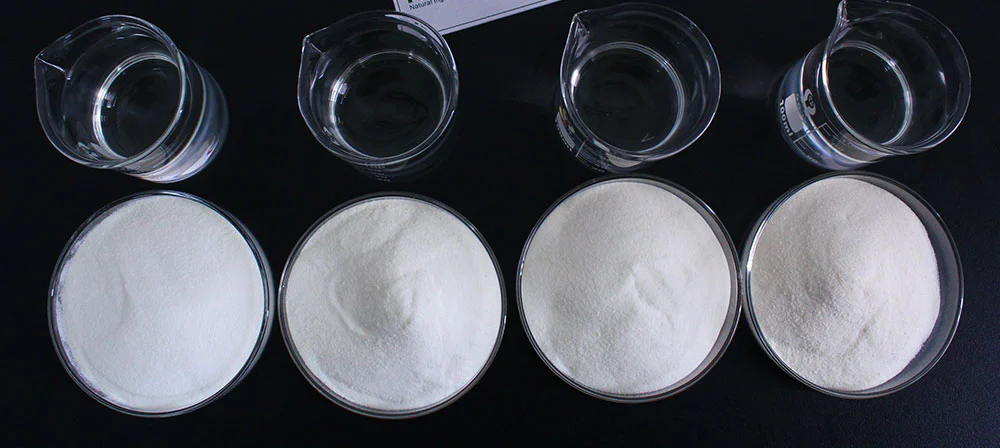
Naturalin Biotech has a cGMP-compliant production facility that is 45,000 m² and more than 40 patents for new products. The business sells collagen peptides from both cattle and marine sources to companies in the food and drink, nutrition, and personal care sectors. Naturalin is different because it can be customized so much. Customers can choose the molecular weight range, concentration, and shape (powder, granule) of the peptides to make sure they meet all of their specific manufacturing needs. Its goods are regularly checked by SGS and Eurofins, and they can be certified as Organic, HALAL, Kosher, ISO 9001, GMP, or FSSC 22000.
Matching Supplier Strengths to Production Scenarios
Marine-derived peptides with low molecular weight are the most bioavailable for companies making protein drinks for joint health or beauty-from-within products. Bovine collagen peptides, which have been shown to be thermally stable, are the better choice for high-temperature processing tasks like making baked goods or hot drinks. Long-term, suppliers who can offer both and flexible formulation support are much more valuable than suppliers who only offer one.
How Collagen Peptides Work in Food & Beverage Formulations?
Texture, Mouthfeel, and Stability
Hydrolyzed collagen protein makes drinks feel smoother in the mouth and helps baked goods keep their moisture without making them thicker. In contrast to whey protein, it does not make products harden over time. This means that it can be used in protein bars and healthy snacks. It can be easily mixed in without changing the final product's taste because it has a neutral flavor profile.
Nutritional and Health Positioning
Products that contain collagen peptides can make promises about keeping the skin hydrated, supporting the joints, and having a high protein content. A study in the 2019 Journal of Cosmetic Dermatology revealed that taking hydrolyzed collagen every day made skin much more stretchy and moisturized over the course of 12 weeks. It is a well-known way to target active adults and older people with bone and joint formulations that combine collagen peptides with calcium and glucosamine.
Dosing and Processing Compatibility
Doses in functional foods usually run from 2.5 g to 10 g per dose, but this can change based on the health claim and the format. Collagen peptides are easily broken down by both hot and cold water, which makes mixing them easier in liquid, semisolid, and powder forms. Before going ahead with full-scale integration, you should make sure that the seller can handle processing in acidic environments (pH 3–4 in RTD drinks) and under pasteurization conditions.
Ensuring Long-Term Supply Chain Stability and Risk Mitigation
Raw Material Sourcing Risks
Supplies of bovine and marine collagen can change based on location and time of year. Changes in fishing limits, diseases that affect livestock, or regional limits on exports can quickly reduce supply and raise prices. Purchasing teams that are in charge of high-volume lines can't rely on just one source.
Multi-Supplier Strategy and Contractual Safeguards
An effective way to manage risk is to make deals with at least two qualified suppliers. Set up contracts that include minimum guaranteed volumes, price stability terms, and the right to do a quality check. Make sure that your sources keep a minimum of safety stock for your SKUs and let you know ahead of time if they run out of raw materials.
Traceability Technology as a Quality Assurance Tool
Leading manufacturers now use lot-level traceability to show where raw materials come from and where finished products go after they are shipped. Suppliers who give batch-specific certificates of analysis, QC audit trails, and third-party verification records make it easier for you to make sure of the quality of their products and protect you from legal issues. Naturalin Biotech supports both in-person and video plant checks, which give the purchasing and quality assurance teams a full picture of how things are made.

Conclusion
To find the best source of collagen peptides for large-scale food and drink production, you need to carefully look at quality standards, sourcing openness, certifications, and production scale. Industrial buyers need suppliers who can work at a high level of technical detail. Naturalin Biotech is a good choice for brands that need consistent quality on a large scale because it has a manufacturing infrastructure, a patent portfolio, multi-source peptide offerings, and customization support. A good supply partner will keep your production going and protect your brand's reputation over time.
FAQ
What is the difference between collagen peptides and gelatin?
Collagen peptides have been fully digested to a smaller molecular weight, which makes them water-soluble, non-gelling, and much more bioavailable. Collagen peptides are the best type of ingredient for food and drink applications that need clear liquids or stable powders.
How long does it take to see functional benefits in food products?
Published clinical data supports the idea that regular use over 8–12 weeks can lead to functional benefits like better skin hydration or joint comfort. For product creation, the solubility, stability, and neutral taste of the ingredient can be tested right away during formulation trials. These are the success factors that matter most for your production process.
Are there vegan alternatives for large-scale manufacturing?
There are no peptides from plants that have the same glycine-proline-hydroxyproline structure as collagen from animals. However, some companies use synthetic biology-derived collagen pieces or collagen-boosting peptides that are fermented with yeast as an option. These are still new technologies that aren't being made on a large enough scale or at a low enough cost for most makers.
Source Collagen Peptides at Scale with Naturalin Biotech
Naturalin Biotech sells bovine and marine collagen peptides that are safe for food. They offer full certification support, unique specs, and reliable bulk shipping. Our dedicated R&D team and more than 20 years of experience help us take your formulation from idea to production. You can email our sourcing team at market@naturalinbio.com or go to naturalinbio.com to get samples and prices for your next project.
Please note: All products and related services on this website are offered exclusively to corporate clients. We do not accept orders from individual buyers or retail orders.
References
1. Grand View Research. Collagen Market Size, Share & Trends Analysis Report. 2021.
2. Proksch, E. et al. "Oral Supplementation of Specific Collagen Peptides Has Beneficial Effects on Human Skin Physiology." Skin Pharmacology and Physiology, 2014.
3. Asserin, J., et al. "The Effect of Oral Collagen Peptide Supplementation on Skin Moisture and the Dermal Collagen Network." Journal of Cosmetic Dermatology, 2015.
4. Shaw, G., et al. "Vitamin C–Enriched Gelatin Supplementation Before Intermittent Activity Augments Collagen Synthesis." American Journal of Clinical Nutrition, 2017.
5. Zague, V. "A New View Concerning the Effects of Collagen Hydrolysate Intake on Skin Properties." Archives of Dermatological Research, 2008.
6. Clark, K. L., et al. "24-Week Study on the Use of Collagen Hydrolysate as a Dietary Supplement in Athletes with Activity-Related Joint Pain." Current Medical Research and Opinion, 2008.