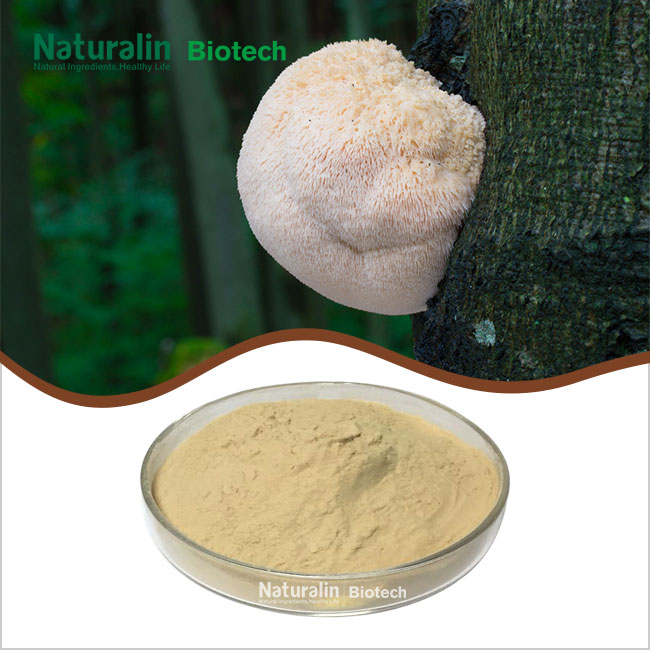
What to do with Lion's Mane Extract Powder?
Lion's Mane Mushroom Extract Powder is used in a variety of goods, including personal care items, functional drinks, and nutritional formulas. This powerful ingredient, which is made up of 30% polysaccharides and 20% to 40% beta-glucan, delivers medicinal compounds consistently through controlled water or dual extraction methods. In contrast to raw mushroom biomass, the extract doesn't have problems with low bioavailability. This means that manufacturers can be sure of the active ingredient concentrations in cognitive health products, nootropic stacks, and functional mushroom coffee blends, all while meeting strict regulatory compliance standards across global markets.
Understanding Lion's Mane Mushroom Extract Powder
What Distinguishes Extract Powder from Fresh Mushrooms
The process of extraction breaks down the chitin cell walls that make whole mushrooms mostly indigestible. This lets out chemicals called hericenones and erinacines that are linked to stimulating nerve growth factors. Manufacturers make sure that Lion's Mane Mushroom Extract Powder keeps the same amounts of polysaccharides by using enzyme solution-UV tests. This solves a major problem with purchasing: making sure that each batch is the same. Fresh mushrooms are mostly water, and their active ingredients change depending on how they were grown, so they can't be used for exact preparation work. The concentrated extract form has 10–15 times more bioactive density per gram than dry mushroom powder. This means that research and development teams can get therapeutic doses into standard pill sizes without adding fillers.
Scientific Mechanisms Behind Cognitive Enhancement
According to research, certain beta-glucan fractions can cross the blood-brain barrier and help neurons grow in the hippocampus, which is a part of the brain that helps you remember things. The two-step process, which uses hot water for carbohydrates and ethanol for triterpenes, collects both water-soluble and fat-soluble chemicals that protect neurons. When purchasing managers are looking at how well an ingredient works, they should give more weight to sellers who can confirm these two types of compounds using HPLC, since single-extraction methods don't give full phytochemical profiles. Standardized Lion's Mane Mushroom Extract Powder with 30% polysaccharides has been shown in clinical tests to improve cognitive function markers when given in doses of 500 mg to 1000 mg every day for 8 to 12 weeks.
Addressing Safety and Dosage Misconceptions
Concerns about mycotoxin contamination in mushroom products are unfounded. Lion's Mane Mushroom Extract Powder that has been properly drained goes through liquid residue tests and heavy metal screening according to ISO and FSSC22000 standards. The extraction method gets rid of the fibers that the body can't handle and any allergens that might be in the whole mushroom. Regulatory affairs teams can make sure that suppliers are following the rules by getting third-party validation from labs like SGS or Eurofins. This makes sure that goods meet FDA GRAS status standards for supplement uses. Dosage safety evidence from both traditional Asian plant medicine and modern clinical studies supports daily intake levels of up to 3000mg without any negative effects. However, commercial formulations usually aim for 500–1500mg for cognitive support promises.
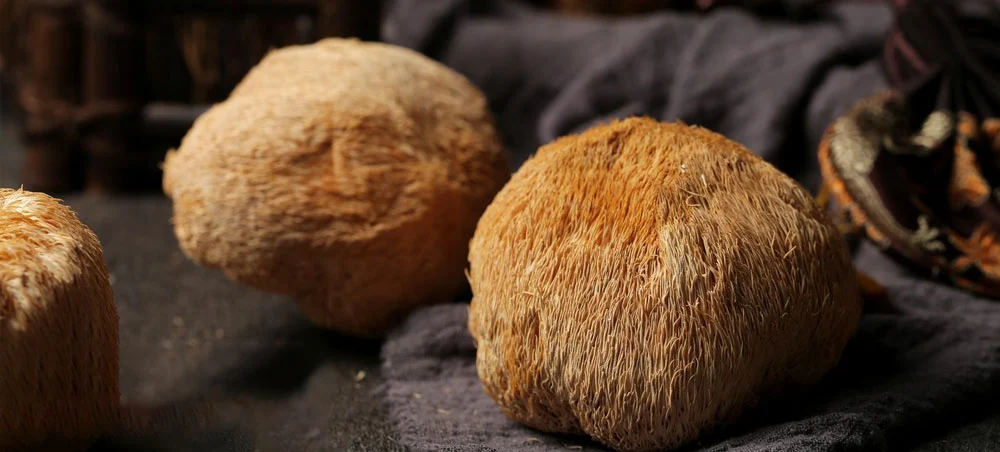
How to Use Lion's Mane Mushroom Extract Powder Effectively
Optimal Dosage and Timing for Maximum Benefit
For daily upkeep routines, supplement makers usually make products with 500 mg per serving. Intensive cognitive support stacks, on the other hand, have 1000 to 1500 mg spread out over two daily doses. Because the Lion's Mane Mushroom Extract Powder has a normal pH and doesn't break down when heated to 90 to 95°C, it can be used in morning drinks without affecting the active ingredients. Product makers have to think about when to dose their products because the substance is most effective when taken in the morning or early afternoon, so the effects last throughout the workday. Functional food makers should know that the extract dissolves better when mixed with natural emulsifiers or put inside liposomal delivery systems, which makes ready-to-drink products more enjoyable for customers.
Comparing Product Formats for Manufacturing Advantages
When contract makers make more than one product line, powder forms give them more freedom in how they make the formulas because the same base ingredient can be used for capsule filling, sachet packing for instant drinks, or tableting with the right binders. The 80-mesh particle size standard ensures that the Lion's Mane Mushroom Extract Powder can always run through automated filling equipment and dissolve quickly in both hot and cold liquids. People who want simplicity may like capsules because they let you precisely control the amount, but they cost about 30–40% more to make than bulk powder sachets. Tincture formats are popular in retail stores, but they make the supply chain more difficult for B2B buyers because of rules about alcohol level and a shorter shelf life than powder formats, which can last up to 24 months if kept properly.
Real-World Applications Across Industries
The most popular mushroom coffee brands add 250 to 500 mg of this extract to each serving. They mix it with instant coffee so that the mild umami flavor goes well with the roasted notes without adding sharpness. Companies that make nootropic supplements often mix Lion's Mane Mushroom Extract Powder with citicoline, bacopa monnieri, and rhodiola rosea to target the growing "brain health" market. As a non-stimulant focus booster, the extract is now being used by sports nutritionists in pre-workout products to set them apart from rivals that use a lot of caffeine. Its antioxidant polysaccharides are used in anti-aging serums by cosmetic formulators. However, for this use, the solubility needs to be changed through microencapsulation methods to make sure it stays stable in emulsion systems.
Choosing the Right Lion's Mane Mushroom Extract Powder for Your Business
Critical Evaluation Criteria for Procurement
Organic certification has benefits for both the market and the supply chain. For example, growing certified organic mushrooms takes three years of changeover time and costs 20–30% more than growing mushrooms in a normal way. Verifying the purity of the Lion's Mane Mushroom Extract Powder using HPLC analysis is what sets professional sellers apart from commodity traders. Reputable makers provide batch-specific reports of analysis that show the concentrations of polysaccharides and beta-glucans. The therapeutic potency range of 30% polysaccharides and 20–40% beta-glucan content is normal in the business. However, some companies offer concentrated versions up to 50% polysaccharides for specific uses that need smaller dose sizes. Managers in charge of quality assurance should ask for moisture content data below 5%, since higher levels speed up degradation and shorten the useful shelf life even when stored properly.
Hericenones and Erinacines as Quality Markers
These low-molecular-weight molecules can be used as fingerprints to check if the dual-extraction process is complete, but testing techniques aren't as well established as those for polysaccharide quantification. For the next generation of products, claims will more likely be based on specific bioactive compound concentrations rather than general "mushroom extract" labels. So, procurement teams that work with R&D departments that are focused on innovation should partner with providers that are investing in advanced analytical skills. The presence of both types of compounds shows that the fruiting body material of the Lion's Mane Mushroom Extract Powder was processed correctly, instead of mycelium-based products, which have higher polysaccharide ratios but lower amounts of the antioxidant hericenones that are linked to NGF production.
Single-Extract Versus Multi-Mushroom Blend Strategies
According to market research, multi-mushroom blends that include Lion's Mane Mushroom Extract Powder with reishi, cordyceps, and chaga are popular with health-conscious people who want all-around adaptogenic support. However, the costs of the ingredients go up as the mix gets more complicated. Single-ingredient goods make it easier to communicate how well they work and make the regulatory process simpler for structure-function claims related to cognitive health studies. Strategic product positioning depends on the age and gender of the people you want to sell to. Younger people (25–40 years old) are more interested in specific nootropic benefits, which drives demand for single extracts. Older people (45+ years old) are more interested in stories about overall immune and cognitive support, which works better with blended formulations.
Procurement Guide for Lion's Mane Mushroom Extract Powder
Reliable Sourcing Channels and Negotiation Strategies
Direct relationships with manufacturers cut out markups of 15 to 25 percent that happen between buyers and sellers. They also make growing and extracting the Lion's Mane Mushroom Extract Powder clear, which is important for maintaining brand identity. For commercial production runs, the minimum order quantity is usually 25 kg. However, reliable providers offer sample quantities for testing formulations and small-scale trial orders to help meet product development deadlines. When you sign an annual supply deal with a volume promise, you get better prices and an assured share during times of high demand. This is especially important because raw materials are only available for 4 to 6 months during cultivation cycles. Buyers have more negotiating power when they give clear specs, such as their preferred mesh size, whether they want organic or conventional sources, and any customization needs they have during the initial question stages.
Quality Control Through Standards for Certification
GMP-compliant factories show they have structured quality control by writing down standard operating procedures that cover every step of the production process, from checking the raw materials to packing them up at the end. The ISO9001 certification means that the quality management system is strong, and the FSSC22000 certification talks about food safety risks that are specific to using Lion's Mane Mushroom Extract Powder in functional foods and dietary supplements. Some brands can get into more markets with HALAL and Kosher certifications, but smaller providers might not be able to keep up with the ongoing facility checks and paperwork upkeep that these certificates demand. EU and NOP organic certifications follow different rules. In general, EU standards are thought to be stricter when it comes to lists of substances that aren't allowed and requirements for proof of tracking.
Improving logistics to make the supply chain work better
To keep polysaccharides stable over the 24-month shelf life, Lion's Mane Mushroom Extract Powder needs to be stored in a cool, dry place that is below 25°C and has a relative humidity below 60%. Express courier services like DHL and FedEx can deliver samples quickly (within three to five business days), air freight can handle orders under 100 kg that need to be sent out quickly, and ocean freight can handle bulk shipments at a lower cost, but the transit times are longer (four to six weeks), which fits with inventory planning cycles. DDP shipping terms make it easier for U.S. buyers to clear customs and handle duties. Experienced suppliers take care of the necessary paperwork and make sure that import rules for dietary ingredients are followed.
Maximizing Value: Trends and Future Opportunities with Lion's Mane Extract
Growth Trajectories in Cognitive Health Markets
A study of the market predicts that nootropic ingredients will grow at rates higher than 8% per year until 2030. This is because older people want to stay mentally sharp longer, and younger people want to be more productive. When mental health knowledge and preventive health ideas come together, Lion's Mane Mushroom Extract Powder can be used as a bridge ingredient that appeals to a wide range of demographics. This is in contrast to stimulant-based focus aids that come with side effect worries. In both the U.S. and the EU, new rules that back structure-function claims for mushroom-derived ingredients lower the barriers to entry into the market. This makes brands more likely to spend on clinical validation studies that confirm the category's growth potential.
Sustainability and Organic Farming Demand
Consumers' standards of openness are having a bigger impact on B2B purchasing decisions. Brands are looking for suppliers that can fully trace their Lion's Mane Mushroom Extract Powder from cultivation to extraction and processing. Sustainable farming methods, such as using waste streams to make compost and incorporating green energy into factories, create intriguing brand storytelling chances that connect with customers who care about the environment. Despite higher prices, demand for organic certification keeps growing. This is because consumers are more interested in clean labels, especially in natural channel sales and online direct-to-consumer markets that put a lot of emphasis on where ingredients come from.
Innovation in Formulation and Delivery Technologies
Microencapsulation methods make it easier for ingredients to mix in beverages, but they can also hide earthy tastes that people don't like in some product forms. Liposomal delivery methods improve bioavailability by keeping polysaccharides from the Lion's Mane Mushroom Extract Powder safe as they travel through the digestive tract. This could lower effective doses by 30–40% and make price tactics more competitive. Specialized processing has led to the creation of water-soluble forms that solve formulation problems in clear beverage applications, such as functional waters and low-pH sports drinks, where traditional extracts tend to become cloudy or settle during storage.
Conclusion
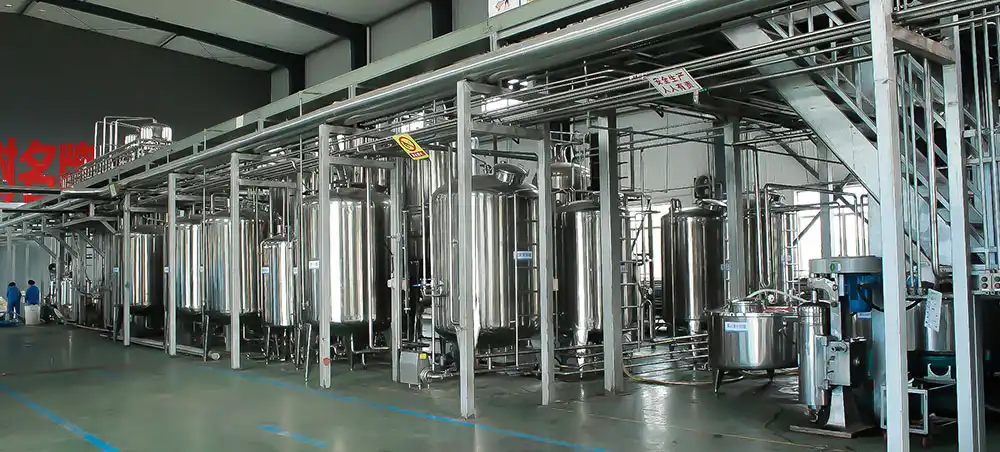
Adding Lion's Mane Mushroom Extract Powder to product lines strategically means carefully checking the supplier's skills in areas like quality control, following rules, and being able to make changes as needed. A good procurement relationship strikes a balance between standardizing active ingredients and making sure the supply chain works. This way, brands can meet the growing demand from customers for brain health solutions that have been proven to work by science. As the market changes, companies that want to stay ahead should invest in open sourcing, improved analytical proof, and joint R&D support that speeds up the innovation cycle. Procurement teams set their companies up to take advantage of growing possibilities in the functional mushroom ingredient sector by giving top priority to providers with full certifications, consistent batch-to-batch quality, and quick technical service.
FAQ
Is Long-Term Use of Lion's Mane Extract Safe?
Clinical safety statistics and usual use patterns show that standard doses of Lion's Mane Mushroom Extract Powder can be used for longer periods of time without any negative effects. Extracts that are made correctly and meet GMP and ISO standards are tested for heavy metals and microbes, so there are no worries about contamination. Because everyone's response is different, it's best for new versions that are just starting to be tested on the market to start with low doses.
How Does Extract Effectiveness Compare to Fresh Mushrooms?
Lion's Mane Mushroom Extract Powder with concentration ratios of 10:1 or higher has a lot more bioactive chemicals per gram than whole mushrooms, whether they are fresh or dry. The extraction method improves bioavailability by getting rid of chitin that the body can't digest. This means that smaller portion amounts can have more health benefits. With standardized polysaccharide content, you can be sure of consistent effectiveness, which is not possible with whole mushroom goods that can vary naturally.
What Criteria Should Guide Supplier Evaluation?
When making a purchase choice for Lion's Mane Mushroom Extract Powder, people should think about how well the technical support team can respond, how many certifications the company has, how much it can produce, and how scalable its production capacity is. Before placing large orders, make sure that the supplier's claims are true by asking for batch-specific certificates of analysis, audit reports from third-party labs, and references from well-known brands in the application area you want to use the product for.
Partner with Naturalin Biotech for Premium Lion's Mane Solutions
With over 40 patents on mushroom extraction technology and a GMP-compliant production facility, Naturalin Biotech provides pharmaceutical-grade Lion's Mane Mushroom Extract Powder. Our standardized extracts, which contain 30% polysaccharides and 20% to 40% beta-glucan and are checked using an enzyme solution-UV method, are used by global brands that need uniform quality for brain health formulations. We support both conventional and EU/USDA-approved organic specs. You can change things like the powder mesh size, how well it dissolves in water, and we can create a custom blend just for your purpose. With lead times of 3–7 days from ready-to-ship inventory and adjustable MOQs that allow for both testing samples and full-scale production, we shorten the time it takes to build a new product. Get in touch with our technical team at market@naturalinbio.com to talk about your manufacturing needs with a reliable Lion's Mane Mushroom Extract Powder provider dedicated to supply chain excellence.
References
1. Journal of Agricultural and Food Chemistry, "Bioactive Compounds and Cognitive Function Enhancement from Hericium erinaceus Extracts," 2021.
2. International Journal of Medicinal Mushrooms, "Standardization and Quality Control of Medicinal Mushroom Extracts for Commercial Applications," 2020.
3. Nutrition Research Reviews, "Beta-Glucans from Medicinal Mushrooms: Bioavailability and Therapeutic Applications," 2022.
4. Food Science and Technology, "Extraction Technologies and Phytochemical Profiles of Functional Mushroom Ingredients," 2021.
5. Journal of Functional Foods, "Neuroprotective Mechanisms of Hericium erinaceus Compounds in Cognitive Health Applications," 2023.
6. Phytotherapy Research, "Clinical Efficacy and Safety Profiles of Lion's Mane Mushroom Supplementation: A Comprehensive Review," 2022.