What Should Buyers Consider When Sourcing Garlic Extract Powder?
When sourcing garlic extract powder, buyers need to evaluate several factors simultaneously: active compound standardization, supplier certifications, formulation compatibility, regulatory compliance, and supply chain reliability. Unlike culinary garlic powder, garlic extract powder is a biochemically concentrated ingredient—primarily delivering organosulfur compounds such as Allicin, Alliin, and S-allylcysteine (SAC). For B2B procurement teams in nutraceuticals, food manufacturing, cosmetics, or animal nutrition, selecting the wrong supplier can directly impact product performance, batch consistency, and market compliance. Getting this decision right from the beginning saves significant time and resources.
Understanding Garlic Extract Powder: Key Basics for Buyers
Before looking at providers, it's helpful to know what makes a good botanical extract different from a basic commodity ingredient.
What Makes It Different from Garlic Powder?
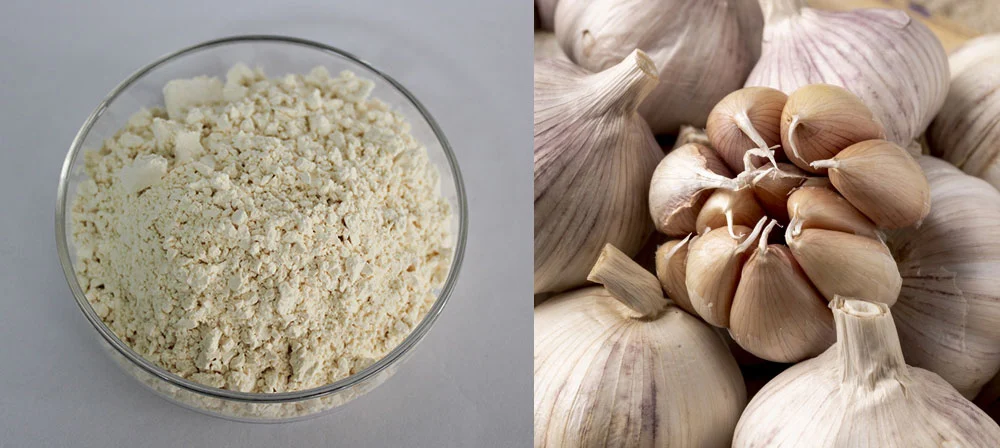
Controlled solvent extraction, usually with water or ethanol-water mixtures, is how garlic extract powder is made. Normal garlic powder for cooking is just dried and ground plant matter. The extract form has a standard, measurable potency that is important for supplement and functional food formulations that need to make sure that dosages are the same from batch to batch.
Key Bioactive Compounds and Their Functions
Allium sativum L. products contain three main active ingredients: Allicin (which kills germs and helps the heart), Alliin (which is a stable form of Allicin), and SAC (which is an antioxidant and neuroprotectant). Researchers who wrote an article in the Journal of Nutrition have found that garlic can help keep blood pressure and cholesterol profiles healthy. The specification and extraction method you should ask for depend on the compound your application needs.
Application Scope Across Industries
Garlic extract powder can be found in a variety of goods, including dietary supplements, functional drinks, clean-label foods, formulations of cosmetic antioxidants, and pet food supplements. The particle size, solubility, smell, and active concentration need to be different for each application. A formulator making a chewable tablet needs a lot of different ingredients than a beauty brand looking for antioxidants.
Core Criteria for Evaluating Garlic Extract Powder Suppliers
The provider you pick affects every choice that comes after, from the stability of your formulation to your legal standing in target markets.
Certifications and Quality Standards
Any seller of garlic extract powder that you can trust should have certifications that are known around the world. Check to see if they meet the basic standards for ISO 9001, FSSC 22000, HACCP, and GMP. Certifications like HALAL, Kosher, and organic qualifications (NOP/EU organic) add a lot of value to goods that are going to be sold in the EU or the US. Laboratories like SGS, Eurofins, or NSF do third-party testing to make sure that safety and effectiveness claims are true.
Testing Methods and Batch Consistency
Analytical methods should be used to confirm the concentration of the active ingredient. UV spectrophotometry is the usual way to check the amount of allicin in garlic for most business needs. When compound profiling needs to be done at a higher resolution, HPLC is used. Buyers should ask for certificates of analysis (CoA) for more than one production batch to see how consistent the product is over time, not just for one shipment of samples.
Supply Chain Transparency and Raw Material Traceability
A reliable supplier keeps track of raw materials from the time they are grown to the time they are processed. Supply continuity is better when suppliers run controlled farming sites or keep long-term ties with verified farmers. Changes in the harvesting season of Allium sativum can affect the amounts of active compounds. Because of this, suppliers who keep an eye on agriculture are better able to meet regular requirements all year.
How to Choose the Right Garlic Extract Format for Your Application?
To choose the right physical format and standard, you need to make sure that the qualities of the ingredients match the needs of the final product.
Powder Specifications and Mesh Size
Garlic extract powder that is standardized usually comes in particle sizes of 60 Mesh or 80 Mesh. Manufacturers with a lot of experience can make custom mesh options. It's easier for fine mesh powders to melt in drink mixes, while larger grades work better for filling tablets or capsules. Active content standards usually cover 1% to 5% Allicin, but broad-spectrum extracts can cover 10% to 60% PAC, based on how well the provider can extract it.
Deodorization and Sensory Customization
Garlic smell is one of the most important things to think about when making supplements and foods. Advanced deodorization technology gets rid of the volatile mercaptan compounds that cause strong smells. This leaves behind odorless or barely detectable extracts that can still be used in softgels, chewables, or drinks. Buyers should ask providers directly if deodorized versions are available and how the deodorization process is checked to make sure it doesn't harm the bioactive purity.
Customization for Specific Dosage Forms
Different dosage forms, like capsules, granules, pressed tablets, and functional beverages, need different flow and solubility profiles for garlic extract powder. Formulators have a lot of freedom when it comes to choosing suppliers that offer full customization across powders, grains, liquids, and both water- and oil-soluble forms. Co-development skills that include sensory, solubility, and functional development cut down on revision cycles and speed up time to market when working with an OEM or contract producer.
Comparing Supplier Offerings and Market Options
The companies that make garlic extract range from small regional makers to big plant ingredient companies that make everything they make. Price by itself is not a good way to make a choice.
Evaluating Supplier Experience and Technical Depth
A seller with more than 20 years of experience making plant extracts can help with more than just providing raw materials. This means they know how the finished product will be used, have managed large-scale batch production, and can make suggestions about dosage forms based on data. People who hold patents and help set industry standards, like writing national extract standards, show that they have real scientific knowledge that leads to better products for buyers.
Price vs. Value Analysis
While cost per kilogram is important, it should be looked at in light of active chemical output, batch stability, and the supplier's ability to handle supply problems. If you buy from a supplier whose prices change all the time, you may end up paying more overall because you have to redo the formula, the quality checks fail, or the launch is pushed back. Procurement managers can make accurate comparisons when prices are clear and separate the costs of raw materials, processing, and shipping.
Evaluating Samples Before Committing to Volume
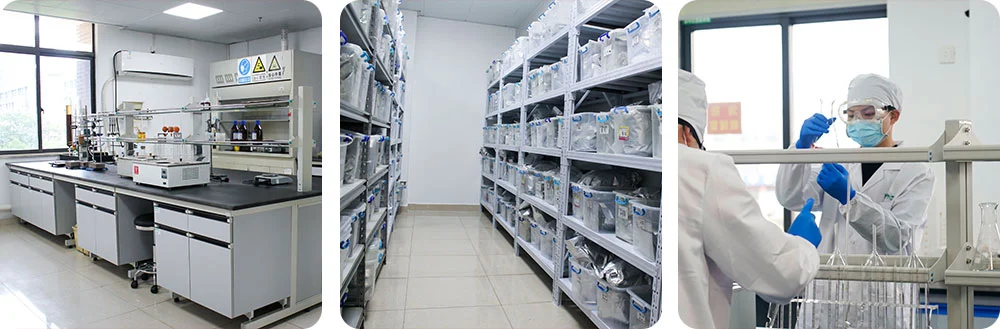
Most professional sellers offer sample numbers before committing to large orders of garlic extract powder. By asking for trial samples, your R&D team can make sure that the formulation works with the claims made in the COA under the conditions of your own lab, and they can also test the sensory properties. For first production runs, a normal business MOQ of 25 kg is a good amount. This will give your team enough material for pilot batches without overcommitting inventory.
Procurement Best Practices: Bulk Ordering and Supplier Management
To do good buying, you need to do more than just find a good product. You also need to manage your whole relationship with your seller.
Lead Time and Inventory Planning
For well-known botanical extract providers, a reasonable lead time for ready-stock items is three to seven business days. Lead times for special recipes will depend on how they need to be processed. Building up a backup stock based on your production cycle and shipping travel time—whether it's by DHL/FedEx express, air freight, or ocean container—avoids production gaps during times of high demand.
Import Compliance and Documentation
When plant extracts are shipped across borders, they need to be accompanied by correct paperwork, such as a COA, an MSDS, phytosanitary certificates, and, if necessary, organic certification paperwork. Buyers looking for goods to sell in the US should make sure that their suppliers know about FDA rules for importing goods and can quickly provide the right paperwork. Suppliers who offer DDP (Delivered Duty Paid) service make things easier for buyers who don't know much about customs.
Contract Terms and Long-Term Supplier Relationships
Both parties are protected when clear payment terms, good dispute resolution processes, and minimum delivery guarantees are negotiated. Long-term supply deals with price bands that are tied to raw material trends make purchases less volatile. Suppliers who answer questions within 24 hours and make it easy to see how the production is going show the operational discipline that keeps partnerships strong.
Conclusion
It takes more than just comparing price lists to find garlic extract powder that works. Buyers need to look at how standardized the active ingredients are, how well the seller is certified, how well they can customize the formulation, and how stable the supply will be in the long run. Over time, the best suppliers are those who combine technical know-how with openness about how things work. Using the criteria in this guide, procurement and R&D teams can make sourcing choices that support consistent product quality, following the rules, and being sure of where they stand in the market.
FAQ
What is the difference between garlic extract powder and regular garlic powder?
Regular garlic powder is dehydrated and ground whole garlic. Garlic extract powder is produced through solvent extraction to concentrate specific bioactive compounds—primarily Allicin, Alliin, and SAC. The extract form delivers measurable, standardized potency suitable for supplement and functional product applications where dosage accuracy is required.
What specification should I request for supplement applications?
For dietary supplements, commonly requested specifications range from 1%–5% Allicin by HPLC. Broader functional extract specifications may go up to 10%–60% PAC. The appropriate level depends on your target dosage per serving and the delivery format. Consulting directly with your supplier's R&D team helps match specification to application.
How do I verify the quality of a garlic extract supplier?
Request batch CoAs tested by recognized methods (UV or HPLC), ask for third-party test reports from laboratories such as SGS or Eurofins, and confirm ISO, GMP, and FSSC 22000 certifications. Ordering a trial sample before placing a commercial order is standard practice.
Is deodorized garlic extract as effective as standard extract?
Properly processed deodorized garlic extract retains its core bioactive compounds—including Alliin and SAC—while removing the volatile sulfur compounds responsible for odor. When deodorization is validated analytically, efficacy is maintained. Always request supporting data confirming active compound retention post-deodorization.
What is the typical shelf life and storage requirement?
Standard shelf life for garlic extract powder is 2 years when stored in a cool, dry environment away from light and moisture. Packaging in moisture-barrier bags with desiccants is recommended for bulk orders.
Partner with Naturalin Biotech for Your Garlic Extract Powder Supply
Naturalin Biotech is a reliable company that makes garlic extract powder. They have been making plant ingredients for more than 20 years, have more than 40 production patents, and have worked with global brands in the food, personal care, and nutritional industries. Our garlic powder comes in 60 Mesh and 80 Mesh sizes, with PAC ranging from 10% to 60%, full deodorization, solubility customization, and a commercial minimum order quantity (MOQ) of 25 kg. It has ISO 9001, FSSC 22000, HALAL, Kosher, and EU organic certifications. You can visit naturalinbio.com or email us at market@naturalinbio.com to ask for samples or talk about your product needs.
References
1. Amagase, H., et al. "Intake of Garlic and Its Bioactive Components." Journal of Nutrition, 2001.
2. Bayan, L., Koulivand, P. H., & Gorji, A. "Garlic: A Review of Potential Therapeutic Effects." Avicenna Journal of Phytomedicine, 2014.
3. Ried, K., et al. "The Effect of Aged Garlic Extract on Blood Pressure and Other Cardiovascular Risk Factors in Uncontrolled Hypertensives." Maturitas, 2010.
4. Borlinghaus, J., et al. "Allicin: Chemistry and Biological Properties." Molecules, 2014.
5. Rahman, K., & Lowe, G. M. "Garlic and Cardiovascular Disease: A Critical Review." Journal of Nutrition, 2006.
6. International Organization for Standardization. "ISO 9001:2015 Quality Management Systems — Requirements." ISO Standards, 2015.