What Should Buyers Consider When Sourcing Echinacea Extract Powder in Bulk?
Before looking at prices, people who want to buy Echinacea Extract Powder in bulk should make sure of five things. The standard marker levels checked by HPLC or UV, the supplier's quality and compliance documents, the true cost and delivery terms, and the fit with the final application are some of the things that are important. A clear specification protects batch consistency, compliance with regulations, and the efficiency of production. I use simple language to explain each checkpoint in this guide. I also show how Naturalin Biotech records our Echinacea purpurea extract so that the purchasing, research and development, and quality assurance teams can make smart choices.
Define the Product and Technical Specification First
Know What "Echinacea Powder" Really Means
Echinacea powder can be a lot of different things. Milled herb is the result of grinding plant tissue with no additions. Extraction and drying with a solvent results in a dry extract that concentrates the active compounds. Some spray dried products also contain carriers. Each type has its own strength, color, taste and solubility. Two quotes with the same name might not be the same. In a 2001 study published in the Journal of Agricultural and Food Chemistry, researchers found that the phytochemical content of echinacea depends on the species, part of the plant, and processing method. This is why I always advise buyers to include species, plant part, extraction method and marker targets on every request for quote.
Write a Measurable Technical Specification
Once preferences are recorded, they become release criteria. I think it would be useful to include marker ranges, test methods, mesh size, moisture, microbiological limits, heavy metal limits, solubility requirements and sensory targets. Tell us if the powder has to be dissolved in water, spread out in a liquid or stay in a dry mix. Link each thing to the right dosage form, e.g. pills, capsules, granules, instant drinks or pressed candies. And if the specification is measurable, the QA team and the purchasing team can agree to accept or reject each lot without argument. Sample rounds are shorter too as the supplier knows who you want to reach from the first message.
Check Our Echinacea Extract Specification
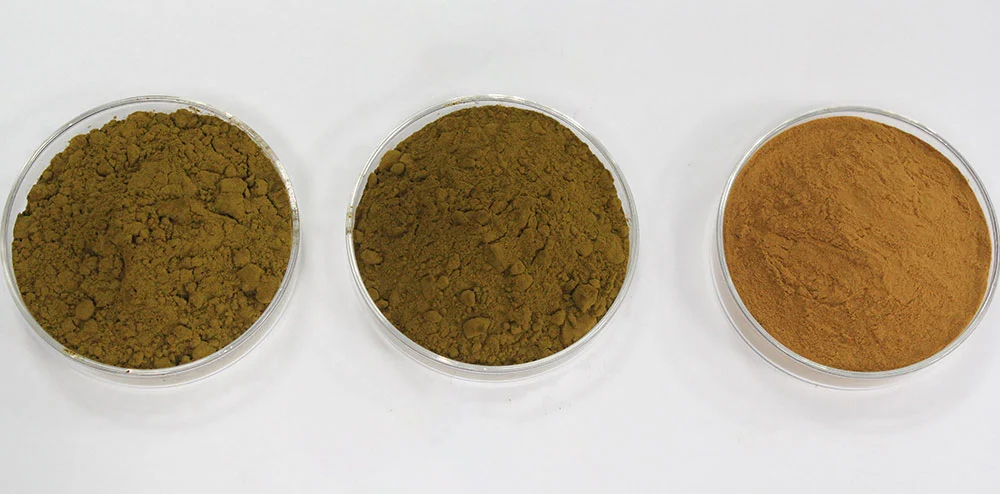
This is how we grade the quality of our Echinacea Extract Powder. Our Echinacea Extract Powder is sourced from Echinacea purpurea (Linn.) Moench and is UV and HPLC tested for its active compounds content, which includes 4% polyphenols and 2% to 4% cichoric acid. Our Echinacea Extract Powder is available in powder form with customized particle size (80-mesh, 60-mesh, or others as per different manufacturing requirements). The product is stable for 2 years, under the proper storage conditions. Echinacea Extract Powder is widely used in dietary supplements, functional beverages, health foods and cosmetic formulations. As a 2015 article published in Pharmacognosy Reviews says, cichoric acid is one of the main phenolic compounds in Echinacea purpurea . It is an important quality indicator for many buyers evaluating Echinacea Extract Powder . buyers can use these specifications to judge product quality, consistency and suitability when comparing technical data sheets from different suppliers. Checking the polyphenol content, cichoric acid concentration, particle size, and testing methods can ensure that the Echinacea Extract Powder you select will be well suited to the needs of your application.
Verify Quality, Testing, and Compliance Before You Order
Request a Batch-Specific COA With HPLC Data
It is important that a Certificate of Analysis is linked to a specific lot and not just any product page. Check each result for identity, marker content, moisture, microbiology, heavy metals, and the name of the test method next to it. For cichoric acid and polyphenols, find out if the value comes from UV, HPLC, or both. Numbers can be different depending on the method used. Under the rules of HACCP and GMP, our lab uses HPLC, TLC, UV, and AAS. We also send products to outside labs like NSF, SGS, and Eurofins on a regular basis. A supplier who won't give you a recent lot report or method details should be seen as a red flag.
Match Certifications to the U.S. Market
Dietary supplement companies in the U.S. have to follow FDA rules found at 21 CFR Part 111. These rules say that you have to make sure that each food ingredient is what it says it is. They will only let you rely on a supplier's COA after you have checked out that supplier and checked the COA's accuracy several times. So paperwork is important. Naturalin is certified by ISO9001, FSSC22000, GMP, HALAL, and Kosher. They can also get organic status if they want to. There are also EU and NOP certificates for this product. Before you sign, make sure that each copy is up-to-date and covers the same product, site, and time period.
Insist on Traceability and Change Control
You can trace a lot of things back to where they came from, and change control lets you know when something changes. As the supplier, how do you keep track of where the raw materials come from? Who approves changes to the solvent, plant part, or process? How do customers get notice? Stable supply is also supported by source control. Since 2019, Naturalin has had an industrialized organic planting base, and our own organic farming bases offer long-term supplies for a number of botanical lines. People who want to buy echinacea should still ask for proof that their lot came from a certain place. Set a time frame for being notified of any changes to the specifications, and keep samples from each lot you receive.
Compare Suppliers on Total Cost and Supply Capability
Look Beyond Price per Kilogram
A low quote may hide costs. The total landed cost includes the testing, packaging, freight, duties, customs handling, storage and the cost of lots that are rejected or don’t measure up. You may need to use more of a cheaper powder with less marker in each serving, which makes the cost per dose higher. “Don’t just look at cost per kg; look at cost per unit marker.” Also, be sure to know what each quote is for. For the U.S. market, we offer DDP door-to-door with duties and customs handled in one quote, making the budget clearer for purchasing managers.
Check Capacity, Lead Time, and Shipping
Stock, production scale, and logistics all play a role in how long supplies last. Learn about the available stock, the usual lead time, and the shipping options. We always have Echinacea Extract Powder in stock, and the lead time is usually between 3 and 7 business days. You can ship with DHL/FedEx, by air, or by ocean freight. Every year, Naturalin makes more than 1,000 tons of natural ingredients, which helps them keep getting orders for all of their products. Share your forecast with the supplier so they can plan ahead and get stock before a busy time of the year.
Confirm MOQ, Packaging, and Shelf Life
The cost of inventory is based on business terms. We offer samples and small trial orders so teams can try before they commit. Our commercial MOQ is 25 kg. The shelf life is two years, but make sure you get written instructions on how to store it and follow them. Ask the supplier to list the different types of packaging, describe how the powder is kept dry and protected from light and moisture, and list the labels that are on each container. When powder takes in water, it can clump together and stop flowing, which slows down the encapsulation lines. Plan to reorder so that you can open new lots before they go bad.
Match the Ingredient to Your Application and Customization Needs
Capsules, Tablets, and Granules
For them, the key factors in making dosage forms are consistency of assay, low moisture, flowability and compatibility with excipients. We have 80 mesh and 60 mesh and they are all the same size. These sizes help the powder mix evenly and keep the weight of the capsules the same. For tablets and pressed candies, ask for a trial blend so your team can see how hard and compressed it is. Echinacea and other ingredients often have the same formula, so make sure your recipe works with echinacea and stays stable. Our team has 20+ years of experience with nutritional ingredients and can help with capsules, granules, tablets and pressed candies.
Beverages, Health Foods, and Cosmetics
Solubility, taste and color are more important for liquid and food applications. Standard extracts may leave behind sediment, and echinacea can make things taste bitter and tingle. Let the supplier know whether you need water-soluble, water-dispersible or oil-soluble performance, and whether decolorization or deodorization would be useful. We are able to do these changes and also micro-encapsulation, water solubility and dispersibility and polysaccharide purification technology. If you are making cosmetics, test the color and smell of the powder in your base. Pet and feed purchasers should look for evidence of product use on animals, and have a qualified person verify and approve any dosage or label claim.
Private Label, OEM/ODM, and Formulation Support
Some buyers buy Echinacea Extract Powder just to use as a bulk ingredient, some need help to create a finished product. For either buying option, you’ll want to clarify in advance who’s responsible for what, minimum order quantities (MOQs) and applicable labeling requirements. Our R&D process of Echinacea Extract Powder starts with customer requirements discussion, technical feasibility assessment. It then proceeds through solution design, sample testing, process validation, mass production and post-sales customer support. We customize the solubility, sensory profile, product form and concentration of Echinacea Extract Powder to suit the application, offering powder, granules or liquid formats to suit various formulation requirements. We also hold a patent for Echinacea extract and are involved in the establishment of social organization standards for Echinacea extract in 2023. These capabilities enable the development and standardization of Echinacea Extract Powder for various market needs. Customers can track the whole project and receive information on progress of development, test results, production arrangements and delivery schedules, etc. So that communication is clear from the initial inquiry to the final supply of Echinacea Extract Powder.
Follow a Practical Procurement Process and Build Trust
Move From Sample to Pilot to Commercial Order
With a staged path, the risk is lower and more evidence is built at each step. I think you should do these three things:.
Sample review: Request a sample with its batch COA and compare the marker content, solubility, taste and color against your specification. Do your own HPLC or UV check and record your results in your supplier file to give QA a baseline for future lots.
Application Trial: Mix the sample into your actual formula and test flow, compression, dissolution and stability. Bring R&D, QA and production in early to make sure that each team can make the powder work on their equipment. If you alter the excipients, repeat the trial.
Pilot and first order: Start with a small trial order and then a first commercial order at the 25kg minimum. Check each shipment against the spec. Review supplier performance on the first three to five lots before increasing volume. Record any deviations.
These steps give the QA and purchasing teams a way to share proof before the volume grows.
Build a Weighted Supplier Scorecard
A scorecard helps to make fair decisions especially when people from different departments are involved in the decision making. Please list the following key factors that are important to you: price, minimum order quantity (MOQ), lead time, packaging, service and identity control. Give each a weight that shows how important it is to you. A regulated supplement company might focus more on QA items, whereas a beverage company might focus more on solubility. Do not use sales claims to determine how you should rate each supplier. Use sample data and document instead. Look at the scorecard after the first few lots, because what you actually get is not always what was promised in a quote.
Evaluate Technical Support and Factory Transparency
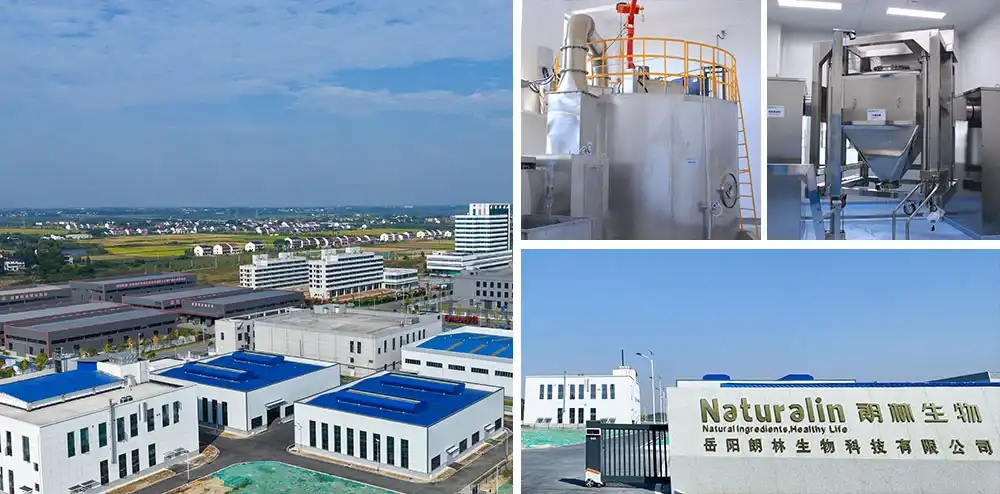
Development time is cut down by good technical support. Before you buy, send a detailed question and keep track of how quickly and clearly the seller responds. Within 24 hours, our team answers questions and requests for online help. We offer video factory tours and in-person visits, and we meet customers in person at global trade shows. Naturalin Biotech was started in 2017 as a branch factory of Naturalin Bio-Resources, which has been around since 2006. We helped to create the Hunan Plant Extracts Association and were added to the NEEQ in 2018.
Conclusion
Finding Echinacea Extract Powder in bulk comes down to details that can be checked. Because milled herb and standardized extract act in different ways, buyers must first have a clear idea of what they are buying, including the species, plant part, extraction method, and marker targets. Those goals become release criteria when they are written down and accompanied by named test methods. There are batch-specific COAs, HPLC or UV data, matching certificates, and traceability records that show if each lot meets the requirements and complies with FDA identity rules. When comparing prices, it's more useful to look at the total cost, lead time, MOQ, packaging, and shelf life. Tests of how well a grade works in capsules, drinks, foods, or cosmetics are called application trials. Sample, pilot, and commercial lots are used in a step-by-step process to lower risk, and a weighted scorecard makes sure that the final choice is based on facts.
FAQ
How is Echinacea extract different from echinacea herb powder?
Herb powder is made from ground plants. To get more of its markers, an extract is extracted with a solvent and then dried. Ours has been tested by UV and HPLC and found to have 4% polyphenols and 2% to 4% cichoric acid.
What are the MOQ and lead time?
You can get samples or place a small test order. As long as you have 25 kg in stock, the lead time is usually 3–7 working days.
Can the powder be used in beverages?
If you pick the right grade, it can. Tell us if you need performance that dissolves in water or that spreads out in water, and we'll be able to change the solubility and sensory profile as the product develops.
How long does it last?
If you store it the way the COA says to, it will last for two years.
Which certificates can I request?
We have documents that are ISO9001, FSSC22000, GMP, HALAL, and Kosher. Organic status is not required.
Request Echinacea Extract Powder Samples From Naturalin Biotech
Standardized Echinacea Extract Powder from Naturalin Biotech has 4% polyphenols and 2% to 4% cichoric acid. We have more than 40 patents, ready stock, DDP delivery to the U.S., and formulation support, which are some of our strengths. Send your target specification, application, and annual volume to market@naturalinbio.com if you are looking for a company that makes Echinacea Extract Powder. Within 24 hours, we'll get back to you with sample options, the MOQ, and prices. Visit naturalinbio.com to find out more.
Please note: All products and related services on this website are offered exclusively to corporate clients. We do not accept orders from individual buyers or retail orders.
References
1. Journal of Pharmacy and Pharmacology, 2005 – Barnes et al., a review of the chemistry, pharmacology, and clinical properties of Echinacea species.
2. Cochrane Database of Systematic Reviews, 2014 – Karsch-Völk et al., "Echinacea for preventing and treating the common cold."
3. Pharmacognosy Reviews, 2015 – Manayi et al., "Echinacea purpurea: Pharmacology, phytochemistry and analysis methods."
4. Journal of Agricultural and Food Chemistry, 2001 – Perry et al., "Echinacea standardization: analytical methods and phytochemical variation."
5. Journal of Pharmaceutical and Biomedical Analysis, 2004 – Pellati et al., analysis of phenolic compounds and radical scavenging activity of Echinacea spp.
6. Federal Register, 2007 – U.S. Food and Drug Administration, Current Good Manufacturing Practice for Dietary Supplements (21 CFR Part 111).