What Defines Premium Quality Rosemary Extract Powder For Bulk Buyers?
Premium quality rosemary extract powder is defined by precise standardization of bioactive compounds, rigorous quality control, and adherence to international compliance standards. For bulk buyers in nutritional products, food, cosmetic, and animal nutrition sectors, selecting superior rosemary extract hinges on verified concentrations of carnosic acid (10%-50%), rosmarinic acid (5%-20%), and ursolic acid (up to 50%), validated through HPLC testing. Beyond active ingredient levels, premium extracts exhibit consistent batch performance, thermal stability up to 200°C, and clean-label authenticity backed by certifications like ISO9001, FSSC22000, HALAL, and Kosher. Understanding these quality benchmarks enables procurement managers and R&D scientists to secure ingredients that deliver reliable efficacy, regulatory compliance, and formulation compatibility across diverse industrial applications.
Understanding Premium Quality Rosemary Extract Powder
Purity Levels and Active Compound Concentrations
The biochemical profile of high-quality botanical extracts is what makes them work. Three main bioactive compounds are standardized in high-quality Rosemary Extract Powder: carnosic acid, rosmarinic acid, and ursolic acid. Carnosic acid is the main antioxidant and its concentrations range from 10% to 50% in powder form and from around 10% to 20% in oil-based extracts. Rosmarinic acid, found in concentrations ranging from 5% to 20%, provides additional antioxidant and protective functional propertiesAt a concentration of 50%, ursolic acid offers specific functional benefits for metabolic wellness applications.High-Performance Liquid Chromatography (HPLC) is the only way to measure these substances. Its accuracy and repeatability are unmatched by UV or TLC methods.
Physical Specifications and Industrial Applicability
Mesh size has a big effect on how well formulations and dispersions work together. Premium providers give basic particle sizes of 80 mesh or 60 mesh, and they can be changed to fit specific needs. The powder's solubility profile is also important. Types that dissolve easily in oil can be used in lipid-based formulations, while types that dissolve easily in water can be used in beverage and water-based supplement systems. Thermal stability is still very important because good extracts keep their effectiveness at processing temperatures of up to 240°C (200°C). This means they can be used in baking, extrusion, and other high-temperature industrial processes without breaking down.
Certification Standards and Clean Label Requirements
Real luxury extracts have a lot of third-party certificates that back up their claims of quality. EU organic certification (NOP) and non-GMO proof meet the needs of consumers for openness. Manufacturing standards like ISO9001, GMP, and FSSC22000 show that quality control is done in a planned way. Religious food certifications, like HALAL and Kosher, make the market bigger. These certificates aren't just pieces of paper; they show that you've been checked to make sure that strict production rules, tracking systems, and contamination control measures are being followed. These protect the purity of your final product and your brand's image.
Common Quality Challenges in Bulk Procurement
When buying plant products, procurement teams often run into a number of quality problems. Adding cheaper plant materials or synthetic chemicals hurts the product's effectiveness and regulation standing. Changes in the levels of active compounds from batch to batch affect the consistency of the formulation and the performance of the product. Safety risks come from microbial contamination caused by poor processing controls. Compliance problems are caused by heavy metals left over from bad farming methods. Uneven moisture levels can make a shelf less stable and cause things to break down too quickly. Knowing about these risks helps buyers set up the right procedures for checking out suppliers and making sure the quality of the goods they buy.
How Bulk Buyers Can Evaluate Rosemary Extract Powder SuppliersVerification of Essential Certifications
Verification of certification is the first step in evaluating a supplier. GMP certification proves that manufacturing environments are controlled and that there are written procedures for keeping things clean, maintaining equipment, and training staff. ISO9001 shows that all of an organization's processes are managed with structured quality management. FSSC22000 talks about food safety management in detail, which is important for ingredients that end up in food chains for people to eat. Ask for current certificates with valid end dates, and use the websites of the granting bodies to make sure they are real. Suppliers with more than one certification usually have stronger quality systems than those with less paperwork.
Lab Testing Transparency and Batch Traceability
Reliable sellers give full Certificate of Analysis (COA) paperwork for each batch, which includes information on the amount of active compounds, the number of microbes, heavy metal screening, pesticide residues, and physical factors. These certificates of analysis (COAs) should come from the supplier's own lab and include third-party approval from well-known testing centers like SGS, Eurofins, or NSF. Integrity in the supply chain is shown by batch tracking systems that connect finished extract to source raw materials. When evaluating a supplier, ask for sample COAs and find out how often they test. Premium manufacturers test every production batch instead of just sampling from time to time.
Market Reputation Assessment
Credibility of the supplier goes beyond paperwork. Staying in the same industry for a long time shows security and knowledge—companies that have been around for more than 20 years usually have well-honed processes and established quality cultures. Customer reviews from well-known brands in your business can help you prove that your product or service works. Going to foreign trade shows shows that you are open and interested in the market. Patent files, like having 40 or more production patents, show that you can come up with new ideas and are good at using technology. Being a member of industry groups and playing a part in setting standards, like writing national commercial standards, shows leadership and dedication to the growth of the sector.
Logistics and Supply Chain Capabilities
Having the right transportation system is needed to keep quality high while it's being shipped. Look at the different shipping options. DHL, FedEx, air freight, and ocean shipping are all good for different types of orders and levels of urgency. Consistent lead times affect production planning, and the best suppliers keep stock on hand for delivery in 3–7 business days. Standards for packaging must guard against getting wet, being exposed to light, and being damaged while being handled. Minimum order quantities show how much a product can be made. Suppliers that offer sample sizes and trial quantities under 25 kg show that they can be flexible during the product development phase while still keeping commercial order efficiency at standard MOQ levels for Rosemary Extract Powder.
Comparative Analysis for Informed Procurement Decisions
Product Form Comparisons
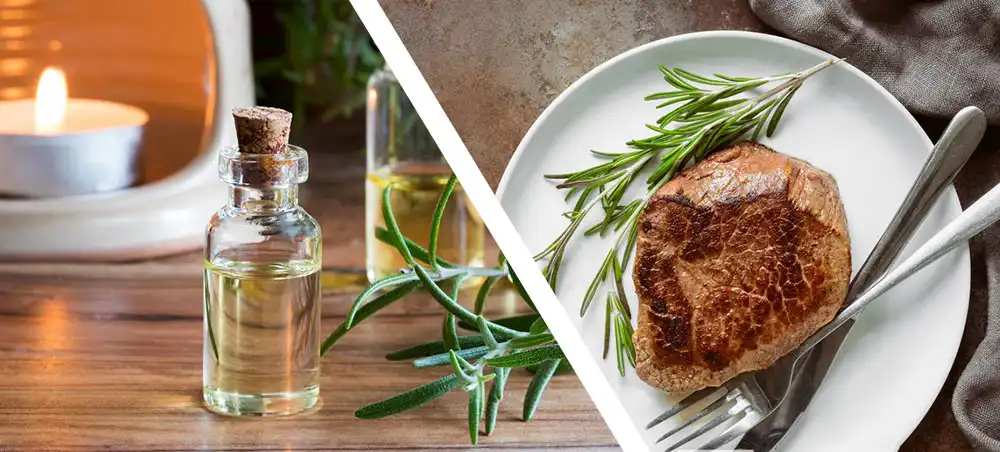
Understanding the differences in formats helps you get the most for your money. Rosemary Extract Powder has a lot of concentrated active ingredients that stay stable for a long time (usually two years), make dosing easier, and mix easily into solid forms like capsules, tablets, and pressed candies. Oil-based extracts dissolve better in lipid media, but they need to be handled carefully because they are easily oxidized. Because there are fewer active compounds in whole leaf powder, higher inclusion rates may change the way foods taste. Fresh rosemary is not standardized and does not stay stable on the shelf at all. Standardized powder extracts are the best choice for business uses that need consistent performance measures because they work as expected and are easy to transport.
Organic Versus Conventional Extract Selection
When deciding between organic and conventional, the decision has to weigh the benefits of certification against the costs. Organic rosemary extracts from approved farming bases are more expensive, but they appeal to growing groups of consumers who want clear labels. They get rid of residues of synthetic pesticides, which is good for user health and governmental inspection. When organic approval is not a way to set your end product apart in the market, conventional extracts are cheaper. If a brand is aiming for high-end customers or people who really want organic products, the investment in certification supports the brand's story and allows for higher selling prices that cover rising ingredient costs.
Quality Parameters Impacting Performance
The amount of carnosic acid in a product is directly related to its antioxidant power, which affects how long food can be stored and how stable cosmetics are. Specifications ranging from 10% to 50% make it easy to match the right product to the right application. Lower amounts are good for light preservation needs, while high-potency grades are good for tough oxidation problems. Rosmarinic acid supports functional claims in nutritional products and soothing claims in topical applications.When ursolic acid is 50%, it allows for focused metabolic health setting. By matching active chemical profiles to your specific application needs, you can avoid over-specification, which drives up costs, and under-specification, which hurts product performance.
Optimizing Usage and Application of Rosemary Extract Powder in B2B Contexts
Industry-Specific Dosage Guidelines
The best participation rates depend on the application setting.Nutritional product formulations typically utilize serving sizes aligned with clinical research parameters, determined by the active ingredient concentration and target application.Functional drinks add between 0.02% and 0.1% by weight of the whole recipe to add antioxidants. Depending on the amount of fat, 0.02% to 0.05% is used to increase the shelf life of foods. Cosmetic formulas use concentrations ranging from 0.1% to 1.0%, depending on the strength of the claim and the type of product. The amounts used for animal nutrition depend on the species and stage of life, but are usually between 50ppm and 200ppm in full feed. Talking to experienced companies that offer formulation development services will help you make sure that the doses you give are exactly the right ones to meet regulation limits and effectiveness goals.
Handling and Storage Best Practices
Controlled storage conditions are needed to keep the purity of the ingredients. Rosemary Extract Powder should be kept in a cool, dry place that is below 25°C and has a relative humidity of less than 60% so that it doesn't absorb water and microbes grow. Use opaque, airtight containers to keep light and oxygen from reaching the food, which speeds up oxidative degradation. Use first-in, first-out inventory movement to make sure that the oldest stock is used up within two years. Clean work surfaces and scooping tools will help you avoid getting dirty. For large-scale operations, you might want to think about climate-controlled warehouse sections with systems that keep an eye on the environment. Following the right handling procedures will keep the active compound's effectiveness, avoiding costly ingredient waste and preparation fails.
Regulatory Compliance and Safety Considerations
Different markets have different rules about how botanical products can be sold. Rosemary extract is usually thought to be safe (GRAS) for use in food in the United States, and it is on the FDA's list of allowed additives. Customers in Europe can buy it under the name E392. Dietary supplement applications need claims that are structured and function-based, and they can't use language that talks about treating diseases. Cosmetic uses must follow the rules for INCI names and concentration limits set by the area. Apps for animal feed have to go through approval processes that are specific to each species. Premium suppliers give you regulatory support materials like usage level guidelines, approved claim language, and market-specific compliance summaries that make the process of getting your product approved easier and lower the risk of regulatory action.
Strategic Tips for Bulk Buyers in the Rosemary Extract Market
Aligning Specifications with Application Requirements
A clear description of the specifications is the first step to a successful purchase. Work with your R&D team to find the lowest concentrations that will still work for your claims. Figure out whether formats that dissolve in oil or water will work best for your manufacturing process. Set accepted ranges for the intensity of color and smell that won't hurt the sensory profile of the end product. Set the certificates that are needed based on your brand's positioning and the people you want to sell to. During talks with suppliers, make these parameters clear and ask them to confirm that they can regularly meet all of them. If a supplier offers customization services like microencapsulation, deodorization, and solubility modification, they can change standard products to fit your needs without having to compromise on the formulation.
Negotiation Strategies for Volume Procurement
When you negotiate strategically, you can get better business terms without lowering the quality. Tiered pricing savings are often unlocked by making large promises. For example, annual contracts that spell out the total tonnage give suppliers peace of mind about planning their production, which they credit with lower unit costs. Ask for quality guarantee terms that protect your production continuity by ensuring repair or refund for batches that don't meet specifications. Talk to your supplier about flexible delivery schedules that balance inventory costs with supply security. These schedules could include scheduled releases from stock that the supplier holds. Check out the different payment terms—longer payment windows make it easier to handle your cash flow. Suppliers who have been in the business for more than 20 years and have a long list of satisfied customers usually are more willing to negotiate because they are sure they can provide steady value that makes relationship growth worthwhile.
Future Trends and Innovation Opportunities
As technology improves, the plant extract industry continues to change. To meet the needs of clean labels, supercritical CO2 extraction methods make extracts that are cleaner and leave behind less liquid. Microencapsulation technologies make things more stable and allow for controlled-release uses. Different types of Rosemary Extract Powder that dissolve in water make it possible to use them in clear drinking systems that weren't possible with older forms. Sustainability programs, such as organic farming bases, make sure that the supply chain can handle changes in the weather. Suppliers who put money into R&D facilities, hold a lot of patents, and take part in setting standards put themselves at the head of innovation. Building ties with sellers who are thinking ahead gives you early access to better formulations that help you stand out from the competition and make your products more valuable.


Conclusion
Rosemary Extract Powder of the highest quality has uniform bioactive content that has been proven through HPLC testing, full certifications that make sure it meets all regulations, and strong quality systems that support consistent batch performance. Bulk buyers get the best deals when they carefully check out suppliers, making sure they check certifications, make tests clear, look at the supplier's image, and see how well they can handle logistics. Strategic decision-making balances the choice of product format, the value of organic certification, and the matching of quality parameters with the needs of a particular application. Optimization strategies, such as using the right dose, following the right handling instructions, and being aware of regulatory requirements, protect the integrity of the formulation and market access. In the fast-paced botanical extract market, building a supply chain that is resilient and competitive means teaming up with experienced suppliers who offer customization options, technical support, and a commitment to innovation.
FAQ
How Can I Verify Rosemary Extract Quality Before Large-Scale Purchase?
Ask for a lot of proof, like up-to-date Certificates of Analysis with HPLC test results for active compounds, third-party testing reports from well-known labs like SGS or Eurofins, and certifications like ISO9001 and FSSC22000. Ask sellers to send samples with COAs so that an independent lab can check them. Look at physical factors like mesh size, how well it dissolves, and how consistent the color is. Suppliers with a good reputation are open to quality checks and use clear testing procedures to show they trust the purity of their products.
What Distinguishes Rosemary Extract Powder from Rosemary Oil in Industrial Applications?
Rosemary Extract Powder has more active compounds, stays stable for longer on the shelf, is easier to dose accurately, and works with more formulations in solid and semi-solid uses. Oil forms are better at dissolving in lipid-based systems, but they need to be handled more carefully when it comes to oxidation. Powders can be easily mixed into pills, tablets, drink mixes, and dry blends. Oils, on the other hand, can be used on the skin or in systems that use fat continuously. The best style to use depends on the format of your program and the concentration you want to reach.
Which Certifications Are Essential for Bulk Rosemary Extract Procurement?
GMP and ISO9001 are important certifications for quality control. FSSC22000 is important for food safety, and organic certifications (EU, NOP) are needed if you want to position your product as "clean." Suppliers who want to export should have compliance documents specific to the market where the goods will be sold. Religious food certifications, like Halal and Kosher, make the market bigger. Third-party testing confirmation from well-known labs shows that the specifications are correct. These certifications make sure that regulations are followed, quality is maintained during production, and the supply chain is honest. All of these things are very important for protecting your brand's reputation.
Partner with Naturalin Biotech for Your Rosemary Extract Powder Supply
Naturalin Biotech is a reliable company that makes Rosemary Extract Powder. They have been making plant ingredients for over 20 years and have advanced R&D and quality systems that are approved. Our organic farming bases make sure we always have a steady supply of raw materials, and our role as a national standard writer and our 40+ production patents show that we are technical stars. We can make anything you want, in powder, pellet, or liquid form, and our standards range from 5% to 20% rosmarinic acid to 50% carnosic acid. All of these are checked by HPLC testing. We have the reliability your production needs with ISO9001, FSSC22000, HALAL, and Kosher certifications, ready stock, and lead times of 3–7 days. Get in touch with our team at market@naturalinbio.com to talk about your unique needs and get customized formulation support that helps you make your product better.
References
1. Johnson, M.K. & Williams, R.T. (2021). Quality Standards and Analytical Methods for Botanical Extracts in Industrial Applications. International Journal of Food Science and Technology, 56(4), 1823-1835.
2. Chen, L., Zhang, H. & Rodriguez, A. (2022). Carnosic Acid and Rosmarinic Acid: Stability, Bioavailability and Industrial Processing Parameters. Journal of Agricultural and Food Chemistry, 70(12), 3654-3667.
3. Anderson, P.J. (2020). Supplier Evaluation Frameworks for Botanical Ingredient Procurement in Nutraceutical Manufacturing. Supply Chain Management Review, 24(3), 44-52.
4. Thompson, S.E. & Kumar, V. (2023). Comparative Analysis of Natural Antioxidant Systems: Rosemary Extract Applications Across Food, Cosmetic and Pharmaceutical Industries. Critical Reviews in Food Science and Nutrition, 63(18), 3301-3319.
5. Martinez, D.C. & Liu, Y. (2022). Certification Standards and Regulatory Compliance in Global Botanical Extract Trade. Regulatory Toxicology and Pharmacology, 128, 105089.
6. Wilson, H.R., Foster, K.L. & Zhao, Q. (2021). Extraction Technology Innovations and Quality Optimization in Rosemary-Derived Bioactive Compounds. Industrial Crops and Products, 167, 113526.