Usage Of Strawberry Powder And its Benefits
Strawberry Powder derived from Fragaria ananassa Duchesne represents a concentrated, shelf-stable ingredient solution that addresses critical supply chain challenges in modern food manufacturing. This dehydrated fruit ingredient delivers consistent flavor, color, and nutritional value year-round, eliminating the complications of seasonal availability and cold-chain logistics. Manufacturers across nutritional products, beverage, cosmetic, and functional food sectors increasingly rely on this versatile powder to formulate clean-label products that meet consumer demand for natural ingredients while maintaining production efficiency and regulatory compliance.
What is Strawberry Powder and How is It Made?
Purchasing managers can make better decisions about the quality of goods and whether they are right for a job when they know how fruit powders are made.
Manufacturing Process Overview
The very first thing we do is pick just the right Fragaria ananassa Duchesne fruits at the right time so that we get the most sugar and flavor. Freeze-drying and spray-drying are the two main ways that the product is made. When you freeze-dry something, you use sublimation under pressure to get rid of the water while saving volatile chemical compounds, anthocyanins, and heat-sensitive nutrients like vitamin C. This method makes a Strawberry Powder that mixes easily with water and still tastes and feels like the real fruit. When you spray-dry, on the other hand, you heat fruit mush in a controlled way, and small drops form. This makes a powder that is simple to mix and flow, which makes it great for making quick drinks and supplements.
Quality Control Standards
During production, quality-checking steps for quality checking make sure that each batch is the same, which is what manufacturers depend on. Thin Layer Chromatography (TLC) is the main test we use to make sure that our samples are what they say they are and are pure. Tools like HPLC, UV, and AAS are used in our quality control center to carefully test every batch of products. So that microbes don't grow and caking doesn't happen, the moisture level stays below 5%. The result stays fixed for a longer time because the water activity stays below 0.3. We carefully control the particle size distribution at 60 or 80 mesh to meet the needs of every application, whether you need particles to spread out evenly in dry mixes or dissolve quickly in cold liquids.
Nutritional Profile Preservation
About 15 kg of fresh strawberries are turned into 1 kg of powder during the concentration process. In this way, the nutritional value goes up even more. Due to the way the fruit is processed, a lot of the pelargonidin-3-glucoside (the main color), fiber, and vitamin C are kept. Based on ORAC values, our freeze-dried fruit keeps 90–95% of the antioxidant power of the fresh fruit. Spray-dried types, on the other hand, keep between 70 and 85%, depending on how they were processed. This percentage makes doses more reliable for people who work in formulation and make vitamins and useful foods.

Benefits of Using Strawberry Powder in Various Industries
Adding Strawberry Powders to products can really help them in a lot of ways, like making them healthier, more efficient to make, and better positioned in the market.
Nutritional and Functional Benefits
There are a lot of health claims that are important to buyers, and the description of bioactive chemicals backs them up. Anthocyanins are rich in antioxidants that help neutralize free radicals, supporting cellular health. Research has explored ellagic acid's role in maintaining healthy cellular function and metabolic balance. The natural fiber content supports digestive wellness and can be incorporated into products targeting overall gastrointestinal comfort. Vitamin C content contributes to normal collagen formation and supports the body's natural physiological resilience. There is a shift in the market right now toward preventative health and natural wellness products, which are great because they are useful in these ways.
Food and Beverage Applications
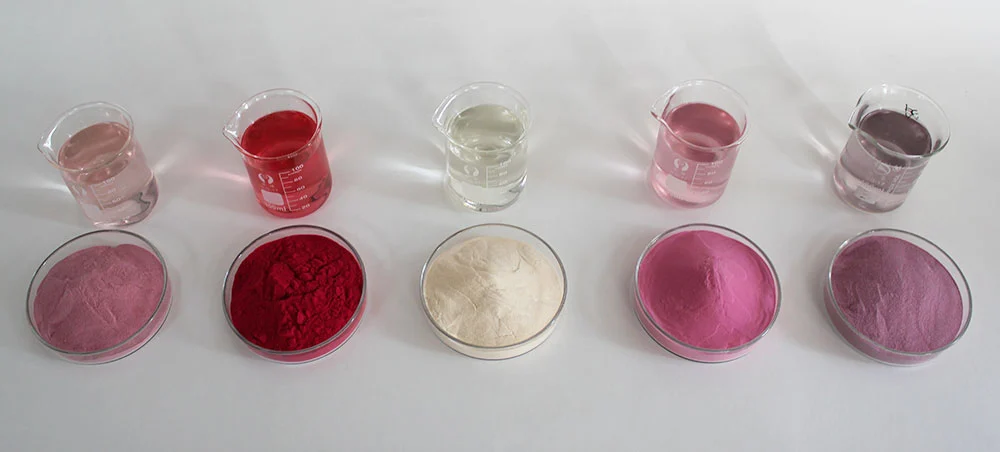
Product makers in the food and drink businesses like this ingredient because it can be used in many ways and has a clean label. You can put the powder in muffins, cakes, cookies, and other baked goods to make them taste like real fruit and turn them pretty pink to red without using dyes. People who make drinks use it in protein shakes, smoothie powders, functional drink mixes, and colored waters because it dissolves quickly. When the pH level is between 3 and 4, the ingredient stays stable. This keeps dairy proteins from breaking down. Because of this, it can be used to color yogurt and drinks made with milk. It's important that the taste strength of candy like gummies, fruit snacks, and nutritional bars doesn't change from one batch to the next.
Cosmetic and Personal Care Uses
Fruit extracts are useful in the beauty business because they taste good and are full of vitamins. The powder is used to make face scrubs, masks, and anti-aging creams. Anthocyanins in the powder protect against stress from the outside world. It helps keep oily skin in check, and the vitamin C in it works with creams that even out skin tone. Companies that make beauty products like it when customers can easily spot the ingredient. Strawberry is thought to be natural and gentle, so it works well with natural beauty lines. Being able to find cosmetic-grade powder that is clean enough makes the product work better and the package look better.
How to Use Strawberry Powder Effectively in Production
To successfully add ingredients, you need to know the correct dose rates, mixing methods, and storage conditions to ensure that the ingredients stay true to themselves during the production process.
Dosage Recommendations and Integration Techniques
Different kinds of goods need different amounts. 2 to 5 percent by weight is added to drinks to make the color and flavor stand out. 3 to 8 percent is added to baked goods, depending on how strong the taste should be. Wellness products may incorporate the powder at levels aligned with clinical research parameters to support the desired functional benefits. By mixing the Strawberry Powder with other dry ingredients first, you can make sure it is spread out evenly and doesn't stick together. If you need to use a liquid, adding a little water to the slurry before adding it to the main batch makes it easier to spread out. Spray-dried powder has a bulk density of 0.4 to 0.6 g/ml, while freeze-dried powder has a density that is a little lower. This changes measurements of volume, so formulas based on weight are more accurate.
Storage and Shelf Life Management
Putting something away in the right way can change how well it works and how much it costs. The powder should be kept in sealed containers in a cool (below 25°C), dry place that isn't in direct sunlight. This way, the food will keep its color, taste, and nutritional value for 18 to 24 months after it was made. Hygroscopic caking happens when natural fruit sugars quickly soak up water and harden into lumps that are hard to mix back together. High humidity speeds this process up. If you use the right building rules, your finished goods will stay at the same level of quality and won't go to waste. Nitrogen flushing during packing extends the shelf life even more by keeping delicate chemicals from breaking down because of oxygen.
Performance Comparison with Alternative Forms
Knowing the pros and cons of each item helps recipes work better when picking which ones to use. Powdered strawberry extracts don't need to be kept cold like liquid ones do. They're also lighter, which means they cost less to ship. Strawberry bits that have been freeze-dried look good, but they aren't spread out evenly like you need them to be for drinks and vitamins. There is more work that goes into making concentrated drinks, and they may have extra sugars or chemicals added to them. Because our uniform powder always works the same, formulation scientists can make recipes safe in the knowledge that different differences in the ingredients won't change the quality of the whole.
Choosing the Right Strawberry Powder: A Procurement Guide
Strategic source selection affects the quality of the goods, the company's ability to follow the rules, and its ability to stay in business in the long run.
Certification Requirements and Compliance
A lot of paperwork needs to be shown in order to get into global markets. As a result of ISO 9001 and FSSC 22000 certifications, our buildings follow GMP rules and are safe for food. Organic licenses cover both USDA NOP and EU rules for businesses that sell organic items. Food that is certified as Halal or Kosher by religious groups can help businesses get new customers. Make sure that the companies' qualifications are up-to-date and related to the work you want to do before you hire them. When you sell your goods in a limited area like the US or EU, having them checked by a third party like SGS, Eurofins, or NSF gives you extra peace of mind.
Supplier Evaluation Criteria
You should look at more than just certifications. You should also see how much can be made and how reliable the supply is. Are they able to do the extra work you want them to do? What kind of extra stock do they keep to protect against changes in the cost of seasonal raw materials? Consumers know more about where their food and other goods come from and expect to be able to do so. The farms where we get our veggies are well-known and have constant growing conditions. After that, it is processed in our certified facilities, which have the most up-to-date drying and extraction tools. It is important to get tech help. You can get help with formulation, sample development, and analysis debugging. This speeds up the product development process and lowers the chance that you will have to restart the formulation.
Bulk Purchasing Considerations
Most pricing methods let you save money by buying in bulk, but the lowest amount you can order changes from seller to seller. The smallest amount of Strawberry Powder you can buy from us for a business is 25 kg, and we also have sample sizes for testing and small-scale studies. And this lets the R&D teams see how well an item works before deciding to make a lot of them. Look at the total cost of landing, which includes shipping. We offer DHL and FedEx for quick delivery of small packages. We offer air freight for orders that aren't too big or too small, and ocean freight for orders that are. Our DDP door-to-door service for the U.S. market takes care of customs clearance and local delivery, which makes it easier for procurement teams to do their work.
Common Questions and Considerations for B2B Buyers
It's easier to decide what to buy and plan how to connect facilities when you think about practical issues.
How long does the powder remain stable under normal storage conditions?
If you keep the Strawberry Powder in sealed containers away from water, heat, and light, it will stay at its best for 18 to 24 months after it was made. We test the food quickly to see if the color, taste, and nutritional value stay the same over time. This is to make sure that the shelf life claims are correct. We have fiber drums with PE liners inside and multi-layer foil bags with seals that can be opened and closed again. These are both made to protect against things in the surroundings that are bad for quality.
Does the ingredient present allergen concerns?
Some people think that strawberries are a low to middling allergy risk. People who are allergic to birch pollen are most likely to be affected by them. One of the steps in our manufacturing processes is to control allergies. We also give full allergy statements that explain how the facility works. Cross-contamination can hurt sensitive customers if your facility works with more than one ingredient. Making sure you use the right handling methods stops this from happening.
Can this powder fully replace fresh fruit in formulations?
The powder tastes different and has health benefits, but it also has a different feel. Fresh fruit may need to be changed in recipes so that they take into account how it is shaped and how wet it is. But for things like drinks, vitamins, and baked goods that need strong tastes, stable colors, and ease of use, the powder often works better than fresh fruit because it doesn't change and makes production easier. Our R&D team helps come up with new recipes when you switch from fresh to powdered ingredients.
Conclusion
Putting Strawberry Powder in new recipes is good for both customers and producers. People want to buy natural ingredients that they can trust, and companies need to be able to depend on the raw materials they use. Problems that keep coming up, like seasonal supply, storage issues, and differences between batches that make it hard to plan production, are fixed by the condensed format. This item has been tried and found to be good for you.It can be used to formulate natural cosmetics, functional beverages, clean-label snacks, or wellness products. It will be best for companies to put source certifications, factory transparency, and technical support skills at the top of their to-do lists if they want to do well in the natural goods markets, which are getting more competitive.
FAQ
What particle size options work best for different applications?
It depends on the particles' size how fast the product breaks down and how it feels in the mouth. Our 80 mesh option, which is about 180 microns, lets the Strawberry Powder spread out quickly. This makes it good for fast drink mixes, protein powders, and supplement capsules where the customer wants the product to spread out quickly. For baking and yogurt sauces where a slightly rougher texture adds taste without being gritty, the 60 mesh type works well. Its size is about 250 microns. Formulation scientists should ask for samples of both types so they can compare them side by side in their own unique way.
How does freeze-dried powder differ from spray-dried powder in practical application?
Freeze-dried types are more expensive, but they have more unique tastes and smells, which makes them great for high-end supplements, specialty drinks, and fine foods where the quality of the ingredients is important for promoting the brand. If you want to save money and don't mind small changes in taste, spray-dried options are a great choice. Both types have clean labels, and the nutrition facts are the same on both. The one you should use depends on the quality standards and price preferences of the people you want to sell to.
Partner with a Trusted Strawberry Powder Manufacturer
Naturalin Biotech has been working with plant-based products for more than 20 years and can help businesses that need natural Strawberry Powders that they can trust to do their jobs. When we pick the raw materials, test the finished product, and package it, we can be sure that the quality is always the same because we are fully integrated. We keep a lot of stock on hand so that we can ship quickly. Usually, it takes between 3 and 7 working days for delivery, and our MOQ structure is open enough to handle both small orders for testing and big orders starting at 25 kg. As a supplier that values honesty and working together, we provide full analytical documentation, regulatory support for global markets, and customization services like formula development and specialized processing. You can talk to our expert team about your specific needs, get samples, or look into special formulation options that will help your products stand out in a crowded market by emailing market@naturalinbio.com.
References
1. Giampieri F, Tulipani S, Álvarez-Suárez JM, et al. The strawberry: Composition, nutritional quality, and impact on human health. Nutrition, 2012; 28(1):9-19.
2. Aaby K, Mazur S, Nes A, Skrede G. Phenolic compounds in strawberry (Fragaria x ananassa Duch.) fruits: Composition in 27 cultivars and changes during ripening. Food Chemistry, 2012; 132(1):86-97.
3. Sablani SS. Drying of fruits and vegetables: retention of nutritional/functional quality. Drying Technology, 2006; 24(2):123-135.
4. Ratti C. Hot air and freeze-drying of high-value foods: a review. Journal of Food Engineering, 2001; 49(4):311-319.
5. Patras A, Brunton NP, O'Donnell C, Tiwari BK. Effect of thermal processing on anthocyanin stability in foods; mechanisms and kinetics of degradation. Trends in Food Science & Technology, 2010; 21(1):3-11.
6. Nsonzi F, Ramaswamy HS. Quality evaluation of osmo-convective dried blueberries using response surface methodology. Drying Technology, 1998; 16(3-5):705-724.