Strawberry Powder: Key Applications in Food & Beverage Production
For food and drink companies looking for constant flavour, colour, and nutrient fortification without the hassle of fresh fruit, Strawberry Powder is an essential ingredient input. Using freeze-drying or spray-drying to get this dried concentrate from Fragaria ananassa Duchesne solves some of the biggest problems in buying, like supply being unstable during certain times of the year, relying on the cold chain, and variations between batches. When research and development teams and purchasing managers look at natural fruit ingredients, they need to know about the technical specs, processing methods, and performance in different applications of fruit powders. This is what determines the success of the formulation and the reliability of the supply chain.
Understanding Strawberry Powder: Composition and Nutritional Value
What Defines Quality Strawberry Powder?
Strawberry Powder of high quality is made from carefully chosen ripe fruits that have been processed in a controlled environment to keep the bioactive compounds. At Naturalin Biotech, we only buy the best Fragaria ananassa Duchesne when it is fully ripe, which makes sure that the sugar-to-acid ratios and anthocyanin amounts are just right. The powder goes through strict TLC (Thin Layer Chromatography) testing to make sure it is who it says it is and that it is pure. This gets rid of the worries about adulteration or misidentification that are common in markets for cheap ingredients.
The way the food is made has a big effect on how much protein it contains. Freeze-dried powder keeps almost all of the vitamin C levels (about 80% to 90% retention) and the heat-sensitive polyphenols that spray-drying breaks down slightly. When stored correctly, food with a moisture level below 5% and a water activity (aw) below 0.3 stops microbes from growing and enzymes from breaking it down. This means that the food can last for 18 to 24 months.
Nutritional Profile and Functional Benefits
In addition to basic macronutrients, chemicals from strawberries provide useful compounds that can be measured. Each 100g usually has 200–300mg of vitamin C, which backs up claims that finished products are antioxidants. There are about 15 to 50 mg of ellagic acid in every 100 grams of food. This acid helps cells stay healthy, as shown in a peer-reviewed nutrition study. Anthocyanins give the colour its red colour and have been shown to reduce inflammation, which makes them appealing to health-conscious consumers.
For formulation scientists testing how well an ingredient works, the polyphenol profile stays the same at temperatures below 85°C, which is normal for food processing. Because it is stable at high temperatures, it can be used in baked goods, pasteurised drinks, and processed in retorts without losing many nutrients. This is a big advantage over fresh fruit purees, which break down quickly when heated.
Storage Considerations for Bulk Procurement
Manufacturers who handle large goods must follow the right storage rules to keep the purity of the ingredients. We suggest keeping powder in food-grade containers that are tightly sealed in climate-controlled buildings that keep the temperature between 15 and 25°C and the relative humidity below 60%. Oxygen speeds up the breakdown of anthocyanin, which turns bright red powders brown over time. Colour stability is greatly increased by nitrogen washing or vacuum packing.
Our ready stock program makes sure that buying teams can quickly get the materials they need without lowering the quality. With lead times of 3–7 working days from our certified sites, you can avoid production delays that mess up customer promises and manufacturing plans.
Key Applications and Uses of Strawberry Powder in the Food and Beverage Industry
Primary Industrial Applications
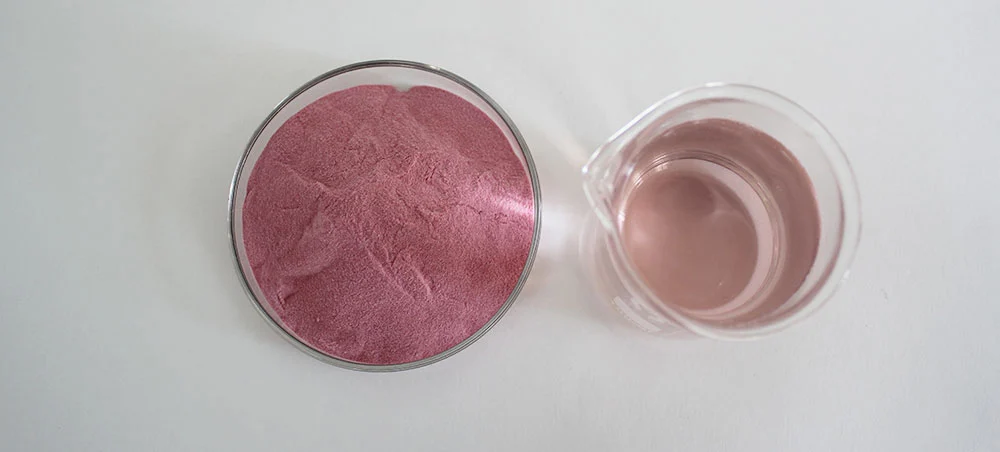
Strawberry-based products can be used in a lot of different manufacturing areas, each with its own specific technical needs, and Strawberry Powder can be tailored for use in instant beverage mixes requiring rapid dissolution, or in baked goods where heat stability and color retention are paramount. When procurement workers understand these application-specific needs, they can choose the right particle size, solubility properties, and concentration levels for their production lines.
Spray-dried forms are very popular with beverage makers because they dissolve quickly. When making useful drinks like protein shakes or quick smoothie mixes, the speed at which the ingredients dissolve has a direct effect on how the customers feel. After mixing, our 80-mesh powder spreads out completely in 30 seconds, getting rid of the grainy texture that customers don't like. The natural acidity (pH 3.2–3.8) makes fizzy drinks taste better without using artificial acidulants.
Freeze-dried powder has stronger flavours, which is good for use in baking and candy making. Fruit powders are added to white chocolate ganaches by high-end chocolate makers. The low moisture content stops fat from seizing, which happens a lot when fresh purees are used. Because the taste is concentrated, formulators can get a real strawberry flavour at 2-4% inclusion rates, which is cheaper than using liquid concentrates.
Beyond Food: Cosmetic and Nutraceutical Uses
Skincare formulators are looking for plant-based actives that have been shown to be antioxidants more and more. In addition to meeting clean beauty standards, Strawberry Powder contains vitamin C and ellagic acid, which support anti-aging claims. The Strawberry Powder mixes easily into dry mixtures like scrubbing scrubs and face masks, where water-based ingredients would make the mixture less stable.
Nutraceutical companies that make "superfood" products like the nutrient profile of whole foods. Instead of just vitamin C pills, fruit powders contain phytonutrient complexes that work together, which is appealing to people who want ingredients that have been treated as little as possible. To put powders into veggie capsules or compress them into tablets, they need to be able to flow easily. We make sure that our powders can do this by controlling the particle size distribution (you can choose between 60-mesh and 80-mesh choices).
Comparative Advantages Over Alternative Forms
When you compare powders to liquid concentrates or fresh fruit, it's easy to see that they are easier to buy. Transportation costs drop by a huge amount; one kilogram of powder can be mixed with water to make about 10 kilograms of fresh fruit. This cuts shipping volumes by 90%. This concentration gets rid of cold-chain logistics, which lowers the cost of storage and makes international trade paperwork easier.
Quality uniformity is another important thing that sets us apart. Fresh strawberries have seasonal Brix changes of 7 to 12 degrees, which means that formulations need to be changed throughout the year. Standardised powders keep the same levels of sweetness, acidity, and colour across production runs. This makes it possible to make stable finished products that meet government standards and meet customer expectations.
Making and Procuring Strawberry Powder for Business Needs
Production Process Transparency
Understanding how things are made helps buying teams judge the skills and the strictness of quality control of suppliers. At the start of the production process, we check the raw materials for pesticide residue levels against FSSC22000 guidelines and use Brix measures to make sure the fruit is fully ripe. Berries that meet strict criteria are the only ones that get processed.
In freeze-drying, the fruit is frozen to -40°C and then the room pressure is lowered so that the ice crystals can go straight from solid to vapour. This gentle method keeps the volatile chemical molecules that give strawberries their real flavour. Spray-drying turns fruit puree into tiny particles that are carried by hot air. The water quickly evaporates. This method is cheaper, but it subjects the material to short periods of high temperatures (150–180°C intake), which slightly lowers the amount of thermolabile nutrients.
After processing, we use cryogenic grinding to reduce the size of the dried material to a certain mesh size. This keeps the heat from building up. Paying attention to the processing temperature throughout the whole process protects the nutritional and taste benefits that set premium foods apart from cheaper options.
Organic Versus Conventional: Regulatory Implications
Choosing between organic and regular Strawberry Powder has effects on both how you position yourself in the market and how well you follow the rules. Our USDA NOP and EU Organic certifications give us entry to high-end markets where people are willing to pay 20–30% more for approved products. Synthetic herbicides are not allowed in organic farming, and the land has to be transitioned over three years. This limits supply and drives up the cost of raw materials.
Conventional production is better for brands that want to reach a wide audience because it provides a more stable supply and lower prices. According to the ISO9001 and FSSC22000 guidelines, both forms meet the same standards for food safety. The choice is based on how you position your brand and the types of people you want to buy from you, not on safety or basic quality standards.
Supplier Evaluation Criteria
For long-term relationships to work, providers need to be evaluated in more ways than just their prices. A company's certifications show that it cares about quality systems. Look for ISO9001, FSSC22000, HALAL, and Kosher certifications, which show that processes have been checked by a third party. Our full certification package makes sure that all global markets are in line with the rules, from HALAL requirements in the Middle East to Jewish dietary laws.
Scale is a very important factor in manufacturing. When suppliers keep ready stock on hand, they can fill pressing orders without having to wait the 30 to 60 days that are usual in make-to-order operations. Naturalin Biotech can make more than 1,000 tonnes of products every year, so we can handle both small test runs (samples are available, and the minimum order quantity for commercial products is 25 kg) and large-scale production needs without having to worry about space during busy times.
The ability to provide technical help is what sets development partners apart from commodity sellers. Our research and development team helps with formulation, customising samples, and application testing. This joint method shortens the time it takes to make a product and cuts down on the costs of making mistakes, which slows down entry into the market.
How to Choose the Right Strawberry Powder for Your Business?
Matching Specifications to Application Requirements
Different production processes need powders with certain properties. Solubility and clarity are important to people who make drinks. Spray-dried powders usually work better than freeze-dried powders in quick drink uses. Bakeries care about the amount of flavour and moisture in their products. Freeze-dried options have better taste and lower inclusion rates, which could help cover the higher costs of ingredients by reducing their use.
Choice of particle size affects both how the product is handled and how it feels when it's finished. Our 80-mesh powder is good for drinks and smooth uses like yoghurt blends. On the other hand, our 60-mesh powder is good for granola bars or baked goods that can handle a little texture. Because we offer customisation, we can change the grinding parameters to exactly what you need, providing the best performance in your production situation.
Different uses have different colour steadiness needs. Clear drink bottles and other clear packaging that are displayed near light can benefit from microencapsulation technologies that keep anthocyanins from breaking down. We have both normal and enhanced-stability formats, so you can choose the most cost-effective answers for your real stability problems without having to over-engineer them.
Pricing Dynamics and Cost Management
Strawberry Powder prices depend on a number of factors, including how it is processed, whether it is organic, how much is ordered, and when it is available in the season. Because it takes longer to prepare and uses more energy, freeze-dried materials usually cost 40 to 60 percent more than spray-dried ones. But because it has a higher flavour concentration, it often lets lower inclusion rates work, which closes the cost gap in finished goods.
With volume commitments, you can get better pricing. Our commercial minimum of 25 kg lets us offer competitive entry prices, and our annual supply agreements help you plan your budget and protect you from price changes caused by the harvest. Clear price models that split the costs of raw materials from the costs of processing help procurement teams understand what drives value and negotiate better.
Regional buying changes the total cost of delivery. Even though Chinese production is cheaper, it's more important to know the total landing cost, which includes taxes, freight, and compliance paperwork, than just the FOB price. Our DDP (Delivered Duty Paid) service for the US market makes logistics easier and gives you a clear idea of how much something will cost up front, so you don't have to worry about unexpected costs that throw off your budget.
Supplier Responsiveness and Partnership Value
Pressures to get products to market quickly require providers to reply quickly to technical questions and requests for samples. As part of our 24-hour response promise, our expert staff gives thorough answers to formulation questions based on data from application testing and stability studies. When providers take weeks to get basic technical information, this response speeds up your development timeline.
Another important aspect of a relationship is the ability to customise things. Standard, common ingredients rarely work best in a wide range of situations. Our formulation development services make custom solutions by changing the levels of sweetness, changing how well they dissolve, or mixing fruit powders that go well together to meet your exact sensory goals. With this approach to development, suppliers of ingredients become strategic partners in innovation.
Every good connection with a supplier is built on consistent quality. Variability from batch to batch means that the formula has to be changed all the time, and the finished product isn't always the same, which makes customers confused. Our strict quality standards, which are checked by HPLC, UV, and AAS tests as well as third-party approval (SGS, Eurofins, and NSF), make sure that every delivery meets the same requirements. This dependability keeps your reputation for consistently high-quality products and keeps production surprises at bay.
Conclusion
Finding the best strawberry ingredient means combining a lot of different technical, business, and strategy factors, and Strawberry Powder is no exception—procurement teams must evaluate not only the price per kilogram but also the powder's color vibrancy, solubility, aroma profile, and microbiological stability across different production batches. Based on the needs of the application, freeze-dried and spray-dried powders have different benefits. The quality varies based on the choice of raw materials, the controls used during processing, and the supplier's commitment to uniformity. When procurement professionals understand these subtleties, they can make decisions that improve product performance while also managing supply chain risks well. More and more people want natural ingredients and clean labels. To stay ahead in the fast-paced food and drink markets, it's important to work with experienced suppliers who can offer full technical support, flexible customisation, and reliable global delivery.
FAQ
Does strawberry powder contain added sugars?
The only thing that should be in high-quality fruit powders is dried fruit solids, with no extra sugars. Always check the chemical lists and papers of analysis. There are no fillers, colours, or sweeteners in our powder; it only has pure Fragaria ananassa Duchesne fruit. Natural fruit sugars like fructose, glucose, and sucrose stay concentrated when the fruit dries out. This means that the fruit is naturally sweet without any "added sugar" that is required for nutrition labels.
What shelf life can I expect under different storage conditions?
Powder stays good for 18 to 24 months if it is kept in sealed containers at a controlled temperature (15 to 25°C) and humidity below 60%. Refrigeration makes things even more stable, but when you open the container, there is a risk of condensation. Using vacuum packing or nitrogen washing to keep the colour of anthocyanins for a long time is very helpful. With every sale, we include specific storage instructions to make sure your stuff stays in great shape for as long as possible.
How do organic and conventional powders differ in quality?
The changes in quality are due to different ways of making them, not differences in safety. Both meet the same FSSC22000 and ISO9001 food safety standards. Organic approval doesn't allow synthetic chemicals and needs proof of tracking, which makes it appealing to high-end markets. Conventional production gives you a more stable supply and lower costs. When processing standards are the same, sensory and nutritional profiles stay the same. Your choice should be based on how the brand is positioned and what the target customer wants, not on quality issues.
Partner with a Trusted Strawberry Powder Supplier
Every customer of Naturalin Biotech benefits from over 20 years of experience working with botanical extracts, as well as advanced production skills and quick technical help. Our strict quality controls and wide range of customisation options make sure that our Strawberry Powder meets the exact needs of leading food, drink, supplement, and beauty product companies around the world. We can help you with solutions that are exactly what you need, whether you need small test quantities to help you develop a new product or a large commercial supply with DDP delivery to US facilities. You can email our technical team at market@naturalinbio.com to talk about your specific application needs, ask for samples, or find out how our recipe development services can help you come up with new products faster. Find out why well-known brands choose Naturalin Biotech as their first choice for natural ingredient suppliers.
References
1. Rodriguez-Saona, L.E., & Wrolstad, R.E. (2001). "Extraction, Isolation, and Purification of Anthocyanins." Current Protocols in Food Analytical Chemistry.
2. Sablani, S.S. (2006). "Drying of Fruits and Vegetables: Retention of Nutritional/Functional Quality." Drying Technology Journal, 24(2), 123-135.
3. Skrovankova, S., et al. (2015). "Bioactive Compounds and Antioxidant Activity in Different Types of Berries." International Journal of Molecular Sciences, 16(10), 24673-24706.
4. Ratti, C. (2001). "Hot Air and Freeze-Drying of High-Value Foods: A Review." Journal of Food Engineering, 49(4), 311-319.
5. Giampieri, F., et al. (2012). "The Strawberry: Composition, Nutritional Quality, and Impact on Human Health." Nutrition Journal, 28(1), 9-19.
6. FDA Center for Food Safety and Applied Nutrition. (2020). "Guidance for Industry: Juice HACCP Hazards and Controls Guidance." US Food and Drug Administration Technical Guidelines.