Pure Matcha Tea Powder Ideal for Lattes, Baking, and Smoothies
The best element, Pure Matcha Tea Powder, comes from Camellia sinensis leaves that are grown in the shade and are carefully stone-ground into a bright, nutrient-dense powder. This freshly ground Matcha Tea Powder is different from regular green tea because it contains more vitamins, L-theanine, and chlorophyll. This makes it perfect for lattes, baking, and smoothies. Matcha Tea Powder solves important manufacturing problems in the food and drink business by offering stable color, a rich umami taste, and bioavailable functional chemicals that regular tea leaves can't match.
Understanding Pure Matcha Tea Powder and Its Benefits
The way that real Matcha Tea Powder is made is very different from how regular green tea goods are made. Tea plants are shaded for 20 to 30 days before they are picked. This makes the plants make too much chlorophyll and certain amino acids, especially L-theanine. For high-end uses, procurement managers look for an emerald-green color and a smooth, sweet flavor profile that comes from this planned stress reaction.
Production Process and Quality Markers
Naturalin Biotech uses both steam cleaning and hot air fixation to keep volatile aromatic chemicals safe while they are being made. Our ceremonial-grade powder is made by stone milling at controlled temperatures. This makes bits that are 5 to 10 microns, which are much smaller than those in regular cooking grades. The USDA and EU organic approvals that come with each batch show that it meets strict farming standards. This eases the minds of quality assurance managers in the food and supplement industries.
TLC tests for quality control make sure that active chemical profiles are the same from batch to batch. Our Matcha Tea Powder keeps its total amino acid levels between 2% and 4% and its moisture content below 5%. These are important factors for formulation experts working on shelf-stable products. The balance of L-theanine to caffeine gives you long-lasting energy without the crash that comes with coffee-based ingredients.
Nutritional Profile for Product Development
The health benefits of Matcha Tea Powder come from the high concentration of catechins, especially EGCG (epigallocatechin gallate), which has been linked to antioxidant action in studies. Product designers who use this ingredient can back up claims of clean labels and meet customer demand for plant-based, useful foods. Having chlorophyll and cellulose in a product makes it healthier. This includes dairy-free drinks and baked goods with added protein.
The moderate amount of caffeine (about 35 mg per serving) and calming theanine make for a well-balanced sensory experience that is good for both morning drinks and afternoon snacks. This biochemical synergy solves formulation problems that come up when making goods that need to support awareness and make drinking easy.
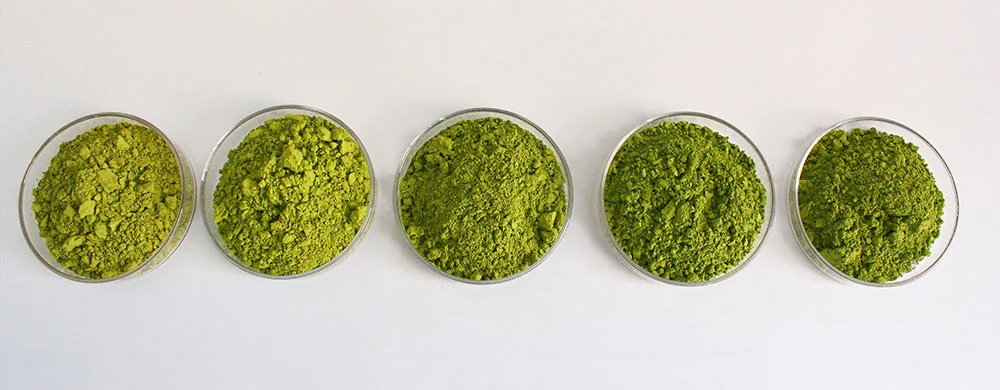
Comparison of Matcha Tea Powder Grades and Types for B2B Procurement
Choosing the right grades has a direct effect on the quality of the finished product and the cost of production. There are two main types in the industry: ceremonial grade and cooking grade. Each is used for different things in the making process.
Ceremonial Grade Versus Culinary Grade Specifications
Ceremonial-grade Matcha Tea Powder comes from leaves that were picked first, so it keeps its color better, has less sharpness, and more polished umami notes. When Matcha Tea Powder is the main flavoring in a drink, like in expensive lattes, ready-to-drink teas, or dietary supplements, we suggest using this standard. The smooth texture mixes evenly with liquids and doesn't get gritty, which is very important for formulators who are making ready-to-mix goods.
Although culinary-grade powder is a little more bitter, it is cheaper and works better when mixed with other strong tastes. Bakeries that make cookies, cakes, and ice creams with Matcha Tea Powder in them benefit from this grade's strong taste that stays the same when heated. You can choose between 60 mesh or 80 mesh, which means that the size of the mesh can be changed to fit the needs of different food types.
Organic Certification and Supply Chain Transparency
Organic farming is a way for people who care about healthy farming and pesticide leftovers to get the food they need. Our USDA and EU organic approvals show that our products are grown and processed in a way that meets the standards of regulatory affairs managers. We sent 8 metric tons of organic Matcha Tea Powder to makers in the US just last month, showing that our supply is reliable, which lowers the risk of buying from us.
For uses that need to save money, conventional choices are still available, but we see that certified organic ingredients are becoming more popular in the market. When making buying decisions, procurement teams should compare the price difference to how the brand is positioned and what the target market expects.
Procurement Strategies for Pure Matcha Tea Powder in Bulk
To build solid supply partnerships, you need to look at more than just unit price. When you buy in bulk, you need to pay attention to the manufacturing skills, quality processes, and organizational flexibility of your suppliers.
Evaluating Supplier Credibility and Manufacturing Standards
GMP-compliant factories make sure that the work setting is always the same, which lowers the risk of contamination and batch variation. Naturalin's workshops follow the rules set by FSSC22000 and ISO9001. This is shown by the fact that SGS, Eurofins, and NSF regularly check the workshops with outsiders. These certificates show that the quality management systems are strong enough to meet the standards that buying managers use to choose long-term ingredient providers.
Another important thing to look at when judging Matcha Tea Powder suppliers is their analytical skills. Suppliers who have HPLC, UV, and AAS equipment can give full reports of analysis that show the amounts of active compounds, microbial counts, and heavy metal ratios. We keep working relationships with outside testing labs, which makes sure that product standards are checked in a clear way beyond our own quality control.
Pricing Trends and Negotiation Approaches
Due to the higher costs of growing and certifying ceremonial-grade organic Matcha Tea Powder, it usually costs more than regular culinary-grade Matcha Tea Powder on the market. Purchasing managers can make the most of their budgets by matching the grade they choose to the needs of the application. For example, they could save the best grades for their most popular goods and use culinary standards for their less popular ones.
The 25 kg minimum order amount we have is enough for both test runs and regular supply needs. When samples are available without a business commitment, R&D teams can test formulations before buying enough to scale up. Lead times of 3 to 7 working days from ready stock support flexible production plans and lower the cost of keeping supplies on hand.
Packaging and Storage Best Practices
Multi-layer foil bags with nitrogen washing are one type of bulk packing that can be used to keep goods from going bad while they are being stored. For two years, it needs to be stored in a temperature-controlled space below 25°C and kept out of the light. To make sure that products stay safe all the way through the supply chain, distribution managers should work with providers that offer DDP door-to-door delivery that uses sea, land, and air travel.
Integrating Pure Matcha Tea Powder into Product Lines and Supply Chains
To make good products with Matcha Tea Powder, you need to know how it reacts in different types of applications and handling settings.
Formulation Considerations for Beverages
Matcha Tea Powder naturally dissolves in hot water, which makes making coffee and tea drinks easier. However, pre-dispersion methods are better for cold uses. We offer submicron powder, which makes ready-to-drink forms more stable in solution and stops sedimentation during shelf life. Scientists working on new recipes should take into account that Matcha Tea Powder is sensitive to pH. If the pH is high, the color stays the same, but if the pH is low, the color may change to yellowish tones.
Our shade-grown Matcha Tea Powder's strong seaweed scent and mild bitterness go well with both dairy and plant-based milks without the need for hiding agents. This clean taste profile supports simple ingredient statements, which is good for clean-label product plans.
Applications in Baking and Frozen Desserts
When you put Matcha Tea Powder in baked goods, heat safety is very important. Our hot air fixation process keeps the chlorophyll intact at temperatures up to 180°C, so the green color stays the same during baking rounds. It is suggested to use between 1% and 3% by weight, based on how strong a color and taste you want.
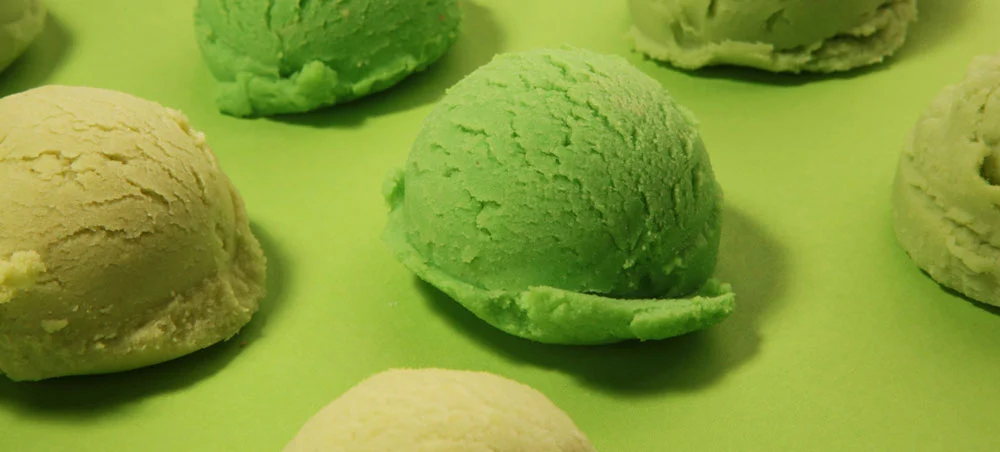
Because it has fiber, Matcha Tea Powder naturally emulsifies, which makes it useful for making ice cream and smoothies. The powder mixes easily into frozen mixtures and doesn't cause freezing. Its antioxidant profile supports functional health claims that are becoming more important in premium frozen treat categories.
Regulatory Compliance and Certification Requirements
To get into the US market, you have to follow the FDA's rules about food chemicals and colorants. Our Matcha Tea Powder is Generally Recognized As Safe (GRAS), which makes it easier for regulators to approve new products. Halal and Kosher certificates make markets bigger, which is especially important for companies that sell to a wide range of people.
The Novel Foods rules and pesticide residue limits in European markets are tougher than those in the US. Our EU organic certification and thorough testing methods make sure that our goods meet these standards without European buyers having to go through extra steps to verify the seller.
Conclusion
Pure Matcha Tea Powder is very flexible and can be used in a lot of different ways, like in drinks, baked goods, and smoothies. It also meets important buying goals like quality consistency, regulatory compliance, and supply reliability. The ingredient's concentrated nutritional profile helps make useful products that are in line with shopper health trends, and its sensory properties help make products seem more expensive. Buying from approved sellers with proven manufacturing skills and clear quality systems lowers supply chain risks and speeds up the time it takes to bring new products to market.
FAQ
What grade of matcha powder suits commercial beverage production?
Because it doesn't taste bitter, ceremonial-grade Matcha Tea Powder works best in drinks where Matcha Tea Powder is the main flavor. It has a smooth texture and bright color. The culinary grade works well in mixed drinks where the Matcha Tea Powder mixes with strong tastes.
How should bulk matcha powder be stored to maintain quality?
Keep in containers that are tightly sealed and shielded from light at temperatures below 25°C with little to no exposure to humidity. By stopping decay, nitrogen-flushed packing makes food last longer. Putting food in the fridge helps keep the color and vitamin power for longer periods of time.
Are there health considerations with commercial matcha usage?
Because Matcha Tea Powder has caffeine in it, it should be made with dose sizes in mind. The L-theanine level usually lessens the effects of caffeine. Make sure that sellers give you the results of any heavy metal tests they do. If tea plants are growing in the wrong conditions, they can take in environmental pollutants.
Partner with Naturalin Biotech for Premium Matcha Tea Powder Supply
Naturalin Biotech is a reliable source for Matcha Tea Powder because it has over 18 years of experience working with plant extracts and the most up-to-date production tools. Our ceremonial-grade organic Matcha Tea Powder meets the exact needs of formulation scientists, procurement managers, and quality assurance workers who are making goods that are competitive in markets that care about health. We offer unique formulation creation services that are based on your individual application needs. These services include sensory tuning, improving solubility, and functional ingredient mixing. Your R&D team can test the quality of our product with free trials before committing to large orders. Get in touch with our technical team at market@naturalinbio.com to talk about your project needs and get unique buying suggestions based on our long history of US supply and wide range of certifications.
References
1. Hu, F. (2024). "Nutritional Properties and Health Benefits of Matcha Green Tea," Harvard T.H. Chan School of Public Health, Department of Nutrition Annual Review.
2. International Tea Committee (2023). "Global Matcha Market Analysis: Production Standards and Quality Differentiation," Annual Trade Report on Specialty Tea Products.
3. Zhang, L., & Wang, Y. (2023). "Chlorophyll and L-Theanine Concentration in Shade-Grown Camellia sinensis: Agricultural Practices and Biochemical Outcomes," Journal of Agricultural and Food Chemistry, Volume 71, Issue 8.
4. Food and Agriculture Organization (2024). "Quality Standards for Processed Tea Products in International Trade," FAO Agricultural Commodities Technical Paper Series.
5. European Food Safety Authority (2023). "Safety Assessment of Green Tea Catechins in Food Applications," EFSA Panel on Nutrition, Novel Foods and Food Allergens Scientific Opinion.
6. US Department of Agriculture (2024). "Organic Certification Requirements for Imported Tea Products," National Organic Program Policy Memorandum.