Organic Turmeric Extract Powder For Clean Label Food And Supplement Manufacturing
Sourcing high-quality turmeric extract standardized to 95% curcumin has become critical for manufacturers pursuing clean label certification and consumer trust. Organic Turmeric Extract Powder delivers concentrated bioactive compounds while meeting stringent regulatory standards essential for food, beverage, and wellness product applications.Through certified organic cultivation and advanced extraction technologies verified by HPLC testing, this ingredient addresses formulation challenges around potency consistency, bioavailability enhancement, and supply chain transparency that procurement teams face daily.
What Is Organic Turmeric Extract Powder and Why It Matters for Clean Label Manufacturing
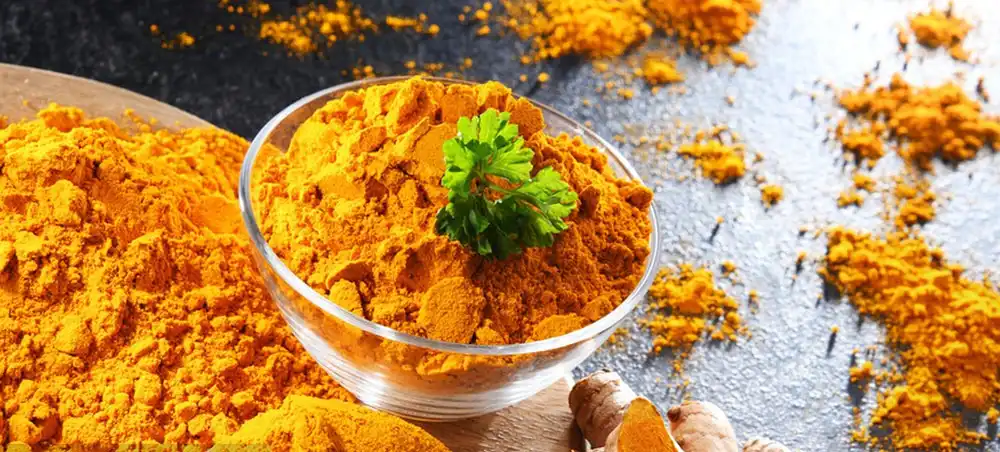
Organic Turmeric Extract Powder is a concentrated form of Curcuma longa Linn that differs significantly from ground turmeric root. Ordinary turmeric powder contains only about 2 to 5 percent curcuminoids. Standardized extracts, on the other hand, deliver 95% curcumin content confirmed by HPLC. This concentration difference significantly impacts dosage requirements, formulation stability, and finished product performance.
The Certification Advantage in B2B Procurement
Certified Organic Turmeric Extract Powder follows the rules set by the USDA NOP and the EU for organic farming. This means that crops are grown without using manmade pesticides, GMOs, or chemical fertilizers. Not only do marketing claims matter, but these certifications do too. Getting organic approval takes away the supply chain risks that come with failed pesticide residue tests and fines for not following the rules. When manufacturers work with approved sellers, they get clear paperwork that shows how an item got from the farm to the finished product. This meets the audit requirements of stores and regulatory bodies.
Curcuminoid Concentration and Quality Parameters
There are three main curcuminoids in premium Organic Turmeric Extract Powder standardized to 95% curcumin: curcumin, demethoxycurcumin, and bisdemethoxycurcumin. The functional performance of finished products is directly influenced by the concentration and quality of these bioactive compounds, which support healthy oxidative balance and physiological resilience.Quality requirements include a range of particle sizes (usually 80 mesh for best dissolution), a moisture level of less than 5% for stability, and no heavy metals, which can be proven by independent tests by labs like SGS or Eurofins.
Standard curcumin products aren't very bioavailable, but water-soluble curcumin formulas get around that problem. By using microencapsulation or complexation technologies, water-soluble versions can dissolve much more quickly in water-based systems. This means they can be used in more functional drinks and liquid nutrients without having to deal with the formulation problems that come with lipid-based delivery systems.
Comparing Organic Turmeric Extract Powder Options: Ensuring Quality and Value
When making a procurement choice, you need to look at more than just the price of different suppliers' services. Knowing the technical differences between types of extract and the qualifications of suppliers helps keep products honest and helps them stand out in the market.
Extract Types and Application Suitability
The scientific features of standardized turmeric extracts are very different from one another. Traditional 95% curcumin products work best in pill and tablet forms, where the way the powder flows and compresses is important. Water-soluble forms of curcumin are good for use in drinks that need to be able to dissolve in cold water and keep their clarity. Oil-soluble curcumin products work effectively with emulsion systems for cosmetic applications targeting skin comfort and even tone.
When you look at isolated curcumin supplements and whole-spectrum turmeric extracts side by side, you can see some important formulation issues. Isolated curcumin has the most effectiveness per gram, but it doesn't have any of the chemicals that work together in full-spectrum products. Whole-spectrum Organic Turmeric Extract Powder keeps turmerones and other bioactive components that research shows may improve overall therapeutic outcomes thru entourage effects. This is especially important for wellness formulations targeting healthy inflammatory balance.
Supplier Evaluation Criteria for B2B Buyers
Leading suppliers set themselves apart not by the prices they charge, but by the quality of their products and the ways they make them. Suppliers whose facilities are GMP-certified and have FSSC22000 food safety management systems show that they have a method for controlling quality. Maintaining ISO9001 certification shows that a manufacturer is dedicated to process consistency and ongoing improvement procedures, which are necessary for reproducibility from batch to batch.
Production capacity has a direct effect on how reliable the supply is. Suppliers whose annual production is more than 1,000 tons usually keep a backup stock and find two or more sources for raw materials, which lowers the risk of disruption. Owning organic farms is a form of vertical integration that improves quality control and tracking from farming inputs to extraction processes. Companies with 40 or more production patents often have their own methods for making goods more bioavailable, stable, or soluble, which set their products apart in a market full of competitors.
How to Use Organic Turmeric Extract Powder in Clean Label Food and Supplement Manufacturing
To successfully incorporate turmeric extracts into a formulation, you need to know about the dosage needs, technical limits, and legal labeling standards that are unique to these extracts.
Dosage Guidelines and Formulation Considerations
Clinical studies on nutritional products have evaluated a range of daily curcumin intake levels, with formulation scientists determining appropriate serving sizes based on target application and desired functional outcomes.To get a 1,000 mg dose of curcumin when making with 95% curcumin extracts, you need about 1,050 mg of extract, taking into account standardization limits. This higher concentration means that fewer capsules are needed compared to whole turmeric powder formulas, which need 20 to 40 grams to give the same amount of curcumin.
Making drinks brings its own set of technical difficulties. Standard curcumin doesn't mix well with water and has a strong yellow color that might make the product look bad. Using microencapsulation or cyclodextrin complexation to make curcumin formulations that dissolve in water leads to clear solutions with effective doses, usually 100–200 mg per serve in ready-to-drink forms. More uses can be found for color management by mixing natural colorants that work well together or using curcumin extracts that have lost their color.
Stability and Processing Considerations
Curcumin is unstable at pH levels below 7, but it breaks down quickly in alkaline environments above pH 7. Protective technologies like liposome encapsulation or complexation with cyclodextrins help formulations that are aimed at neutral or alkaline pH ranges. Temperature exposure during processing affects the preservation of curcumin. Above 100°C, breakdown speeds up. The steps for making tablets by compressing or extruding them need to keep an eye on the temperature and may include adding protective ingredients.
Light speeds up the oxidation of curcumin, which is why dark packing materials are needed. Testing the shelf life under accelerated stability conditions (40°C, 75% RH) sets the right expiration date, which is usually 24 months for powder forms that have been properly packaged. Adding vitamins like ascorbic acid or tocopherols to the formula may help finished goods last longer.
Regulatory Labeling and Clean Label Claims
Products that use Organic Turmeric Extract Powder need to follow the rules for organic labeling that are specific to their markets. The USDA's organic approval lets items use the word "Organic" when they have 95–100% organic ingredients. For clean label placement, ingredient lists must be clear and use common names. Putting "Organic Turmeric Extract (Curcuma longa)" on the list with information about how it is standardized meets regulatory needs while keeping consumer-friendly language.
Structure-function claims must be carefully worded to avoid unauthorized health claims. Permitted language includes general wellness support statements, while disease-related claims are prohibited.Label compliance across countries is ensured by consulting with regulatory experts. This is especially important when managing the differences between FDA rules, EU Novel Foods frameworks, and Health Canada requirements.
Procuring Organic Turmeric Extract Powder: Best Practices for B2B Buyers
When making strategic sourcing decisions, it's important to find a balance between quality assurance, supply reliability, and cost efficiency. Regulatory compliance must also be managed throughout the supply chain.
Essential Certifications and Documentation
The requirements for buying something should require detailed certification paperwork. Organic certificates from recognized organizations like USDA NOP, EU Organic, and JAS need to be renewed every year and come with paperwork that shows how approved farms are linked to processing sites for easy tracking. GMP certification shows that manufacturing environments are controlled and that there are written procedures for keeping things clean, training employes, and handling deviations. For FSSC22000 approval, food safety management is combined with programs that teach how to control allergens, track products, and protect them.
Kosher and Halal certifications make it easier for supplements and food ingredients to get into more markets. For these religious licenses to be valid, production practices must be constantly supervised and the building must be audited on a regular basis to make sure they are in line with religious dietary laws. For each production batch, the Certificate of Analysis (COA) should include HPLC measurements of curcumin, heavy metal screening, microbe tests, and pesticide residue analysis by approved labs.
Sourcing Geography and Supply Chain Considerations
India grows most of the world's turmeric, providing about 80% of the supply and having a well-established system for organic farming. Indian suppliers have competitive prices, but procurement teams can't just rely on the suppliers' reputation in the region; they also have to look at each one's quality systems. Some providers have special organic farming bases that make sure the quality of the raw materials is consistent and can be tracked back to specific places.
Lead times for large orders are usually between 3 and 7 working days for suppliers who keep popular specs in stock. Custom formulation development that goes beyond standard 95% curcumin extracts could take 4–8 weeks, which would include a feasibility study, pilot batch production, and checking the stability. Minimum order quantities of 25 kg are sufficient for initial testing, while industrial production amounts secure the best prices.
Logistics and Delivery Options
The choice of shipping method strikes a balance between transit time, cost, and the need to protect the goods. Ocean freight is a cheap way to ship big amounts of goods, and it takes 3–4 weeks to get from Asian ports to North American ports. Air freight cuts travel time to 5–7 days, making it ideal for urgent restocking or high-value specialty formulations. Express transportation services like DHL and FedEx can send small trial orders and sample amounts door-to-door. Usually, they get there within 3–5 business days for foreign orders.
DDP (Delivered Duty Paid) terms make importing easier by giving sellers control over customs clearance. This is especially helpful for buyers who don't know much about importing. This deal ensures stable prices that include landed costs, but buyers should make sure that suppliers have the right customs brokerage skills and knowledge of regulations for the countries where the goods will be sent.
Customization Capabilities and Product Differentiation
Suppliers who offer formulation development services have advantages over those who only supply basic ingredients. Particle size can be changed to 60 mesh, 80 mesh, or micronized, solubility can be improved using proprietary technologies, and synergistic blends can be made by combining turmeric extract with botanicals that work well together, like ginger, boswellia, or black pepper extract, to make the product more bioavailable.
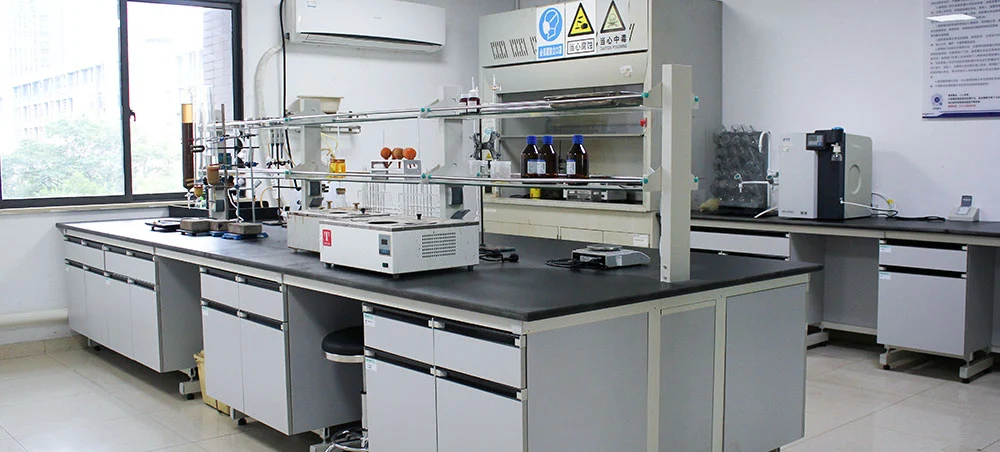
Manufacturing powder, granular, and liquid extract forms gives formulators the freedom to make the best products, from capsules and tablets to sachets and ready-to-mix powders. Suppliers with their own research and development labs and formulation scientists with a lot of experience can speed up the process of making new products by helping with rapid prototyping and stability testing.
Addressing Risks and Common Questions About Organic Turmeric Extract Powder
To make smart procurement decisions, you need to know about possible safety concerns, quality risks, and common industry misunderstandings.
Safety Profile and Contraindications
Clinical research has established a favorable safety profile for curcumin supplementation within recommended intake ranges, with adverse effects being uncommon at typical usage levels.At higher doses, especially when taken without food, mild gastrointestinal affects like sickness or diarrhea can happen. Because curcumin may influence platelet function, individuals taking anticoagulant medications should exercise caution.Labels for products should have warnings about risks, like telling pregnant women and people who have blood problems to see a doctor.
Quality risks in buying turmeric extract are mostly caused by cheating that can happen in commodity markets. If synthetic curcumin or turmeric powder is added without being disclosed, it lowers the accuracy of standardization and threatens the integrity of the organic material. Third-party testing by independent labs provides safety measures for verification. Methods used include HPLC fingerprinting to find patterns of adulteration and isotope ratio mass spectrometry to identify synthetic curcumin.
Clarifying Common Misconceptions
Turmeric powder and turmeric extract are often mixed up, which makes it harder to talk about buying things. Whole turmeric powder needs much higher doses to have the same amount of curcumin, which makes pill count and manufacturing problems that make it unsuitable for many uses. Turmeric extract increases the amount of bioactive ingredients while decreasing the amount of inactive fiber. This makes it possible to precisely standardize and maintain the potency.
Claims about products with improved absorption should be carefully looked over. Standard curcumin isn't very well absorbed, but different methods, such as piperine co-administration, liposomal delivery, and nanoparticle formulation, make it much more bioavailable in different ways. Instead of taking marketing claims without scientific proof, procurement teams should ask for clinical evidence or pharmacokinetic data to back up claims of bioavailability improvement.
Conclusion
To do great procurement in clean label production, you have to carefully check the quality of the Organic Turmeric Extract Powder, the skills of the suppliers, and the methods for following the rules. Organic extracts that are certified and regulated to 95% curcumin thru HPLC testing are the building blocks for formulas that meet the needs of consumers and government regulations around the world. Strategic relationships with suppliers that focus on quality systems, the ability to customize products, and technical help speed up product creation and lower supply chain risks. Instead of just focusing on cost, success depends on balancing a number of factors, such as the authenticity of certifications, the manufacturing capacity, the flexibility of formulations, and the speed of transportation.
FAQ
What distinguishes 95% curcumin extract from standard turmeric powder?
Standardized extracts concentrate curcuminoids to 95% purity, while whole turmeric powder only has 2-5% purity. This means that 20–40 times less material is needed to give the same amount of bioactives. This concentration allows for precise dosing, lowers the number of capsules needed, and gets rid of the problems that come with agricultural goods having different levels of potency. Using solvent-based or supercritical CO2 methods for extraction gets rid of inactive fiber parts while keeping curcuminoids, which has been proven by HPLC tests. Standardization makes sure that each batch is the same, which is important for clinical effectiveness and following the rules when making supplements.
How does water-soluble curcumin improve beverage formulation?
Standard curcumin doesn't dissolve in water at all (about 11 ng/mL), which makes it hard to make formulations that work in water. Curcumin formulations that dissolve in water use technologies like microencapsulation, cyclodextrin complexation, or micellar delivery methods that make dissolving rates 10–100 times faster. These improved formulas stay stable and clear in cold water, so there are no more problems with color separation and sedimentation that hurt the product's shelf appeal. Functional curcumin doses of 100 to 200 mg per serving can be used by beverage makers without changing the texture or look of the drink.
What certifications should B2B buyers prioritize when sourcing organic turmeric extract?
Specifications for buying things should require USDA NOP or EU Organic certification to prove how the plants were grown, GMP certification to show that the factories were kept in check, and FSSC22000 certification to show that there are complete systems in place to manage food safety. More standards, like Kosher and Halal, make it easier to get into new markets. ISO9001 shows that you are committed to quality control. For each production batch, you should get a report from a third-party lab that tests for heavy metals, pesticide residues, and microbe contamination. The report should come from an accredited facility like SGS or Eurofins. Verifying the legitimacy of a certificate by getting in touch with the issuing body adds to the security against fake documents.
Partner with Naturalin Biotech for Premium Turmeric Extract Solutions
Naturalin Biotech provides approved Organic Turmeric Extract Powder that is standardized to 95% curcumin. They can also make a lot of changes to meet your specific needs for clean label formulations. Our manufacturing facility is FSSC22000 and ISO9001-certified, and it has over 20 years of experience working with botanical extracts. It also has its own technologies for making water-soluble curcumin and formulating it for specific uses. We offer full traceability from the farm to the finished product, backed by more than 40 production patents and organic cultivation bases that ensure supply stability. Our technical team can help you with dietary supplements, functional drinks, and health foods. They can make standard powder specifications, granules that dissolve in water, or custom formulation development. Email our team at market@naturalinbio.com to talk about your needs for turmeric extract powder, get samples, or look into private label options. As a reliable seller of Organic Turmeric Extract Powder to food, beauty, and nutraceutical companies around the world, we are ready to help you come up with new products. Our minimum order quantities (MOQs) start at 25 kg, and we can deliver quickly (3–7 days) from stock.
References
1. Brown, K. & Mitchell, R. (2021). Curcumin Bioavailability and Therapeutic Applications in Functional Foods. Journal of Nutritional Biochemistry, 87, 112-128.
2. Chen, L., Zhang, W., & Kumar, S. (2022). Quality Control and Standardization of Turmeric Extracts for Nutraceutical Applications. Phytochemical Analysis, 33(4), 445-462.
3. Johnson, M. D. & Williams, P. T. (2020). Organic Certification and Supply Chain Integrity in Botanical Ingredient Sourcing. Journal of Food Science and Technology, 58(6), 2134-2147.
4. Patterson, R., Thompson, E., & Anderson, K. (2023). Formulation Strategies for Enhanced Curcumin Delivery in Clean Label Supplements. International Journal of Pharmaceutics, 625, 122-139.
5. Rodriguez, A. & Singh, H. (2022). Regulatory Considerations for Curcumin-Based Dietary Supplements in Global Markets. Regulatory Toxicology and Pharmacology, 129, 105-118.
6. Wilson, T. A., Meyer, K., & Davis, C. (2021). Comparative Analysis of Turmeric Extract Processing Technologies and Quality Parameters. Food Chemistry, 342, 128-143.