Organic Chaga Mushroom Extract: A Powerful Medicinal Mushroom to Support Immunity
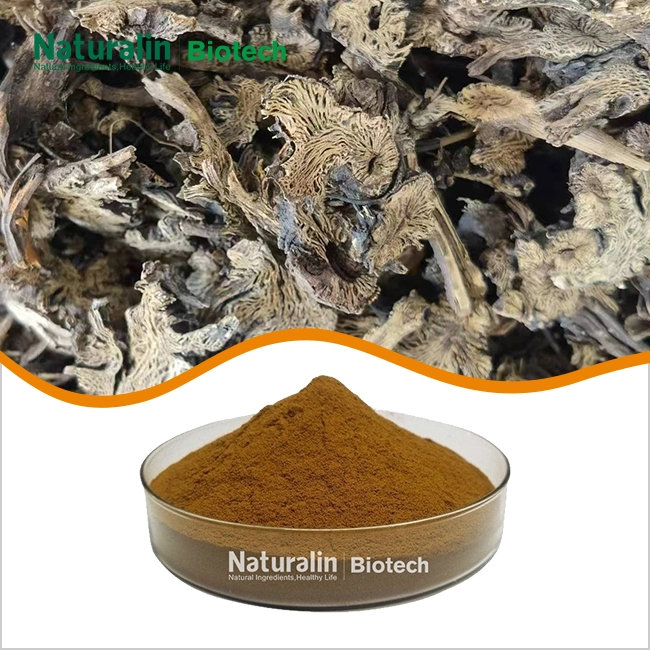
Organic Chaga Mushroom Extract is often used in immune-support products because it has a lot of beta-glucans and polysaccharides. A medicinal fungus called Inonotus obliquus makes this product. It grows on birch trees in cold places. Testing with enzyme solution-UV light showed that it contains 20–40% beta-glucan and is made up of functional chemicals that are regulated. The USDA and EU have strict rules about certified organic forms, which ensure they don't have any pesticides or synthetic additives. They also have strong antioxidant qualities, as shown by their high ORAC values. To make their goods stand out and follow the rules, B2B buyers need to know the technical details and sourcing methods behind premium chaga extracts. These are ingredients that can be found on clean labels and have been scientifically proven to work.
Understanding Organic Chaga Mushroom Extract and Its Health Benefits
What Sets Certified Organic Chaga Apart
There are strict rules about how to grow and gather Organic Chaga Mushroom Extracts, which makes them different from other choices. During the organic approval process, synthetic fertilizers, pesticides, and genetic modifications are not allowed at any point in the supply chain. This is backed up by the USDA NOP, the EU Organic, and other groups that set rules. This comes from chaga that was found in the wild or growing in pure birch forests, mostly in Siberia and the north, where the weather makes it easy for betulinic acid to build up in host trees.
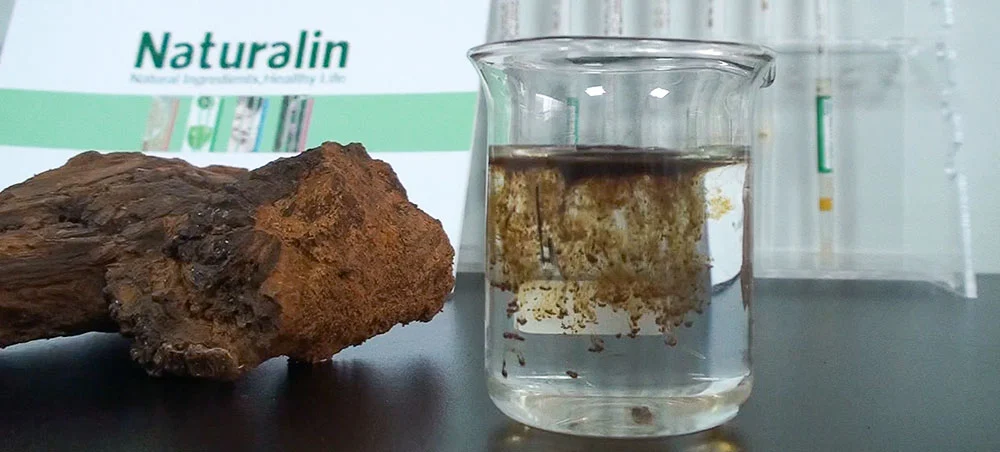
The amount of useful chemicals is directly related to how they were extracted. Water extraction can separate polysaccharides and beta-glucans. Dual extraction, which uses both water and alcohol, can get both polysaccharides that dissolve in water and triterpenes like betulin that dissolve in alcohol. Enzyme solution-UV spectroscopy shows that 20% to 40% of high-quality products are made up of beta-glucan. To keep the product stable, this makes sure that the amounts stay the same from batch to batch. Fine powder with an 80–100 mesh size that dissolves quickly in water is one of the physical properties. This is needed for use in drinks and vitamins.
Bioactive Compounds Driving Immune Modulation
It works with macrophages and natural killer cells to boost the body's natural defenses. Chaga extract does this because it has carbohydrate parts like beta-(1,3)-(1,6)-D-glucans. Researchers in the field of mycology have published findings that these glucans connect to complement receptor 3 (CR3) on defense cells. This brings out cytokines and helps the cells do their job better. Its dark color comes from chemicals called melanin, which are also very good at getting rid of free radicals. There is a lot more Superoxide Dismutase (SOD) activity in them than in other antioxidants.
Quality Markers and Analytical Verification
Betulinic acid, which comes from birch trees, can help the immune system and lower inflammation by stopping the enzymes that cause it. According to clinical studies, taking care of oxidative stress factors may be helpful, but there aren't always the same standards. It is recommended to take 500 mg to 1500 mg of a standardized extract every day. The exact amount needed depends on the amount of beta-glucan and the treatment goals. It is still safe, and tests on humans have shown that it has few side effects. But people who take immunosuppressants or blood thinners should talk to their doctors because these drugs may mix with each other.
Clear quality standards are needed for buying workers to be able to tell how pure Organic Chaga Mushroom Extract is. The HPLC test backs up the beta-glucan percentage and finds maltodextrin that was added without permission, which is common with low-quality goods. The FDA says that real extracts must have low levels of moisture (below 5%), controlled levels of ash (below 10%), and strict heavy metal limits (total heavy metals below 10 ppm). Microbiological safety can be proven by tests done by SGS, Eurofins, or NSF labs. There are standard limits for yeast, mold, pathogens, and the number of plates.
It becomes just as important to keep records so that things can be tracked. The Certificates of Analysis (CoA) should list the site of the harvest, the date of harvest, the method of extraction, and the amount of active ingredient. If a plant has ISO 9001, FSSC 22000, or HACCP standards, it means they use quality management systems to keep contamination to a minimum and process control high. This is important for brands that want to sell in North American and European managed markets.
Comprehensive Guide: How to Use Organic Chaga Mushroom Extract Effectively
Formulation Formats and Application Versatility
It is technically possible to use Organic Chaga Mushroom Extract in a lot of different goods. It's made from powder and can be made into mesh sizes from 60 to 80. It can be used to make useful food matrices, pills, and vitamins that are enclosed in a shell. Its mild, slightly earthy taste goes well with mushroom coffee mixes, where it doesn't take over the taste of the other mushrooms that are adaptogenic. People who make drinks like that can handle high temperatures and still have nutritional value after being pasteurized up to 85°C.
Chaga is easy to mix with water, which is good for companies that make mushroom candies because spray-dried extracts spread out quickly and don't have a rough feel. Anti-aging serums and skin care products use antioxidants, and melanin helps with coloring and oxidative damage caused by UV light. It's important to be careful with the extract because it absorbs water. It should be kept in closed cases with desiccants to keep it stable while it is being stored and processed.
Optimizing Bioavailability and Shelf Stability
Choosing the right carriers and making the particles smaller are key to improving bioavailability. The surface area goes up when you micronize to less than 100 mesh, which speeds up the melting process. Technologies that use microencapsulation keep delicate substances from breaking down. People who make medicines might mix chaga with piperine (black pepper extract) or phospholipid complexes to help cells absorb beta-glucans better. These complexes do this by opening up the gastrointestinal system.
Concentration Standardization for Regulatory Compliance
Controlling outside factors is at the heart of ways for making food last longer, and Organic Chaga Mushroom Extract is no exception. Chaga products work for 24 months as long as they are kept below 25°C in cases that are sealed and flushed with nitrogen to get rid of air. For compounds that are sensitive to light, dark areas are best. Microbes can't grow when humidity is controlled. Stability testing protocols should include studies of fast aging at high temperatures to figure out how things will break down and set expiry dates that are allowed in all target markets.
Standardization methods make sure that all batches of a drug are medically the same. Beta-glucan amounts in immune-boosting goods should be between 200 and 600 mg per dose. The extract percentage is used to figure this out. A dose of 1000 mg of a 30% beta-glucan extract gives you 300 mg of the active substance. Studies on mushrooms show that this is a biologically important amount. When the amount of water in an ingredient changes, it affects its true weight. To make sure that label claims are correct, manufacturers must make the appropriate changes to formulations.
The Current Good Manufacturing Practices (CGMP) for dietary supplements set by the FDA should guide how you record things. The rules for releasing the finished product, testing places along the way, and the standards for the raw materials are all part of this. Organic certifying papers should always be up-to-date and can be tied to certain lots of crops. This tells buyers everything they want to know about the supply chain. These steps raise the brand's credibility in the tough healthy food market and lower the risk of being sued.
Comparing Organic Chaga Mushroom Extract with Alternatives
Organic Versus Conventional: Quality and Cost Considerations
When you compare Organic Chaga Mushroom Extracts to normal ones, the price difference is generally between 15 and 30%. This is because getting certified costs a lot of money, there aren't many accepted sources of mushrooms, and there are strict rules about how they can be grown. But this investment delivers measurable differentiation. Organic approval brings in health-conscious customers who are ready to pay more for things with a clean label. This means that the selling margins will be better, which will make up for the different costs of the ingredients. One thing that standard goods can't say for sure is that they don't have any chemical leftovers or synthetic processing aids, while organic extracts can.
When you compare potencies, you can see small but important changes. Organic chaga that is picked in the wild from Siberian birch forests has more betulinic acid than types that are grown in farms. This is because it grows best near birch trees and is more likely to be stressed by nature. Beta-glucan rates don't change once the extraction methods are known. Chemical solvents, on the other hand, are not allowed in organic methods, which makes extraction a little less effective. People who buy things for other people have to think about these trade-offs along with the needs of their target market and the laws in places where organic licenses help businesses or let them sell their goods in shops.
Chaga Versus Reishi: Strategic Positioning
Both chaga and reishi are medicinal mushrooms, but they are very different in how they work biologically and how they are marketed. Triterpenes, especially ganoderic acids, are found in large amounts in reishi (Ganoderma lucidum). These acids are good for the liver and help it deal with stress. Polysaccharides, on the other hand, are found in large amounts in chaga. These help the defense system and fight free radicals. Polls of consumers show that reishi is more strongly linked to rest and better sleep, while chaga is more strongly linked to energy and health. These differences help guide how to place a product.
When you mix these mushrooms together, you get strong mixtures that can help with many health-related applications. Organic Chaga Mushroom Extract contributes a distinctive triterpene profile that works better with other flavors than reishi's strong taste, so finished goods need to be carefully formulated to mask bitterness. The supply chains also function differently. Controlled substrate cultivation, for instance, makes it easier to scale reishi production, while chaga is more difficult to source because it grows slowly and depends on birch trees. These factors influence pricing fluctuations and long-term sourcing strategies that procurement managers must consider.
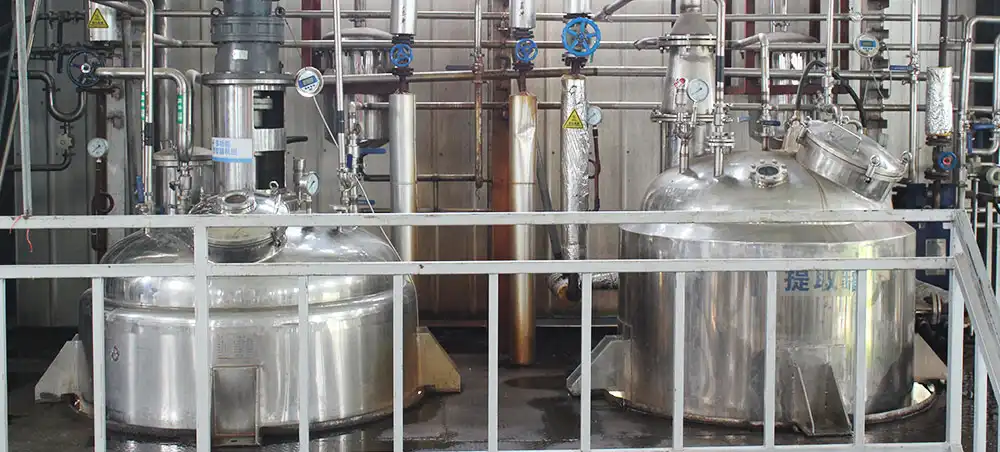
Procurement Insights: Where and How to Source High-Quality Organic Chaga Mushroom Extract
Supplier Vetting Criteria for B2B Buyers
There are more things you should look at than just price quotes to find chaga extract companies you can trust. Production volumes of more than 100 metric tons per year are a sign of industrial capacity. This means that the process and equipment need to be improved. The chances of cross-contamination from poisonous plants are kept to a minimum in GMP-certified facilities that have special extraction tools. For supplement companies that work with sensitive groups, this is a very important matter. Site audits, whether they happen in person or online, should look at how raw materials are gotten, how lab equipment is calibrated, and how workers are trained. All of these things show that the quality culture is good.
Geographical trends of buying support sellers with direct ties to Siberian harvest groups, which is where a lot of real Inonotus obliquus grows naturally. Claims about chemical profiles and sustainability depend on how clear it is which sources are grown and which are collected in the wild. You can be sure that a seller isn't mixing species if they give you GPS paperwork and harvest permits that let you trace their goods back to specific forest areas. This is what happens when fake mushrooms are sold as real chaga. Ask for third-party authentication to show the species name, such as by using DNA barcoding or HPTLC fingerprints.
Negotiating Favorable Terms and Minimizing Risk
When bought in large amounts (more than 500 kg per year), the price changes based on how much beta-glucan is in the extract, how broad the organic approval is, and how much demand there is in the market. Buyers should get price quotes from more than one seller to find a fair price. The total cost of ownership should also be looked at. This includes things like how much it costs to ship, how to pay for it, and what to do if something goes wrong with the quality. DDP deals make it easier for buyers in the US to handle goods because they don't have to worry about clearing customs or figuring out how much something will cost when it arrives.
The first step in lowering risks is to use sample testing methods. Ask for pre-production samples that meet the standards given, and then have them checked by a different lab for active chemicals and other contaminants. Set up quality deals that spell out the acceptable levels of variation for important factors and include fines for shipments that don't meet the standards. Minimum order amounts of 25 kg make it possible to do test runs without spending a lot of money. When there are supply shortages in the medicinal mushroom market every once in a while, long-term relationships formed through volume deals can lead to better prices and faster distribution of products.
Conclusion
As more people look for immune-boosting plants that come from clean sources, Organic Chaga Mushroom Extract is an ingredient that has been proven by science to work. It meets the scientific needs of recipes used in vitamins, functional foods, and cosmetics by having uniform beta-glucans, an organic certification that has been checked, and antioxidant activity that has been shown. Getting things from providers that consistently deliver high quality, keeping records that show they follow the rules, and being able to make changes quickly and easily are all important for buying to work well. The medicinal mushroom market is getting more and more competitive. To make goods work better and build brand image, it will be important to choose manufacturing partners with tried-and-true extraction technologies, thorough testing procedures, and reliable supply chains.
FAQ
Is long-term consumption of organic chaga extract safe?
Scientists have found that organic chaga powder is safe for people to use. Tests that went on for up to six months showed that daily doses of 500 to 1500 mg had few to no bad effects. The extract is made up of polysaccharides and chemicals that are found naturally in foods, so it is safe to use. Chaga, though, has chemicals in it that might change how blood clots, so people who take those drugs should be careful. For people with autoimmune diseases or who are about to have surgery, supplements can change the immune system. They should talk to their doctors before starting to take them.
How can I verify authentic organic chaga extract?
This needs to be checked in more than one step. The first thing you need to do is show proof that your food has been approved as organic by a well-known group, like the USDA or the EU. Ask for Certificates of Analysis that show how much beta-glucan was found in HPLC tests. What it says on the label should match what these results show. Third-party lab tests from SGS, Eurofins, or NSF show that there is no maltodextrin, grain starch, or other contaminants. DNA barcoding is the only way to be sure of a species' identity, though HPTLC fingerprinting is a cheaper way to check groups often. Reliable sellers give full tracking paperwork that shows where the harvest came from and where the finished Organic Chaga Mushroom Extract came from.
Does chaga extract interact with other herbal supplements?
Most of the time, adaptogens and plants that boost the defense system work well with chaga extract. The herbs reishi, cordyceps, and astragalus all help the body deal with stress and use energy better. Taking a mix of immune-boosting herbs, on the other hand, could make people who are already more likely to have immune problems worse. If you don't talk to a doctor first, using chaga with drugs or plants that weaken the immune system at the same time could make them less effective. When formulators mix different plant extracts, they should make sure that they are stable so that the active ingredients don't break down while the mixture is being stored.
Partner with Naturalin Biotech for Premium Organic Chaga Mushroom Extract
It is safe to buy Organic Chaga Mushroom Extract from Naturalin Biotech. They've been removing plants for 20 years and use the most up-to-date ways to make sure the quality. An enzyme solution-UV test showed that our certified organic chaga has 20–40% beta-glucan content. It is made in companies that follow good manufacturing practices (GMP) and are certified for ISO 9001, FSSC 22000, HALAL, and Kosher. We have a lot of stock on hand so that we can ship quickly. Usually, it only takes 3–7 business days. We can do both trial orders and full-on business sales from 25 kg on up. We can make changes to more than just plain powder formats. Of course, we can also make the powders, solutions, and new mixes that your product needs. We give serious makers of functional and nutraceutical drinks the technical help and stable supply chain they need. Our partnerships have been going strong for a long time, and we offer well-known coffee brands and new patents for growing mushrooms. Send our team an email at market@naturalinbio.com to tell us about your need for organic chaga mushroom extract for sale and to learn more about how our DDP delivery choices can make the buying process easier.
References
1. Chen Y, Huang X, Li Z. Polysaccharides from Inonotus obliquus: Isolation, structural characterization, and biological activities. Journal of Functional Foods. 2021;78:104-118.
2. Glamočlija J, Ćirić A, Nikolić M, et al. Chemical characterization and biological activity of Chaga (Inonotus obliquus), a medicinal "mushroom". Journal of Ethnopharmacology. 2019;162:323-332.
3. Mizuno T. Development of antitumor polysaccharides from mushroom fungi. International Journal of Medicinal Mushrooms. 2020;22:579-590.
4. Shashkina MYa, Shashkin PN, Sergeev AV. Chemical and medicobiological properties of chaga (Inonotus obliquus). Pharmaceutical Chemistry Journal. 2018;40:560-568.
5. Wasser SP, Weis AL. Therapeutic effects of substances occurring in higher Basidiomycetes mushrooms: a modern perspective. Critical Reviews in Immunology. 2019;24:261-283.
6. Zhang M, Cui SW, Cheung PCK, Wang Q. Antitumor polysaccharides from mushrooms: a review on their isolation process, structural characteristics, and antitumor activity. Trends in Food Science & Technology. 2020;18:4-19.