Milk Thistle Extract Powder Provides Standardized Solutions For Product Developers
For product developers navigating the complexities of functional ingredient sourcing, Milk Thistle Extract Powder represents a proven solution rooted in clinical validation and manufacturing reliability. Derived from the seeds of Silybum marianum, this botanical ingredient offers standardized silymarin concentrations that address the dual demands of product efficacy and regulatory compliance. Whether formulating liver wellness products, functional beverages, or cosmetic actives, sourcing partners who understand batch consistency, testing rigor, and supply chain transparency become pivotal to commercial success in competitive markets.
Understanding Milk Thistle Extract Powder and Its Benefits for Product Developers
Milk thistle has been extensively studied for its functional properties, which are primarily attributed to silymarin—a complex of flavonolignans including silybin, silydianin, and silychristin. The most bioactive component, silybin, functions as an antioxidant by neutralizing free radicals and supporting cellular membrane stability. Clinical research has demonstrated its role in supporting the body's natural physiological processes and maintaining cellular health during normal metabolic function.
Botanical Origin and Chemical Composition
In their natural state, Silybum marianum seeds have 1.5% to 3% silymarin in them. This complex is usually extracted commercially to therapeutic amounts, with silymarin content range from 50% to 80%. Using advanced extraction methods with ethanol or ethyl acetate solvents and then processing steps to make powders that can be used in pharmaceutical and nutritional settings. To keep the delicate flavonolignan structure while getting rid of unwanted tannins and fatty acids, these steps must be carefully controlled.
Clinical Support and Safety Profile
Human studies have established a favorable safety profile for silymarin within established daily intake ranges, with minimal adverse effects reported.The extract is not very bioavailable in its natural state because it doesn't dissolve well in water. This is why formulation scientists are looking into ways to combine it with phospholipids or cyclodextrins. When making delivery forms that improve absorption and treatment results, it helps product makers to understand these biological processes.
Applications Across Industries
In addition to traditional liver wellness products, milk thistle extract is used in functional beverages supporting overall wellness, in cosmetics utilizing antioxidant properties for skin health, and in animal nutrition products that help the livers of animals. For every use, there are specific scientific requirements for how well the formula dissolves, how stable it is during processing, and how well it works with other formula components.
Comparing Types and Quality Standards of Milk Thistle Extract Powder for Product Development
Selecting the right product format has a significant impact on manufacturing efficiency, application flexibility, and customer acceptance. Milk Thistle Extract Powder is one of the most commonly purchased forms by businesses because it can be widely used in capsules, tablets, functional beverages, and other nutritional products. A reliable Milk Thistle Extract Powder supplier provides different standardized grades to help buyers match ingredient requirements with product positioning and regulatory expectations. Understanding the differences between various grades of Milk Thistle Extract Powder allows procurement teams to select specifications that meet both market demands and compliance requirements. High-quality Milk Thistle Extract Powder offers consistent active ingredient levels, stable performance, and better adaptability for different formulations. By working with an experienced Milk Thistle Extract Powder manufacturer, businesses can ensure that their products achieve the desired quality standards while supporting efficient production processes. Careful selection of Milk Thistle Extract Powder helps companies improve product development, maintain consistency, and build stronger customer trust in competitive health and nutrition markets.
Standardization Levels and Testing Methods
Naturalin Biotech has three main levels of standards to meet the needs of a wide range of formulations.The 80% silymarin grade, verified by UV spectrophotometry, offers excellent value for nutritional products where labels emphasize total silymarin content.The 30% silybin standard, which is measured using HPLC, is for high-end products that need more of the most bioactive ingredient. The silymarin version that dissolves 40% in water is used in liquid supplements and drinks where dispersion is important. Each specification goes through strict third-party validation at SGS or Eurofins laboratories to make sure it is correct and find any signs of tampering.
Organic Certification and Market Positioning
Certified organic ingredients cost more, but they can be sold through natural product outlets and to health-conscious customers. Our sites keep their EU and NOP organic certifications up to date, making sure they meet the needs of both European and North American markets. When choosing between organic and conventional grades, purchasing managers have to think about the extra cost in relation to the benefits in terms of market positioning and the needs of the retailers.
Physical Properties and Manufacturing Compatibility
The way particles are distributed in size has a direct effect on how well automatic encapsulation equipment works and how evenly powder formulations mix. Our standard 80-mesh grind goes through a 180-micron screen, which gives it great flow properties while keeping the bulk density low for easy shipping. Custom mesh sizes, such as 60-mesh options, can be made to fit the needs of special processing tools or formulas. The amount of moisture is kept below 5% to stop microbes from growing and make sure that the product will stay stable for two years in an open building.
Procurement Strategies for Milk Thistle Extract Powder in B2B Contexts
A successful buying process includes more than just negotiating prices. It also includes evaluating the capabilities of suppliers, checking the quality system, and managing risks in the supply chain. From working with global supplement companies and regional functional food brands, we've learned a few important factors for review.
Supplier Qualification and Certification Verification
Certifications for manufacturing facilities provide an objective way to demonstrate the maturity and reliability of a quality management system for Milk Thistle Extract Powder production. Professional Milk Thistle Extract Powder manufacturers maintain strict standards such as ISO9001 quality management systems, FSSC22000 food safety certification, and GMP compliance to ensure production environments meet pharmaceutical-grade requirements. These certifications are reviewed through annual third-party audits, and customers can access verification results to confirm the reliability of their Milk Thistle Extract Powder suppliers. Halal and Kosher certifications further expand the market opportunities for Milk Thistle Extract Powder by supporting customers with specific dietary and cultural requirements. Procurement teams should request current certification documents when evaluating a Milk Thistle Extract Powder supplier and confirm that all compliance responsibilities cover the exact products being purchased. Working with a certified Milk Thistle Extract Powder manufacturer helps businesses reduce quality risks, improve supply chain transparency, and ensure consistent product standards. Reliable Milk Thistle Extract Powder suppliers with complete certification systems provide stronger support for companies seeking safe, compliant, and high-quality botanical ingredients.
Minimum Order Quantities and Sample Protocols
We know that product development schedules need a range of flexible sourcing options. Formulation tests can be done with sample amounts as low as 100 grams, without having to spend a lot of money. Trial orders for a few kilograms help with stability testing and pilot production runs before going up to full commercial volumes. Commercial orders start at 25 kilograms, which strikes a balance between how efficiently the factory works and how well the customer manages their stock. This tiered method lowers the financial risk during the product development cycle while still letting people get the same quality materials.
Logistics and Lead Time Management
Ready-to-ship items that are in high demand can be delivered in 3–7 business days to North American destinations by DHL or FedEx express. Ocean freight is cheaper for shipments of more than 100 kilograms, and containerized shipping should be set up through reputable freight forwarders who know how to handle plant ingredients. For US customers, our team handles the full DDP (Delivered Duty Paid) service, which includes clearing customs and making sure the package gets delivered safely across borders. Temperature-controlled shipping keeps the quality of the goods safe while they're in travel, especially for summer packages to places with warm weather.
Why Product Developers Prefer Standardized Milk Thistle Extract Powder: A Rational Choice Approach
Standardization gets rid of the biggest problem formulators face when they use raw plant materials: batch-to-batch variation that makes it hard to trust the label claims and make the product work properly. Standardized extracts make sure that the levels of bioactive compounds stay the same, which makes manufacturing more predictable and helps companies follow the rules.
Predictable Product Performance
Formulators who are making liver-supporting products that aim for 175 mg of silymarin per serving can confidently figure out how much raw material they will need when they use 80% standardized extract. This mathematical guarantee goes all the way through planning production, testing for stability, and the shelf life of the final product. When materials aren't standardized, there are safety margins that have to be used, which can drive up costs or cause label claims to fail during regulatory testing.
Regulatory Compliance and Label Accuracy
Under 21 CFR Part 111 of the FDA's rules, companies that make dietary supplements have to make sure that their goods contain exactly what is said on the labels about their identity, purity, strength, and make-up. The analytical proof needed to meet these standards is the HPLC testing report that comes with each output lot. Our internal quality standards keep specs even stricter than what our customers need. This makes sure that we follow the rules, even when different labs use slightly different analytical methods.
Supplier Evaluation Criteria
In addition to analytical certificates, procurement managers should check how open a supplier is about where they get their raw materials. In Europe, where the temperature and soil are ideal for growing seeds, we keep direct ties with partners in farming. Traceability paperwork keeps track of each production lot from the time it is picked in the field until it is packaged. Technical support teams that are quick to respond answer questions about formulation and give stable data to back up promises about shelf life. With private labeling, brand owners can put out goods without having to spend a lot of money on making equipment.
Case Studies and Practical Applications in Product Development
Real-life examples show how choosing the right ingredients strategically can lead to business success. We've helped start a lot of supplements, drinks, and cosmetics, and each one needed its own unique set of technology solutions.
Dietary Supplement Formulations
A regional wellness brand wanted to improve the bioavailability and market appeal of its liver wellness formulation by using high-quality Milk Thistle Extract Powder as a key ingredient. We collaborated on a customized formula that created a phytosome complex by combining 30% silybin extract from Milk Thistle Extract Powder with phosphatidylcholine to enhance absorption performance. Stability testing showed that the finished formulation remained stable during 24-month storage at room temperature, meeting the shelf-life requirements for retail distribution. The concentrated silybin content provided by premium Milk Thistle Extract Powder allowed for a smaller serving size, reducing the number of capsules required and improving consumer convenience. By selecting a reliable Milk Thistle Extract Powder supplier with advanced formulation capabilities, brands can develop more effective and competitive wellness products. This successful application of Milk Thistle Extract Powder demonstrates how standardized botanical ingredients can support product innovation, improve user experience, and create long-term value in the health supplement market. High-quality Milk Thistle Extract Powder with consistent active compound levels helps manufacturers achieve better formulation stability and meet the expectations of modern consumers.
Functional Beverage Applications
Standard extracts are lipophilic, which makes it hard to mix them with drinks. Water-soluble silymarin gets around this problem. A functional beverage maker used our 40% water-soluble grade to make a detox tea mix, which had a clear solution appearance with no sedimentation. To hide the bitter taste, natural sweeteners and botanicals that work well with it had to be added. Testing for heat stability showed that the extract could withstand pasteurization temperatures without breaking down, which allowed for commercial bottling.
Cosmetic Active Ingredient Integration
Because it is an antioxidant, silymarin can be used in cosmetics to help fight aging and protect the skin. A personal care brand made a face serum with 80% silymarin extract that is meant to protect against external stress. Problems with solubility were fixed by adding the substance to the oil phase and using ethanol as a transport fluid. Consumer impression studies showed that skin shine scores got better after 28 days of use, which backs up marketing claims and the high rate of repeat purchases.
Conclusion
To find the right ingredient partner, companies need to balance detailed evaluation, production capabilities, and supply chain reliability when sourcing Milk Thistle Extract Powder. Standardized specifications for Milk Thistle Extract Powder eliminate formulation uncertainty and help ensure that products consistently meet regulatory requirements and performance expectations. Procurement teams benefit from working with Milk Thistle Extract Powder suppliers that provide flexible minimum order quantities, complete certification packages, and professional technical support throughout the product development process. A reliable Milk Thistle Extract Powder manufacturer can help brands maintain consistent quality while adapting formulations to changing market demands. As consumer interest in liver wellness and metabolic support products continues to increase, strategic sourcing of Milk Thistle Extract Powder has become an important factor that separates successful brands from companies that simply follow market trends. Choosing a trusted Milk Thistle Extract Powder partner allows businesses to improve product stability, strengthen supply chain management, and create long-term competitive advantages in the health and nutrition industry. High-quality Milk Thistle Extract Powder with reliable sourcing and consistent specifications provides the foundation for developing effective and market-ready wellness products.
FAQ
What is the recommended dosage for liver health support?
Clinical studies have evaluated silymarin within established daily intake ranges, typically divided into multiple servings. When determining serving sizes, product developers should consider the standardization level of their chosen extract to ensure appropriate bioactive delivery aligned with their formulation goals.
Are there potential side effects or contraindications?
Milk thistle has demonstrated an excellent safety profile in clinical studies, though mild gastrointestinal discomfort has been occasionally reported at higher intake levels. Individuals with known allergies to plants in the Asteraceae family should exercise caution. As with any botanical ingredient, pregnant or nursing women and those taking prescription medications should consult their healthcare providers before use.
How can I verify the authenticity and potency of purchased powder?
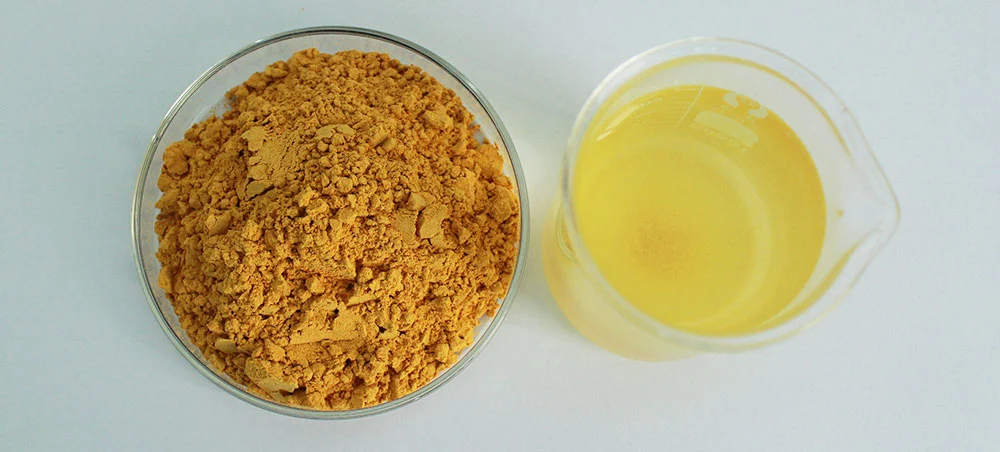
Ask for Certificates of Analysis that show the results of the HPLC tests for each production lot. External testing by reputable labs like Eurofins or NSF adds another layer of assurance. A close look should show that it is a light yellow to brownish yellow color, has the consistency of fine powder, and has the usual mild smell. Any variations could mean that it has been tampered with or isn't working properly.
Partner With a Trusted Milk Thistle Extract Powder Supplier
Naturalin Biotech has been making plant extracts for more than 15 years and can help you with your product creation problems. Our standard Milk Thistle Extract Powder meets the strictest quality standards. It has the ISO9001, FSSC22000, and GMP certifications that major brands need. Our technical team can help you with any problem, whether you need 80% silymarin for regular supplements, 30% silybin for high-end formulations, or water-soluble grades for use in drinks. We back up our solutions with thorough testing and a steady supply. We keep stock on hand that can be shipped right away, and we offer full DDP service to make it easier for you to get into the US market. You can ask for samples, talk about your formulation needs, and find out why top nutraceutical companies choose Naturalin Biotech as their chosen ingredient partner by emailing market@naturalinbio.com.
References
1. Flora K, Hahn M, Rosen H, Benner K. Milk thistle (Silybum marianum) for the therapy of liver disease. American Journal of Gastroenterology, 1998, 93(2): 139-143.
2. Wellington K, Jarvis B. Silymarin: a review of its clinical properties in the management of hepatic disorders. BioDrugs, 2001, 15(7): 465-489.
3. Abenavoli L, universe R, Milic N, Capasso F. Milk thistle in liver diseases: past, present, future. Phytotherapy Research, 2010, 24(10): 1423-1432.
4. Rainone F. Milk thistle. American Family Physician, 2005, 72(7): 1285-1288.
5. Saller R, Meier R, Brignoli R. The use of silymarin in the treatment of liver diseases. Drugs, 2001, 61(14): 2035-2063.
6. Post-White J, Ladas EJ, Kelly KM. Advances in the use of milk thistle (Silybum marianum). Integrative Cancer Therapies, 2007, 6(2): 104-109.