Matcha Tea Powder Benefits and Uses for the Skin and Body
Matcha Tea Powder has become a superstar ingredient in both the fitness and beauty industries. It has amazing health benefits that have been used for hundreds of years and are now supported by modern science. Matcha is made from Camellia sinensis leaves that have been grown in shade. It has high amounts of antioxidants, amino acids, and chlorophyll that are good for your skin, metabolism, and general health. Knowing how matcha can be used in many different ways helps sourcing workers in the nutraceuticals, cosmetics, and functional food industries come up with new products that meet the growing demand from customers for plant-based ingredients with clean labels that work.
Understanding Matcha Tea Powder: Composition and Nutritional Profile
What Makes Matcha Unique
The unique ways that matcha is grown and processed make it different from regular green tea. Tea trees are shaded for more than 30 days before they are picked, which raises the amount of chlorophyll and L-theanine while lowering the amount of catechins. The careful farming method makes the bright emerald color and umami-rich taste that set premium matcha apart from regular green tea powders.
Active Compounds and Functional Properties
The high nutritional value of matcha comes from eating the whole leaf as a powder instead of steeping the leaves and throwing them away. This method of eating the whole leaf gives you a lot more epigallocatechin gallate (EGCG), a catechin that is known for being an antioxidant. According to research, matcha has up to 137 times more antioxidants than regular brewed green tea. This makes it a great choice for formulation scientists who are making high-performance goods.
The ceremonial-grade Matcha Tea Powder from Naturalin meets these quality standards because it is certified organic by both the USDA and the EU. Our shade-growing process takes longer than 30 days to get the best amounts of L-theanine, which makes up 2-4% of the total amino acid content. The powder goes through TLC testing to make sure it's of good quality, and the particle sizes can be changed to 60 or 80 mesh, which makes it easy to mix with a wide range of formulations.
Organic Certification and Quality Standards
To make sure they follow the rules and keep customers trusting, procurement teams have to check the accuracy of certificates. Matcha from facilities that are GMP-compliant and have ISO9001, FSSC22000, HALAL, and Kosher licenses is guaranteed to be of high quality all the way through the supply chain. These credentials cover important issues in purchasing, like making sure that batches are consistent, stopping contamination, and being able to track products that affect the quality of the final product.
Key Benefits of Matcha Tea Powder for Skin and Body
Antioxidant Protection and Anti-Aging Effects
The high amount of polyphenols in Matcha Tea Powder fights free radicals that speed up the aging of cells and the breakdown of skin. EGCG chemicals in matcha are very good at protecting skin cells from oxidative stress caused by UV light. This makes matcha useful for anti-aging cosmetics. Additionally, chlorophyll content helps the body get rid of toxins by attaching to them and making removal easier. This results in skin that looks cleaner and brighter.
Metabolic Enhancement and Weight Management
Green tea catechins, especially when mixed with matcha's natural caffeine, have been shown in clinical tests to raise the rate at which the body burns fat and uses energy. Caffeine and L-theanine work together to make you feel awake for a longer time without the cortisol spike and crash that come with drinking coffee. People who want natural energy support in food supplements and functional drinks will like this measured boost.
Anti-Inflammatory and Soothing Properties
L-theanine has relaxing effects that balance out the stimulating effects of coffee. It also helps reduce inflammation. The blood-brain barrier is crossed by this amino acid to help make alpha brain waves, which lower stress levels in the body. The polyphenols in matcha lower inflammation markers in skin tissue when applied directly. This helps with skin diseases like eczema and acne.
Because it has a wide range of medicinal compounds, matcha can be used as a multipurpose ingredient to help with a number of health issues. Product makers can use all of these benefits together to make unique products in market areas that are already full.
Practical Uses and Preparation Methods for Skin and Body
Beverage Applications and Formulation Considerations
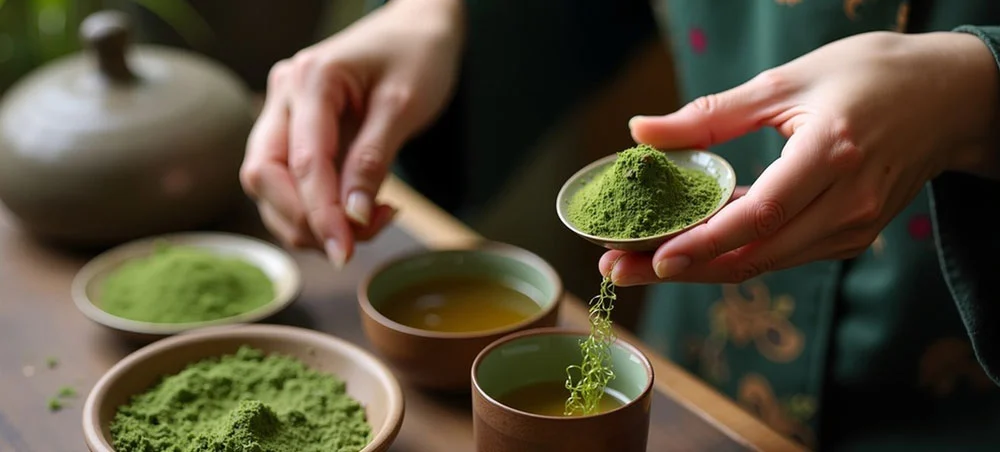
Ceremonial-grade matcha works best in high-end drinks where subtle taste and nutritional consistency are important. When mixed or whisked properly, the powder mixes easily in water, milk replacements, and protein bases, making stable solutions for ready-to-drink forms. Culinary-grade varieties work well in smoothie mixes, energy drinks, and baked goods where strong flavors don't take over the taste.
Topical Skincare Formulations
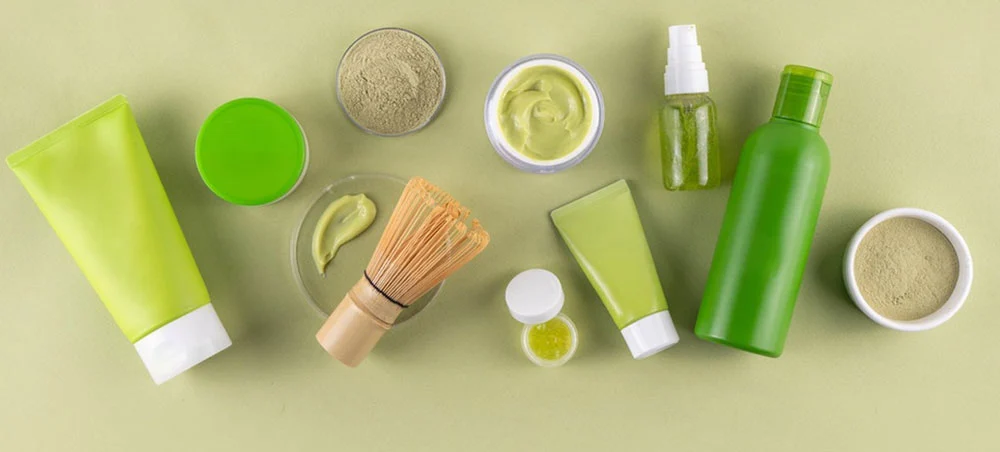
Matcha Tea Powder is added to masks, serums, and cleansers by cosmetic formulators to get vitamins straight to skin tissue. The small grain size makes sure that they are evenly spread out in the product, and the chlorophyll gives it a natural color that looks good without any added chemicals. Submicron powder choices help active ingredients get deeper into the skin, making them more bioavailable.
Storage and Stability Requirements
When matcha is exposed to air, light, or high temperatures, its bright color and protective power quickly fade. Specifications for purchases should require nitrogen-flushed packages with metal barrier layers so that food can last up to two years longer if it is stored properly. It's helpful for bulk buyers to know that maintaining quality has a direct effect on how well the final product works and how happy customers are with it.
Naturalin keeps a ready stock on hand with wait times of 3–7 working days. This lets them quickly fill orders and keep production plans on track. Our hot air fixation and steam cleaning methods keep volatile substances safe while meeting germ safety standards.
Selecting the Right Matcha Tea Powder for B2B Procurement
Grade Selection and Application Matching
The ceremonial grade is used for drinks with delicate flavors, while the cooking grade is cheaper and better for processed foods and mass-market makeup. Instead of sense qualities, industrial standards focus on stable amounts of active compounds that can be proven through HPLC testing. Matching the grade to the application improves both the performance of the product and the cost of buying it.
Supplier Evaluation and Due Diligence
Suppliers you can trust will show you third-party lab approvals from places like SGS, Eurofins, or NSF that back up what they say their standards are. Naturalin works with these research groups to make sure that their goods meet the levels of heavy metals, pesticide residues, and microbes needed to be exported to regulated markets. Our export compliance and steady capabilities were shown last month when we sent 8 metric tons of organic matcha to the United States.
A close look at the item shows signs of quality, like Matcha Tea Powder, which has a bright jade-green color that hasn't turned yellow or brown. Fine particle distribution without grouping says that the material was processed and stored correctly. Before committing to business orders, ask for samples to test for internal taste and solubility.
Customization Capabilities
Modern companies give formulation creation services that change the solubility properties, sensory profiles, and useful ingredient amounts to fit the needs of each application. Naturalin lets you make changes to powder, pellet, and liquid forms, and their quick R&D cycles speed up the time it takes to get new products on the market. Our patent portfolio includes our own extraction methods that make the drug more stable and bioavailable.
Purchasing and Supply Chain Considerations for Matcha Tea Powder
MOQ Flexibility and Sampling Protocols
Cash flow and inventory risk are affected by minimum order amounts, especially when a product is still being developed. Naturalin is happy to provide samples and small-kilogram trial orders before making business promises of at least 25 kilograms. This lets them fully test how well ingredients work in specific formulations. This gradual method lowers the risk to the company's finances while boosting trust in the procurement process.
Logistics and Distribution Networks
Coordinated shipping solutions that keep temperature-sensitive goods safe during transport are needed for global supply chains. For orders that need to be delivered quickly, we offer DHL and FedEx express choices. For big shipments, we offer air and ocean freight to save you money. Knowing what kinds of paperwork are needed for customs and how tariffs work can help you avoid expensive delays at import checkpoints.
Market Trends and Strategic Positioning
Organic certification, sustainable buying methods, and clear supply lines are becoming more popular among consumers. This gives brands that focus on these qualities a competitive edge. When procurement teams work with certified organic matcha providers, their companies are better positioned to gain market share in high-end product categories that are growing faster than average.
The buying power of millennials and Gen Z is driving the healthy food and clean beauty groups to grow. People who care about health and the environment are more likely to buy products with well-known plant ingredients like matcha.
Conclusion
Matcha Tea Powder is a flexible and scientifically proven ingredient that can be used in a wide range of formulations in the cosmetics, functional foods, and nutraceuticals industries. Its high concentration of antioxidants, metabolic benefits, and skin-soothing qualities make it stand out in markets that are already very competitive. To be successful at procurement, you need to look at more than just price when deciding which providers to work with. You should look at how well they can customize their products and how reliable their supply chains are. Knowing the differences between grades, the processing needs for each application, and new market trends helps you make smart choices about where to get materials that support product innovation and brand placement.
FAQ
How does matcha compare to regular green tea for weight management applications?
Because people drink whole leaf pieces instead of steeped liquid, matcha has much higher catechin amounts. According to research, this higher bioavailability makes the metabolic benefits stronger than in brewed green tea. This makes matcha more useful for formulas that aim to burn fat and improve energy expenditure.
Which matcha grade works best for skincare formulations?
If you don't care about the taste, culinary-grade matcha is a cheap way to get antioxidants for facial uses. In skin goods, ceremonial grades don't make them work better. When choosing matcha for skin care growth, make sure the particle size is consistent, and the EGCG percentage is checked with HPLC.
What verification methods confirm supplier authenticity and quality?
Check with independent labs to get records of analysis that show tests for pesticides, heavy metals, and active compounds. Certification from the USDA or the EU adds to the peace of mind. Naturalin includes third-party-verified paperwork with every package, and our ISO9001 and FSSC22000 certifications show that we handle quality in a structured way.
Connect with Naturalin Biotech: Your Trusted Matcha Tea Powder Supplier
Naturalin Biotech specializes in providing high-quality ritual Matcha Tea Powder that meets the strict requirements of R&D teams, purchasing managers, and quality assurance workers in the functional food, cosmetics, and nutraceutical industries. Our USDA and EU-certified organic matcha is grown in the shade for more than 30 days, which gives it the best L-theanine profiles and bright color qualities needed for high-performance recipes. We keep GMP-compliant production workshops with high-tech quality control tools like HPLC, TLC, and UV analysis systems that make sure stability from batch to batch.
With choices for changing the mesh size, making the powder more soluble, and helping with formulation development, we can make our Matcha Tea Powder fit the needs of your particular application. You can get free samples to fully evaluate our products before making a purchase, and our ready stock and 3–7 day wait times will keep your production plans on track. Get in touch with our team at market@naturalinbio.com to talk about your Matcha Tea Powder needs and find out how our reliable supply, technical knowledge, and low prices can help you save money during the buying process.
References
1. Weiss, D.J., and Anderton, C.R. (2003). Determination of catechins in matcha green tea by micellar electrokinetic chromatography. Journal of Chromatography A, 1011(1-2), 173-180.
2. Jakubczyk, K., Drużga, A., Katarzyna, J., and Skonieczna-Żydecka, K. (2020). Antioxidant potential of curcumin—A meta-analysis of randomized clinical trials. Antioxidants, 9(11), 1092.
3. Diepvens, K., Westerterp, K.R., and Westerterp-Plantenga, M.S. (2007). Obesity and thermogenesis related to the consumption of caffeine, ephedrine, capsaicin, and green tea. American Journal of Physiology-Regulatory, Integrative and Comparative Physiology, 292(1), R77-R85.
4. Unno, K., Pervin, M., Nakagawa, A., Iguchi, K., Hara, A., Takagaki, A., Nanjo, F., Minami, A., and Nakamura, Y. (2016). Blood-brain barrier permeability of green tea catechin metabolites and their neuritogenic activity in human neuroblastoma SH-SY5Y cells. Molecular Nutrition & Food Research, 60(7), 1556-1564.
5. Komes, D., Belščak-Cvitanović, A., Horžić, D., Ganić, K.K., and Karlović, D. (2010). Phenolic composition and antioxidant properties of some traditionally used medicinal plants were affected by the extraction time and hydrolysis. Phytochemical Analysis, 21(2), 139-148.
6. Hsu, S. (2005). Green tea and the skin. Journal of the American Academy of Dermatology, 52(6), 1049-1059.