Is Tomato Extract Powder The Ultimate Antioxidant Ingredient?
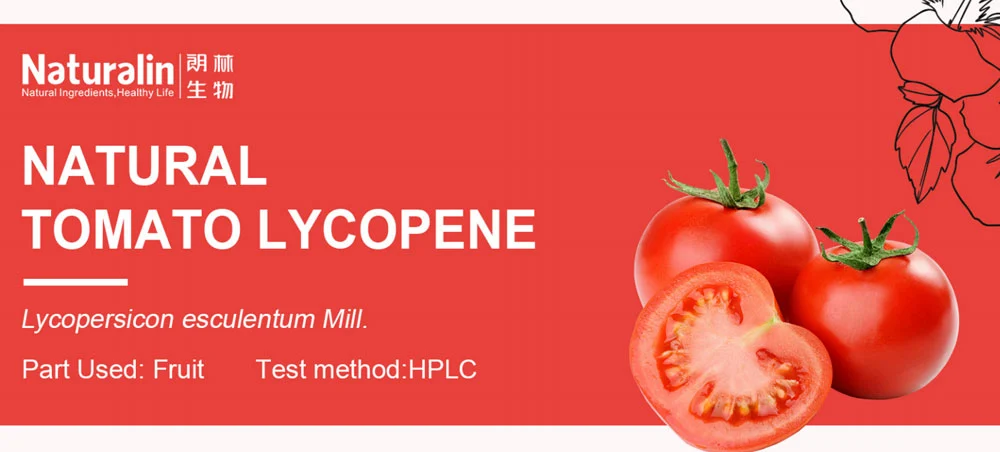
Tomato Extract Powder stands as one of nature's most potent antioxidant ingredients, concentrated with lycopene and bioactive compounds that far exceed the nutritional profile of fresh tomatoes. Through advanced extraction technology, this botanical powder delivers standardized antioxidant capacity essential for nutritional products, functional beverages, and cosmetic formulations. With specifications ranging from 1% to 10% lycopene verified by HPLC testing, it addresses critical B2B procurement needs for consistency, regulatory compliance, and supply chain stability in nutritional and food manufacturing applications.
Understanding Tomato Extract Powder and Its Antioxidant Properties
What Makes Tomato Extract Powder Different from Regular Tomato Products?
Concentration and uniformity are what make the difference. Tomato Extract Powder is a solvent-extracted, spray-dried ingredient that has been standardized to a certain lycopene level, which is usually between 1% and 10% and has been proven through HPLC. This is very different from tomato powder, which is just dried, ground tomatoes that contain about 0.03% lycopene. Fresh tomato paste or juice powder can't compare to the bioactive potency or shelf stability that comes from extraction.
Quantifiable Antioxidant Capacity Through Scientific Validation
Standardized assays make sure that the antioxidant performance can be measured in the way we make things. Beta-carotene is not as good at getting rid of free radicals as lycopene, which is the main carotenoid that has antioxidant activity. This lipophilic compound is separated during the extraction process, while other phytonutrients, such as phytoene, phytofluene, and gamma-carotene, are kept. This profile of multiple components causes synergistic antioxidant benefits that are useful in many industrial settings, from making food last longer to helping skin protection products work better in direct sunlight.
Critical Quality Markers for B2B Procurement
Aside from the general lycopene percentage, procurement pros should look at a number of other technical factors. The particle size distribution affects how quickly it dissolves and how well it works with other ingredients. Our standard 80 mesh grade makes it easy to mix into capsules and tablets, and our 60 mesh options meet the sensory needs of beverage applications. The way the product is made—whether it's through CO2 extraction, solvent extraction, or oleoresin preparation—affects the antioxidant profile and the paperwork that needs to be sent to different countries for approval.
Comparing Tomato Extract Powder with Other Tomato-Based Ingredients
Tomato Extract Powder Versus Standard Tomato Powder
Standard tomato powder is made by drying out and grinding up whole tomatoes. It keeps the fiber and natural sugars but doesn't have many active chemicals. This makes it hard to make supplements because the size of the capsules and the strength of the ingredients have a direct effect on how competitive the product is. These problems are not a problem with Tomato Extract Powder because the concentration ratios are close to 50:1. This means that 50 kg of raw tomatoes make about 1 kg of standardized Tomato Extract Powder. This concentration lets formulators get therapeutic doses in serving sizes that are useful while still making clean label claims.
Commercial Manufacturing Versus Homemade Solutions
Small-scale or home-made tomato powders don't have the process rules that are needed for making a lot of them. Changes from batch to batch in moisture content, microbial load, and active ingredient concentration are too dangerous for brands that need their products to work the same way every time. Spray-drying commercial Tomato Extract Powders at controlled temperatures stops the lycopene from breaking down at high temperatures and lowers the water activity to below 0.3, which is important for keeping microbes from growing during long-term storage and foreign shipping. Our factory keeps its GMP and FSSC22000 certifications up to date, which makes sure that every batch of products meets the strict quality standards needed for pharmaceuticals.
Organic Certification: Compliance Beyond Marketing Claims
Organic and standard Tomato Extract Powders are different in more ways than just where the main materials come from. Organic approval, whether it's based on EU, NOP, or similar standards, needs proof of everything in the supply chain, from how the plants were grown to the chemicals used for extraction and the tools used for processing. This helps brands that are trying to reach high-end customers and retail channels that have strict requirements for auditing suppliers. Our organic farming bases for some raw materials allow for vertical integration, which keeps certification integrity across harvest seasons and reduces supply disruptions.
How Tomato Extract Powder Adds Value to Commercial Products
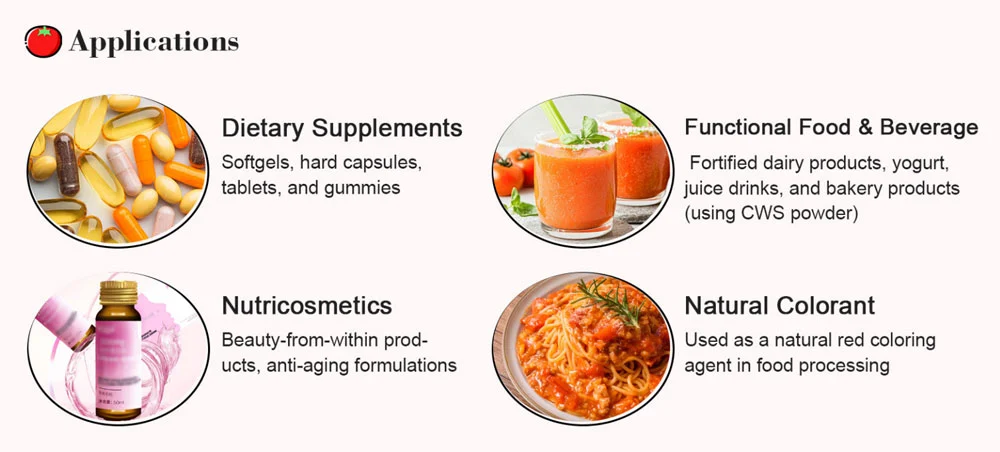
Natural Antioxidant Protection in Food and Beverage Applications
Even though they work well as preservatives, synthetic antioxidants like BHA and BHT are getting more and more attention from regulators and consumers. Tomato Extract Powder protects oils, sauces, and baked goods from oxidation without causing allergen statements or concerns about artificial ingredients. Lycopene's ability to attract fats makes it very good at keeping polyunsaturated fatty acids from going bad. This keeps products fresh longer and supports natural marketing claims that health-conscious customers will like.
Nutraceutical Formulation: Bioavailability Considerations
Because lycopene doesn't dissolve well in water, it can make it hard to formulate certain products. This is taken care of by our customization options in a number of technology ways. Oil-based oleoresin forms mix easily with softgels, which makes them more bioavailable by combining them with lipids. Water-dispersible grades use microencapsulation technology with natural carriers to make it possible to add Tomato Extract Powder to pills and hard capsules while keeping its safety. These formulation solutions have a direct effect on clinical effectiveness and set high-end supplements apart in the supplement market.
Cosmetic Applications: Photoprotection and Anti-Aging Benefits
Carotenoids are increasingly recognized by skincare formulators for their ability to complement traditional sunscreen actives. Lycopene accumulates in skin tissue following oral or topical application, supporting the skin's natural defense mechanisms against environmental stressors.For cosmetic-grade Tomato Extract Powder, the requirements call for higher levels of purity, including low levels of heavy metals, no pesticide residues, and microbiological standards that are good for leave-on formulations. As part of our analytical protocols, we test for these cosmetic-specific needs. This helps brands navigate the rules in the US, EU, and Asian markets.
Practical Integration: Dosage and Handling Guidelines
Dosage amounts that work depend on the purpose. Nutraceutical products usually have 10 to 30 mg of lycopene per dose, which means they need 100 to 300 mg of 10% Tomato Extract Powder. Lower concentrations are used in beverage applications to make antioxidant claims while balancing sensory impact. For example, Tomato Extract Powder can add color and subtle flavor notes that formulators need to think about. Lycopene's stability is greatly affected by how it is stored; the molecule breaks down when exposed to light and air. To keep the product's effectiveness for the full 24 months, we suggest using opaque, nitrogen-flushed packaging and keeping it below 25°C.
Sourcing and Procurement Guide for Tomato Extract Powder
Certification Standards and Quality Control Measures
To find a good Tomato Extract Powder provider, you need to check more than one level of approval. ISO9001 shows that you know the basics of quality management, while FSSC22000 focuses on food safety through HACCP concepts and prerequisite programs. With HALAL and Kosher certifications, you can sell your goods in places where religious dietary rules affect buying choices. In addition to certificates, you should look into the lab's capabilities. Companies that have their own HPLC, UV-Vis, and AAS equipment show that they are dedicated to quality control in real time and don't rely on outside batch release testing.
Evaluating Lycopene Content and Manufacturing Transparency
The price on the market is directly related to the standardized lycopene percentage, but the method used for verification is very important. UV-Vis spectrophotometry is a quick and cheap way to analyze things, but it only counts the total uptake of carotenoids and not the amount of lycopene. The HPLC method separates different types of carotenoids, giving correct information about lycopene level that is needed for label claims and regulatory compliance. Ask for Certificates of Analysis that include HPLC results and data on how the method was validated. Suppliers who are open about extraction solvents, leftover solvent testing, and processing tools show that they know how to make Tomato Extract Powder well, which lowers the risk of regulatory problems later on.
Minimum Order Quantities and Logistics Considerations
We set up our buying so that it can work for both product creation and production on a large scale. Sample orders and trial orders less than 25 kg help with R&D validation and stability testing before committing to the full scale. For business orders, the minimum order size is 25 kg, and the lead time is 3–7 working days from the time the goods are ready to be shipped. Shipping options include DHL and FedEx for quick small packages, air freight for medium-sized packages that need to be delivered quickly, and ocean freight for large-scale restocking at the lowest cost. Our DDP service is designed to meet the needs of the US market. It handles customs clearance and the last mile of delivery to make cross-border buying easier.
OEM and Private Label Customization Opportunities
Manufacturers with a lot of research and development (R&D) support recipe development, which cuts down on the time it takes to get a product to market. This includes changing the solubility profiles by choosing the right carrier, making compound formulas that combine botanicals that work well together, and making sure that the particle size distribution is best for each delivery format. Our patent collection, which includes more than 40 natural ingredient technologies, shows that we can come up with new ideas that help clients who want to make their goods stand out. Communication of objectives, feasibility analysis, experimental R&D, process testing, and scale-up to commercial production are all part of structured workflows for custom development projects. All of this is backed by clear progress tracking and compliance documentation.
Addressing Common Concerns and Ensuring Safe Usage
Safety Profile and Known Contraindications
Eating foods that contain lycopene is very safe for a wide range of people.Clinical studies have established a favorable safety profile for lycopene, with minimal adverse effects reported even at higher intake levels. Contraindications primarily involve rare allergic responses to tomato-derived compounds. As with any bioactive ingredient, formulators should consider potential interactions with certain medications and include appropriate labeling precautions. This is why labels should include warnings about these interactions to protect consumers completely. Safety data sheets and allergen statements are part of our technical paperwork that helps with regulatory applications for markets around the world.
Regulatory Compliance and International Trade Requirements
It's hard to do business with other countries when you're trading ingredients because the rules are so complicated. In the US, Tomato Extract Powder is considered Generally Recognized as Safe (GRAS) for use in food by the FDA. In the EU, Novel Food rules require plant products to be approved before they can be sold. Our certifications, such as EU organic compliance, NOP certification, and export licenses, make it easier for customs to clear and for regulators to accept our products. We keep our information about the Prop 65 rules for California, the NHP rules for Canada, and the trade rules for Southeast Asian and Latin American developing markets up to date.
Quality Assurance Protocols Throughout the Supply Chain
Consistent quality starts with getting the raw materials from controlled farming areas where the weather and dirt make tomatoes' lycopene content peak. Our vertical integration through organic farming bases lets us track the crops from when they are grown to when they are harvested and how they are handled afterward before they are sent to facilities for extraction. Before the final product is released, in-process quality checkpoints check the efficiency of extraction, the parameters of spray drying, and the final product specifications. Long-term relationships with third-party labs like SGS and Eurofins provide independent proof that boosts customer trust and meets the audit needs of large pharmaceutical and retail clients.
Conclusion
Tomato Extract Powder is a commercially viable antioxidant with scientifically documented functionality that meets the high standards of modern nutritional, food, beverage, and cosmetic formulations.Its standardized lycopene content, which was confirmed using HPLC, gives B2B procurement professionals in charge of global supply chains the consistency and regulatory compliance they need. The higher concentration compared to regular tomato products makes dosing effective within useful dose sizes, and the ability to be customized meets a wide range of application needs, from making water-soluble drinks to making lipid-based softgel delivery systems. If you choose suppliers with full certification, open quality control, and expert support, you can be sure that your product will be developed and launched successfully on foreign markets.
FAQ
How do I differentiate between standardized extract powder and generic tomato powder?
Tomato Extract Powder is mixed with a solvent and concentrated to get certain lycopene percentages that can be checked with HPLC. Generic tomato powder is just whole tomatoes that have been dried out and ground up, so it doesn't contain many active chemicals. The extraction process makes the lycopene 30–50 times more concentrated than in the raw material. This makes medicinal doses possible in small supplement forms. Always ask for Certificates of Analysis with HPLC results instead of UV-Vis data, since HPLC gives correct lycopene measurement that is needed for label claims and following the rules.
Can tomato extract powder be used in water-based beverages?
Standard Tomato Extract Powder doesn't mix well with water because it has a structure that attracts fat. Certain water-dispersible grades, on the other hand, use microencapsulation or emulsification technology to keep the particles in a stable suspension in water. These unique forms keep the bioavailability of lycopene while preventing color separation and precipitation during shelf life. Talk to providers about the pH, processing temperatures, and stable needs of specific beverages to help you choose the right grade.
What storage conditions prevent lycopene degradation during transportation?
To keep lycopene stable, it needs to be kept away from light, air, and high temperatures. We put Tomato Extract Powder in fiber drums that have been flushed with nitrogen to get rid of oxygen. The bags are made of double-layered polyethylene. The 24-month shelf life is maintained by keeping the product below 25°C and dry (relative humidity under 50%). When sending goods internationally, don't leave them out in temperatures above 30°C for long periods of time, especially in the summer months, because damage from heat increases very quickly above this point.
Partner with a Trusted Tomato Extract Powder Supplier
Naturalin Biotech has been working with botanical extracts for more than 20 years and can help businesses that make nutraceuticals, food and drinks, and cosmetics find dependable sources of Tomato Extract Powder. Our standard specifications, which range from 1% to 10% lycopene and are backed up by in-house HPLC analysis, meet the high quality standards of well-known brands around the world. We helped make national plant extract standards in China and have more than 40 ingredient patents. We mix large-scale production with cutting-edge research and development to help with the creation of unique formulations. Our organic farms provide a steady supply of raw materials, and our FSSC22000, ISO9001, HALAL, and Kosher certifications make it easier to follow international rules. Email our team at market@naturalinbio.com to talk about your unique application needs and get detailed information that will help you reach your product development goals.
References
1. Story EN, Kopec RE, Schwartz SJ, Harris GK. An update on the health effects of tomato lycopene. Annual Review of Food Science and Technology. 2010;1:189-210.
2. Rao AV, Rao LG. Carotenoids and human health. Pharmacological Research. 2007;55(3):207-216.
3. Mordente A, Guantario B, Meucci E, et al. Lycopene and cardiovascular diseases: an update. Current Medicinal Chemistry. 2011;18(8):1146-1163.
4. Cooperstone JL, Schwartz SJ. Recent insights into health benefits of carotenoids. Handbook on Natural Pigments in Food and Beverages. 2016:473-497.
5. Giovannucci E. Tomatoes, tomato-based products, lycopene, and cancer: review of the epidemiologic literature. Journal of the National Cancer Institute. 1999;91(4):317-331.
6. Stahl W, Sies H. Bioactivity and protective effects of natural carotenoids. Biochimica et Biophysica Acta. 2005;1740(2):101-107.