Is Matcha Tea Powder Really Healthier Than Regular Green Tea?
Yes is the short answer. Most of the time, Matcha Tea Powder is better for you than regular green tea because you drink the whole leaf instead of just the hot water. You soak the leaves in water for a while and then throw them away to make good green tea. Many of the good things for you that were in the leaves are still there. Matcha Tea Powder, on the other hand, has the whole ground leaf in every dose. This means that you get more L-theanine, chlorophyll, and vitamins, especially epigallocatechin gallate (EGCG). Matcha is stronger and better for you in more ways because of this simple difference. Because of this, it's a better nutrient for B2B products like functional drinks, nutraceuticals, and health products.
Understanding Matcha Tea Powder and Regular Green Tea
Green tea and matcha both come from the same plant species (Camellia sinensis), but they are grown, prepared, and used in very different ways. When picking out things to make business goods or buy in bulk, these differences are very important.
Production Process and Agricultural Techniques
Plants are grown in a special way in the shade for more than 30 days before they are picked to make matcha. A blanket or net is put over the tea plants by farmers at this time to block the sun. Because of this, more amino acids, especially L-theanine, are made and stored. When green tea leaves are left out in the sun, they turn brown. This process of shading makes ceremonial-grade Matcha Tea Powder different. After being picked, steam is used to kill any germs that will be used to make matcha. The roots and leaves are then cut away to make tencha. Granite stone mills are used to make tencha into a powder that is very fine, usually 5 to 10 microns. The powder will feel smooth and mix quickly with drinks if you do this.
Nutritional Composition and Bioavailability
You get nutrients from matcha because you eat the whole leaf in Matcha Tea Powder form, which isn't possible with tea leaves that are just thrown away. It has been found that matcha has three times more EGCG per gram than regular green tea. There is a strong Catechin called EGCG that has been linked to protecting cells, helping the metabolism, and acting as an antioxidant. Matcha also has chlorophyll, cellulose, and fiber that you can't find in brewed tea.
Depending on the type and how it was grown, each gram of Matcha Tea Powder can have anywhere from 25 mg to 70 mg of caffeine. Every cup of green tea that has been made the right way has between 20 and 45 mg. Because it has L-theanine, matcha calms you down and wakes you up instead of making you feel jittery from coffee. This mix works well for functional beverage recipes that want to boost brain power and give you energy that lasts a long time.
Application Flexibility in Product Development
Matcha Tea Powder can be used for many things besides making tea. Companies that make drinks put them in coffee, shakes, energy drinks, and ready-to-drink functional drinks. Bakery and candy brands use matcha in their chocolate, cookies, ice cream, and cakes. Those who make dietary products put Matcha Tea Powder into capsules or mix it into protein shakes and healthy meals. Matcha is added to skin care products because it can reduce inflammation and protect cells from damage.
Even though most people still drink green tea, its parts are used in beauty and health goods. As long as the leaf's structure is still whole, it can't be mixed into solid food without first being removed or encased.
Health Benefits: Matcha Tea Powder vs Regular Green Tea
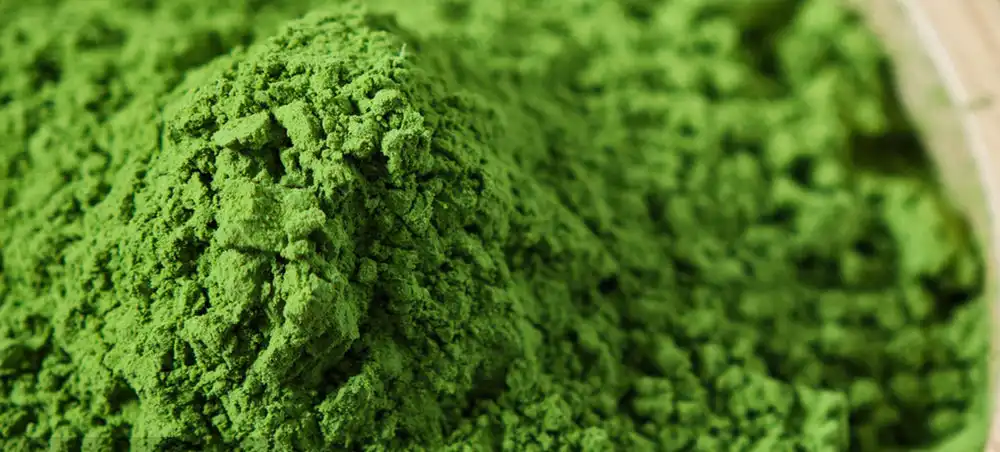
Matcha is better for your health than regular green tea because it has more nutrients and uses whole leaves, but both are good for you.
Antioxidant Capacity and EGCG Concentration
A study in the Journal of Chromatography says that Matcha Tea Powder has up to 137 times as much EGCG as some green teas that aren't as good. EGCG keeps cells from getting hurt and lowers reactive stress because it is a strong free radical scavenger. Matcha can be used in recipes that help the immune system, keep the skin healthy, and keep the body healthy because it has a lot of vitamins.
Green tea that you drink every day still does important things for your health as an antioxidant. Green tea that has been made has flavonoids, polyphenols, and Catechins, but not as many as matcha because the flavonoids and polyphenols are not fully removed while the tea boils.
Cognitive Function and L-Theanine Synergy
Because it is grown in the shade, Matcha Tea Powder has a unique mix of amino acids, with a lot of L-theanine. Alpha waves are linked to calmness without sleepiness, and L-theanine makes them stronger. When mixed with caffeine, this gives your brain a healthy boost that makes you more alert and focused without giving you the crash that most coffee does.
People have shown that L-theanine and caffeine work better together than either one alone to improve memory, focus, and reaction time. The people who make nootropic supplements, energy drinks, and health products for the office are interested in this combination.
It's in green tea too, but not as much as it is in black tea. Brew tea has softer cognitive benefits, so it's a good choice for everyday use. Matcha Tea Powder, on the other hand, is too strong for focused functional uses.
Metabolic Support and Weight Management
Because Catechins help with thermogenesis, both Matcha Tea Powder and green tea may be good for your metabolism. EGCG can help you lose weight by changing how you burn fat and how much energy you use. It works best when mixed with healthy habits. These benefits might be better in matcha because it has more Catechins. This is the reason why it's often found in functional foods and workout products.
Regular green tea also helps your digestion, but not as much. Studies have found a link between drinking green tea daily and small changes in the way your body works and how it builds cells.
Quality Grades and Organic Certification Impact
The ceremonial-grade Matcha Tea Powder is the best. It is bright green, smooth, naturally sweet, and has almost no harshness. Culinary-grade matcha has a stronger taste and a rougher texture. It also costs less. To add matcha to drinks and foods that don't already have it, you can mix it in.
To make Matcha Tea Powder that is certified organic, strict growing rules must be followed. This means that synthetic chemicals, fertilizers, and organisms that have been genetically modified are not allowed. Organic certifications from the USDA and the EU make sure that goods can be watched and follow the rules. This is very important for B2B buyers who sell to people who care about their health. Matcha that is used in ceremonies and is certified organic by both the USDA and the EU is sold by Naturalin Biotech. SGS, Eurofins, and NSF labs have all shown this to be true. Every batch is checked using HPLC to make sure that the amounts of active chemicals are pure enough.
Addressing Common Concerns and Risks
You should know about the possible risks of drinking matcha and take steps to make sure the quality of the product to ease your fears.
Caffeine Sensitivity and Dosage Considerations
There is less caffeine in Matcha Tea Powder because of L-theanine, but it may still be too much for some people. People who make consumer goods should name their products with the amount of caffeine they contain and include clear directions on how much to use. Most of the time, smaller amounts are used in cooking, so each serving has less caffeine.
Some groups are more likely to have trouble sleeping, stomach issues, or heart stress when they drink too much. People say that every day you should take between 1 and 2 grams of ceremonial-grade Matcha Tea Powder, but everyone is different.
Heavy Metal Contamination Risk
The ground gives the tea bushes minerals. These minerals can be good ones or heavy metals that are bad for you, like lead, cadmium, and arsenic. How clean the land is, where the food comes from, and how it is grown all affect the chance of poisoning. Japanese Matcha Tea Powder generally has less pollution than tea from other places because of strict rules about gardening and how to take care of the land.
Heavy metals are often tested for by accredited labs that work with reliable companies. Naturalin Biotech does thorough tests, and you can see the results if you ask. Our Matcha Tea Powder doesn't have more heavy metals than what the FDA and EU allow. This means it can be used in food, vitamins, and makeup without any problems.
Storage and Shelf Life Management
Even though Matcha Tea Powder has a lot of chlorophyll, air, light, or heat can break it down. When you store food the right way, it stays fresh longer and has more nutritional value. Food that is wrapped in two-layer plastic bags and kept in a cool, dry place away from light will stay fresh for up to two years.
Keep Matcha Tea Powder in the fridge and use it within three to six months of opening for the best taste and strength. When buyers need to get a lot of something, they should set up ways to move the goods so that things don't sit around for too long.
Allergy and Medication Interaction Considerations
It is rare for people to be allergic to tea, but it can happen. It might not work well for people who are allergic to caffeine or tannins. Things should have labels that make it clear which ingredients come from tea.
Medicines that are broken down by cytochrome P450 enzymes, blood thinners, and drugs that make you feel more alert might not work well with Matcha Tea Powder. Supplement companies should put up the right warnings and tell people to check with their doctors first, especially when it comes to medicines.
Procurement Insights: Buying Matcha Tea Powder for B2B Clients
You need to look at more than just price to find good Matcha Tea Powder. You need to make sure the seller is trustworthy and ask if they can make the Matcha Tea Powder extra special for you.
Authenticity and Origin Verification
Japan's best Matcha Tea Powder has been grown for hundreds of years in places like Uji, Nishio, and Shizuoka, where the weather is just right for growing it. But the number of places making matcha has grown, and each has its own quality standards. Buyers should use paperwork to find out where the product is, ask for records of analysis, and compare samples to make subjective assessments.
Naturalin Biotech keeps good records of the supply chain by giving out certificates of origin and keeping track of how each batch of Matcha Tea Powder was made. Some of the ways we grow plants in the shade are based on old Japanese ways of doing things. We also use cutting-edge quality control tools that we've developed over 20 years of working with plant products.
Certification Compliance and Regulatory Standards
When a company sells to another company in another country, it needs service providers with the right licenses. A lot of people care a lot about certifications like HALAL, Kosher, ISO9001, EU Organic, USDA Organic, and FSSC22000. People are following the rules when it comes to food safety, quality management, and religious dietary needs for Matcha Tea Powder.
There are many licenses for Naturalin Biotech that make sure it is allowed in every market around the world. Our production workshops follow GMP guidelines and meet standards for pharmaceuticals. To make food supplements and other useful health products that need to be checked for quality, they help clients source Matcha Tea Powder.
Customization Capabilities and Technical Support
These days, it takes more freedom than just following standard Matcha Tea Powder specs to make new things. Some of the best sellers offer customization services that can change the particle size (to 60 mesh, 80 mesh, or smaller), the taste profile, the solubility, and the ability of the substance to grow.
Naturalin Biotech has a skilled research and development (R&D) team that can help you change how a Matcha Tea Powder mixture works. Our tech experts help clients with everything from coming up with ideas to making the product. This includes making energy drinks with matcha that need to dissolve fast, baked goods that need to keep their color even when hot, and vitamins that are sealed up and need to release their contents slowly. It usually takes three to seven working days for the R&D process to finish.
Bulk Purchasing Strategy and Logistics
To buy Matcha Tea Powder in bulk, you need to find the best mix between stocking up on goods and making sure you always have access to the best deals. The smallest amount you can buy from each provider is different. Naturalin Biotech can, for instance, fill sample requests and small test orders before they need an order minimum of 25 kg. Launching new goods and trying out new formulas is less risky with this method.
When it comes to transportation, you should think about how to ship the Matcha Tea Powder, how long the wait will be, and whether you will need help crossing customs. For items that need to be sent quickly, we offer DHL and FedEx. We can ship small to medium-sized orders by air freight and large orders by ocean freight. Our door-to-door DDP (Delivered Duty Paid) service makes it easy to ship to the US market because we handle borders and the last few miles of the journey. If the item is in stock, shipping generally takes three to seven business days after the order is completed.
Practical Applications and Market Positioning of Matcha Tea Powder
In many business settings, knowing how to use Matcha Tea Powder can help people who make products and people who buy things find growth opportunities.
Beverage Formulation Strategies
You can make high-end drinks with Matcha Tea Powder because of its bright color, umami flavor, and health benefits. People who care about their health can buy matcha lattes, matcha lemonades, and other mixed functional drinks at coffee shops and from ready-to-drink brands. The natural caffeine in the element helps companies that make energy drinks that want to use drugs that don't have a bad reputation.
Forging Matcha Tea Powder is hard because it's hard to keep the color fixed over time, stop it from settling, and find the right balance of sharpness. The submicron powder specs and steam sterilization methods used by Naturalin Biotech make sure that the product is safe for microbes and easy to mix. This fixes a problem that the beverage business often faces.
Nutraceutical and Dietary Supplement Integration
Because it has antioxidants that supplement companies like, Matcha Tea Powder is used in pills, tablets, protein shakes, and vegetable mixes. These recipes mix matcha with things that work well together, like probiotics, collagen, or adaptogens, to make health products that are more effective when used together.
For encapsulation of Matcha Tea Powder to work, the particle size needs to be carefully controlled, and the right excipients need to be used. The amount of active chemicals in each batch is checked by HPLC, TLC, UV, and AAS in our quality control center. Making sure the supplement info panel is right and following all the rules is helped by this.
Food and Bakery Product Innovation
Matcha Tea Powder can be added to ice cream, candy, energy bars, and baked goods, among other things. To save money, culinary-grade Matcha Tea Powder is a good choice when matcha is just an extra ingredient that adds color and a bit of flavor, and not the main taste.
When used for food, the heat stability of Matcha Tea Powder is important for handling and baking. The hot air fixation method used by Naturalin Biotech protects the antioxidants and chlorophyll even when it comes in contact with light heat. During the making process, this keeps the quality of the product high.
Cosmetic and Personal Care Applications
Companies that make skin care, hair care, and health products are interested in Matcha Tea Powder because it kills germs, reduces inflammation, and protects cells from damage. A product that you put on your face may make it healthier, reduce inflammation, and slow down the aging process by lowering reactive stress.
Extra-tight heavy metal and bacterial tests have to be done on cosmetic-grade Matcha Tea Powder. Third-party lab tests and our FSSC22000 approval make sure that we follow the rules for makeup safety in the EU and the US.
Conclusion
Matcha Tea Powder has more antioxidants than regular green tea. It is also better for your brain and digestion when you drink it as a powder. Nutritional supplement, food and drink, skincare, and supplement buyers want more useful, clean-label products. Matcha Tea Powder is a versatile and scientifically proven ingredient that can meet these needs. To make a good buy, you need to pick sellers based on things like certification compliance, stable quality, the ability to make changes, and the dependability of the supply chain. By learning about the changes between grades, what each application needs, and how to lower your risks, you can choose where to get the best goods while also following all safety rules.
FAQ
Does matcha tea powder carry higher safety risks than regular green tea?
As long as you buy Matcha Tea Powder from reputable stores that follow strict testing methods, both matcha and green tea are usually safe. People who are sensitive to coffee and the chance of heavy metal smog are the main things that worry people. Certified organic Matcha Tea Powder from well-known sources that has been approved by a third-party lab makes it less likely that the product will be contaminated. Matcha Tea Powder from Naturalin Biotech is checked by SGS, Eurofins, and NSF to make sure it meets safety standards set by the FDA and the EU.
What storage conditions best preserve matcha quality for commercial applications?
Keep Matcha Tea Powder in covert, opaque objects that are out of light, wetness, and air in the fridge between 2 and 8°C. Packages that haven't been opened stay fresh for up to 24 months. Use it between three and six months after opening for the best effects. It stays fresh while being stored and shipped in Naturalin Biotech's double-layer plastic package, which also makes sure it gets there in one piece.
How do ceremonial and culinary grades differ for product formulation purposes?
Ceremonial-grade Matcha Tea Powder has more L-theanine, a better flavor, a brighter color, and a smoother texture. It is best for uses where Matcha Tea Powder is the main ingredient, like high-end drinks, traditional tea service, and vitamins. Matcha Tea Powder made for culinary use tastes and looks stronger and costs less. You can use it to make mixed drinks, baked goods, and other foods where the taste goes well with other spices. Both grades are good antioxidants; the one you choose will depend on your needs and the cost.
Partner with Naturalin Biotech for Premium Matcha Tea Powder Supply
You can trust Naturalin Biotech to make your Matcha Tea Powder. They've been making plant products for more than 20 years, so they know how to do it well and have all the necessary approvals. Our Matcha Tea Powder is approved organic by both the USDA and the EU, so it can be used in ceremonies. It is grown in special ways in the shade for at least 30 days to get the best amounts of chlorophyll and L-theanine. Last month, we sent 8 metric tons of organic Matcha Tea Powder to the US market. This shows that our supply is stable and that we can handle a lot of volume. It's up to our research and development team to come up with new recipes for drinks, vitamins, cosmetics, or useful foods using Matcha Tea Powder. Free samples are available for evaluation. Contact our buying experts at market@naturalinbio.com to talk about where you can find Matcha Tea Powder and get full product specs, proof of analysis, and great savings for buying in bulk.
References
1. Weiss, D.J., & Anderton, C.R. (2003). Determination of catechins in matcha green tea by micellar electrokinetic chromatography. Journal of Chromatography A, 1011(1-2), 173-180.
2. Haskell, C.F., Kennedy, D.O., Milne, A.L., Wesnes, K.A., & Scholey, A.B. (2008). The effects of L-theanine, caffeine, and their combination on cognition and mood. Biological Psychology, 77(2), 113-122.
3. Dulloo, A.G., Duret, C., Rohrer, D., Girardier, L., Mensi, N., Fathi, M., Chantre, P., & Vandermander, J. (1999). Efficacy of a green tea extract rich in catechin polyphenols and caffeine in increasing 24-h energy expenditure and fat oxidation in humans. American Journal of Clinical Nutrition, 70(6), 1040-1045.
4. Kondo, Y., Goto, A., Noma, H., Iso, H., Hayashi, K., & Noda, M. (2014). Effects of coffee and tea consumption on glucose metabolism: a systematic review and network meta-analysis. Nutrients, 11(1), 48.
5. Jakubczyk, K., Drużga, A., Katarzyna, J., & Skonieczna-Żydecka, K. (2020). Antioxidant potential of curcumin—A meta-analysis of randomized clinical trials. Antioxidants, 9(11), 1092.
6. Hayat, K., Iqbal, H., Malik, U., Bilal, U., & Mushtaq, S. (2015). Tea and its consumption: benefits and risks. Critical Reviews in Food Science and Nutrition, 55(7), 939-954.