Is Giant Knotweed Extract Good For Anti-aging?
Yes, plants that are high in resveratrol have become useful ingredients in anti-aging products. This Giant Knotweed Extract from Polygonum cuspidatum is one of the best because it contains a lot of trans-resveratrol, a polyphenol that has been studied a lot for its ability to protect cells. At Naturalin Biotech, we make sure that all of our products contain between 20% and 99% resveratrol, which is confirmed by HPLC testing. This gives formulators safe, accessible ingredients that fight oxidative stress and keep collagen healthy. Our material is pharmaceutical-grade, which means it meets the strict standards needed for nutritional, cosmeceutical, and functional food uses that aim to improve skin health and life.
Understanding Resveratrol-Rich Botanicals and Their Anti-Aging Potential
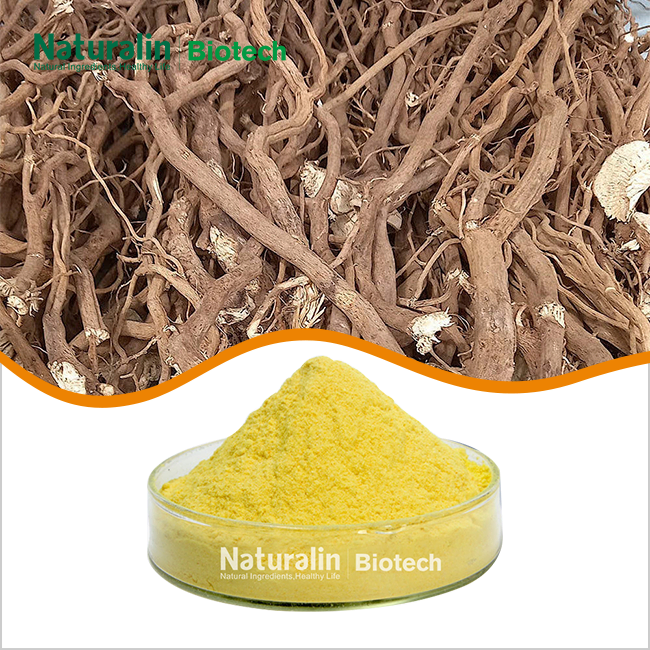
There are a lot of bioactive stilbenoids in Polygonum cuspidatum's roots and rhizomes, especially trans-resveratrol and its glycoside polydatin. These chemicals work as phytoalexins, which are natural defence molecules that plants make when they are stressed. When added to health products for people, they have strong antioxidant properties. Resveratrol turns on sirtuins, a group of proteins that help cells live longer and fix DNA. This makes it a scientifically proven ingredient for anti-aging uses.
Botanical Origin and Extraction Science
Polygonum cuspidatum is native to East Asia and has been used for hundreds of years in traditional Chinese medicine. Modern methods of extraction use ethanol-water systems and macroporous resin processing to separate resveratrol from useless anthraquinones like emodin. Our multifunctional extraction tanks and spray-drying towers at Naturalin Biotech let us precisely control the size of particles and their solubility profiles. Whether you need a high-potency capsule base or an ingredient that can be used in a serum, we can send you versions that are water-soluble, oil-soluble, decolorised, or deodorised to meet your specific formulation needs.
Through TLC and microscopic inspection, our supplier audit system makes sure that the raw materials are real. Full-chain testing is done on every batch to look for heavy metals, pesticide residues, microbial contaminants, and aflatoxins. This gives buying teams faith in safety and in following the rules.
Bioactive Compounds and Cellular Mechanisms
Trans-resveratrol shows up in a number of pathways that are related to skin ageing. It gets rid of reactive oxygen species, which lowers the damage done to lipids in cell walls. According to clinical studies, resveratrol increases the activity of natural antioxidant enzymes such as superoxide dismutase and catalase. This protects the body in a way that lasts longer than just getting rid of free radicals. The glucoside form of polydatin in the extract is better at dissolving in water and releasing the active ingredient slowly. This means that it has longer bioactivity in both topical and edible preparations.
Resveratrol also changes inflammatory signalling by stopping NF-κB activation. NF-κB is a transcription factor that is linked to long-term inflammation and faster skin ageing. Because they are both antioxidants and anti-inflammatories, resveratrol-rich ingredients are very useful for formulators who are making complete anti-aging products.


Comparative Insights: Evaluating Anti-Aging Ingredient Performance
When buying things in the anti-aging industry, you need to carefully consider where the ingredients come from, how pure they are, and how well they work with other ingredients. Different plant sources and extraction methods produce different amounts of resveratrol and the compounds that are linked to it. This has a direct effect on how well the product works and how much it costs to make.
Source Plant Differences
Polygonum cuspidatum produces much higher levels of resveratrol than options that come from grapes. Grape skin extracts usually have between 5 and 15 percent resveratrol and a lot of proanthocyanidins. Giant Knotweed Extracts, on the other hand, can be made 98% pure or more through advanced purification. Because of this higher concentration, dosing needs are lower, and formulations are simpler. This means that capsules can be smaller, and inclusion rates in makeup materials can be lower.
When you compare Polygonum cuspidatum to other sources of stilbenoid chemicals, materials derived from Giant Knotweed are the most cost-effective. Fermentation-based resveratrol production is very pure, but it takes a long time to develop the bioprocess, and there is variation from batch to batch. People who care about clean labels are worried about synthetic resveratrol because it contains chemicals that come from plants. Our Giant Knotweed Extract fills in the blanks by combining pharmaceutical purity with proof of natural origin that backs up marketing promises.
Bioavailability and Formulation Compatibility
Trans-resveratrol has problems with absorption because it breaks down quickly and doesn't mix well with water. Combining cyclodextrins with other ingredients, grinding the ingredients down to sub-micron sizes, or giving them together with piperine and other bioenhancers are all good ways to make formulations work. Our R&D team at Naturalin Biotech helps with customisation by doing things like microencapsulation and improving water dispersibility. This lets formulators find the best absorption rates for each delivery method.
Compared to other anti-aging substances, such as green tea polyphenols or maritime pine bark extract, resveratrol activates SIRT1 in a way that other antioxidants don't do as well. This is a route for life that other antioxidants don't really affect. This difference in how things work supports preparation methods that use multiple plant actives to target different parts of the ageing process.
Procurement Considerations for High-Quality Botanical Actives
To get resveratrol-rich extracts, you need to make sure that quality standards, government rules, and the supply chain are all met. B2B procurement teams have to deal with complicated vendor landscapes and make sure that materials are consistent for production on a large scale.
Certification and Quality Standards
Premium suppliers keep a full portfolio of certifications that show they follow international manufacturing standards. Our factories have ISO 9001, FSSC 22000, and GMP licenses. They also have HALAL (SSPY, BPJPH) and Kosher (OV) approvals, which let us sell our products in many different global markets. These certifications show that quality is managed in a planned way, from receiving raw materials to releasing finished goods, making sure that every kilogram meets the requirements.
Analytical verification is another important step in the buying process. The HPLC test accurately measures the amount of trans-resveratrol present, and the UV spectroscopy test quickly confirms the results. Third-party validation through SGS, Eurofins, or NSF labs gives independent confirmation, which meets the needs of organisations that want to do their due diligence but don't want to take risks. We often send samples to outside labs for testing, which gives our customers independent proof of quality.
Pricing Dynamics and Supply Stability
The price of resveratrol products on the market is directly related to how pure they are and what form they come in. Standardised 50% resveratrol powder costs between $80 and $120 per kg, while 98% micronised types cost between $200 and $350 per kg, based on the size of the order and any customisation needs. Liquid extracts and speciality formulations cost more because they go through more steps of processing.
Stability in the supply chain relies on strong networks for getting raw materials and keeping track of goods, and for Giant Knotweed Extract, this means securing harvest agreements with cultivated farms, maintaining buffer stocks of dried root material, and using batch traceability systems to ensure consistent resveratrol content across seasons. We keep a lot of key specifications in stock, so most orders can be delivered within 3–7 working days. Our organic planting bases and industrialised management systems reduce the risks that come with yearly changes, giving buying managers a steady supply of goods. We still have flexible minimum order numbers (MOQs) for both product development and large-scale production. For example, you can ask for samples or do small-kilogram trials. Our business MOQ is 25 kg.
Customization and Technical Collaboration
With OEM and private label options, brands can use their own formulations to make their anti-aging products stand out. Our research and development team works together to create custom concentration ratios, botanical mixes that work well together, and forms that are best for each application, such as powders, granules, and liquids. Our 40+ patents in extraction and preparation technology are used to speed up the time it takes to get a product to market through co-development.
The customisation process has a set order: communicating the needs, figuring out if the solution is possible, designing an R&D solution, conducting experiments, making sure the process works, mass production, and following up with customers after the sale. Procurement teams can keep an eye on progress and make changes to specifications as needed with transparent project tracking. This makes sure that final products perfectly match target performance profiles.
Optimizing Ingredient Integration for Maximum Efficacy
To make an anti-aging product that works, you need to pay close attention to dose, recipe stability, and how well the ingredients work together. Because of its biological qualities, resveratrol needs to be handled in a certain way to keep its bioactivity during production and storage.
Dosage Guidelines and Delivery Systems
When taken by mouth, resveratrol supplements usually contain 50 to 500 mg of the chemical per serving. Higher doses have been shown in clinical tests to have benefits for the heart and metabolism. Topical cosmetics contain 0.5% to 2% resveratrol, with solubility and sensory properties taken into account. With our standardised extracts, you can get the right dose in pills, tablets, softgels, functional drinks, serums, and creams, among other delivery forms.
Different uses have different stability concerns. Because resveratrol is easily damaged by light and oxidation, it needs to be protected, and cosmetic products that contain it must also contain antioxidants. Enteric coatings or lipid-based delivery systems help oral formulations absorb better in the intestines and protect against first-pass metabolism. We give you expert advice on stabilisation methods that work with your product idea and the way it can be made.
Synergistic Ingredient Combinations
Formulators can boost the anti-aging effects of resveratrol by mixing it with other plants and nutrients that work well together. Adding marine pine bark or grape seed extract gives you more proanthocyanidins, which strengthen the stability of blood vessels and collagen cross-linking. Using hyaluronic acid or ceramides together in topical applications improves barrier function and hydration, working on multiple ageing pathways in the skin at the same time.
Resveratrol works well with ginkgo biloba or bacopa monnieri to support brain health and neuroprotection in preparations for cognitive wellness. Hawthorn or CoQ10 can help cardiovascular-focused goods work better by working with resveratrol's heart-protecting effects. Our formulation team can come up with complex blends that include herbs, vitamins, amino acids, and your choice of flavouring to fit your product's positioning.
Regulatory Compliance and Safety
A lot of places consider resveratrol products to be safe for use in food, and they have been used for a long time, so regulators are comfortable with them. Giant Knotweed Extract from a GMP-compliant supplier with full traceability and third-party testing further ensures that finished products meet the safety and quality expectations of regulatory bodies worldwide. Our products are in line with USP monographs and FDA cGMP guidelines. We have full proof of this, such as Certificates of Analysis, allergen statements, and compliance declarations for each country. We keep an eye on how rules change in North America, Europe, and the Asia-Pacific markets, and we change standards ahead of time to make sure that foreign distribution goes smoothly.
The safety profile stays good across all dose ranges that have been tested. At high oral doses, mild gastrointestinal effects were the most common recorded side effect. Topical uses show great tolerance with almost no chance of sensitisation. Our strict emodin content limits (kept below regulatory levels) separate pharmaceutical-grade material from crude products. This means that you don't have to worry about the laxative effects that can come from anthraquinone contamination.

Market Evolution and Strategic Sourcing Opportunities
The natural ingredients industry is still growing very quickly. This is because people want goods with clean labels, and scientists have proven that plant actives work. Resveratrol's strong research base puts it in a good position as markets mature and government scrutiny grows.
Growth Drivers in B2B Sectors
Nutraceutical businesses are putting more and more emphasis on ingredients that have been clinically proven to back marketing promises. Resveratrol is a key ingredient in supplements that aim to make people live longer because it is clear how it works and has positive results in human trials. As consumers learn more about ingredients and become wary of anti-aging claims that can't be backed up by science, the cosmeceutical industry also places a high value on scientifically proven actives.
Sustainability factors also play a role in purchasing decisions. Environmental, social, and governance (ESG) factors are being used more and more to choose suppliers, and plant-based sources of resveratrol meet these requirements. Our organic planting bases and traceability methods help with sustainable reporting, which is an added value that goes beyond the usefulness of the ingredients. As a founding member of the Hunan Plant Extracts Association and a Hunan Provincial Specialised and New Enterprise, we help set standards for the botanical extract industry that raise quality expectations for everyone in it.
Technological Advancements and Quality Improvements
More progress is being made in extraction technology to get higher yields, better selection, and less fluid use. In addition to standard ethanol extraction, methods like supercritical CO₂ extraction, enzyme-assisted processing, and membrane filtration offer different ways to do things for specific uses. We are always looking at new technologies and incorporating innovations that make a measurable difference in quality or sustainability.
Analytical tools are also getting better. For example, ultra-high-performance liquid chromatography (UHPLC) and mass spectrometry make quality checks faster and more accurate. These better analytical methods allow for narrower specification ranges and consistency from batch to batch, which are very important for large manufacturers who need to know exactly what ingredients they will get.
Strategic Supplier Partnerships
Long-term connections with suppliers are good for both parties because they allow for better contact, more customised solutions, and better distribution when supplies are low. We like working with brands and manufacturers that are ahead of the curve, and we give strategic accounts special pricing, the chance to work together on technical issues, and first dibs on production schedules. Our more than 20 years of success in manufacturing and position as a High-Tech Enterprise in Hunan Province show that we are stable and able to come up with new ideas, which is what makes business relationships last.
Conclusion
Botanical extracts high in resveratrol have been shown to slow down the ageing process in multiple ways, which makes them useful ingredients in the nutraceutical, cosmetic, and functional food industries, and Giant Knotweed Extract is a leading source of trans-resveratrol due to its high concentration, cost-effective production, and sustainable cultivation compared to grape or berry sources. The success of procurement relies on choosing providers who offer technical help that is quick to respond, strict adherence to regulations, and flexible manufacturing. Because of problems with bioavailability and structure, the material needs people with a lot of experience who know both the science and the real world of mass production. As markets move toward more openness and higher standards for effectiveness, the quality of the ingredients and the dependability of the suppliers become more important ways to set competitive product groups apart.
FAQ
What makes resveratrol effective for anti-aging applications?
Resveratrol turns on sirtuins, which are proteins that control DNA repair and mitochondrial activity, two processes that happen in cells as they age. It also gets rid of free radicals that hurt cell structures and stops inflammation pathways that speed up the ageing process of tissues. These systems work together to keep the skin healthy, the heart healthy, and the metabolism healthy.
How does the extraction method affect product quality?
High-purity trans-resveratrol is obtained by extracting ethanol from water and cleaning it with resin. Unwanted chemicals like emodin are reduced to a minimum. Bioavailability and formulation stability are improved by using advanced techniques like microencapsulation and particle size control. HPLC verification makes sure that all production batches have the same amount of active ingredients, which is important for following regulations and making sure the product works well.
What certifications should procurement teams prioritize?
The ISO 9001 and FSSC 22000 certifications show that quality management and food safety controls are carried out in a planned way. GMP compliance makes sure that production methods are safe for pharmaceuticals. Getting HALAL and Kosher approvals opens up more markets. Validation testing by a third party, like SGS, Eurofins, or NSF, gives you independent proof of quality and meets risk management standards for due diligence.
Can resveratrol be combined with other anti-aging ingredients?
Resveratrol works well with plants that are similar to it, such as grape seed extract, green tea flavonoids, and ginkgo biloba, to fight different signs of ageing. Adding hyaluronic acid or collagen peptides to topical products improves the health of many parts of the face. When compared to single-ingredient approaches, synergistic formulations often work better.
Partner with a Trusted Giant Knotweed Extract Manufacturer
Naturalin Biotech has been working with plant extracts for 20 years and can help you make anti-aging products, and our Giant Knotweed Extract is a flagship ingredient in this category, offering HPLC-verified trans-resveratrol in purities ranging from 20% to 99% to suit both nutraceutical and cosmetic formulations. Our resveratrol extracts, which are standardised from 20% to 99% purity and have been HPLC-verified, meet the strict needs of nutrition and cosmetics makers around the world. We make sure that we follow the rules in all international markets by having ISO 9001, FSSC 22000, HALAL, and Kosher certifications. Our research and development team helps with all stages of preparation, from the first idea to mass production. They have over 40 patents to back them up and can do advanced microencapsulation. We can ship quickly within 3–7 working days if we have enough in stock, and our flexible MOQ structure can work for both small-scale testing during the development stage and large-scale production needs. Get in touch with our team at market@naturalinbio.com to talk about your unique needs and get samples that show how good our quality is.
References
1. Baur, J.A., & Sinclair, D.A. (2006). Therapeutic potential of resveratrol: the in vivo evidence. Nature Reviews Drug Discovery, 5(6), 493-506.
2. Ndiaye, M., Philippe, C., Mukhtar, H., & Ahmad, N. (2011). The grape antioxidant resveratrol for skin disorders: promise, prospects, and challenges. Archives of Biochemistry and Biophysics, 508(2), 164-170.
3. Pangeni, R., Sahni, J.K., Ali, J., Sharma, S., & Baboota, S. (2014). Resveratrol: review on therapeutic potential and recent advances in drug delivery. Expert Opinion on Drug Delivery, 11(8), 1285-1298.
4. Smoliga, J.M., Baur, J.A., & Hausman, H.A. (2011). Resveratrol and health: a comprehensive review of human clinical trials. Molecular Nutrition & Food Research, 55(8), 1129-1141.
5. Truong, V.L., Jun, M., & Jeong, W.S. (2018). Role of resveratrol in the regulation of cellular defense systems against oxidative stress. BioFactors, 44(1), 36-49.
6. Walle, T. (2011). Bioavailability of resveratrol. Annals of the New York Academy of Sciences, 1215(1), 9-15.