Is Coenzyme Q10 a Secret Weapon for Sustained Energy?
Coenzyme Q10 has become a cornerstone ingredient in the nutritional ingredient sector, functioning as a key component for sustained energy support formulations.Co Enzyme Q10 Powder supports mitochondrial ATP synthesis, the fundamental energy currency within every cell of the human body. This naturally occurring compound addresses cellular energy deficits while offering antioxidant protection against oxidative stress. For manufacturers seeking reliable energy-enhancing ingredients, understanding how ubiquinone works at the molecular level can transform product formulation strategies and meet growing consumer demand for scientifically validated wellness solutions.
Understanding Coenzyme Q10 Powder: What It Is and Why It Matters
The Molecular Foundation of Cellular Energy
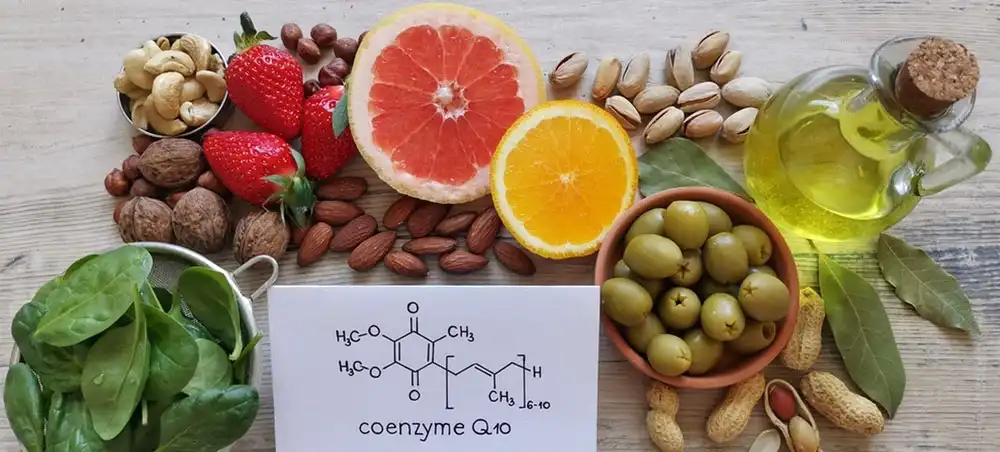
Co Enzyme Q10 Powder is a refined, industrially processed form of ubiquinone, a benzoquinone compound that is lipophilic and necessary for the electron transport chain to work in mitochondria. This chemical is naturally found in human tissues. It is most concentrated in the heart, liver, and kidneys, which need a lot of energy. Endogenous production declines with age, creating a rationale for supplementation to support normal physiological levels. Powders are much more flexible in how they can be made than oil suspensions or capsules. They can be used in a wide range of delivery systems, from functional drinks to tablets, and can be dosed precisely.
Technical Specifications That Define Quality
High-quality ubiquinone powder meets strict pharmacopoeial standards set out in USP, EP, and JP papers. The substance is a solid powder that ranges in colour from yellow to orange. Its freezing point is between 48°C and 52°C, and it dissolves completely in chloroform and acetone but not in water. Because of these properties, different ways of formulating are needed, especially for uses that need to be compatible with water. Micronization technology can reduce particle size to D90 values below 10 micrometres, which greatly enhances absorption and dissolution rates, both of which are important for treatment effectiveness.
Why All-Trans Configuration Matters
High-quality Co Enzyme Q10 Powder made from fermentation ensures 100% all-trans isomer configuration, which is the biologically active form that is similar to how Co Enzyme Q10 Powder naturally occurs in the body. Synthetic routes may introduce cis-isomer impurities that differ in biological activity and metabolic integration compared to the all-trans form. Isomer purity becomes an important requirement for regulatory affairs professionals working on FDA and EFSA submissions. Verification by a third party, like labs such as SGS, Eurofins, or NSF, gives you the proof you need to meet quality assurance standards and back up health claims in competitive markets.
Benefits of Coenzyme Q10 Powder for Health and Energy Enhancement
Mitochondrial ATP Production and Energy Metabolism
As an electron messenger in the mitochondrial respiratory chain, ubiquinone's main way of supporting sustainable energy is through this role. Co Enzyme Q10 Powder makes it easier for electrons to move from Complex I and Complex II to Complex III. This creates a proton gradient that drives ATP synthase. Clinical research indicates that supplementation can help individuals with suboptimal CoQ10 levels improve exercise capacity. Studies have demonstrated that consistent daily intake supports reduced fatigue perception and enhanced physical performance metrics over time. This is strong proof for product makers who want to target people with active lifestyles.
Cardiovascular Protection and Endothelial Function
In addition to helping the body use energy, ubiquinone is a strong antioxidant that dissolves in lipids and protects cell walls from lipid breakdown. This property is particularly valuable for formulations supporting cardiovascular wellness. The compound supports endothelial function by maintaining nitric oxide bioavailability and reducing oxidative stress in vascular tissues. Nutraceutical brands developing cardiovascular wellness products can make the benefits of ubiquinone stronger by adding ingredients that work well together, like vitamin E, resveratrol, or omega-3 fatty acids. This can help their products stand out in crowded market areas.
Dermatological Applications and Skin Vitality
Because it can neutralise reactive oxygen species made by UV radiation, the cosmetics industry has seen ubiquinone as a possible ingredient for anti-aging products. Co Enzyme Q10 Powder can get through the stratum corneum to reach the skin layers that are still alive when it is mixed with liposomal delivery methods or oil-in-water emulsions. This delivery method allows the compound to support fibroblast function, promote collagen preservation, and maintain skin elasticity. Formulation scientists who work with high-purity powder can better deal with problems related to colour stability because premium grades reduce the yellowing that can happen in white cream bases and make them look bad.
Comparing Coenzyme Q10 Powder: Choosing the Right Product for Your Business
Fermentation vs. Synthetic Production Methods
Product quality, governmental acceptance, and market positioning are all affected by the production route in a big way. When microorganisms like Rhodobacter sphaeroides or special strains of yeast are used to ferment ubiquinone, a product is made that is chemically identical to human Co Enzyme Q10 Powder. This bio-identical nature makes it easier for regulators to approve the product and fits with consumer preferences for clean labels. While synthetic methods may offer cost advantages, they require careful control of isomer ratios and residual solvent profiles. Fermentation-derived Co Enzyme Q10 Powder is the preferred choice for brands targeting premium market positioning or pharmaceutical-grade applications, reflecting the higher purity and bio-identity standards required.
Standard vs. Micronized Particle Size
The spread of particle sizes has a direct effect on how quickly something dissolves and how bioavailable it is. For softgel encapsulation, where the chemical is spread out in lipid carriers, standard mesh sizes (40–80 mesh) are enough. However, micronised variants with D90 values below 10 micrometres work very well for applications that need fast dissolution, like effervescent tablets or functional drinks. Modern milling methods, like jet milling in a nitrogen atmosphere, can meet these requirements while keeping the chemical stability. Procurement teams should compare particle size data to the needs of each application, keeping in mind that micronization adds processing costs that must be supported by better performance.
Bioavailability Enhancement Technologies
New formulation technologies are starting to work around the fact that lipophilic ubiquinone isn't very bioavailable. Nanoemulsion systems make droplets 50–200 nanometres in size, which greatly increases the surface area that can be absorbed by the intestines. Liposomal coating looks like the structure of organic membranes, which makes it easier for cells to take them in. Cold-water-soluble beadlet forms make it possible to use powder grades in beverage uses that weren't possible before. When product development managers look at these choices, they have to weigh the benefits of increased bioavailability against the difficulties and costs of making the formula. Comparing different delivery technologies in clinical endpoint studies gives us the proof we need to charge more and back up our marketing claims.
Procurement Guide: How to Source Quality Coenzyme Q10 Powder Globally
Evaluating Supplier Credentials and Manufacturing Standards
For global buying to work, suppliers must first be carefully screened. Manufacturers who work in GMP-certified facilities show that they are dedicated to quality standards, stability from batch to batch, and preventing contamination. ISO 9001 certification means that quality management systems have been in place for a while, while FSSC 22000 recognition covers food safety management in the making of ingredients. Key things that procurement professionals look at when auditing suppliers are cleanroom classifications for production areas, analytical laboratory capabilities (such as HPLC, UV-Vis spectroscopy, and atomic absorption spectroscopy), and stability storage protocols. Before committing to on-site visits for key supplier relationships, remote video checks or audit reports from a third party can be used for preliminary screening.
Navigating Minimum Order Quantities and Lead Times
Batch sizes for commercial-scale ubiquinone production are usually measured in hundreds of kilograms, which affects the lowest amount of orders that suppliers can accept. For standard specifications, MOQs are usually between 25 and 100 kilograms. However, for custom formulations or micronization services, you may need to make bigger commitments. Taking into account production schedules, quality release testing, and foreign shipping, lead times are usually three to seven weeks from the time a purchase order is confirmed to the time it is delivered. Supply chain managers should keep safety stock gaps that are based on how much is being used and how reliable the suppliers are. This is especially important for operations that support continuous manufacturing, where running out of ingredients causes expensive production interruptions.
Documentation Requirements for Regulatory Compliance
Both regulatory submissions and procurement due diligence are supported by detailed technical documentation. Some important papers that must be kept are Certificates of Analysis (CoA) with test results for each batch, production flow maps, allergen declarations, GMO statements, and BSE/TSE compliance certificates. For products that are going to be sold in the US, sellers should show proof that they follow FDA rules for food additives or have GRAS status. Chemical substances must be registered according to the REACH rules in order to be sold in Europe. Halal and Kosher certifications help brands that cater to religiously strict customers get into more markets. Setting clear requirements for documentation in the procurement specifications stops delays and makes sure that materials meet all technical and legal standards when they arrive.
Maximizing ROI: Integrating Coenzyme Q10 Powder into Your Product Line
Market Segmentation and Product Positioning Strategies
Because Co Enzyme Q10 Powder is so flexible, it can be used in a lot of different market segments, each with its own positioning opportunities. The largest market for ubiquinone is in dietary supplements, where it is incorporated into a wide range of formulations supporting cardiovascular wellness, sustained energy, and healthy ageing. Consumer studies show that people are willing to pay more for goods that stress fermentation-derived sources, third-party testing, and claims of higher bioavailability. Functional food and drink apps appeal to people who like to save time and look for nutrition in forms other than traditional supplements. Beauty-from-within products are a mix of nutraceutical and cosmetic goods, which makes them attractive to people who want to take a more complete approach to their skin care. Through strategic segmentation, brands can create unique product lines that make the most of category involvement while limiting cannibalisation.
OEM and Private Label Opportunities
Brands can get into the ubiquinone business through contract manufacturing partnerships instead of spending a lot of money on production facilities. OEM partners with a lot of experience can help with formulation creation, regulatory advice, and making more products as needed. Private label agreements let stores and online brands sell ubiquinone products with their own names and with short creation times. When choosing manufacturing partners, you should look at their formulation knowledge, their ability to do analytical testing, their packaging options, and their ability to coordinate logistics. Clear conversation about specification needs, quality goals, and intellectual property issues for private formulations is key to agreements that work.
Innovation Pathways and Emerging Applications
Continuous innovation is what makes categories grow and sets businesses apart from their competitors. When you mix ubiquinone with ingredients that work well together, like B-complex vitamins for energy metabolism, magnesium for muscle recovery, or collagen peptides for skin health, the effects are stronger, and the benefits are bigger. New forms of delivery, like sublingual strips, chewable tablets, and ready-to-drink shots, take into account people's preferences for ease of use and better absorption. Personalised nutrition trends open the door for targeted formulations addressing specific demographic needs—such as active individuals seeking performance support, aging populations focused on maintaining cognitive vitality, and those with increased nutritional demands. When brands put money into clinical research to back up their unique formulations, they build scientific credibility that lets them charge higher prices and keeps customers coming back.
Conclusion
Co Enzyme Q10 Powder is a scientifically validated ingredient that supports sustained energy production, cardiovascular wellness, and cellular health. The powder form gives producers more manufacturing options than any other type, which is great for nutraceutical, functional food, cosmetic, and pharmaceutical uses. To be successful in this market, you need to pay close attention to quality requirements, especially those that deal with isomer purity and absorption improvement. Strategic relationships with qualified makers make sure that there is a steady supply of materials that meet strict government standards. Product developers and procurement professionals can make unique products that appeal to health-conscious customers and bring in measurable business returns by understanding the technical properties, clinical benefits, and market dynamics.
FAQ
What distinguishes pharmaceutical-grade from standard-grade ubiquinone powder?
Pharmaceutical-grade material has to meet stricter purity requirements set out in official pharmacopoeias. These include assay values of at least 98%, strict limits on impurities, and confirmed stability data. Standard-grade products may be sufficient for nutritional applications where regulatory requirements are less stringent, while pharmaceutical-grade materials are increasingly specified by premium brands to support their quality positioning, but pharmaceutical-grade materials are being asked for more and more by premium names to back their quality branding.
How does particle size affect bioavailability in finished products?
Smaller particles have more surface area that can dissolve in the digestive system, which could make absorption rates higher. When compared to normal mesh sizes, micronised grades with D90 below 10 micrometres show better dissolution. However, the therapeutic importance relies on the general formulation design and the presence of absorption enhancers.
What storage conditions preserve ubiquinone stability during warehousing?
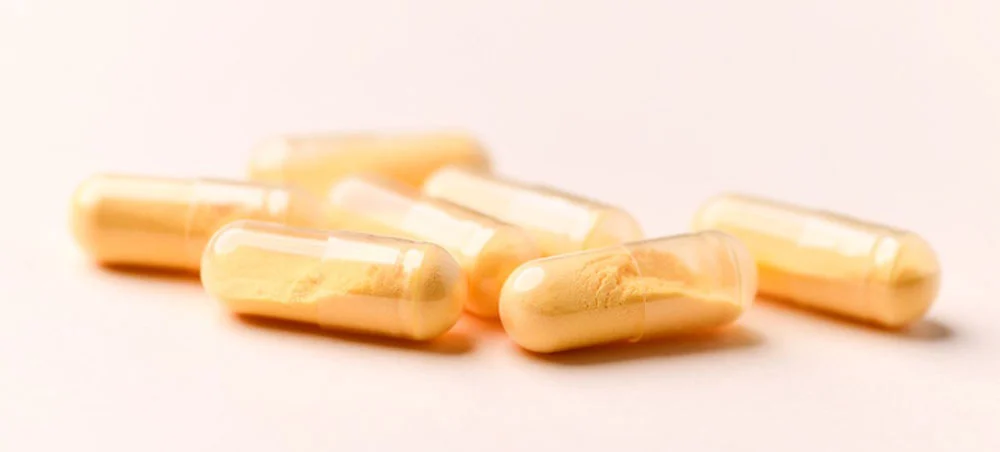
To keep from oxidatively breaking down, Co Enzyme Q10 Powder needs to be kept away from light, heat, and moisture. The best way to store things is in sealed cases in temperature-controlled rooms that are below 25°C and have a relative humidity of less than 60%. For keeping that lasts longer than twelve months, nitrogen flushing or vacuum sealing adds extra safety.
Partner with Naturalin Biotech for Premium Coenzyme Q10 Solutions
Naturalin Biotech sells Co Enzyme Q10 Powder that is strong enough to be used in pharmaceuticals. They back this up with over 20 years of experience working with botanical extracts and strict quality control. Our ubiquinone comes from fermentation and is 98–101% pure in tests, with a guaranteed all-trans isomer configuration that meets USP, EP, and JP monograph standards. Advanced analytical tools, such as HPLC testing, make sure that each batch is the same, which helps with product needs and regulatory reports.
Our customisation services can change the ubiquinone's properties to fit your exact application needs, whether you need standard mesh for softgel encapsulation, micronised grades for better dissolution, or cold-water-soluble beadlets for adding to drinks. Manufacturing facilities that are GMP-certified, detailed quality paperwork, and DDP shipping services that are designed for the US market can all help you streamline your supply chain, from buying materials to releasing your product.
We know how hard it is for supplement makers, healthy food writers, and cosmetic formulators to get the supplies they need. Our flexible order amounts and quick response times help you stay on schedule with your product development, whether you need 25 kilograms for initial product tests or multiple tonnes for mass production. As a reliable provider of Co Enzyme Q10 Powder, we mix scientific know-how with dependable execution to speed up the development of your new products.
Get in touch with our technical team at market@naturalinbio.com to talk about your ubiquinone needs, ask for samples to be tested, or look into the possibility of creating a custom formulation. You can look at our full range of standardised plant extracts at naturalinbio.com and learn how our ingredient solutions can help your goods stand out in the wellness market, which is very competitive.
References
1. Gutierrez-Mariscal, F. M., et al. "Coenzyme Q10 Supplementation for the Reduction of Oxidative Stress: Clinical Implications in the Treatment of Chronic Diseases." International Journal of Molecular Sciences, vol. 21, no. 21, 2020, pp. 7870.
2. Mantle, D., and Hargreaves, I. P. "Coenzyme Q10 and Degenerative Disorders Affecting Longevity: An Overview." Antioxidants, vol. 8, no. 2, 2019, pp. 44.
3. Garrido-Maraver, J., et al. "Clinical Applications of Coenzyme Q10." Frontiers in Bioscience, vol. 19, no. 4, 2014, pp. 619-633.
4. Bhagavan, H. N., and Chopra, R. K. "Coenzyme Q10: Absorption, Tissue Uptake, Metabolism and Pharmacokinetics." Free Radical Research, vol. 40, no. 5, 2006, pp. 445-453.
5. Saini, R. "Coenzyme Q10: The Essential Nutrient." Journal of Pharmacy and Bioallied Sciences, vol. 3, no. 3, 2011, pp. 466-467.
6. Crane, F. L. "Biochemical Functions of Coenzyme Q10." Journal of the American College of Nutrition, vol. 20, no. 6, 2001, pp. 591-598.