How to Evaluate Quality Standards of Baical Skullcap Extract?
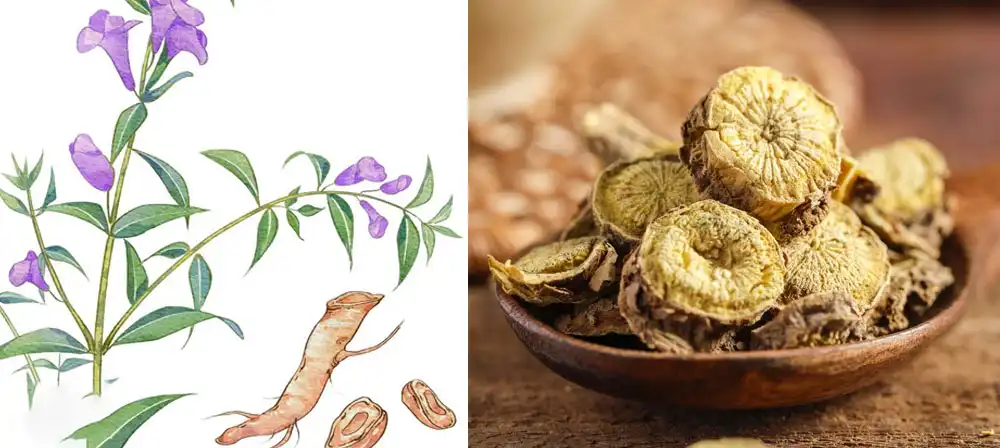
Evaluating the quality of baical skullcap extract starts with knowing what to look for. Sourced from the dried roots of Scutellaria baicalensis Georgi, this botanical ingredient is standardized for baicalin content, which typically ranges from 10% to 90% depending on the application. A reliable extract must meet defined benchmarks across purity, potency, and safety. For B2B buyers in nutraceuticals, cosmetics, food, or animal nutrition, quality evaluation is not just about chemistry—it directly determines product performance, regulatory compliance, and supply reliability.
Understanding Baical Skullcap Extract and Its Quality Challenges
A plant-based protein has become more and more important in the supplement, skin care, and functional food industries. But not every extract is the same, and people in charge of buying things need to know where the quality starts to drop before it gets to their plant.
Why Active Ingredient Variability Matters?
Baicalin is the main beneficial ingredient in the extract that helps reduce inflammation and protect cells from damage. But a lot of things can change about it based on where the plant is grown, when it is picked, and how old the roots are. You can't just look at a batch that says "85% baicalin" and guess what color it is; you need to use HPLC to check it.
Adulteration and Contamination Risks
People who work in the plant extract business know that cheaper organic materials are sometimes mixed in with the real thing. Fillers or different plant parts that look the same are sometimes added to the extract to make it less strong. Always ask for test results from labs like SGS, Eurofins, or NSF to make sure the product is real, and look for any chemicals that don't belong to the product.
Storage and Stability Degradation
If you don't store an extract properly, even one that is very clean, it can lose its usefulness. If you put baicalin in water, light, or oxidation, it breaks down more quickly. Suppliers who are responsible keep the extract in double-layered PE bags that have been cleaned with nitrogen inside fiber drums. Stability data show that the extract can be kept for 24 months if it is kept in the right way.
Core Quality Evaluation Metrics for Baical Skullcap Extract
The next step is to know which parameters to test once you know what the risks are. Quality can be judged by three things: how pure it is, how strong it is, and how safe it is.
Purity: Chemical and Physical Integrity
The size of the mesh, the color, and the amount of moisture in baical skullcap extract are some of the things that are checked to make sure there are no unwanted substances. Standard powder mesh sizes are 60 or 80 mesh. If the crystals look anywhere from light yellow to dark yellow, it's likely that the processing went well. If a color or smell doesn't seem right, you should find out more about it.
Potency: Baicalin Standardization and Bioactive Profiling
To find out how strong something is, you look at how much baicalin (C₂₁H₁₈O₁₁) and other flavonoids, like wogonin and baicalein, are present. To get a good reading on how much of these chemicals are present, HPLC is the best method. As an extra way to check, thin-layer chromatography (TLC) can be useful. A Certificate of Analysis (CoA) should be shown to anyone who wants to buy something. It should list all the active ingredients and the exact amount that was tested.
Safety: Contaminants, Microbes, and Heavy Metals
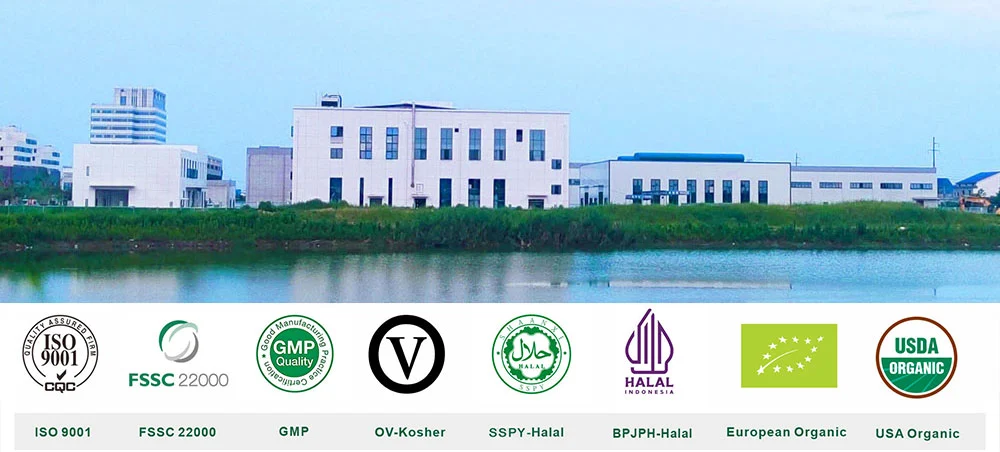
Safety tests look for heavy metals like arsenic, cadmium, mercury, and lead, as well as the number of bacteria and pesticide residues. Standards like USP, EP, or the rules for the feed product in question must be met by these things. Some suppliers have facilities that are approved by GMP, ISO9001, and FSSC22000. These suppliers are more likely to have strict internal rules in place for every batch of production.
Comparing Baical Skullcap Extract Products to Identify the Best Suppliers
The next step is to find the right supplier now that quality standards have been set. You'll save time and be less likely to buy something that doesn't work as well as it should if you compare things more than once.
Organic vs. Conventional Extract Options
Food companies that use clean labels and make health foods need products that are easy to track and don't have any extra ingredients. One example is organic skullcap root extract made in NOP-certified facilities. Normal extracts might work well in business settings that care a lot about saving money. Being clear on where you want to put your finished item will help you make this choice.
Concentration Levels and Product Form Flexibility
This extract can be used in many different ways, from makeup and animal feed to useful drinks and food supplements. It usually has 10% to 90% baicalin. It is simpler to buy from companies that can make goods in different forms, like powder, granules, or liquids, and change how they dissolve or taste. There's more to certifications than just paperwork. They show how ready a supplier is to sell and how well they know how to make things. If you want to buy baical skullcap extract from a company you can trust, look for these certifications:
Certifications as a Trust Benchmark
Most of these certifications make it easier for procurement teams to do audits and speed up the approval process in target markets.
- GMP: Confirms consistent production processes and quality controls.
- ISO9001 / FSSC22000: Validates quality management and food safety systems.
- HALAL / Kosher: Supports access to faith-based market segments.
- EU / NOP Organic: Required for clean-label and EU market compliance.
These certifications for baical skullcap extract together reduce audit burden for procurement teams and support faster regulatory approval in target markets.
Practical Steps to Procure High-Quality Baical Skullcap Extract for B2B Needs
Making sure the quality of your recipe is safe from the first request to the ongoing supply is done in an organized way. People who work in buying should do these three things.
Step 1 — Define Your Application Requirements First
Do some research before calling providers. Write down how much baicalin you need, whether you'd like it in powder, granules, or liquid form, the mesh size you want, and the regulatory markets you want to target. Check that the extract doesn't have too many heavy metals, microorganisms, or pesticide residues if you want to feed it to animals. This is required by the government and other countries.
Step 2 — Verify Supplier Credentials Thoroughly
Look at the supplier's certificates, ask for current test reports from a third party, and ask for a sample order before you place a big order. For the COA, a good service will give you all the information you need and let you visit the plant in person or via videoconferencing. For business use, the MOQ starts at 25 kg, and you can start with a sample and small trial sales.
Step 3 — Negotiate Terms That Include Quality Guarantees
Make sure that your purchase deal has clear shipping options like DHL, FedEx, air freight, or ocean freight, as well as terms about batch consistency, lead times (the normal lead time for ready-stock items is 3–7 working days), and shipping options. People who want to sell goods in the U.S. don't have to deal with as many customs issues when suppliers offer DDP shipping.
Best Practices and Future Outlook for Quality Control
Being sure of quality doesn't end when you buy something. Manufacturers who are responsible always keep an eye on their products after they've been bought. For example, they check new products as they arrive and test stored goods on a regular basis. More information about where the raw materials came from and how consistent batches are with each other are being asked for by sellers as the industry moves toward better traceability.
As the markets for functional foods and nutraceuticals grow, there will be a greater need for plant products that are the same everywhere and have been shown to be bioavailable. When it comes to time-to-market, buyers who form long-term relationships with providers that can help with co-development and quick formulation will be very ahead of the game.
Conclusion
It's not enough to just look at the package to tell how good the baical skullcap extract is. It needs to pass safety tests, meet output standards, and have a provider that can change to your needs. HPLC should be used to check the amount of baicalin in it. Using the same evaluation criteria, like active chemical profiling and supply chain openness, can help procurement teams get ingredients that work the same way in all batches while lowering risk. In the market for botanical extracts, these tips can help you choose where to get your supplies effectively.
FAQ
What is the standard baicalin content range for commercial extracts?
For a full CoA and test results from outside groups like SGS or Eurofins, you should ask for them. An HPLC chromatogram that makes the spots for baicalin, baicalein, and wogonin easy to see is the best proof.
How do I confirm that an extract is not adulterated?
Standards like GMP, ISO9001, FSSC22000, HALAL, Kosher, and organic (EU or NOP) should be looked for. All of these things show how well the goods are made and how well they can meet export standards.
Can the extract be used in animal feed formulations?
It doesn't get too hot and runs quickly, so it mixes well with dry feed ingredients.
What is the typical shelf life of a properly stored extract?
The item should last 24 months if you store it in nitrogen-flushed, double-layered PE bags inside fiber drums and keep them out of direct sunlight and water.
Partner with Naturalin Biotech for Verified Baical Skullcap Extract
Naturalin Biotech has been supplying standardized plant extracts to businesses all over the world that make food, cosmetics, supplements, and drugs for animals for more than 20 years. The safety of our baical skullcap extract has been checked with HPLC and is GMP-approved. It can be made to order with 10% to 90% baicalin concentrations. You can order samples, and for commercial items, the lowest amount you can order is 25 kg. It takes 3–7 business days to receive the item. It is safe to buy baical skullcap extract from us because we offer DDP delivery to the U.S. market. You can email us at market@naturalinbio.com or visit naturalinbio.com to get a sample or more information.
References
1. Shang, X., He, X., He, X., et al. (2010). "The genus Scutellaria: an ethnopharmacological and phytochemical review." Journal of Ethnopharmacology, 128(2), 279–313.
2. Zhao, Q., Chen, X. Y., & Martin, C. (2016). "Scutellaria baicalensis, the golden herb from the garden of Chinese medicinal plants." Science Bulletin, 61(18), 1391–1398.
3. Li-Weber, M. (2009). "New therapeutic aspects of flavones: the anticancer properties of Scutellaria and its main active constituents Wogonin, Baicalein and Baicalin." Cancer Treatment Reviews, 35(1), 57–68.
4. United States Pharmacopeia (USP). (2023). USP–NF General Chapters: Botanical Extracts. USP Publishing.
5. European Pharmacopoeia Commission. (2022). European Pharmacopoeia, 10th Edition: Monographs on Herbal Drugs. Council of Europe.
6. Gao, Z., Huang, K., Yang, X., & Xu, H. (1999). "Free radical scavenging and antioxidant activities of flavonoids extracted from the radix of Scutellaria baicalensis Georgi." Biochimica et Biophysica Acta (BBA) – General Subjects, 1472(3), 643–650.