How to Choose the Best Lion's Mane Mushroom Extract Powder?
Standardized specs with at least 30% polysaccharides and 20–40% beta-glucans confirmed through enzyme solution–UV testing should be prioritized when selecting the best Lion's Mane Mushroom Extract Powder. Choose suppliers that offer two extraction methods (water and ethanol) for full bioactive compound extraction, full regulatory certifications (ISO9001, FSSC22000, GMP), third-party lab verification through SGS or Eurofins, and customization options such as helping with formulation development and improving solubility. Reliable sourcing partners should be able to show consistent batches, flexible production capacity, clear tracking of raw materials, and quick delivery times, usually between 3 and 7 working days for business orders.
Introduction
As natural nootropics and brain health become more popular in the pharmaceutical and functional food industries, the global functional mushroom market has grown a lot. Hericium erinaceus extract has become an important part of many brands' cognitive vitamins, mushroom coffee mixes, and performance-boosting products. As the procurement worker in charge of choosing the raw materials, the choices you make have a direct effect on the end product's effectiveness, compliance with regulations, and customer trust.
When choosing the right mushroom extract, there are many things to think about besides just the price. Quality differences between providers can have a big impact on bioavailability, the safety of ingredients during production, and compliance with local rules like FDA guidelines and EU Novel Food Regulations. This detailed guide covers important buying factors like extraction methods, standardization needs, certification verification, and supplier evaluation criteria. It is designed for business-to-business buyers in the nutraceutical manufacturing, functional beverage development, and contract formulation services industries.
By knowing these factors, you can make smart choices about sourcing that combine quality assurance with making money. Getting the right ingredients is the first step to making a successful product on the market, whether you're making nootropic pills, functional coffee products, or sports nutrition mixes. The parts that follow will give you useful information that you can use to make your supplier review process easier and improve the results of product development.
Understanding Lion's Mane Mushroom Extract Powder: Benefits and Uses
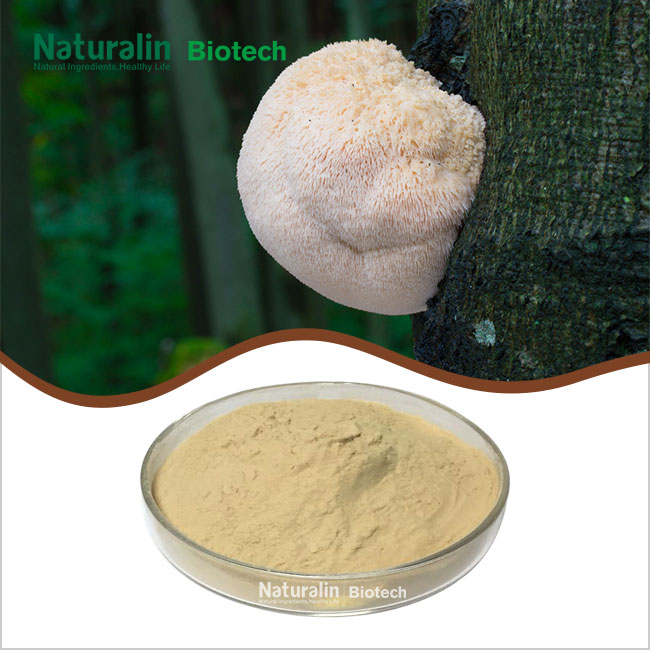
Scientists are interested in Hericium erinaceus because it contains chemicals like hericenones and erinacines that may help the production of Nerve Growth Factor (NGF). Because of these useful components, the ingredient can be used in cognitive support products that aim to improve memory, focus, and neuroprotective benefits. Clinical studies have shown that certain extracts may help people with mild memory impairment. This means that standardized extracts can be used to back up claims about products in controlled markets.
In addition to its brain uses, the extract shows promise in managing mood and changing the stress reaction. This makes it easier to come up with new formulations for a wide range of products, such as daily health pills, pre-workout focus blends, and functional beverage innovations. The ingredient's mild, slightly nutty taste makes it easy to mix with different substances without overpowering the senses. This is especially useful for making mushroom coffee and adaptogenic drinks.
From the point of view of formulation, knowing the amounts of active compounds helps with dosage suggestions and figuring out the right dose size. Label claims and customer experiences can be trusted when extracts are standardized, and their polysaccharide and beta-glucan contents are checked. While safety profiles for Hericium erinaceus extracts usually show good tolerability, procurement teams should check third-party testing for heavy metals, pesticides, and microbes to make sure they meet the safety standards set by regulatory bodies like the FDA and EFSA.
Application Across Industry Sectors
Manufacturers of nootropic supplements put concentrated ingredients into capsules and tablets, and the doses in these products are usually between 500 mg and 1000 mg per serving. The powder can be compressed easily and works well with other ingredients, so packaging methods can work well without using too many flow agents. Functional beverage makers need forms that are easily dispersed or dissolve in water, stay stable during heat processing, and keep their bioactive integrity in acidic pH environments like those found in coffee and tea.
As a non-stimulant brain booster, the ingredient is used by sports nutrition brands in pre-workout and recovery products. For this use, careful control of particle size (usually 80 mesh for a smooth texture) and moisture control is needed to keep powder mixes with multiple ingredients from caking. Cosmetic formulators are looking into using antioxidants on the skin, which means they need ingredients with special solubility profiles that work with emulsion systems.
Safety Considerations for Commercial Applications
Even though it is usually thought to be safe when it comes from respected sources, the standards for the purchase of Lion's Mane Mushroom Extract Powder should include Certificates of Analysis (COA) that show microbial limits, heavy metal screening, and pesticide residue tests that are in line with what the target market needs. Novel Food Regulations must be followed by products going to the EU, and FDA dietary supplement standards, such as Current Good Manufacturing Practice (CGMP) requirements, must be met by ingredients going to the US.
Key Criteria for Choosing the Best Lion's Mane Mushroom Extract Powder
The effectiveness of ingredients and the success of formulations depend on how pure the extract is. Specifications should make it clear what concentrations of active compounds are being talked about, and these should be checked using normal chemical methods. Enzyme solution-UV testing is a safe way to measure polysaccharides and beta-glucans, which are the main functional markers used to judge quality. For batch-to-batch comparison and quality trends research, procurement teams should ask for COAs that list these requirements.
Extraction Methodology and Active Compound Bioavailability
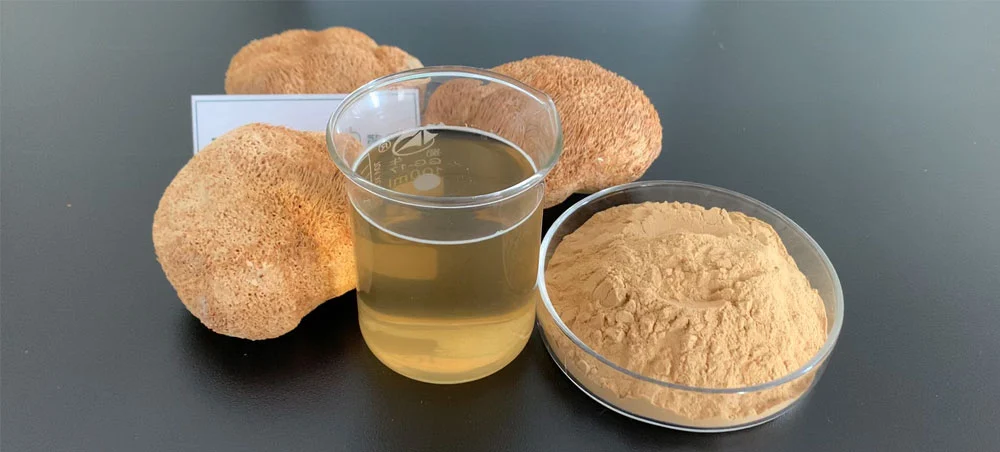
The method of extraction has a direct effect on the bioactive chemical profile and the usefulness of the ingredient. Polysaccharides and beta-glucans are successfully released by hot water extraction, but less polar molecules like hericenones may not be fully extracted. When you use both hot water and ethanol to remove something, you get a full bioactive profile that includes both water-soluble carbohydrates and alcohol-soluble terpenes. This way gets around the problem that raw mushroom powder has chitin that can't be digested, which lowers absorption and makes standardization harder.
Advanced extraction facilities use processing and concentration methods that are managed by temperature to keep heat-sensitive substances safe while meeting goal requirements. When looking at different sources, you should ask about extraction ratios (10:1 to 20:1), which show how concentrated the product is compared to raw fruiting bodies. It is usually true that extracts with higher ratios are more powerful, but this needs to be weighed against cost and product positioning.
Organic Certification and Raw Material Traceability
Organic approval meets the growing demand for clean-label goods, but it could also lead to higher prices. EU organic certification (based on Regulation EC 834/2007) and USDA National Organic Program (NOP) certification both need proof of tracking from growing the food to processing it. If a supplier has both organic and conventional choices, check to see if the organic ones are grown in separate buildings so that cross-contamination issues don't come up during regulatory audits.
Traceability of raw materials includes more than just their organic status; it also includes where they came from and how they were grown. For the supply chain, mushrooms that are picked in the wild are different from mushrooms that are grown in a garden. Cultivated sources are more reliable and available all year, while materials that are collected in the wild may not be available during certain times of the year. Suppliers who can show that their growing conditions are controlled and follow standard guidelines usually offer better batch-to-batch stability, which is important for large-scale production.
Polysaccharide and Beta-Glucan Standardization
Standardized specs make it possible to predict how well a recipe will work and back up marketing claims that are based on evidence. 30% polysaccharides and 20% to 40% beta-glucans are the standards for premium-grade products in the business. Beta-glucans, especially beta-(1,3)(1,6)-D-glucans, are the main chemicals that affect the immune system and can be used to tell the difference between whole mushroom powder and pure extracts.
The way of verification is very important. When combined with enzymatic breakdown, UV-spectrophotometry gives accurate measurements. Other, less accurate methods may overestimate polysaccharide content by including starches that aren't effective. Ask the provider for information on the analytical method in their paperwork to make sure that the level of testing meets industry standards. Third-party verification by recognized labs like SGS, Eurofins, or NSF International gives self-reported testing more trustworthiness and reduces supplier bias.
Comparing Brands and Suppliers: What to Look For in a Trusted Partner
Evaluation of suppliers includes more than just comparing prices; it also looks at how well they can make things, how mature their quality systems are, and how well they can provide expert help. Manufacturers that have been in business for a while usually have well-developed quality control systems and a supply chain that works well. But specialized new providers may be able to offer innovation benefits, such as their own extraction methods or niche organic certifications.
Manufacturing Certifications and Quality Management Systems
Suppliers of Lion's Mane Mushroom Extract Powder must meet GMP certification, which is the minimum level of production skill that providers of nutraceutical ingredients must have. ISO9001 certification shows that quality management processes are organized, and FSSC22000 (Food Safety System Certification) handles food safety risks through thorough prerequisite programs and HACCP principles. Suppliers with more than one license show that they care about quality above and beyond what is required by law.
The physical powers of the building should be looked at during the supplier qualification process. Your manufacturing capacity should match the amount you expect to need, and you should plan for the ability to increase production as your product lines grow. Cross-contamination risks are lower for suppliers who run specialized mushroom extraction facilities compared to businesses that use more than one ingredient. You can check the state of the equipment, the rules for the environment, and the way paperwork is done by asking for facility audit reports or taking virtual tours of the facility.
Third-Party Testing and Analytical Transparency
Independent laboratory proof is a more objective way to prove quality than the provider testing it themselves. Reliable sellers offer third-party COAs that show identity testing, effectiveness proof, and contaminant screening. Heavy metals (such as lead, arsenic, cadmium, and mercury) should be tested for, as well as herbicide residues that are important to farming areas, microbial contaminants (such as yeasts, molds, coliforms, pathogens, and total plate count), and the state of irradiation.
Analytical openness tells the difference between suppliers who are ready to back up their quality claims and those who are only giving you the bare minimum of paperwork. Check to see if sellers keep records for each batch that can be used for tracking investigations, and if they are a part of any third-party certification programs. Brands that care about quality value the extra layers of quality, guarantee that NSF International certification, Informed-Choice registration for sports nutrition uses, and USP verification.
Supply Chain Reliability and Inventory Management
Making sure that ingredients are always available keeps production going and the market going. Check the inventory methods of your suppliers, such as their minimum stock levels, deals for getting raw materials, and back-up supply plans. Just-in-time production models benefit from suppliers who keep standard specs in stock and offer lead times of 3–7 working days. This shows that the suppliers are operationally efficient.
Geographic diversity in supply networks lowers the risk of regional disruptions caused by things like weather, changes in regulations, or international events. Supply security is improved when suppliers have more than one place where they get their goods or strategically place their stock in different areas. Talk about the supplier's policies on "force majeure" and "allocation" during shortages to find out how they prioritize customer needs when there aren't enough supplies.
Procurement Strategies for Bulk and Wholesale Lion's Mane Mushroom Extract Powder
For well-known names that need to buy a lot of the same thing, direct manufacturer ties are usually the best way to get the best value. This method gets rid of the middleman's profit margins while still letting people talk about customization, work together on technology issues, and set priorities during times of limited supply. Manufacturers that are fully integrated from farming to extraction have the most control over the supply chain and can be traced back to the source.
Minimum Order Quantities and Commercial Terms
Standard business MOQs for bulk mushroom extracts are usually between 25 kg and 100 kg. This makes production efficient while still giving customers options. Suppliers who offer sample orders and small trial orders (less than 25 kg) make it easier to develop products and test their fit before making full-scale promises. Review price structures across different levels of volume to find the best order amounts that balance lower unit costs with the costs of keeping inventory and managing expiration dates.
Payment terms affect how much working cash you need and how the relationship works. New users can pay ahead of time, and existing accounts with credit approval can pay Net 30 or Net 60. Letters of Credit protect foreign trade, but the fees charged by banks add to the total cost of goods delivered. Talk about rewards for committing to a certain amount of work and choices for signing an annual contract that could lead to better prices and more secure supply allocation.
International Logistics and Regulatory Compliance
The way you ship things, including Lion's Mane Mushroom Extract Powder, affects both the cost structure and the dependability of arrival. Ocean freight has low prices for large amounts, but it takes a long time to get there (30–45 days on trans-Pacific paths), while air freight can quickly restock at higher prices that are good for urgent needs. Door-to-door tracking and faster clearance are available through DHL and FedEx rush services, but the cost per kilogram is much higher than for combined ocean freight.
When importing into the U.S., look at providers who offer DDP (Delivered Duty Paid) services, which make clearing customs and following rules easier. This deal makes the seller responsible for imports, which makes your job easier and gives you peace of mind about the cost. Make sure that your sellers give you all the paperwork you need for customs clearance and FDA compliance, like business bills, packing lists, and regulatory compliance statements (like non-GMO affidavits, allergen declarations, and country-of-origin certificates).
Customization Capabilities and Technical Support
Differentiating products more and more depends on unique specs that go beyond what's available in catalogs. Suppliers who give help with formulation creation, improving solubility through microencapsulation, optimizing particle size, and blended specs make it possible for companies to market their own products. Talk about intellectual property rights and agreements for exclusivity if you are working on new formulas that need to be protected from competition.
The technical support system has a big effect on how quickly new products are made. Suppliers who hire applications scientists who know how to deal with formulation problems in your goal categories (beverages, capsules, functional foods) can be a useful partner for more than just providing raw materials. Check how quickly they are to respond to questions, how good their technical paperwork is, and how willing they are to work with you on stability tests and compatibility trials.
How to Incorporate Lion's Mane Extract Powder into Products: Practical Tips and Recipes
To make a good formula, you need to know about the properties of the ingredients, like how they dissolve, taste, and stay stable during processing. Standard mushroom extracts are only slightly soluble in water, but based on the particle size and carbohydrate structure, they can dissolve completely. For instant drinks, reducing the particle size to 80 mesh or less makes the dispersion better, and microencapsulation methods make the texture and speed of breakdown better.
The earthy, umami-forward taste of the ingredient goes well with coffee, cocoa, and some tea bases. It works especially well in functional mushroom coffee formulas, where it enhances the expected sensory qualities. In neutral or fruit-flavored matrices, natural flavoring systems, balancing sweeteners, and matching plant products can help hide the taste so that consumers will accept it. Hold sensory review groups while the product is being developed to get the best flavor blending before production goes up to a larger scale.
Predictions of shelf life and packaging needs are affected by stability issues. When the moisture level stays below 8%, polysaccharides usually stay stable for a long time when stored at room temperature. High temperature and humidity, on the other hand, speed up the reactive breakdown of minor molecules. Aluminum pouches or HDPE bottles with desiccants are good examples of moisture barrier packing. To keep the product's effectiveness for the full intended shelf life, which is usually 24 months from creation, you should suggest that it be stored in a cool, dry, and dark place.
Application Formulation Examples
Most mushroom coffee mixes have between 250 mg and 500 mg of extract per dose, mixed with instant coffee, cacao, or tea bases. Successful recipes include both brain support messages and pleasant tastes, and they often include adaptogens that work well together, such as Rhodiola or Ashwagandha. In therapeutic positioning capsules, 500 to 1000 mg of Lion's Mane is used per serving. This herb is often stacked with Bacopa Monnieri, Citicoline, or Ginkgo Biloba in nootropic stacks.
When making functional drinks, like ready-to-drink versions, you need to think about how the pH will change and how it will react with other ingredients. Acidic drinks (pH 3–4) keep polysaccharides stable, but protein-based mixes might need emulsifiers to keep them from clumping together. Do rapid stable studies (40°C/75% RH for 3 months) to make sure that the shelf life estimates are correct before the product goes on sale.
Conclusion
To choose the best Lion's Mane Mushroom Extract Powder, you need to carefully look at the quality of the extract, the supplier's skills, and the needs of your particular purpose. Prioritize uniform specs that are checked using thorough analytical methods, comprehensive certifications that show manufacturers know what they're doing, and suppliers who can work with you on technical issues as the product is being developed. The money spent on carefully screening suppliers and ingredients sets the stage for successful product launches, regulatory compliance, and long-term market differentiation in functional ingredient categories that are becoming more and more competitive.
FAQ
Is Lion's Mane Mushroom Extract Powder safe for daily use?
Hericium erinaceus products have been shown to be very safe in clinical tests at normal supplement levels (500 to 3000 mg per day). Adults who are healthy don't have to worry much about the safety of third-party tested goods that meet GMP standards and have been checked for contaminants. People who are allergic to mushrooms, taking blood thinners, or pregnant or breastfeeding should still talk to their doctors before eating mushrooms because there isn't a lot of safety information for these groups.
How can I verify the potency and purity of extract powders?
Ask for Certificates of Analysis that are specific to each batch and show the amount of polysaccharides and beta-glucans that were found using standard testing methods (enzyme solution-UV). Objective proof can be found through third-party testing at approved labs like SGS, Eurofins, or NSF International. Also, look over the results of the heavy metal screening, the microbe testing, and the chemical residue analysis to make sure that the quality is fully confirmed.
What are typical lead times for bulk orders?
Standard business orders (25 kg or more) usually take 3–7 working days from well-known providers who keep popular specs in stock. Custom formulations or specs that need special handling may make delivery times two to three weeks longer. Depending on the way used, international shipping can add time to the journey: fast air (3-5 days), standard air freight (7–10 days), or ocean freight (30–45 days for trans-Pacific routes).
Partner with a Trusted Lion's Mane Mushroom Extract Powder Supplier
With more than 18 years of experience extracting plants, Naturalin Biotech is the company you should work with to get high-quality Hericium erinaceus extracts. Along with EU and USDA organic credentials, our plant keeps ISO9001, FSSC22000, GMP, HALAL, and Kosher certifications, making sure compliance across all global markets. We offer standard specs (30% polysaccharides, 20–40% beta-glucans) that are confirmed through enzyme solution-UV tests. We can also customize these specifications to help with particle size optimization, improving solubility, and formulating new products. Our technical team works with some of the biggest coffee brands and supplement makers in the world to offer fast samples (free samples are available), flexible minimum order quantities (25 kg business minimum), and quick shipping (3–7 days from ready stock). Enjoy the benefits of our dual-extraction method, our own mushroom production patents, and our full DDP shipping services that are designed for the U.S. market. Get in touch with our applications team at market@naturalinbio.com to talk about your lion's mane extract powder needs and get tailored technical specs that will help you reach your product development goals.
References
1. Friedman M. Chemistry, Nutrition, and Health-Promoting Properties of Hericium erinaceus (Lion's Mane) Mushroom Fruiting Bodies and Mycelia and Their Bioactive Compounds. Journal of Agricultural and Food Chemistry, 2015.
2. Mori K, Inatomi S, Ouchi K, Azumi Y, Tuchida T. Improving effects of the mushroom Yamabushitake (Hericium erinaceus) on mild cognitive impairment: a double-blind placebo-controlled clinical trial. Phytotherapy Research, 2009.
3. Lai PL, Naidu M, Sabaratnam V, Wong KH, David RP, Kuppusamy UR, Abdullah N, Malek SN. Neurotrophic properties of the Lion's mane medicinal mushroom, Hericium erinaceus. International Journal of Medicinal Mushrooms, 2013.
4. Khan MA, Tania M, Liu R, Rahman MM. Hericium erinaceus: an edible mushroom with medicinal values. Journal of Complementary and Integrative Medicine, 2013.
5. Spelman K, Sutherland E, Bagade A. Neurological Activity of Lion's Mane (Hericium erinaceus). Journal of Restorative Medicine, 2017.
6. Kushairi N, Phan CW, Sabaratnam V, David P, Naidu M. Lion's Mane Mushroom, Hericium erinaceus (Bull.: Fr.) Pers. Suppresses H2O2-Induced Oxidative Damage and LPS-Induced Inflammation in HT22 Hippocampal Neurons and BV2 Microglia. Antioxidants, 2019.