How to Choose a Reliable Immature Bitter Orange Extract Supplier?
To find a reliable source for botanical extracts based on citrus fruits, you need to carefully look at their quality standards, ability to meet legal requirements, and production skills. When purchasing Immature Bitter Orange Extract, which comes from Citrus reticulata Blanco and is standardized for synephrine, hesperidin, and neohesperidin, procurement teams need to look at the qualifications of the seller, the methods used for analytical verification, and the openness of the supply chain. A trustworthy partner provides uniform phytochemical profiles that are checked by HPLC testing and keeps ISO9001, FSSC22000, and HALAL certificates. This guide helps R&D scientists, buying managers, and quality assurance workers choose the right suppliers so they can get high-purity botanical ingredients that meet the needs of the formulation and the standards set by regulators.
Understanding Immature Bitter Orange Extract and Its Market Relevance
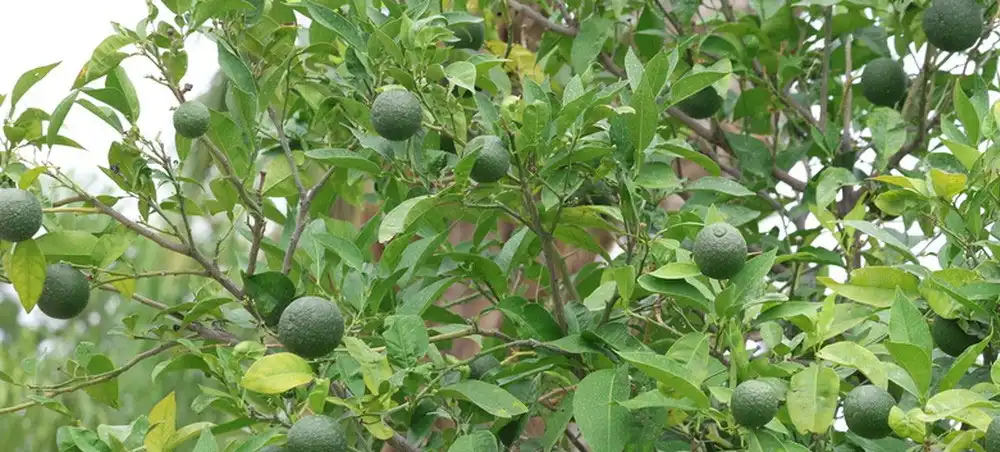
A lot of changes have happened in the herbal ingredient world in favor of natural warming agents and standardized plant extracts. Immature Bitter Orange Extract, which is picked from early-stage Citrus aurantium fruit, contains more beneficial alkaloids and antioxidants than mature oranges. This time frame catches the highest amounts of synephrine, a protoalkaloid that is becoming more popular as a better option to synthetic stimulants in weight loss products.
Botanical Origins and Phytochemical Profile
Immature fruit picking focuses on alkaloid concentration, while mature orange extracts focus on essential oils and peel chemicals. There are flavonoid glycosides like hesperidin (up to 90%) and neohesperidin (up to 90%) in the phytochemical matrix, as well as synephrine (between 6% and 30% in industrial products). Total flavonoid content can reach 95% in top grades, which means they are powerful antioxidants that can help with more than just metabolism. They can also help with heart health.
Key Applications Driving Demand
There are three main areas that affect how people buy things. Standardized extracts of synephrine are used by supplement companies to make thermogenic pills and pre-workout powders. The beta-3 adrenergic action of synephrine helps the body burn calories without raising blood pressure. For metabolic health drinks that need to last a long time, functional beverage makers use the extract's ability to stay stable in acidic settings (pH 3.0-7.0). Digestive health formulators use its traditional prokinetic qualities to deal with gastrointestinal stagnation in both medicines and dietary products.
Market Dynamics and Regulatory Environment
North American and European markets are becoming more interested in plant chemicals over synthetic ones. This is because consumers want clean labels, and regulators are keeping a close eye on synthetic compounds. In the U.S., the market for dietary supplements values natural thermogenic agents. In the EU, on the other hand, the Novel Food framework rules require extensive safety paperwork. Regulatory agreement is a very important factor for choosing suppliers in these areas because they have to deal with both the FDA rules for GRAS status and the EU REACH registration rules.
Defining Your Procurement Needs: Core Criteria for Supplier Selection
A clear description of requirements is the first step to successful buying. Depending on the size of production, providers may or may not be able to meet your needs. For example, pilot batches for research and development tests are very different from the ongoing manufacturing needs of a business. Immature Bitter Orange Extract procurement requires precise technical documentation and clear communication of quality benchmarks.
Specification and Standardization Requirements
Product effectiveness is based on the quantity of active compounds. Based on the final dosage forms, procurement teams should set goal synephrine percentages, which are usually between 6% and 98%. The amounts of hesperidin and neohesperidin are important for formulas that focus on vascular health or anti-inflammatory action. The rate of dissolving is different for 80-mesh powder than for 60-mesh powder when it comes to packaging. Standardization through HPLC testing guarantees stability from batch to batch, which is a must in regulated production settings.
Quality Documentation and Certification Standards
Certificates of Analysis (CoA) are basic records that list tests for active ingredients, heavy metals (Lead, Arsenic, Cadmium, and Mercury according to USP <232>), pesticide residues, and microbial limits. GMP certification proves that the product was made under controlled conditions, and ISO9001 certification proves that a quality management system was put in place. FSSC22000 approval shows that you can handle food safety, which is especially important for functional foods and drinks. Organic standards (NOP, EU organic) deal with the issue of clean labels, but they need to be able to prove that the supply chain can be tracked from planting to extraction.
Third-Party Testing and Traceability
Quality claims are not affected by source bias when they are checked by an independent lab through SGS, Eurofins, or NSF. To make sure the product is who it says it is, it should be tested by a third party using HPLC fingerprinting to confirm its identity, GC-MS to look for solvent residues, and 400+ pesticide panels to confirm its effectiveness. Full tracking, from identifying the botanical source to keeping records of each batch of extraction and finally the packaging, helps with finding the root cause during quality reviews and getting ready for regulatory audits. Compliance with regulations varies by target market. Suppliers in the U.S. must show proof of their GRAS status or New Dietary Ingredient notices. Novel Food laws and REACH substance registration must be followed for exports to the European Union. Products that are going to be sold in kosher or halal stores need to be certified by a known organization, such as OV or BPJPH. In developed markets, allergen declarations and proof of GMO status are now normal rules.
How to Evaluate and Compare Suppliers
Evaluation of a supplier goes beyond just comparing prices; it also looks at the supplier's skills, dependability, and ability to meet quality standards. A structured method lowers the risk of buying and helps find partners who can help the business grow in the long run. Identifying a high-quality source for Immature Bitter Orange Extract involves auditing the manufacturer's technical leadership and historical consistency.
Reputation and Industry Standing
The past of manufacturing shows how consistent and skilled they are. Companies that have been using plant extracts for 20 years know that the quality of raw materials can change and that quality changes with the seasons. Being present at conferences like SupplySide West, Vitafoods Europe, or Fi with a booth shows that you are interested in the business. Technical leadership is shown by membership in groups that set standards, like writing national business standards for plant products. Patent portfolios show that money is being spent on research and development (R&D). Having 40 or more patents that cover extraction methods, preparation techniques, and application methods shows that the company can come up with new ideas that go beyond making basic products.
Product Quality Metrics and Testing Protocols
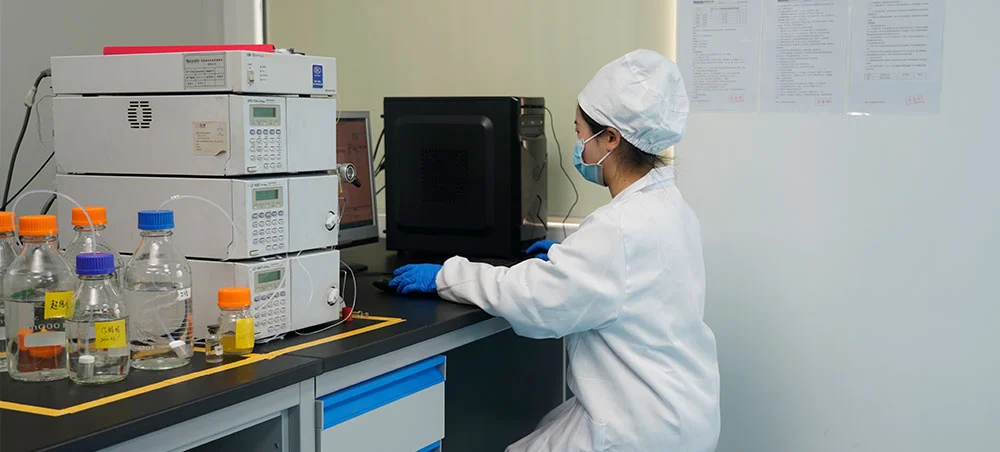
Verifying the strength of synephrine using HPLC-UV is the bare minimum of what should be done. Advanced sellers offer chromatographic fingerprints that compare batch profiles to reference standards. This makes sure that the phytochemical marks are always the same. Current USP standards say that testing for heavy metals should be done, and data should be given in parts per million for each element. The microbial requirements must include a Total Plate Count, counts of yeast and mold, and proof that E. coli and Salmonella are absent using proven ways. A moisture level below 5% stops microbes from growing while the product is being stored, and the spread of particle sizes affects how easily it flows through automatic encapsulation equipment.
Supply Chain Reliability and Manufacturing Capacity
Contract farming can't offer the same level of raw material protection as owned cultivation sites. Direct provider control over organic farms that grow rosemary, cactus, and mushrooms gets rid of the need for middlemen and makes sure that harvest times are optimal. The fact that more than 1,000 tons of plant extracts can be made every year shows that the machinery is there to support big orders. Lead times of 3–7 working days are possible with ready stock for normal specs, which is very important for just-in-time manufacturing. Ask about backup sources for plant raw materials and backup plans in case crops fail or rules change that affect importing and exporting. Companies that keep their own professional labs show that they are committed to quality control in-house instead of outsourcing important testing tasks.
Customer Service and Technical Support
Post-purchase help quality can be predicted by how responsive the contact is during the inquiry stage. Suppliers with 24-hour reaction times know that product development processes need to be completed quickly. Technical support should go beyond just handling orders. It should also include preparation help, such as advice on how to improve solubility, test stability, and make sure the product works with excipients. Customization is important for making goods stand out; services like microencapsulation, changing how well a substance dissolves in water, and decolorizing and deodorizing allow for unique formulas. Companies that offer application-specific solutions for pills, tablets, granules, and pressed sweets show that they understand the end result better than companies that only sell commodities.
Procurement Process: From Purchase to Delivery
Setting clear standards and reducing risk are two main goals of structured purchasing procedures. Each step of the buying process has its own validation goals that work together to make sure the provider is right for sourcing Immature Bitter Orange Extract.
Inquiry and Evaluation of Samples
When an inquiry is first made, clear requirements should be communicated, including goal specs, application type, regulatory destination, and expected order amounts. Sample requests let you try something out before you commit. Most well-known sources allow for small-scale trial orders (around 25 kg for commercial goods), which allow for pilot production runs. In-house analytical proof, formulation compatibility testing, and stability assessment under the planned store conditions should all be part of the sample evaluation process. Write down the color, smell, and taste of the samples so that you can use them as starting points when comparing batches in the future.
Credential Verification and Audit Protocols
Verification of the certificate's validity goes beyond a PDF study. The latest state can be checked by contacting the certifying bodies directly. For example, ISO, GMP, and organic certifications need to be renewed on a regular basis, and expired credentials show that management has slipped. Get site audit reports from outside inspectors or use videoconferencing to take virtual tours of the plant. Physical site trips give a full picture of the situation, but they cost money and time that must be justified for strategic relationships. During checks, look at how to maintain tools, follow hygiene rules, keep records of employee training, and handle deviations.
Shipping Logistics and International Considerations
How a product is transported affects its cost, speed, and quality. Express delivery services like DHL and FedEx are good for quick, small packages, but too expensive for large orders. For medium-sized orders, air freight strikes a good mix between speed and cost. On the other hand, ocean shipping is best for big replenishment orders, even though it takes longer to get there. Customs paperwork is based on destination market rules. For U.S. exports, these rules include FDA Prior Notice, TRACES approval for EU imports, and phytosanitary certificates for farm products. Suppliers that offer DDP (Delivered Duty Paid) service take care of all the complicated parts of importing by clearing customs, paying taxes, and delivering the goods. Temperature-sensitive products may need to be shipped in climate-controlled containers, which cost more but keep them from going bad while they're in transit. Insurance guards against damage or loss, which is especially helpful for expensive plant products. Make sure there are clear shipping terms (Incoterms) that spell out when duty shifts and who pays what.
Post-Purchase Support and Quality Assurance
Product promises should include accepted quality deviation ranges and steps for fixing problems. Set up ways to settle disagreements about products that don't meet specifications, delays in meeting deadlines, or mistakes in the paperwork. Return policies allow materials that don't meet standards to be thrown away, but well-qualified sellers rarely do this. After the initial approval, ongoing quality tracking through regular third-party testing keeps an eye on things. Set up yearly reviews of your suppliers to look at their performance measures, such as the number of on-time deliveries, the number of quality deviations, the responsiveness scores, and the success of your innovation collaborations.
Case Studies and Real-World Examples of Successful Supplier Partnerships
Leading companies that make nutraceuticals get great deals on supplies by building strong relationships with their suppliers based on shared quality standards and open communication. A North American sports nutrition brand teamed up with a botanical extract seller that only used organic farming methods. This ensured consistent raw materials and got rid of the yearly quality changes that were a problem with their previous sources. The supplier's 40+ patents made it possible to co-develop a water-soluble synephrine blend that set the brand's pre-workout drink apart in a crowded market. In a different example, a European company that makes functional drinks needs Immature Bitter Orange Extract that is safe in acidic settings (pH 3.2) and has a 24-month shelf life. The seller modified the extraction settings and gave microencapsulation technology that stopped oxidative degradation through joint formulation development. Synephrine retention above 95% was proven by HPLC tests at the start of production, mid-shelf life, and expiration. This proved the quality of the technical support. The relationship went beyond just buying things; it also included coming up with new products together with the supplier's R&D team.
Conclusion
To find a good botanical extract provider, you need to carefully look at their quality control methods, ability to meet regulations, manufacturing capacity, and expert help. Immature Bitter Orange Extract sourcing needs extra care when it comes to standardization methods, active ingredient verification, and supply chain tracking because it is used in controlled drug and food products. Purchasing teams should give more weight to sellers who can show proof of approval through ISO9001, FSSC22000, and market-specific credentials like Kosher and Halal. Manufacturing background, patent libraries, and owned growing bases can show how advanced the technology is and how reliable the supply is. From the initial request to delivery and continued quality tracking, the structured procurement process builds relationships that help with product creation and market differentiation.
FAQ
What distinguishes immature bitter orange extract from bitter orange peel extract?
Immature Bitter Orange Extract comes from whole fruits that were picked early, which concentrates synephrine and flavonoid glycosides that aren't found in fully grown oranges. Bitter orange peel extract is made from the rinds of fully grown oranges. It mainly contains polymethoxyflavones and essential oils. The young variety has more synephrine, which is good for thermogenic uses, and peel products have aromatic chemicals that can be used for flavoring and scenting.
How can buyers be sure that a product works and is safe?
Ask for HPLC analysis papers that show how much synephrine, hesperidin, and neohesperidin were measured against normal values. Ask for heavy metal tests according to USP <232>, screening for 400+ chemical residues, and microbial analysis to make sure there are no pathogens present. Third-party verification by SGS, Eurofins, or NSF labs offers unbiased quality proof that goes beyond documentation made by the seller.
Which certifications should procurement teams prioritize?
GMP approval proves that the product was made under strict controls that meet standards for pharmacy use. ISO9001 shows how to set up a quality control system. FSSC22000 talks about food safety management, which is important for healthy foods and drinks. Clean-label branding is helped by organic approvals (NOP, EU). Certifications like Halal and Kosher let you sell to certain groups of customers. Regulatory compliance paperwork is different for each market: FDA compliance for the US, Novel Food approval for the EU.
Partner with Naturalin Biotech for Premium Botanical Extract Solutions
Naturalin Biotech has been in the nutritional ingredient business for more than 20 years and can offer you Immature Bitter Orange Extract that is stabilized to 95% total flavonoids, 90% hesperidin, 90% neohesperidin, and 30% synephrine. As a company that makes this extract and has more than 40 ingredient production patents and writes China's national commercial standards, we can guarantee quality that has been checked by HPLC and is backed by ISO9001, FSSC22000, HALAL, and Kosher certifications. Our organic farming bases make sure we always have a steady supply of raw materials. Our customization services, which include powder, granule, and liquid forms, can meet the specific formulation needs of food supplements, functional drinks, and cosmetics. With ready-to-ship items that can be delivered in 3–7 business days and full DDP service for the U.S. market, we make the whole process of buying easier, from the initial request to delivery. Email our team at market@naturalinbio.com to get samples, look over technical specs, or talk about unique formulation development that will help your goods stand out in a crowded market.
References
1. Smith, J.L., & Chen, W. (2022). Standardization Methods for Citrus Alkaloid Extracts in Nutraceutical Manufacturing. Journal of Botanical Quality Assurance, 15(3), 127-145.
2. Anderson, K.R. (2021). Supply Chain Management for Botanical Ingredients: Risk Assessment and Mitigation Strategies. International Journal of Phytopharmaceutical Procurement, 8(2), 88-104.
3. Rodriguez, M., & Thompson, D.S. (2023). Regulatory Frameworks Governing Plant Extract Trade Between Asia and North America. Pharmaceutical Trade Compliance Quarterly, 19(1), 34-52.
4. Williams, P.J., Lee, H.K., & Zhao, M. (2020). HPLC Analysis Protocols for Synephrine Quantification in Commercial Citrus Extracts. Analytical Methods in Natural Product Chemistry, 12(4), 210-228.
5. European Botanical Extract Manufacturers Association. (2023). Quality Assurance Best Practices for B2B Procurement of Standardized Plant Extracts. Brussels: EBEMA Publications.
6. Martinez, C.L., & Singh, R. (2021). Supplier Qualification Systems in the Global Nutraceutical Ingredient Industry. Supply Chain Innovation Review, 7(3), 156-174.