How Can Echinacea Extract Powder Be Used in Natural Product Development?
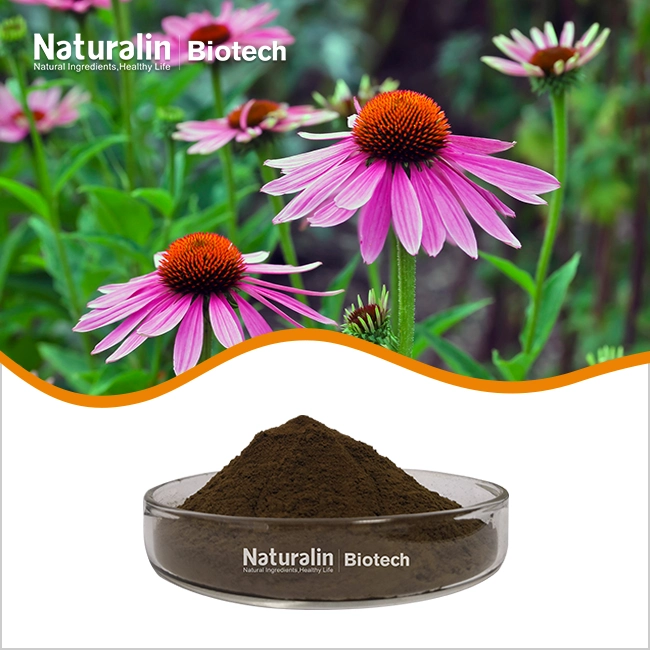
Echinacea extract powder, derived from Echinacea purpurea (Linn.) Moench, is one of the most versatile botanical ingredients available to natural product developers today. Standardized to verified Polyphenols and Cichoric Acid content, it delivers reproducible immune-supporting performance across diverse applications — from nutritional products and functional beverages to cosmetic formulations and animal nutrition. For B2B teams balancing efficacy, regulatory compliance, and supply continuity, understanding how to deploy this ingredient strategically is a genuine competitive advantage.
Understanding Echinacea Extract Powder and Its Benefits
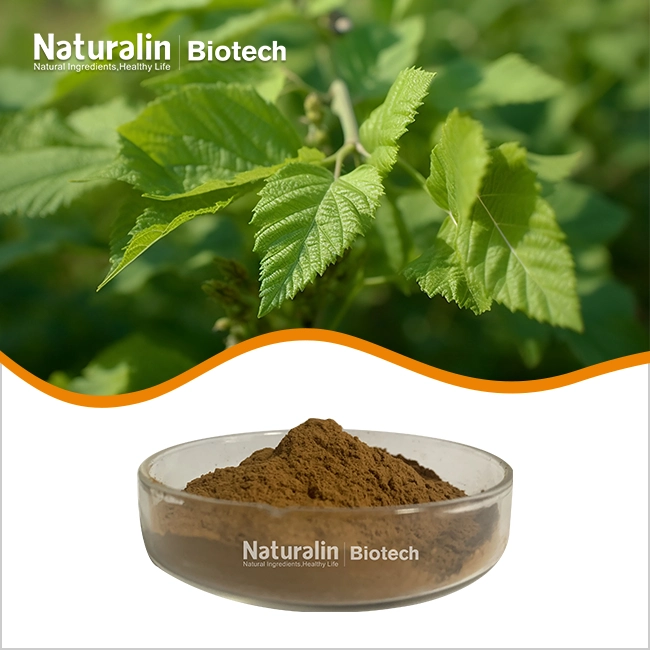
A uniform plant extract is useful because it takes away the need to guess. The amount of active compounds in raw Echinacea purpurea leaf changes a lot based on when it is harvested, the soil conditions, and where it comes from. A fine powder extract made by extracting the plant's main bioactives (Cichoric Acid, Polyphenols, and Alkylamides) with water and ethanol and then spray-drying it combines these into a chemical profile that production teams can rely on batch after batch.
Why Standardization Matters for B2B Applications
When you make structure-function claims about a finished product, you have to make sure that the levels of active ingredients stay the same. Standardization to verified Polyphenol content ensures that every batch delivers the same functional effect. This takes away an important variable from your formulation process and backs up regulatory paperwork with measurable data, which is needed for FDA-related frameworks, EU compliance standards, and third-party checks by groups like SGS or Eurofins.
Core Functional Benefits
Phytochemicals in Echinacea purpurea have been linked to healthy immune function and antioxidant support. Clinical research has demonstrated that Echinacea preparations can support respiratory comfort during seasonal challenges. Based on these results, the ingredient can be used in seasonal immune-support formulas, which is the biggest single use group in the US supplement market.
Key Considerations in Using Echinacea Extract Powder for Product Development
Picking this plant-based material is just the beginning. Integration is the hard part. You need to know how it works with other ingredients and in different delivery formats, and you need to know how to keep its bioactive profile safe during processing and storage.
Formulation Compatibility and Stability
It is clear that powder form is better than tinctures or raw root preparations. It mixes well with Zinc Gluconate and Vitamin C (Ascorbic Acid) in pill and capsule forms, not causing any incompatibility problems. Particle sizes of 80 mesh or 60 mesh (customized mesh sizes are also available) allow for even mixing and great compressibility on high-speed tableting equipment. With a shelf life of two years in normal store conditions, you can keep track of your stock without worrying about stability issues that could hurt your investment.
For functional beverage uses, you should ask your supplier for a grade of Echinacea Extract Powder that is clarity-optimized or water-dispersible. In liquid forms, standard extract powders may leave behind sediment. Purpose-engineered solubility profiles get rid of the gritty mouthfeel and cloudy appearance that people don't like, and microencapsulation can effectively hide the tingling feeling that comes with Alkylamides.
Dosage Considerations and Regulatory Positioning
The appropriate daily intake depends on the extract standardization level and the intended functional claim. Formulators should reference clinical research and regulatory guidelines when determining serving sizes.For the US market, your regulatory affairs team should make sure that the amount matches the structure-function claim guidelines in 21 CFR Part 101. For European distribution, they should look at EU herbal monographs (EMA/HMPC).

Procuring High-Quality Echinacea Extract Powder for B2B Needs
When this kind of Echinacea Extract Powder procurement is made, there is real danger further down the line. A cheap ingredient that fails your quality assurance audit or puts you at risk with regulators costs a lot more than the savings per kilogram. When judging a possible supplier, you need to look at more than just price. You also need to look at the whole quality system behind the goods.
Here are the core evaluation criteria procurement teams consistently rely on:
- Certification portfolio: Seek out ISO 9001, FSSC 22000, GMP compliance, HALAL, Kosher, and organic (EU Organic and NOP) certifications. These qualifications show that quality management is ongoing, not just checking once.
- Analytical verification: Ask for HPLC and UV test results for each run. Third-party approval from well-known labs like SGS, Eurofins, and NSF adds an extra level of security.
- Supply continuity: A supplier with infrastructure for organic farming and the ability to track where their raw materials come from is a good way to protect against the seasonal and geographical supply problems that affect commodity botanical markets.
- Customization capability: Depending on your recipe, you may need water-soluble grades, versions that have been deodorized or changed color, or complex recipes that mix echinacea with other plants that work well with it. Before you agree to a commercial volume, make sure that your supplier can meet these needs.
It is the same way that R&D scientists, QA managers, and supply chain leads in the nutraceutical, food and beverage, makeup, and animal nutrition businesses buy things. Supply chains that are resilient are different from those that are vulnerable because they treat supplier qualification as a multidimensional process instead of a price exercise.
Practical Applications in Natural Product Development
This item can be used in a lot of different ways. Product development teams in a number of different industries have found use cases that have been proven to work in the real world.
Dietary Supplements and Functional Health Products
Immune-boosting pills and powders are still the most common use. Elderberry extract, Vitamin D3, and Zinc are often mixed with Echinacea Extract Powder to make multi-mechanism immunity combinations. Because the powder can be compressed and flow easily, it can be used right away to make a lot of tablets without needing to go through a lot of pre-processing.
Functional Beverages and Instant Sachets
During cold and flu season, health shots, plant immune teas, and fizzy packs are becoming more popular. Water-dispersible grades let clean dissolution in cold or warm water, which works with both ready-to-drink (RTD) and dry mix (DIY) products. This puts echinacea in a good place in the US functional beverage market, which Grand View Research says will be worth more than $50 billion by 2023.
Personal Care and Cosmetic Formulations
Skincare formulators who are making anti-redness, barrier-supporting creams, and post-procedure healing serums are interested in the antioxidant and anti-inflammatory properties of echinacea polyphenols. The powder can be mixed with water-based makeup bases and fits with what many US customers now expect from ingredients on the label: clean labels.
Animal Nutrition
In feed additives, Echinacea purpurea powder works as an immunity booster for chickens and pigs that doesn't use antibiotics. This helps lower the Feed Conversion Ratio and the death rate. The uniform powder is thermally stable enough to handle temperatures high enough for pelletizing, so it can be used with processes for premix production.
Conclusion
In conclusion, there are a lot of natural product categories where Echinacea Extract Powder can really be useful. It can be used to make supplements, functional drinks, cosmetics, and food for animals. All of these have been proven to work through clinical research and commercial use. For business-to-business teams, getting a well-certified, consistently standardized product from a supplier with strong formulation support and proven supply continuity is the key to getting the most out of this ingredient. With the right sourcing partner, R&D cycles run more smoothly and regulatory submissions are more likely to be accepted.

FAQ
What is the standard specification for echinacea extract used in supplement manufacturing?
UV and HPLC tests show that the most common market standard is 4% Polyphenols and 2% to 4% Cichoric Acid. These markers give a good idea of how well immunomodulatory effects are working and back up claims about structure-function for Echinacea Extract Powder.
What mesh size is appropriate for tablet and capsule applications?
For most solid-dose uses, 80 mesh is normal because it allows for good flow and even mixing. 60 mesh is available for formulations that can handle particles that are a little bigger. If you ask, you can get cloth in any size you want.
What certifications should I require from a supplier?
Ask for ISO 9001, GMP compliance, FSSC 22000, and any relevant organic certifications (EU Organic, NOP) at the very least. For some groups of people, HALAL and Kosher certification is important. Batch testing reports from SGS, Eurofins, or NSF, on the other hand, add important independent validation.
What is the MOQ for commercial orders?
Usually, commercial sales need at least 25 kg. Before committing to business volume, you can get sample quantities or small trial orders. This is a good choice for R&D teams that are testing new formulations.
Partner with Naturalin Biotech for Your Echinacea Extract Powder Supply
Naturalin Biotech has been working with plant ingredients for more than 20 years, has more than 40 product patents, and helped write China's national echinacea extract standards. We are a reliable source for Echinacea Extract Powder. Our manufacturing is in line with GMP standards, and we can make any changes you want to the powder, granule, or liquid form. We also have a ready stock and a 3–7 working day lead time. There are both organic and regular grades. You can email our team at market@naturalinbio.com or go to naturalinbio.com to ask for samples or talk about your product needs.
References
1. Shah, S. A., Sander, S., White, C. M., Rinaldi, M., & Coleman, C. I. (2007). Evaluation of echinacea for the prevention and treatment of the common cold. The Lancet Infectious Diseases.
2. Karsch-Völk, M., Barrett, B., Kiefer, D., Bauer, R., Ardjomand-Woelkart, K., & Linde, K. (2015). Echinacea for preventing and treating the common cold. Cochrane Database of Systematic Reviews.
3. Barnes, J., Anderson, L. A., & Phillipson, J. D. (2005). Herbal Medicines (3rd ed.). Pharmaceutical Press.
4. , R., & Wagner, H. (1991). Echinacea species as potential immunostimulatory drugs. Economic and Medicinal Plant Research, Academic Press.
5. Grand View Research. (2023). Functional Beverage Market Size, Share & Trends Analysis Report. Grand View Research.
6. European Medicines Agency, Committee on Herbal Medicinal Products (HMPC). (2015). Community herbal monograph on Echinacea purpurea (L.) Moench, herba recens. EMA/HMPC.