How Can Buyers Evaluate Collagen Peptides For Powdered Food Premixes?
Collagen peptides for powdered food premixes need to be evaluated in a structured way that goes beyond ingredient claims. Before agreeing to a seller, people in charge of buying things have to look at things like molecular weight distribution, source location, solubility performance, and legal compliance. When heat, changes in pH, and mixing conditions that happen a lot in premix manufacturing affect hydrolysed collagen peptides, they react in different ways depending on whether they are from cattle or sea. When B2B buyers know about these technical differences, along with the reliability of the supplier and the consistency of the batches, they can make sourcing decisions that protect product quality and brand integrity all the way through the supply chain.
Understanding Collagen Peptides: Key Properties and Benefits
Not every ingredient that contains hydrolysed collagen is the same. When it comes to makeup, buyers who know about the molecular differences between source types have a big edge over their competitors.
Bovine vs. Marine: What the Difference Means for Your Premix
Bovine collagen peptides are mostly made from the hide and bones of cattle. They are mostly made up of Type I and Type III collagen and are known for being very stable at high temperatures and easily dissolved in water. This makes them perfect for hot-process premixes like protein powders, meal replacements, and baked goods.
Marine collagen peptides are very pure, don't cause allergies, and are easy to digest. They are made from fish skin and scales that have been broken down by enzymes. Their average molecular weight is usually less than 2,000 Daltons, which makes them easier for the body to absorb. This makes them a great choice for nutricosmetic products and beauty-from-within powders that aim to moisturise and firm the skin.
The amino acids that make up both types are the same: glycine, proline, and hydroxyproline. These amino acids are very important for supporting cartilage matrix production in joints and getting fibroblasts to work in the dermis. A 2019 study in the journal Nutrients proved that certain collagen-derived peptide sequences directly increase the production of collagen and hyaluronic acid in human skin cells. This means that functional claims for finished products can be backed up by evidence.
In addition to being good for your skin, hydrolysed collagen helps fix articular cartilage, encourages calcium to build up in bone tissue, and eases joint pain caused by exercise or inactivity. Because it is said to have two benefits, it is especially useful in bone-and-joint formulas that mix collagen with glucosamine and calcium.
Core Evaluation Criteria for Hydrolyzed Collagen in Food Premixes
A strict evaluation framework keeps buyers safe from batches of Collagen Peptides that aren't regular and materials that don't meet standards. The following standards are the bare minimum of what technical and business requirements buying teams should follow.
Here are the main criteria that every B2B buyer should look at:
- The molecular weight distribution was checked using GPC/SEC analysis. Peptides with a size between 1,000 and 3,000 Daltons are best absorbed by the intestines. Each production lot should come with a molecular weight certificate from the supplier.
- Hydroxyproline content: This amino acid is unique to collagen and is the main sign of authenticity. Checking the hydroxyproline content with HPLC proves that the substance is real collagen and not a mixed protein product.
- Solubility and dispersibility: For powdered premixes to work, the ingredients must be able to dissolve completely in both cold and warm water, leaving no clumps or waste behind. Ask for information on solubility across pH levels that are important to your recipe.
- Heavy metal screening is especially important for products that come from the sea. Maximum waste levels set by the FDA and the EU must be followed when ICP-MS tests for mercury, lead, arsenic, and cadmium.
- Allergen declaration and clean-label status: For US market products, non-GMO verification, no added carriers, and species-specific allergen disclosure are becoming more and more important.
- For microbiological safety, GMP guidelines say that virus testing (E. coli, Salmonella) and yeast and mould tests, as well as the total plate count, must be recorded.
All of these factors together tell you if a collagen ingredient will work consistently in your premix matrix and pass regulatory tests in target markets. If buyers skip any of these steps, their recipes could fail quality tests and be sent back to the manufacturer.
Comparing Collagen Peptide Sources for Premix Applications
People who need to buy a lot of hydrolysed collagen often compare choices that come from cows, fish, and chicken. Each has its own recipe benefits and effects on market positioning.
Bovine collagen peptides are the most popular ingredient in sports nutrition and general health premixes because they are neutral in taste and can handle high temperatures well. Marine collagen is highly valued in the nutricosmetic and clean-beauty industries, where people believe that peptides from fish are better absorbed by the skin. When it comes to joint health products, chicken-derived Type II collagen peptides are unique because they help target cartilage with lower effective doses than cattle options.
Before choosing a seller for sure, procurement teams should ask for samples for a trial run and test the stability of the product in-house. To protect the customer experience in final goods, it is important to check the sensory qualities, especially the lack of off-notes or strange smells. Bulk pricing benchmarks are very different depending on the source and specification. To set useful market reference points, buyers should get competitive quotes from at least three qualified suppliers.
Practical Guidelines for Integrating Collagen into Your Premix Formula
It's not enough to just choose the right hydrolysed collagen ingredient. To successfully incorporate it into a powdered premix, recipe planning must be done with care, and suppliers must work together.
Aligning the dose is a good place to start. According to a clinical study, taking 2.5 to 10 grams of hydrolysed collagen peptides every day can help your skin's suppleness and your joints feel better. When made with Vitamin C, hyaluronic acid, or glucosamine, these active ingredients work together with collagen metabolism pathways, so formulation scientists should check the amounts of these ingredients against the full premix ingredient matrix.
It's also important to pay close attention to stability under processing conditions. While cow peptides do well at high temperatures, marine peptides may break down a little above 80°C. Before going big, pilot batch testing in real production conditions, like spray drying, mixing, and packaging, makes sure that the performance works in the real world.
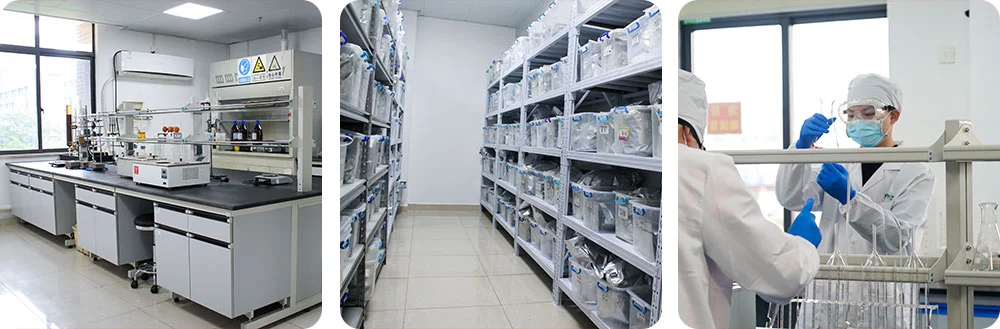
When you work with a supplier, you should check their certifications right away. GMP certification, ISO 9001, FSSC 22000, and (if applicable) Halal or Kosher approval all show that the business is run with care. Validation by third-party labs like SGS, Eurofins, or NSF offers an impartial quality check that internal exams alone can't match. Buyers who inspect facilities on video or in person add another level of supply chain security.
Future Trends Shaping Collagen Peptide Procurement
The market for collagen ingredients is still changing very quickly. Precision enzyme hydrolysis technologies now let companies make peptides with specific bioactive sequences and molecular weight ranges. This improves performance levels for skin and joint uses.
Sustainability is changing how raw materials are chosen. Buyers who care about clean labels and brands that care about the environment both like marine collagen that comes from approved fishing by-products and cattle collagen that comes from cows that have been fed grass. As a normal requirement for qualifying suppliers, procurement teams are asking for more and more supply chain openness paperwork, such as origin certificates for raw materials and records of environmental compliance.
Strategic relationships with makers who can make unique formulations, turn around samples quickly, and help with co-development are quickly becoming a decisive buying benefit. When brands sign long-term supply agreements with technically skilled partners, they lower their risk of raw material fluctuations and speed up the time it takes to make new products.
Conclusion
A multifaceted method is needed to evaluate hydrolysed collagen peptides for use in powdered food premixes. This includes reviewing the technical specifications, having thorough third-party testing done, making sure the source is qualified, and making sure the formulations work well together. Structured screening factors, such as molecular weight, hydroxyproline content, heavy metal limits, and governmental licenses, are the best way for buyers to find materials that regularly work well. As the market for ingredients gets more complex, long-term competitive advantage will come from purchasing partnerships based on openness, the ability to make changes, and stable supply.
FAQ
What is the best molecular weight for collagen peptides in premixes that are powdered?
The strongest uptake data from clinical papers is for peptides with a size between 1,000 and 3,000 Dalton. This size range makes it easy for the food to pass through the gut wall without needing to be digested further. GPC/SEC molecular weight distribution records should be sent with every batch by suppliers as normal paperwork.
How can I be sure that an ingredient in collagen is real and not fake?
Because hydroxyproline is chemically unique to collagen proteins, HPLC analysis of hydroxyproline quantity is the most accurate way to tell if something is real. Also, asking for species identification testing (PCR-based) makes sure that the material fits the source that was said to be it, which is a very important safety measure in industrial environments with a lot of different species.
What kinds of licenses should a good collagen peptide source have?
GMP, ISO 9001, and FSSC 22000 certifications should be the very least that buyers ask for. Kosher certification (OV or equivalent) and Halal certification (BPJPH or equivalent) make it easier to get into more markets. Third-party testing records from NSF, SGS, or Eurofins independently back up quality claims and meet QA standards in most global markets.
Can marine and cow collagen peptides be mixed together in one premix?
Yes. Combining the two sources is a well-known way to make medicines that take advantage of both the temperature safety of beef and the absorption of sea sources. To make sure there are no bad sensory or physicochemical interactions, compatibility testing should be done under target processing conditions.
Partner with Naturalin Biotech for Reliable Collagen Peptide Supply
Naturalin Biotech is a reliable company that has been making collagen peptides for more than 20 years. They offer hydrolysed collagen peptides from both cattle and marine sources from a 45,000 m² cGMP-certified facility that has 40+ product invention patents and ISO 9001, FSSC 22000, Halal, and Kosher certifications. You can get custom specifications, fast sample shipping, and DDP delivery to the US market. To get samples and custom prices, email our team at market@naturalinbio.com or go to naturalinbio.com.
References
1. Proksch, E., Segger, D., Degwert, J., Schunck, M., Zague, V., & Oesser, S. (2014). Oral supplementation of specific collagen peptides has beneficial effects on human skin physiology. Skin Pharmacology and Physiology, 27(1), 47–55.
2. Shaw, G., Lee-Barthel, A., Ross, M. L., Wang, B., & Baar, K. (2017). Vitamin C–enriched gelatin supplementation before intermittent activity augments collagen synthesis. The American Journal of Clinical Nutrition, 105(1), 136–143.
3. Bello, A. E., & Oesser, S. (2006). Collagen hydrolysate for the treatment of osteoarthritis and other joint disorders. Current Medical Research and Opinion, 22(11), 2221–2232.
4. Borumand, M., & Sibilla, S. (2015). Daily consumption of the collagen supplement Pure Gold Collagen® reduces visible signs of aging. Clinical Interventions in Aging, 10, 1747–1758.
5. Martínez-Puig, D., Costa-Larrión, E., Rubio-Rodríguez, N., & Gálvez-Martín, P. (2023). Collagen supplementation for joint health. Nutrients, 15(6), 1332.
6. Honvo, G., Lengelé, L., Charles, A., Reginster, J. Y., & Bruyère, O. (2020). Role of collagen derivatives in osteoarthritis and cartilage repair. Nutrients, 12(6), 1701.