Ginger Powder: Health Benefits and Export Quality Standards
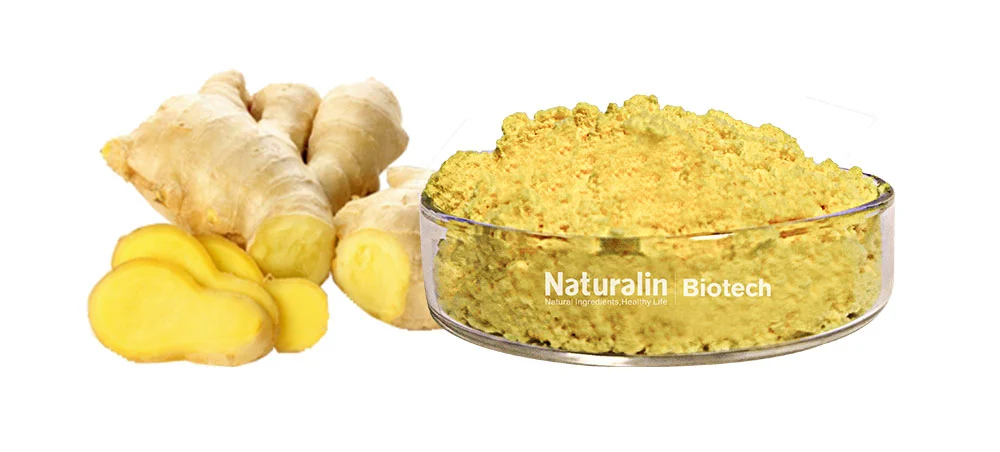
Ginger Powder, which comes from the rhizomes of Zingiber officinale Roscoe, is a concentrated, shelf-stable ingredient that helps the food, cosmetics, feed, and nutraceutical businesses with important sourcing issues. Standardized Ginger Powder keeps powerful bioactive compounds like gingerols and shogaols at steady amounts, allowing exact formulation control. Fresh ginger, on the other hand, is mostly water and doesn't last long. From raw root to export-grade powder, it goes through strict gathering, controlled drying, grinding, and testing procedures that make sure they meet international quality and safety standards.
What is Ginger Powder? Understanding Its Origin and Production
From Root to Powder: The Manufacturing Process
From the farm to the finished powder, the process starts with choosing grown ginger rhizomes, which are usually picked 8 to 10 months after they were planted. After being picked, the roots are washed well and cut into even slices, which has a direct effect on how well they dry and the quality of the finished product. Whether it's sun-dried, air-dried, or freeze-dried, the drying process lowers the moisture level below 10%, which is important for keeping microbes away and making the food last longer. Grinding has strict rules about particle size, which usually falls between 60 and 100 mesh, but this depends on the needs of the product. Strict quality checks are done at different stages of production to look for heavy metals, chemical leftovers, and microbial contamination.
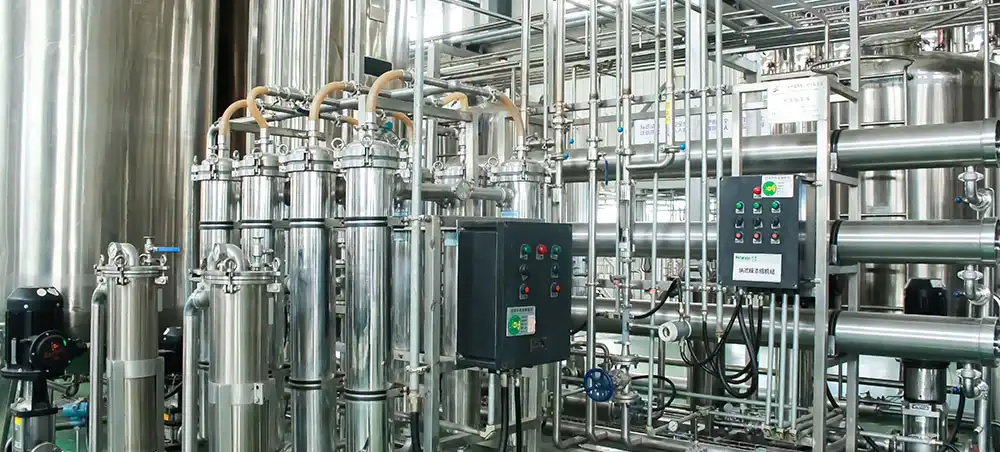
High-Performance Liquid Chromatography tests show that Naturalin Biotech's Ginger Powder has a gingerol level of between 0.5% and 1%. This analytical accuracy makes sure that there is stability from batch to batch, which is important for pharmaceutical-grade uses and formulation reliability. Our factory uses full-chain quality control, which means that from getting the raw materials to the finished packing, the color, smell, and effectiveness stay the same all year round.
Organic vs. Conventional: Quality Distinctions That Matter
Organic Ginger Powder comes from farms that are approved to use only natural herbicides and fertilizers and follow strict EU and NOP organic standards. Organic approval means higher prices, but it opens up the market a lot more to health-conscious consumers and clean-label brands. As long as sellers show that they have done thorough residue testing, conventional Ginger Powder, when made under strict quality controls, can save you money without sacrificing safety. Whether to use organic or conventional farming relies on your income, your target market, and the rules that apply. Both types have the same bioactive profile, but volatile oil compositions may be a little different in organic farming because of changes in how the land is managed.
Nutritional and Functional Profile
The biological power of good Ginger Powder comes from a few main ingredients. Gingerols, especially 6-gingerol, give foods their typical spiciness and pain-relieving effects that are valued in dietary supplements. Some gingerols change into shogaols when they are heated, which have stronger protective properties. Essential oil parts like zingiberene, curcumene, and farnesene are also in the powder. They give it its aromatic qualities and antibacterial benefits. Minerals like potassium, magnesium, and iron are present, and dietary fiber stays the same even after processing. Formulators can find the best doses for different healing or visual effects by understanding how complex these ingredients are.
Health Benefits of Ginger Powder for Consumers and Industrial Applications
Evidence-Based Digestive and Anti-Inflammatory Effects
Clinical study backs up the stomach benefits of Ginger Powder, which makes it a good ingredient for making supplements. Studies show that gingerol works to reduce sickness and speed up stomach emptying. This is because it interacts with serotonin receptors. Ginger products can be used instead of synthetic pain relievers for joint health because they stop the production of prostaglandins and leukotrienes, which cause inflammation. Peer-reviewed research shows that antioxidants can neutralize free radicals, which supports their use in anti-aging goods and health products that keep you healthy.
Safety Profile and Application Guidelines
Different uses require different dose considerations when formulating with Ginger Powder. Dietary supplements usually have between 250 and 500 mg of gingerol per dose, which is standardized to a certain amount. For beverage uses, taste balance is important, and addition rates of 0.5 to 2% give the right amount of warmth without too much pungency. At amounts of 1% to 3% in topical preparations, anti-inflammatory qualities are used in cosmetics. These guidelines, which are based on proof, help R&D teams make goods that will work as expected and be liked by customers.
Even though ginger has very high safety limits, skilled formulators still take into account possible interactions and side effects. Due to its blood-thinning qualities, too much ginger may cause mild stomach pain or interact badly with blood thinners. Regulatory advice says that the daily limit for most people should be around 4 grams. However, higher amounts may be used for medicinal purposes under the direction of a professional. Quality providers give detailed safety data sheets with information on allergens, residue testing results, and suggested usage levels for a variety of application types. This helps formulators make choices that are both effective and safe for consumers.
Export Quality Standards and Procurement Considerations for Ginger Powder
Certifications That Ensure Market Access
To get around in foreign markets, you need to know about both required and optional quality standards. Systematic quality management is shown by ISO 9001 approval. HACCP and FSSC22000, on the other hand, use preventive controls to deal with food safety risks. GMP approval shows that factories meet strict standards for cleanliness and process evaluation that are required by the pharmaceutical industry. For EU organic and USDA NOP certifications, growing methods must be audited every year, and proof of tracking must be shown. Certifications like Halal and Kosher make it easier to reach customers who have religious food needs.
Naturalin Biotech has many certificates, such as ISO9001, FSSC22000, HALAL, and Kosher. Some of their product lines also have organic approvals. These qualifications show that the company has a method for compliance, not just paperwork. They include regular audits by third-party organizations like SGS and Eurofins, which are known around the world. When purchasing, teams look at sellers; they should ask to see their most recent certifications, make sure the auditing groups are legitimate, and make sure the certification covers the types of products they want to buy.
Supplier Evaluation Criteria for Reliable Sourcing
To choose the best Ginger Powder provider, you need to look at more than just price. Traceability of raw materials tells providers if they can find out where the materials came from, when they were harvested, and how they were grown, which is very important for organic claims and contamination investigations. Processing openness shows if factories follow good manufacturing practices, keep allergens separate, and make sure cleaning methods are safe. Analytical skills show whether suppliers do tests in-house or only use outside labs, which affects how quickly they can fix quality problems.
Batch uniformity is especially important for supplement makers who need all of their products to have the same amount of strength. Large-scale production needs suppliers who can show statistical process control and have variation coefficients for active markers that are less than 5%. Lead times and minimum order numbers (MOQs) affect both inventory management and cash flow. Suppliers who offer flexible MOQs and faster output for repeat customers are more valuable to operations. Naturalin Biotech takes sample orders and keeps stock on hand so that orders can be shipped quickly. The minimum size for a business order is 25 kg, and wait times are usually 3–7 working days.
Pricing Dynamics and Logistics Optimization
Standardized Ginger Powder prices on the market depend on the specification, the state of approval, and the number of orders. When bought in bulk, conventional powder usually falls within a relatively low to mid-range price band per kilogram, while organic powder adds a noticeable premium over conventional grades. Higher amounts of gingerol in standardized products bring higher prices, which is because of the cost of concentration. Cost optimization is done by procurement teams using yearly contracts that lock in prices, relationships with multiple suppliers that give them more bargaining power, and flexible delivery schedules that cut down on the cost of rush shipping.
Logistics plans have a big effect on landing costs and the consistency of supply. When it comes to big orders with flexible arrival times, ocean freight is cheaper, but air freight is faster for urgent restocking at a higher cost. Full-service providers that offer DDP delivery (customs clearance, import taxes, and last-mile delivery) make cross-border buying easier, but they need clear ways to calculate costs. Naturalin Biotech offers a wide range of shipping choices, including DHL, FedEx, air freight, and ocean freight. For the US market, they also offer special DDP services that make customs clearance easier and guarantee on-time arrival.
Comparing Ginger Powder Varieties for Different Business Needs
Organic Certification: When Premium Investment Makes Sense
Whether to mention organic Ginger Powder relies on how the brand is positioned and who the target audience is. Organic approval helps high-end supplement brands that cater to health-conscious customers stand out and defend their higher selling prices. Clean-label food companies react to what stores want and to polls that show people prefer organic foods. But regular Ginger Powder from trustworthy sellers that have been through strict residue testing works just as well at a lower cost, making it a good choice for price-conscious situations or commercial uses where organic claims don't really make a difference.
The way the plants are grown affects not only their approval status but also the way they taste. Because plants grow more slowly and there are more microbes in the soil, organic gardening usually results in slightly lower gingerol levels but more flavorful profiles. When conventional high-yield cultivation is used, the plant consistently produces bioactive amounts and known sensory features. By being aware of these small changes, formulators can choose ingredients that meet the needs of the product and meet quality standards.
Particle Size and Form Factor Selection
The mesh size standard has a direct effect on how quickly the material dissolves, how it feels in the mouth, and how well it works with other processes. Fine powders with a mesh size of 100 or more give instant drinks a smooth feel and make liquids spread out quickly, but they may not run well and need anti-caking agents. Coarser powders with 60–80 mesh sizes easily move through automatic dosing equipment and work well for encapsulation tasks where production efficiency is more important than dissolving speed. Different types, like granules, quick powders, and microencapsulated versions, are used to solve specific manufacturing problems, like hiding flavors or controlling release.
Naturalin Biotech lets you change the shapes and sizes of particles, which helps with improving solubility, improving taste experience, and creating new, useful ingredients. Our technical team works with clients to find the best specs for each application. This could be making free-flowing powders for compressing tablets, highly soluble granules for mixing drinks, or custom extract concentrations for standard doses.
Shelf Life and Stability Considerations
Ginger Powder that is stored in the right way—in cool, dry places away from light and oxygen—stays effective for 24 months as long as it is properly packed. Degradation mostly changes the amount of volatile oils and the stability of gingerols. As gingerols oxidize over time, shogaol levels rise. Vacuum-sealed packaging in multi-layer foil laminate protects better than regular plastic bags, which is why it costs a little more but lasts longer. Manufacturers with just-in-time supply chains may value quick responses from suppliers more than longer shelf life, while manufacturers with regular production peaks benefit from ingredients that have been shown to stay stable over time.
Practical Insights and Recipes: Adding Value to Your Product Line
Formulation Innovation Across Industries
More and more, drink companies are putting Ginger Powder in healthy drinks that are meant to help with digestion and the immune system. Usually, 500 to 800 mg per dose is mixed with plants that work well together, like turmeric or lemon balm, to create a synergistic health positioning. It tastes warm and goes well with lemon flavors. It can also hide the bitterness in green tea or herbal mixes. When making drinks, the people who make them have to think about things like small cloudiness in clear liquids and the possibility of sedimentation, which requires stabilizer systems or regular stirring directions.
Nutraceutical uses include capsules with just one ingredient that are standardized to a certain amount of gingerol and complicated mixes that target inflammation or metabolic health. For tablet formulas, choosing the right excipients is important to deal with the powder's ability to absorb water and make sure the right compression properties are met. Ginger Powder or extracts are added to anti-cellulite, warming massage creams, and treatments that stimulate the hair. This is done to improve local circulation, which has useful benefits. Each type of application has its own set of technical problems that can be solved with the help of recipe support and compatibility testing from experienced sources.
Market Trends Driving Product Development
Ginger is a key ingredient in many new supplements that are made because people want natural anti-inflammatory ingredients. Food companies are being pushed by the "clean label" trend to use natural ingredients instead of synthetic ones. This means that ginger can be used for more than just seasoning. Personal care companies use traditional medicine connections to market ginger in high-end natural skin care items for older people. As these trends come together, they open up possibilities for product developers who know about legal landscapes, proof standards, and how to place their products competitively in their target markets.
As these market changes happen, Naturalin Biotech keeps its research and development (R&D) resources up to date to help customers come up with new ideas. Specialized extraction and processing methods in our patent collection improve bioavailability, stability, and functional performance. This technical knowledge, along with quick sampling and recipe advice, speeds up the time it takes for our clients to create new products and get them on the market.
Conclusion
To find Ginger Powder that is good enough to sell, you have to balance a lot of different factors, such as bioactive standardization, certification compliance, source reliability, and cost-effectiveness. Because the nutrient can be used in nutraceuticals, food, cosmetics, and feed, natural product companies that want to appeal to health-conscious customers should include it in their product lines. Knowing the differences between organic and conventional grades, the effects of particle size, and the different form factor choices lets you make smart design decisions that are in line with how you want to market your product and how it needs to be made. As people become more interested in plant ingredients that have been used for a long time and have been proven to work by modern science, Ginger Powder is set to continue growing in markets around the world.
FAQ
How does the efficacy of ginger powder compare to that of fresh ginger?
Bioactive chemicals, especially shogaols, are concentrated in dried Ginger Powder. These are made when the ginger is heated and have better antioxidant properties than gingerols, which are what are mostly found in fresh ginger. Fresh ginger has more volatile oils that give it a fresh smell, but Ginger Powder is easier to measure out and can be found all year, which is important for business preparation. The choice relies on the purpose: fresh is better for sensory accuracy, while powder is better for standardizing strength and shelf stability.
What certifications should procurement teams prioritize for bulk ginger powder purchases?
Some important certificates are ISO9001 for quality management systems, FSSC22000 or HACCP for food safety controls, and GMP for uses that are used in pharmaceuticals. Organic licenses make it easier to get into new markets, but they require that the regulating body be properly accredited. Third-party testing approval from labs like SGS or Eurofins gives independent quality confirmation beyond what the seller says is true. This is especially important for heavy metals and pesticide residues.
What storage conditions best preserve ginger powder potency during warehousing?
For best keeping, keep temperatures below 25°C in places with low humidity that are out of direct sunlight. When packages are sealed, moisture and flammable oil can't get inside, which are two of the main ways that things break down. Warehouses should use first-in, first-out product movement and test active compounds on a regular basis to make sure they stay stable over the course of their shelf life.
Partner with a Trusted Ginger Powder Supplier
Naturalin Biotech offers Ginger Powder that is suitable for export and is standardized to contain 0.5% to 1% gingerol. It comes with a number of certificates, such as ISO9001, FSSC22000, HALAL, and Kosher. We can make powders, granules, and extracts in a wide range of amounts and specs so that they meet the exact needs of makers in the nutraceutical, food, cosmetic, and feed industries. With more than 40 product patents and cutting-edge microencapsulation technologies, we can work with you to speed up the development of your products.
We keep an inventory that is ready to ship right away, and our lead times are 3–7 working days. We can handle both sample requests and business sales starting at 25 kg. Our full-range DDP delivery service for the US market simplifies cross-border operations by getting rid of the hassles of customs and making sure that packages arrive on time every time. Get in touch with our technical team at market@naturalinbio.com to talk about your unique application needs, ask for samples, or learn more about our custom formulation development services that turn high-quality botanical ingredients into market benefits.
References
1. Bode, A.M., and Dong, Z. (2011). The Amazing and Mighty Ginger. Herbal Medicine: Biomolecular and Clinical Aspects, 2nd edition, CRC Press.
2. Grzanna, R., Lindmark, L., and Frondoza, C.G. (2005). Ginger—An Herbal Medicinal Product with Broad Anti-Inflammatory Actions. Journal of Medicinal Food, 8(2), 125-132.
3. Haniadka, R., et al. (2013). A Review of the Gastroprotective Effects of Ginger. Food & Function, 4(6), 845-855.
4. Ozgoli, G., Goli, M., and Moattar, F. (2009). Comparison of Effects of Ginger, Mefenamic Acid, and Ibuprofen on Pain in Women with Primary Dysmenorrhea. Journal of Alternative and Complementary Medicine, 15(2), 129-132.
5. Rahmani, A.H., et al. (2014). Active Ingredients of Ginger as Potential Candidates in the Prevention and Treatment of Diseases via Modulation of Biological Activities. International Journal of Physiology, Pathophysiology and Pharmacology, 6(2), 125-136.
6. Semwal, R.B., et al. (2015). Gingerols and Shogaols: Important Nutraceutical Principles from Ginger. Phytochemistry, 117, 554-568.