Garlic Extract Powder Provides Natural Flavor Solutions for Food Manufacturers
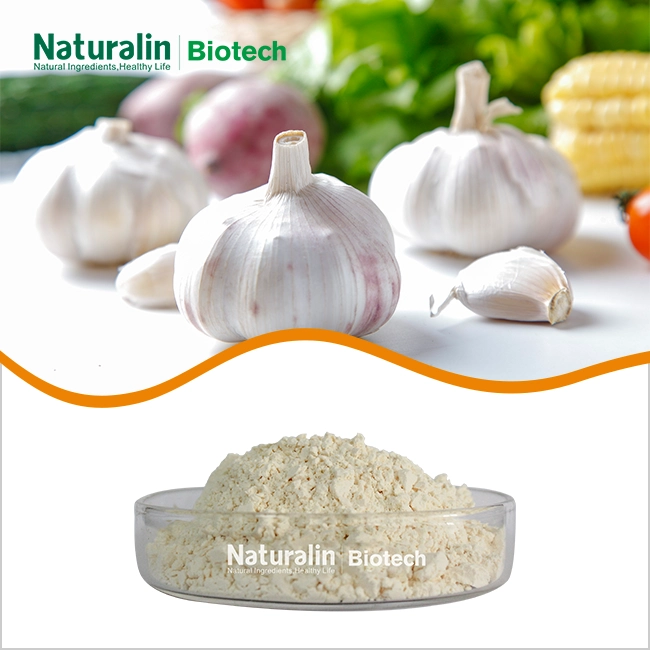
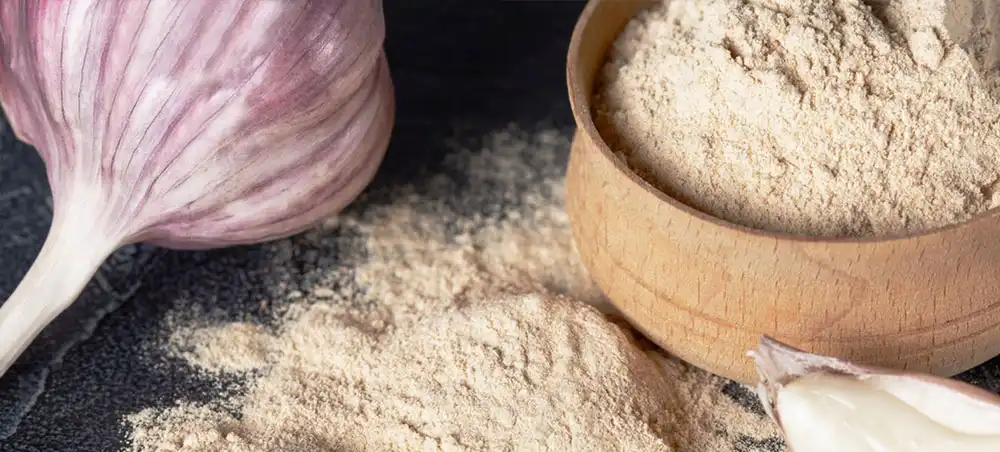
Garlic extract powder has emerged as one of the most reliable natural flavor ingredients available to food manufacturers today. Derived from Allium sativum bulbs through precision extraction processes, it delivers the robust, savory depth of fresh garlic in a shelf-stable, standardized powder form — without the variability of raw produce. As consumer demand for clean-label, minimally processed foods accelerates across the U.S. market, this concentrated botanical ingredient offers a compelling alternative to synthetic flavor enhancers, supporting both formulation performance and product positioning in health-conscious categories.
Understanding Garlic Extract Powder and Its Flavor Benefits for Food Manufacturing
What Makes It Different from Culinary Garlic Powder
A real Garlic Extract Powder is different from simple dried and ground garlic powder. It is made by carefully extracting organosulfur compounds like Alliin, Allicin, and S-allylcysteine (SAC) using water or ethanol-water mixtures. The end result is an ingredient whose bioactive content can be measured and whose performance is uniform across production batches, as shown by HPLC or UV tests. This difference is very important in corporate food production, where taste consistency is a must.
Supporting Clean-Label and Functional Food Trends
In 2023, the U.S. clean-label food market was worth more than $180 billion, and it's still growing steadily. As food companies change their recipes to use less artificial flavorings, they are more and more likely to use concentrated Garlic Extract Powder instead. Research has shown thatgarlic's functional benefits extend beyond its flavor profile. These effects add practical value beyond taste and allow product claims that appeal to health-conscious customers. Garlic Extract Powder can put a product at the crossroads of real taste and nutritional truth if they are added with care.
How to Effectively Use Garlic Extract Powder in Food Manufacturing
Application Ranges and Blending Guidance
Getting the right amount is very important for taste quality. For common types of food, the normal inclusion rates change a lot depending on how strong of a flavor is wanted and the product matrix:
- Meat products and marinades: 0.1% to 0.5% by weight usually adds a round, spicy note without overpowering the natural flavor of the protein.
- Sauces, dressings, and condiments: 0.05% to 0.3% works well in water-based or emulsified systems, especially when an 80-mesh fine mesh grade is used.
- Snack seasonings and dry blends: 0.2% to 0.8% works well when mixed with other plant-based powders like black pepper, onion, or paprika.
You should think of these application levels as a starting point. Formulators in R&D always make changes that go up or down depending on the base recipe, processing temperature, and taste profile they want to achieve. Before adding the extract in large amounts, mixing it with a small amount of oil or water first makes it more uniform and stops it from sticking in dry blend uses.
Comparing Forms: Powder vs. Oils, Flakes, and Aged Extracts
There are different forms of ingredients that come from garlic, and the one you choose has a direct effect on how the processing turns out. There are a lot of volatile thiosulfinates in garlic oil, but it can be hard to keep it stable at high processing temperatures. Garlic flakes have a texture, but they don't always deliver active compounds evenly. People like aged garlic extract (AGE) because it has more SAC and less pungency, which makes it a good choice for food supplement pills.
Garlic Extract Powder is a good compromise because it can be stored for up to two years, can be processed at normal industrial temperatures, and comes in deodorized grades that get rid of the smell of "garlic breath" without lowering its effectiveness. Garlic Extract Powder is still the most useful format for food makers who want to keep flavors consistent, keep regulations simple, and be able to offer more products.
Selecting the Best Garlic Extract Powder for Your Food Production Needs
Quality Parameters That Procurement Teams Should Evaluate
Price per kilogram isn't the only thing you need to think about when picking the right food source. When people first talk about buying something, they often don't talk about the most important quality factors. Here are the things that buying and quality assurance teams with a lot of knowledge put first:
- Active compound standardization: The amount of Allicin or Alliin must be confirmed by UV or HPLC testing, not just written on spec sheets.
- Mesh fineness: 60-mesh and 80-mesh choices affect how well the product disperses and how it feels in the mouth. Customized mesh sizes are important for certain uses.
- Certifications: Most food manufacturers in the U.S. and Europe need to meet the requirements for ISO 9001, FSSC 22000, HALAL, Kosher, and EU organic certification.
- Deodorization capability: This is especially important for finished foods that are aimed at mainstream consumers who think that strong garlic smells mean low-quality ingredients.
- Third-party validation: Regular testing by SGS, Eurofins, or similar organizations ensures the safety of each batch, regardless of the provider.
These factors together tell you if an ingredient works reliably throughout your production cycles, not just in the first sample test. A supplier that gives clear third-party test results and flexible requirements is significantly more valuable than one that only competes on price per unit.
Market Comparisons and Decision Making: Why Choose Garlic Extract Powder?
Functional and Sensory Advantages Over Alternative Garlic Derivatives
Garlic Extract Powder consistently performs better than other garlic ingredients in three areas that are most important to food manufacturers: consistency of flavor, stability at high temperatures, and the ability to supply large amounts. Fresh garlic introduces agricultural variability that makes it impossible to reliably copy the flavor from one batch to the next. Handling garlic oil in a cold chain is necessary, and the rules for it can be more complicated in some places. Automated packing lines can't precisely dose flake forms.
The global Garlic Extract Powder market is expected to grow at a compound annual growth rate (CAGR) of around 6.2% until 2030. The processed food and nutrition industries will be the main drivers of this growth. In the U.S., companies that make ready-meals and snacks have said that switching from fresh garlic to controlled Garlic Extract Powder made the products last longer and taste better, according to customers. It makes sense from an economic point of view: less wasted raw materials, lower cold storage costs, and better flavor control during high-volume runs.
Future Direction: Clean-Label Botanical Flavors
Pressure from regulators and consumers to stop using synthetic flavorings doesn't seem to be going away. The FDA's continued scrutiny of artificial flavoring compounds and clean label requirements from big U.S. grocery chains are speeding up the use of plant extracts. Organosulfur compounds found in Garlic Extract Powder are a type of ingredient that is well known to consumers and has strong scientific support, which is not often seen in natural flavor development.
Procurement Insights: How and Where to Buy Bulk Garlic Extract Powder
Sourcing Channels and Supplier Partnership Criteria
Effective bulk buying is more than just a deal. Some verified B2B buying methods are working directly with manufacturers, going to trade shows like SupplySide West, and using well-known ingredient platforms. When looking for a Garlic Extract Powder supplier, the following things set capable long-term partners apart from transactional vendors: manufacturing that is GMP-compliant, traceability of organic raw materials, the ability to customize products in-house through research and development, and proof of regulatory compliance for both U.S. and EU markets.

Conclusion
Garlic Extract Powder gives food companies a safe and profitable way to add real taste to their products without using artificial ingredients. Standardized bioactive content, thermal stability, customizable mesh and deodorization options, and a two-year shelf life are some of its benefits. These help food production teams with their main formulation and procurement problems. As the demand for clean labels grows in the U.S. food industry, getting a steady, certified supply of high-quality botanical extract is no longer just a matter of preference when it comes to where to get it.
FAQ
What is the typical shelf life of garlic extract powder?
If you store Garlic Extract Powder the right way, it will keep its effectiveness and flavor for up to two years from the date it was made. Active organosulfur compounds should be kept in a cool, dry place out of direct light to keep their effectiveness.
Is deodorized garlic extract suitable for mainstream food products?
Yes, grades that have been deodorized keep the flavor- and heart-healthy compounds while lowering the smelly volatile thiosulfinates by a large amount. They are used a lot in snack seasonings, ready-made meals, and functional drinks where the strong smell of garlic is a problem for sales.
What certifications should a reliable garlic extract supplier hold?
At the very least, you should look for ISO 9001, FSSC 22000, GMP compliance, and testing confirmation from SGS or Eurofins. Manufacturers that cater to a wide range of dietary needs should also get HALAL and Kosher certifications.
Can garlic extract powder be customized for specific formulations?
Reliable sellers let you change the mesh size, the amount of allicin, the solubility profiles, and the level of deodorization. This freedom is very important for research and development teams that are making new, unique products for many types of food.
Partner with Naturalin Biotech for Your Garlic Extract Powder Supply
Naturalin Biotech is a trusted Garlic Extract Powder manufacturer with more than 20 years in the nutritional products business and holds ISO 9001, FSSC 22000, HALAL, and Kosher certifications. Their Garlic Extract Powder comes in standardized forms (60-mesh and 80-mesh), with customization options including deodorization, solubility modification, and combination formulations. For commercial orders, the MOQ starts at 25 kg, with sample availability and lead times of 3–7 working days. They support shipping via DHL, FedEx, air, and ocean freight, including full DDP service for U.S. clients. Contact the team at market@naturalinbio.com or visit naturalinbio.com to discuss your needs.
References
1. Londhe, V. P., et al. "Role of Garlic (Allium sativum) in Various Diseases." Journal of Pharmaceutical Research and Opinion, 2011.
2. Ried, K. "Garlic Lowers Blood Pressure in Hypertensive Individuals, Regulates Serum Cholesterol, and Stimulates Immunity." Journal of Nutrition, 2016.
3. Bayan, L., et al. "Garlic: A Review of Potential Therapeutic Effects." Avicenna Journal of Phytomedicine, 2014.
4. Grand View Research. Garlic Extract Market Size, Share & Trends Analysis Report. Grand View Research, 2023.
5. Tattelman, E. "Health Effects of Garlic." American Family Physician, 2005.
6. Amagase, H. "Clarifying the Real Bioactive Constituents of Garlic." Journal of Nutrition, 2006.