Does Red Clover Extract Powder Have Antioxidant Properties?
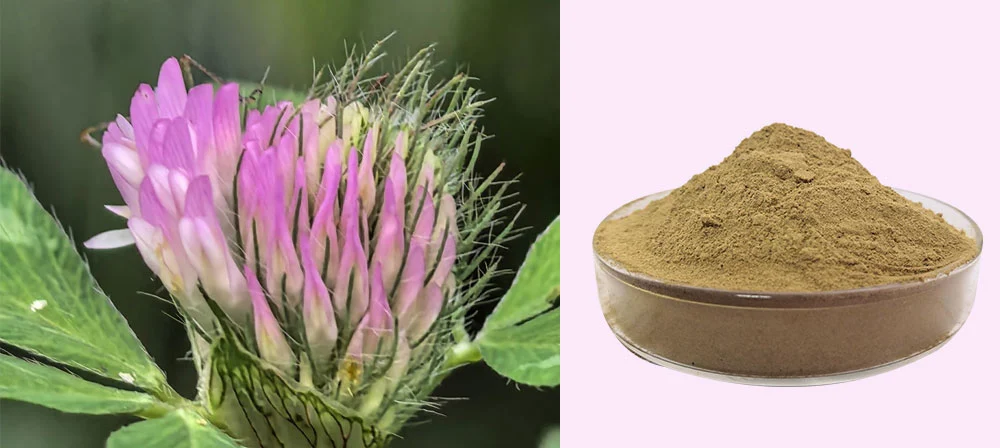
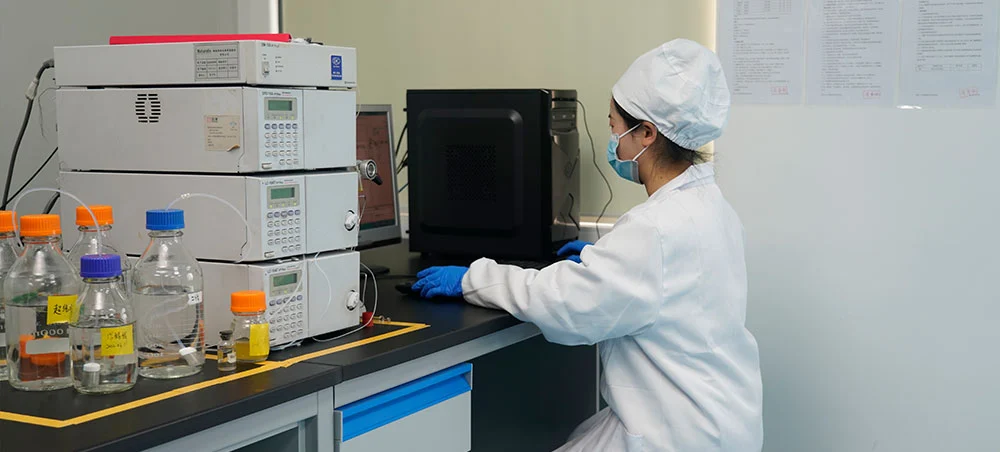
Yes, red clover extract powder does have antioxidant properties—and the evidence is well-documented. Derived from Trifolium pratense L., this botanical ingredient contains a concentrated pool of isoflavones, including formononetin, biochanin A, daidzein, and genistein, along with broader flavonoid compounds. These phytochemicals actively scavenge free radicals, reduce oxidative stress markers, and protect cellular structures from lipid peroxidation. For formulators and procurement teams across the nutraceutical, cosmetic, and functional food sectors, that antioxidant activity is not just a marketing claim—it is a measurable, HPLC-verified functional attribute with real formulation value.
Understanding the Antioxidant Properties of Red Clover Extract Powder
What Makes an Antioxidant Effective in Botanical Extracts?
By giving electrons to unstable free radicals, antioxidants stop the chain reaction that damages cells and lowers the quality of goods. How strong an antioxidant is in plant-based foods depends on how many phenolic chemicals are there and how different their structures are. More flavonoids generally mean a better ability to get rid of free radicals. This is the reason why HPLC uniformity is so important for buying workers who need all batches to have the same results.
Key Phytochemicals Driving Red Clover's Antioxidant Activity
There are four key isoflavones found in red clover. They are formononetin, biochanin A, daidzein, and genistein. To keep cells safe, they all do things in different ways. Genistein has been studied in particular to see if it can stop the production of reactive oxygen species (ROS). Biochanin A has been tried in the lab and found to remove DPPH radicals. They work together to give soy isoflavone products more phytoestrogenic and antioxidant effects than products that only have daidzein and genistein.
How Red Clover Compares to Popular Antioxidant Botanicals?
Compare red clover to other plants that are often used as antioxidants, like rosemary, grape seed extract, or green tea extract. The range of phenolics it has is about the same. It's clear that grape seed has more proanthocyanidins than any other food. But phytoestrogenic isoflavones in red clover make it a better choice for supplements for hormonal health, anti-aging cosmetics, and people going through menopause. The fact that red clover can do two things makes it a better choice for products where one ingredient needs to make more than one claim.
Benefits and Usage in Various Applications
Dietary Supplements and Functional Health Products
As an extra, red clover extract powder is often made into pills or tablets to help with bone health and menopause symptoms. An HPLC test can confirm that the amount of isoflavone in most formulations should be between 2.5% and 10%. When mixed with vitamin D3 or black cohosh, the antioxidant and phytoestrogenic qualities work together to treat vasomotor symptoms and reactive aging. The market for women's health in the U.S. is becoming more interested in this mix.
Cosmetic and Skincare Formulations
More and more, antioxidants from plants are being used on the skin to fight photoaging and collagen breakdown. Isoflavones from red clover work as antioxidants to help protect skin cells from UV light damage when mixed with emulsion bases. Genistein has been shown to be able to change the shape of collagen in dermatological studies. Because of this, the extract is a good active ingredient for skin care lines that respond to hormones, anti-aging serums, and moisturizers.
Functional Beverages and Health Foods
Extracts in powder form work well in functional drink mixes and health foods that have been added, as long as the recipe takes absorption into account. The best kinds to use with clear drinks are those that dissolve in water or are micronized. It is possible for Naturalin Biotech to change flavors, solubility profiles, and mesh sizes (60 or 80 mesh, as needed) to meet the needs of food and drink businesses that want to be clean-labeled and know their products taste good.
Procurement Insights: Choosing the Right Supplier
Standardization and Testing Protocols
Most of the time, buyers make the mistake of taking a product that hasn't been defined in a way that can be checked. There should be clear limits for the amount of isoflavones in any good source of red clover extract. For general supplement use, 2.5% to 10% is best. Labs like SGS, Eurofins, or NSF that do third-party checks add another level of trust. People who care about quality should expect that the product will be stable from batch to batch. Certificates of analysis (COA) can show this.
Certifications and Regulatory Compliance
If a business wants to sell things in the EU and the US, it needs sales licenses. It is important to check for ISO 9001, FSSC22000, GMP compliance, HACCP, and, if necessary, organic certification under NOP or EU rules. By getting HALAL and Kosher certifications, you can sell your goods to more people. We own all of these and make sure that our products are made according to good manufacturing practices (GMPs). You can see the whole process, from the raw materials to the finished extract.
Logistics, MOQ, and Lead Time
Quality standards are important, but the supply chain's useful parts for red clover extract powder are just as important. The minimum order quantity for our business is 25 kg, but we can send samples or small trial amounts to help with early formulations. We ship all over the world with DHL, FedEx, air freight, and ocean freight. The average lead time from ready stock is three to seven working days. To make it easy for U.S. customers to clear customs and lower the total landing cost, we also offer DDP door-to-door service.
Market Comparisons: Red Clover vs. Alternative Botanicals
Red Clover vs. Soy Isoflavones
Most of the time, soy isoflavone extract is the phytoestrogen that is found in soy. Soy only has daidzein and genistein, while red clover has all four main isoflavones. It is important for scientists to have this wider range. If you want to handle your menopause symptoms better than with soy-only recipes, read a study that came out in 2007 in the journal Maturitas. The four-isoflavone profile gives you more ways to mix and dose when it comes to preparation.
Red Clover vs. Black Cohosh
Another well-known plant that helps with menopause is black cohosh. However, it doesn't protect as well as isoflavones do and doesn't work as well. It is easier to understand how the isoflavone powder from red clover works because it has a more uniform phytochemical profile and better antioxidant activity. Formulators who need ingredients that can help with both hormonal problems and oxidative stress should choose red clover.
Format and Cost Considerations
For B2B buyers, red clover extract powder types are the most flexible because they can be used for emulsions, pills, tablets, and packets. The price per kilogram is based on the level of certification, the amount of isoflavone present, and the extraction method. It costs more for organically approved types, but clean-label lines of goods need them. When you compare service providers, you should not only look at the price of the raw materials but also the total cost of the preparation. This is because low failure rates and batch uniformity have a direct effect on how well something is made.
Maximizing Value: Enhancing Your Product Portfolio
Red clover isoflavone powder can be used in many places where growth is important. The market for health supplements for women is still growing because people want natural ingredients that help hormones work better and fight aging. Plant ingredients that are high in antioxidants are also becoming more popular in beauty products and diets that keep you healthy. This part makes something better in these main ways: It provides measured antioxidant and phytoestrogenic action and can be used with vitamin and plant mixes that are already on the market.
Cosmetic actives: They help collagen stay strong and reduce damage from free radicals. They are useful in lines of skin care that fight age and deal with hormones.- Functional foods and drinks: Meet the need for clean labels with plant-based, non-GMO labeling; particle size and absorption can be changed to fit your needs.
- Supplement formulations: Delivers measurable antioxidant and phytoestrogenic activity; compatible with existing vitamin and herbal blends.
- Cosmetic actives: Provides collagen-supporting and oxidative-damage-reducing properties; suitable for anti-aging and hormonal skincare lines.
- Functional foods and beverages: Fits clean-label demand with non-GMO, plant-based positioning; customizable in solubility and particle size.
These application paths are real ways for buying teams and R&D scientists to stand out. With Naturalin Biotech's help with formulation, the co-development schedule goes from talking about needs to making sure tests are correct to mass production. The whole process is open and easy to understand.
Conclusion
Red clover extract powder, a plant extract, has been demonstrated to have antioxidant properties and a variety of applications. The amount of isoflavones in it has been checked by HPLC and is between 2.5% and 10%. This makes it a good ingredient for vitamins, cosmetics, and functional foods. Procurement teams should only buy from suppliers who can guarantee consistent batches, certification compliance, and technical support. A lot of people believe in Naturalin Biotech because it has been in the business of plant extracts for over 20 years.
FAQ
What isoflavone concentration is best for antioxidant applications?
For general antioxidant applications in dietary supplements or functional foods, a 2.5%–5% isoflavone standardization is common. For targeted therapeutic use—such as menopausal support or anti-aging cosmetics—higher concentrations, up to 10%, are often specified. HPLC verification is required to confirm actual active levels in each batch.
Is red clover extract powder soy-free?
Yes. Trifolium pratense extract is botanically unrelated to soy (Glycine max). Pure red clover powder does not contain soy protein or soy-derived allergens, though buyers should confirm allergen cross-contamination controls with their supplier through documented allergen management protocols.
How does organic certification affect quality?
Organic-certified red clover extract is produced from raw materials grown without synthetic pesticides or fertilizers, under NOP or EU organic standards. While antioxidant content is primarily driven by extraction method and standardization, organic certification supports clean-label positioning and reduces residue risk—important for premium supplement and cosmetic brands.
What is the shelf life of red clover isoflavone powder?
Under proper storage conditions—cool, dry, away from direct light and moisture, in sealed original packaging—the shelf life is two years. This applies to standardized powder at 80 or 60 mesh, as produced by Naturalin Biotech.
Can the product be customized for solubility or sensory profile?
Yes. Naturalin Biotech supports customization across solubility (water-soluble and oil-soluble grades), sensory modification (decolorization, deodorization), mesh size, and formulation type—including powders, granules, and liquids.
Partner with Naturalin Biotech — Trusted Red Clover Extract Powder Supplier
Naturalin Biotech is a company that has organic, ISO 9001, FSSC22000, HALAL, and Kosher approvals and makes red clover extract powder. We have over 40 patents, and the recipe can be changed in any way you want. You can get samples or trial sales before committing to a business MOQ of 25 kg. Our team will get back to you within 24 hours to help you make decisions about where to source. Email us at market@naturalinbio.com or visit naturalinbio.com right away to get a sample or product information sheet.
Please note: All products and related services on this website are offered exclusively to corporate clients. We do not accept orders from individual buyers or retail orders.
References
1. Booth, N. L., et al. "The Chemical and Biological Profile of a Red Clover (Trifolium pratense L.) Phase II Clinical Extract." Journal of Alternative and Complementary Medicine, 2006.
2. Chedraui, P., et al. "Isoflavones and Their Impact on Menopausal Symptom Relief and Antioxidant Activity." Maturitas, 2007.
3. Lipovac, M., et al. "The Effect of Red Clover Isoflavone Supplementation on Menopausal Symptoms, Lipids, and Vaginal Cytology." Gynecological Endocrinology, 2010.
4. Overk, C. R., et al. "Comparison of the In Vitro Estrogenic Activities of Compounds from Hops (Humulus lupulus) and Red Clover (Trifolium pratense)." Journal of Agricultural and Food Chemistry, 2005.
5. Atkinson, C., et al. "The Effects of Phytoestrogen Isoflavones on Bone Density in Women: A Double-Blind, Randomized, Placebo-Controlled Trial." American Journal of Clinical Nutrition, 2004.
6. Kanadaswami, C., et al. "The Antitumor Activities of Flavonoids." In Vivo, 2005.