Coenzyme Q10 (CoQ10) & Ubiquinol: What's the Difference?
When I discuss Co Enzyme Q10 Powder with procurement professionals and formulation scientists, one question surfaces repeatedly: what truly distinguishes CoQ10 from Ubiquinol? Both forms are benzoquinone compounds essential for mitochondrial energy production and antioxidant defense, yet their molecular structures differ fundamentally. CoQ10, also known as ubiquinone, exists in an oxidized state, while Ubiquinol represents the reduced, bioactive form. This molecular distinction profoundly influences bioavailability, formulation stability, and end-product performance—critical factors when selecting ingredients for nutraceuticals, functional foods, cosmetics, or animal nutrition applications.
Understanding Coenzyme Q10 and Ubiquinol – Basics and Benefits
The Chemical Nature of CoQ10 and Ubiquinol
As a trace amount can be found in organ meats, fatty fish, and whole grains, Co Enzyme Q10 Powder is a lipophilic benzoquinone compound that is naturally made in human mitochondria. As ubiquinone, it is an important part of the electron transport chain that makes it possible for cells to make ATP, which drives their processes. During this metabolic process, ubiquinone takes electrons and changes into Ubiquinol, a reduced form that is a better antioxidant because it neutralizes free radicals and protects cell walls from oxidative damage.
Either natural microbial fermentation (most often with Rhodobacter sphaeroides or Saccharomyces cerevisiae) or manmade processes are used to make both types. High-quality fermented varieties guarantee the all-trans isomer structure, which is the same as the body's own Co Enzyme Q10 Powder and makes sure it works at its best. The test purity of premium-grade materials is usually between 98% and 101%, and they meet USP, EP, and JP requirements for pharmaceuticals.
Core Benefits Across Industrial Applications
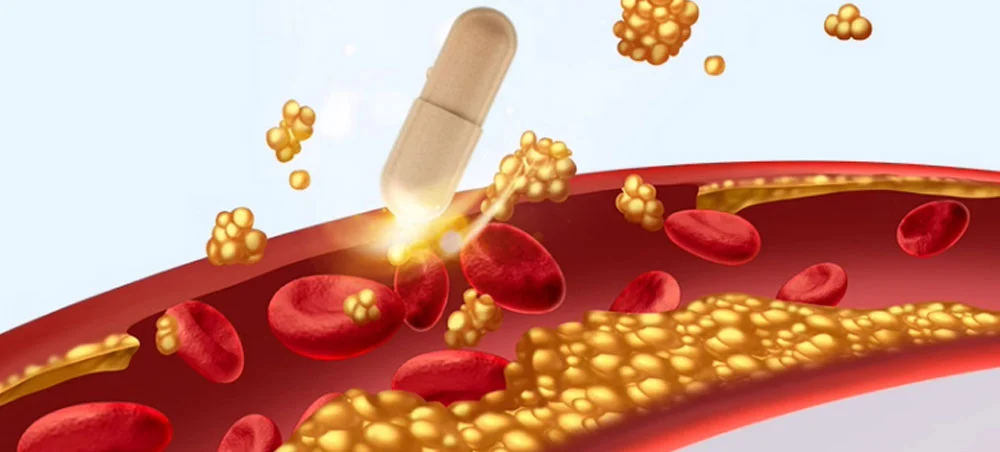
Co Enzyme Q10 Powder and Ubiquinol's dual functions solve a number of problems in the business. In formulas for heart and metabolic health, they help the body use energy more efficiently and lower signs of oxidative stress. Co Enzyme Q10 Powder is a powerful anti-aging ingredient used in personal care and cosmetics. It protects skin from UV damage and speeds up the production of collagen. Functional food and drink companies like that it comes from natural sources and has a clean label, while animal nutrition companies use it to boost the immune systems and growth of farm animals and pets.
Following the rules is still very important. Co Enzyme Q10 Powder has to pass strict safety tests, such as screening for heavy metals (lead, mercury, and arsenic), bacteria limits, and liquid residue analysis. Third-party validation by recognized labs like SGS, Eurofins, and NSF gives buying teams that handle quality assurance and legal matters peace of mind.
Dosage and Safety Considerations
Different applications call for different doses. In food supplements, the daily recommended amounts for ubiquinone are 100 to 300 mg, and for Ubiquinol they are 50 to 200 mg. This is because Ubiquinol is better absorbed. Topical cosmetics usually have amounts between 0.1% and 1.0%. Long-term studies show that Co Enzyme Q10 Powder is very safe and has few side effects. However, scientists working on the formulation must take into account that it is photosensitive and unstable at high temperatures, which means that it needs to be delivered through microencapsulation or oil-based systems.
Coenzyme Q10 Powder vs. Ubiquinol – A Detailed Comparison for Procurement
Molecular Differences and Functional Efficacy
Ubiquinone has a quinone ring structure that is easily oxidized, but Ubiquinol has hydroxyl groups that make it chemically reduced and effective right away. This difference in structure affects how they work: ubiquinone needs to be changed by enzymes in the body to have antioxidant effects, while Ubiquinol works directly after being absorbed. Ubiquinol has measurable benefits in bioavailability and therapeutic results for groups that have trouble converting it, like people over 40 or those with metabolic dysfunction.
When purchasing experts look at these materials, they have to compare how well they work to how much they cost. Because it is harder to make and needs to be stabilized in a complicated way, Ubiquinol has higher costs than Co Enzyme Q10 Powder, often by 200% to 300%. But because it absorbs better, lower dosages are possible, which could help cover the cost of raw materials by lowering the cost per serving.
Bioavailability and Stability Implications
When compared to regular solid ubiquinone, Ubiquinol is two to three times more bioavailable in the plasma. Modern formulation technologies, such as micronized particles (D90 < 10µm), cold-water-soluble beadlets, and nano-emulsion systems, make it much easier for the body to absorb Co Enzyme Q10 Powder, which closes this bioavailability gap. These new ways of delivering Co Enzyme Q10 Powder get around the problem that it doesn't mix well with water, which has been a problem for research and development teams making functional drinks or rapid-release capsules.
Another important thing to think about is stability during storage and output. Co Enzyme Q10 Powder has a good shelf life as long as it is kept away from light and oxygen. Under ideal conditions, it will stay active for 24 to 36 months. Ubiquinol changes back to ubiquinone when it comes in contact with air or heat, which is why it needs special packing (like nitrogen-flushed blisters and opaque bottles) and strict temperature control when it is being made into tablets and capsules. These logistical needs affect how the supply chain is planned and how goods are stored.
Cost Analysis and Supply Chain Dynamics
Global supply chains for Co Enzyme Q10 Powder are helped by the fact that it is already made in China, Japan, and Europe. This means that prices are competitive and supplies are always available. Bulk Co Enzyme Q10 Powder costs between $200 and $500 per kilogram, depending on the purity grade and the amount that is being made. The price of Ubiquinol changes from $600 to $1,500 per kilogram because it needs to be made and handled in a very specific way.
When estimating the amount of ingredients they will need, purchasing managers should look at the minimum order quantities, lead times, and production capacity of each supplier. Seasonal changes in fermentation raw materials can sometimes affect availability. This is why long-term supply deals are helpful for keeping formulations consistent and budgets predictable across all product lines.
Choosing the Right Coenzyme Q10 Powder: Market Overview and Brand Insights
Organic vs. Synthetic Variants
More and more, the market is making a difference between Co Enzyme Q10 Powder that comes from fermentation and Co Enzyme Q10 Powder that is made chemically. Fermented variants are in line with clean-label trends and offer guaranteed all-trans isomer purity, which makes them appealing to brands that want to reach health-conscious customers. Even though synthetic production is cheap, it might leave behind solvents and cis-isomer impurities that make the product less biologically active and less acceptable to regulators in some markets.
Co Enzyme Q10 Powder is still hard to get certified as organic because of the substrate requirements for fermentation. However, some suppliers offer non-GMO verification and allergen-free claims that meet clean-label positioning. Purchasing teams that work with the nutraceutical and functional food industries should make it a priority to be open about where their raw materials come from and how they are made.
Supplier Evaluation and Certification Priorities
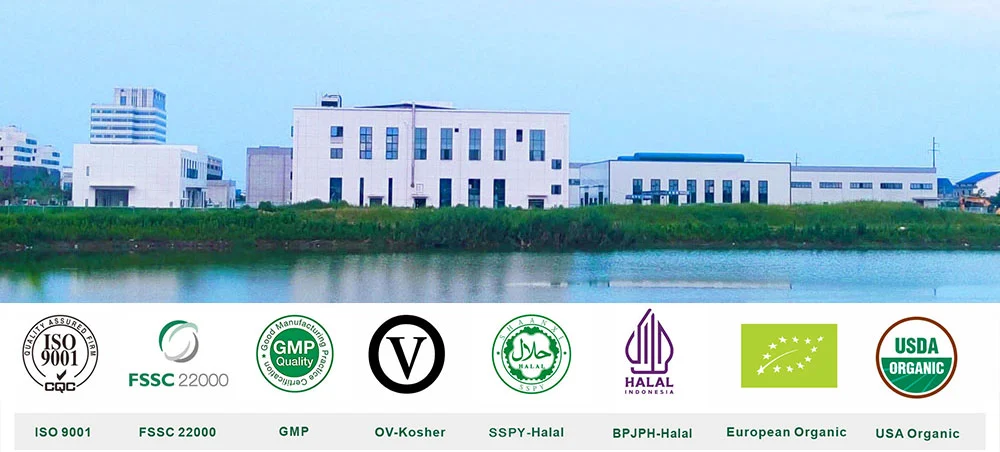
Leading companies have complete quality management systems that include certificates for GMP, HACCP, ISO 9001, and FSSC 22000. These credentials show a dedication to batch consistency, preventing contamination, and traceability, all of which are important factors when choosing suppliers for pharmaceutical-grade or infant nutrition uses. Ask for stability data, audit records, and Certificates of Analysis that show the purity, moisture content, particle size distribution, and microbiological state of the HPLC.
Reliable providers give expert support, such as help with formulation, tests for compatibility, and regulatory paperwork for import/export compliance. Customized solutions, ranging from standard powder to microencapsulated beadlets, are offered by companies like Naturalin Biotech to meet the needs of a wide range of industries. Their ability to offer DDP services and keep a large inventory cuts down on procurement risk and speeds up the time it takes for new products to hit the market.
Practical Purchasing Considerations
Pricing is based on the number of items you order, and you can get big savings for yearly contracts or packages that are sent together. When it comes to custom grades, the minimum order quantity is usually between 25 and 100 kilograms, but some providers can work with smaller study amounts. Co Enzyme Q10 Powder has a low melting point (48°C to 52°C), which means it needs to be shipped in a temperature-controlled way during the summer to keep it from solidifying and keep its flowability.
Depending on the end use, different product forms are best. For example, pure crystalline powder works well for capsules and tablets, oil solutions work well in softgels, and water-dispersible pellets can be used to add nutrients to drinks. Aligning the requirements for materials with the capabilities of manufacturing equipment and the delivery preferences of consumers improves the efficiency of production and the acceptance of the product.
How to Procure Coenzyme Q10 Powder Effectively: A Guide for Purchasing Managers
Quality Criteria and Supplier Audits
Setting clear quality standards stops problems with formulation and regulatory issues later on. Set acceptable limits for assay (usually between 98.0% and 102.0%), moisture content (< 0.2%), heavy metals (< 10 ppm), microbial limits, and solvents that are still present. Ask for proof that the all-trans isomer is pure and doesn't contain any synthetic impurities.
Supplier checks, whether they are done virtually or in person, confirm how things are made and how well quality control is done. Check out the steps for fermentation, the steps for extraction and purification, the calibration records for analytical equipment, and the steps for dealing with deviations. Before agreeing to large-scale procurement, samples should be tested by a third party to make sure they meet standards and see how consistent they are from batch to batch.
Negotiation Strategies and Contract Terms
Use information about area prices and potential utilization from the market to get better terms. Tiered pricing is often possible with volume promises, and longer payment terms or consignment plans help with managing cash flow. To protect supply continuity and brand image, include penalty terms for late deliveries, batches that don't meet specifications, or not following the rules.
Ask for stability guarantees that say the minimum amount of time the food will last after delivery (usually 24 months). Talk about a flexible order schedule that can handle changes in seasonal demand without having to pay for storage or risking the material breaking down. Clear communication about lead times—usually three to seven working days for stocked items—allows for accurate planning of production and the best use of inventory.
Logistics and Regulatory Compliance
Co Enzyme Q10 Powder stays in good shape as long as it is handled properly during shipping. To keep rusting to a minimum, use moisture-barrier wrapping that is flushed with nitrogen or vacuum-sealed. Temperature-controlled containers keep compounds from going bad at high temperatures, and materials that are opaque or UV-protective keep photosensitive compounds safe. Once you get it, keep it in a cool, dry place that is out of direct sunlight. Keep an eye on the temperature and humidity to make sure it stays in line with the specifications.
Keeping track of foreign rules takes a lot of paperwork. Check that suppliers give you Certificates of Analysis, Allergen Declarations, BSE/TSE statements, and confirmations of the GMO status. When bringing materials into the U.S., make sure they meet FDA identity standards and supplier registration requirements. For EU exports, REACH rules must be followed and, if necessary, Novel Food clearance must be obtained. Working with providers who know how to handle export paperwork makes the customs process faster and cuts down on wait times at the border.
Practical Applications and Formulation Insights for Coenzyme Q10 Powder
Nutraceutical and Dietary Supplement Formulations
Co Enzyme Q10 Powder is an important part of many supplement lines for heart health, energy metabolism, and anti-aging. Formulators have to choose the right transport methods by weighing bioavailability against the ease of production. In oil-filled capsules, where lipid carriers help with absorption, standard powder works well. Water-dispersible versions allow for chewable tablets or fizzy versions aimed at people who prefer not to swallow.
When you mix Co Enzyme Q10 Powder with vitamins E and C, selenium, or omega-3 fatty acids, you get antioxidant blends that work better together. Stability testing at high temperatures (40°C/75% RH) shows fit and expected shelf life. Disintegration and dissolution profiles make sure that the release rates are right for making promises about effectiveness and keeping customers happy.
Cosmetic and Personal Care Applications
The amount of Co Enzyme Q10 Powder in skin care products like creams, serums, and lotions is usually between 0.3% and 1.0%. Because it is lipophilic, it is easy to mix with emulsions. However, solubilizers like polysorbates or PEG derivatives may help it dissolve in water. Encapsulation technologies keep the active ingredient from breaking down due to oxygen and allow for long-lasting release, which gives you anti-aging effects for a longer time.
After eight to twelve weeks of topical use, clinical studies show a decrease in the depth of wrinkles and an increase in skin elasticity. Consumer perception studies or instrumental data must back up marketing promises. This means that the quality of the ingredients and the uniformity of each batch are very important for getting the same results and building trust in the brand.
Functional Food and Beverage Innovation
Because it is sensitive to heat and doesn't dissolve well in water, Co Enzyme Q10 Powder is hard to incorporate into food structures. Microencapsulated beadlets can handle short times of processing temperatures up to 80°C, which makes it possible to add extra nutrients to breakfast cereals, baked foods, and nutrition bars. Nano-emulsion technologies make stable mixtures for protein shakes, functional drinks, and ready-to-drink supplements that don't change how they look or taste.
Different countries have different rules about Co Enzyme Q10 Powder. In the U.S., it is legal to use as a food ingredient, but in some EU member states, it needs to be approved as a novel food. Check for compliance before putting the product on the market to avoid expensive recalls or legal problems.
Conclusion
When procurement professionals and formulation scientists know the difference between Co Enzyme Q10 Powder and Ubiquinol, they can make smart sourcing decisions that are in line with product goals, target demographics, and budget limits. While Ubiquinol is more bioavailable and has direct antioxidant effects, new transport methods have made Co Enzyme Q10 Powder work much better, which makes Co Enzyme Q10 Powder a cost-effective choice for many uses. To be successful at buying, you need to carefully evaluate suppliers, set clear quality standards, and work with them in a way that encourages creativity and follows the rules. To make competitive goods that meet changing customer demands for natural, science-backed ingredients in the nutraceutical, cosmetic, functional food, and animal nutrition sectors, producers must find a balance between effectiveness, stability, cost, and market positioning.
FAQ
Is Ubiquinol more effective than standard Co Enzyme Q10 Powder?
Ubiquinol is more bioavailable, especially for older people or people with health problems that make it harder for their bodies to convert other substances. However, new manufacturing techniques such as micronization and nano-emulsification make it much easier for the body to absorb normal Co Enzyme Q10 Powder, closing the effectiveness gap. Instead of assuming that Ubiquinol is better in all situations, product selection should take into account target demographics, dosage preferences, and cost constraints.
What quality assurance measures should I prioritize when sourcing Co Enzyme Q10 Powder?
Check the purity (≥98%) using HPLC, the all-trans isomer configuration, the heavy metal screening, the microbe limits, and the leftover solvent analysis. Ask neutral third-party labs like SGS or Eurofins to give you Certificates of Analysis. Make sure the supplier has the right certifications (GMP, ISO, HACCP, etc.) and can back up claims about the product's shelf life under certain storage conditions by giving you stability data.
How does storing CoQ10 powder change its stability?
Ubiquinol and Co Enzyme Q10 Powder both break down in light, air, heat, and water. Keep the Co Enzyme Q10 Powder in airtight, opaque containers below 25°C and with a relative humidity below 60%. Nitrogen-flushed packaging keeps food fresh longer. Check the material's appearance and potency on a regular basis, especially in warm places or warehouses that don't have climate control, to make sure it stays in good shape for as long as it's supposed to.
Partner with Naturalin Biotech for Premium Co Enzyme Q10 Powder Solutions
As a reliable source for Co Enzyme Q10 Powder, Naturalin Biotech combines more than 20 years of experience with botanical extracts with cutting-edge fermentation and purification technologies to provide pharmaceutical-grade ingredients that meet the strictest requirements. Our fully integrated factories hold many certificates, like GMP, ISO 9001, FSSC 22000, HALAL, and Kosher, to make sure they follow the rules in all places around the world. From micronized powders and water-dispersible beadlets to oil suspensions, we can make a wide range of products that are exactly what you need for your formulations and production processes. We make your supply chain easier while keeping the quality high. We offer quick response times (within 24 hours), flexible minimum order amounts, and full-range DDP delivery services to the U.S. market. To speed up the process of making new products, our experienced research and development (R&D) team offers free advice on formulation, help with stability testing, and regulatory documentation. Email us at market@naturalinbio.com to get samples, talk about your unique buying needs, or find out how our 40+ protected technologies can help you make your next nutraceutical, functional food, cosmetic, or animal nutrition product better.
References
1. Crane, F. L. (2001). Biochemical functions of coenzyme Q10. Journal of the American College of Nutrition, 20(6), 591-598.
2. Bhagavan, H. N., & Chopra, R. K. (2006). Coenzyme Q10: Absorption, tissue uptake, metabolism and pharmacokinetics. Free Radical Research, 40(5), 445-453.
3. Hosoe, K., Kitano, M., Kishida, H., Kubo, H., Fujii, K., & Kitahara, M. (2007). Study on safety and bioavailability of ubiquinol after single and 4-week multiple oral administration to healthy volunteers. Regulatory Toxicology and Pharmacology, 47(1), 19-28.
4. López-Lluch, G., Del Pozo-Cruz, J., Sánchez-Cuesta, A., Cortés-Rodríguez, A. B., & Navas, P. (2019). Bioavailability of coenzyme Q10 supplements depends on carrier lipids and solubilization. Nutrition, 57, 133-140.
5. Garrido-Maraver, J., Cordero, M. D., Oropesa-Ávila, M., Vega, A. F., de la Mata, M., Pavón, A. D., ... & Sánchez-Alcázar, J. A. (2014). Clinical applications of coenzyme Q10. Frontiers in Bioscience, 19, 619-633.
6. Pravst, I., Žmitek, K., & Žmitek, J. (2010). Coenzyme Q10 contents in foods and fortification strategies. Critical Reviews in Food Science and Nutrition, 50(4), 269-280.