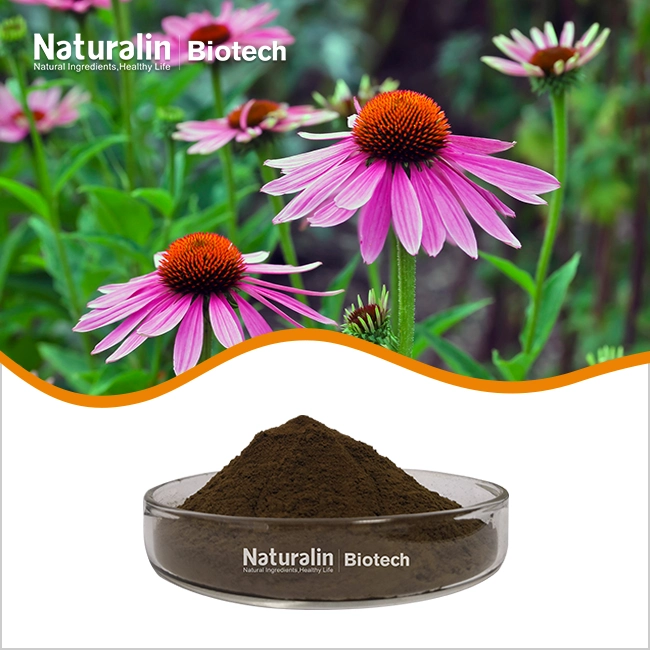
Can Epimedium Extract Be Taken On An Empty Stomach?
Taking Epimedium Extract Powder on an empty stomach is generally possible, but it depends on individual tolerance and product concentration. Horny goat weed extract, particularly standardized formulations containing high icariin levels (ranging from 10% to 98%), may cause mild gastrointestinal discomfort when consumed without food in sensitive individuals. The absorption rate increases when taken on an empty stomach, potentially enhancing bioavailability, yet this also raises the likelihood of digestive sensitivity. We recommend starting with lower doses alongside meals to assess tolerance before transitioning to fasting-state administration.
Understanding Epimedium Extract Powder and Its Uses
Epimedium extract comes from the dried tops of Epimedium brevicornum Maxim plants, which are perennial flowers that are native to East Asia. This plant has been used for hundreds of years in traditional medicine, and modern technology has made it possible to concentrate its active ingredients into uniform Epimedium Extract Powder that can be used in commercial products.
The Active Compounds Behind the Benefits
The useful properties of the extract come from prenylated flavonoid glycosides, mostly icariin, but also icariside I and II and epimedins A, B, and C. The healing power of the ingredient comes from these chemical molecules. Standardization methods that use HPLC tests make sure that icariin concentrations stay the same between 5% and 98%, meeting strict pharmaceutical-grade standards. With this level of accuracy, formulators can correctly predict how a product will work across batch production runs. This consistency is good for companies that want to sell nutraceuticals and functional foods because it lowers formulation variability and helps them follow the rules.
Primary Applications Across Health Segments
The botanical extract addresses a number of health issues that are important to consumers. The biggest use for icariin is in sexual health products, where it works as a phosphodiesterase-5 inhibitor to help the body make more nitric oxide and keep the blood flowing well. This mechanism works like synthetic ones, but it has an advantage when it comes to plant-based positioning.
Another important area of application is bone health. According to research, the extract increases the activity of osteoblasts while decreasing the formation of osteoclasts. This makes it useful for formulas that are aimed at older people who are concerned about maintaining their bone health. The ingredient is used in cardiovascular wellness products because it can widen blood vessels and change blood pressure. Neuroprotective benefits help cognitive function formulations, and athletes like its anti-fatigue properties for performance supplements.
Dosage Forms and Commercial Formats
Product designers put epimedium extract into a variety of delivery methods, such as functional drinks, pills, tablets, and softgels. Powder standards change depending on what it will be used for. For example, water-soluble powders are good for use in drinks, while microencapsulated powders make tablet materials more stable. Depending on the amount of standardization, the recommended daily dose runs from 200 mg to 1000 mg. Higher icariin concentrations require proportionally lower intake volumes. Because different uses need different physical properties, these standards have a direct effect on procurement choices.
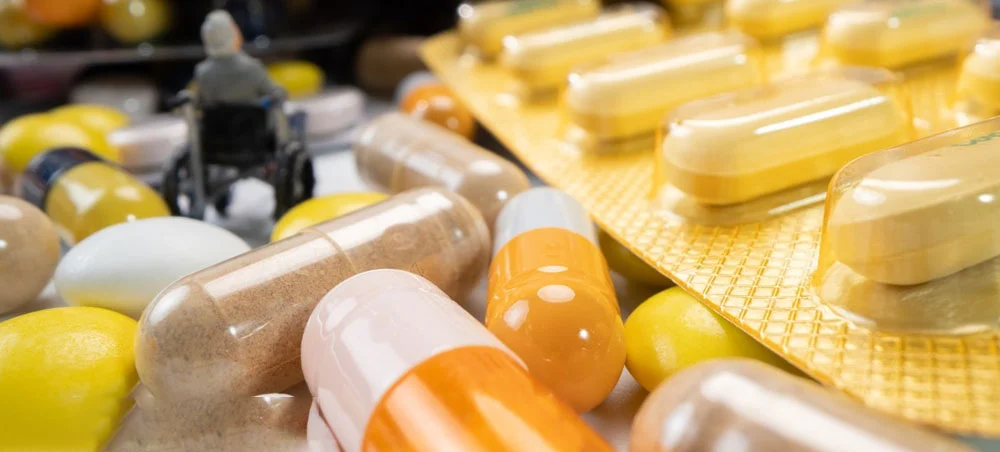
Can Epimedium Extract Powder Be Taken on an Empty Stomach?
When you take herbal extracts has a big effect on both how well they work and how well they work with your body. This question is useful for people who make consumer education tools and label directions for products utilizing Epimedium Extract Powder.
Absorption and Bioavailability Considerations
In general, giving flavonoid compounds while fasting speeds up the absorption process. Icariin and related glycosides enter the bloodstream more quickly when there aren't any other nutrients or digestive processes going on. This could make peak plasma concentrations higher. According to research on flavonoid pharmacokinetics, eating food, especially high-fat meals, can slow down absorption while sometimes making the drug more bioavailable by making it dissolve better.
This relationship is affected by the way icariin's molecules are structured. As a prenylated flavonoid glycoside, it has mild lipophilicity, which means that some fat in food may help the body absorb it. The empty-stomach method, on the other hand, increases the speed of absorption, which is more important in some situations than total bioavailability. Supplement companies that market their products as pre-workout energy or on-demand sexual health support may prefer dosing instructions that are based on fasting.
Digestive Tolerance Factors
Gastrointestinal reactivity is very different between groups of people. When taken on an empty stomach, standardized extracts with icariin levels higher than 40% are more likely to irritate the stomach. Some people may feel mild sickness or stomach pain when the high flavonoid content makes their stomachs produce more acid.
Based on clinical findings, these effects are seen in about 8–15% of users at higher strength levels. Some ways to lower the risk are to lower the dose, take it with small amounts of food, or build up a tolerance slowly. Microencapsulation technology also lowers irritation in the stomach by delaying release until the intestinal phase. This change may slightly lower peak absorption rates, though. Producers of a product should think about these trade-offs in light of the types of people they want to buy it and how they plan to use it.
Practical Dosing Recommendations
We see that protocols work in a variety of situations based on data from suppliers and patterns in customer feedback. People who want to feel benefits right away usually take 300–500 mg of a standardized 10–20% icariin extract on an empty stomach 30–60 minutes before they want to do something. People who want long-lasting benefits with little risk to their digestive system should take 200–400 mg doses twice a day with light meals.
Labels for products should make it clear when to use them. Clear instructions make things easier for customers and raise happiness levels. Brands that are trying to reach sensitive groups or people who have never used herbs before should give cautious dosing instructions based on meals. On the other hand, brands that are more focused on performance can confidently suggest fasting-state administration with the right disclaimers about individual tolerance.
Comparing Epimedium Extract Powder to Other Natural Supplements
When purchasing managers look at plant extract stocks, they can learn more by comparing them to other ingredients that do similar jobs. This point of view makes positioning chances and tactics for setting Epimedium Extract Powder apart clearer.
Epimedium Versus Maca and Ginseng
In the natural vitality and sexual health market, epimedium, maca root, and ginseng extracts are the most popular plants. Each has its own unique set of phytochemicals and physiological processes. By directly blocking PDE5, epimedium's icariin content creates a clear mechanism linked to erection function that is similar to how drugs work. This level of detail appeals to formulators who want to position their products based on evidence.
Maca (Lepidium meyenii) works in a number of different ways. It mainly affects endocrine function and helps keep hormones in balance without having a direct effect on phosphodiesterase enzymes. Its marketing story focuses on its adaptogenic qualities and overall sexual health rather than its direct effects on the circulatory system. Ginseng extracts, especially Korean red ginseng, boost energy and help blood flow in a mild way through nitric oxide pathways mediated by ginsenosides.
Cost structures are also very different. For 10–40% standardization, epimedium extract costs between $15 and $45 per kilogram. Similar maca concentrates cost between $12 and $28 per kilogram, and expensive ginseng extracts cost between $50 and $120 per kilogram. These economics affect formulation choices, especially for brands that have to balance claims about how well their products work with the costs of making them. Regulatory environments are also different. For example, epimedium has stricter import rules in some countries than maca, which makes the supply chain more complicated.
Quality Differentiation Within Epimedium Products
Not every epimedium product is the same in terms of how much it helps. Specifications for purchases should include more than just the icariin percentage when it comes to quality. Organic approval, which is being asked for more and more by natural goods companies, requires that farming methods be checked and raises the cost of raw materials by $3 to $8 per kilogram. This premium puts products in higher-margin retail channels where clean-label positioning is what makes people buy.
Single-species extracts from Epimedium brevicornum Maxim are more highly valued for their quality than mixed preparations that contain more than one Epimedium species. Verifying a plant's identity with DNA barcoding or TLC fingerprinting proves that the species is real, which lowers the risk of fraud in trade herb markets. Third-party testing certificates from SGS, Eurofins, or NSF provide independent confirmation of heavy metal limits, microbial counts, and pesticide residues. All of these are very important for companies that sell dietary supplements in the U.S. and are regulated by the FDA.
Solubility modifications represent another differentiation axis
Standard extracts don't mix well with water, which limits their use in beverages. Spray drying with carrier matrices or microencapsulation are two advanced processing methods that make it easier for the ingredients to mix and dissolve. This opens up more recipe options for healthy drinks and powder mixes. Most of the time, these improved grades cost 20–35% more than regular extracts, but they open up more valuable product categories.
Procurement Insights: Buying Epimedium Extract Powder for B2B Needs
When making strategic sourcing decisions, you have to weigh a lot of things, like quality assurance, supply reliability, the ability to customize, and total landed costs for Epimedium Extract Powder. The global market for epimedium extract is mostly concentrated in China, which has easy access to raw materials and good processing facilities, which gives it a competitive edge.
Critical Supplier Selection Criteria
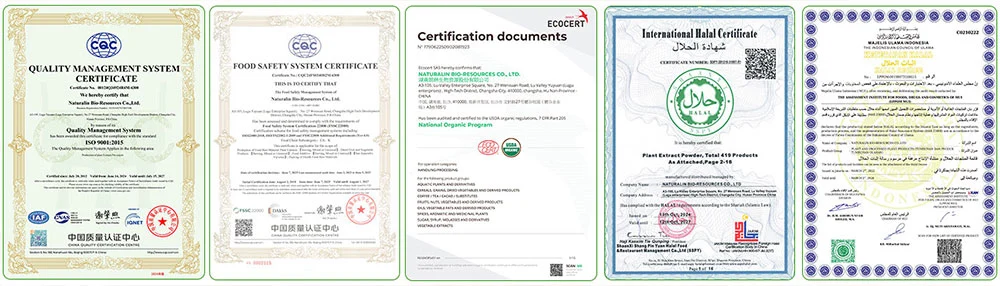
As a first step in the screening process, manufacturers looking for trusted ingredient partners should look at approval portfolios. ISO 9001 certifies quality management systems, and FSSC 22000 covers food safety rules that are specific to making ingredients. With HALAL and Kosher certifications, brands that meet religious dietary needs can reach more customers. Organic certifications, like USDA NOP and EU organic, need to be checked separately but let you market your product as a premium option.
The ability to make things has a direct effect on the continuation of supply. Established producers keep their yearly output above 100 metric tons, which makes sure that there is a steady supply even when demand is high during busy seasons. Smaller suppliers run the risk of not having enough allocations when their customer bases grow, which could throw off their production schedules. Policies about inventory are also important. Suppliers who keep two to three months' worth of finished goods in stock can turn orders around faster than those who use make-to-order models.
Customization capabilities separate commodity suppliers from strategic partners. Being able to change icariin concentrations, particle size distributions, solubility profiles, or make custom mixes is very useful for companies that want to make goods that stand out. Time-to-market for new products is sped up by suppliers who offer recipe development support. This is especially helpful for new brands that don't have a lot of R&D resources in-house.
Understanding Pricing Structures and MOQs
The prices of Epimedium extracts are set in tiers based on the level of standardization and the number of orders. Pharmaceutical-grade 98% icariin costs $180 to $240 per kilogram, while commodity-grade 10% icariin products cost $15 to $22 per kilogram at 1000 kg amounts. Standardizations in the middle range of 40 to 50 percent are common for dietary supplements and usually cost between $38 and $65 per kilogram, depending on other details.
Minimum order amounts affect plans for cash flow and the cost of keeping inventory on hand. A lot of sellers set business MOQs at 25 kilograms, which means that you have to pay $950 to $1,625 up front for mid-potency grades. This level strikes a mix between how flexible the buyer is and how efficiently the seller makes things. Samples and trial orders are usually sent in lots of 1 to 5 kilograms, which lets you work on the formula before committing to large quantities. Buyers should make sure that price quotes include delivery to the buyer's location or just FOB China. This is because logistics costs an extra $2 to $8 per kilogram, based on the shipping method and customs processes.
Logistics and Compliance Considerations
When choosing a mode of transportation, speed and cost-effectiveness must be balanced. Express courier services, like DHL and FedEx, are good for sending samples and placing urgent reorders. They can deliver in 4–7 business days, but the cost is $12–25 per kilogram. Air freight lowers the cost per unit to $4–8 per kilogram, and the transit time is 7–12 days, which is good for medium volumes. Ocean freight is the most cost-effective way to move container loads; prices drop to $0.80 to $2.50 per kilogram, but you have to wait 25 to 40 days for your order to arrive.
Paying attention to a number of legal touchpoints is necessary for U.S. import compliance. The FDA is in charge of dietary supplement ingredients that come in under HTS numbers 1302.19 or 1302.39. Supplement labels must be followed. Organic goods need to be checked against the NOP certification. As a result of DSHEA rules about new food ingredient notices, some grades of epimedium are being closely looked at. This is especially true for highly pure icariin isolates. Working with providers who know how to ship to the U.S. cuts down on delays and problems with paperwork.
Safety Considerations and Side Effects of Epimedium Extract Powder
How safe an ingredient is has a direct effect on how much liability an item has and how well it sells. Although Epimedium Extract Powder has been shown to be safe in clinical studies, responsible makers need to know about any possible side effects and situations where it shouldn't be used.
Common Side Effects and Risk Mitigation
At the recommended dosage levels, documented side effects of epimedium supplements are still pretty rare. Most of the time, people complain of stomach problems like mild nausea, stomach upset, or loose stools, especially when they first start using the drug. Usually, these symptoms go away in three to five days as the body adjusts. This adjustment period is cut down by half by starting protocols with half-doses for the first week.
Because the ingredient widens blood vessels, cardiovascular issues should be taken into account. People who take nitrate medicines for angina may be at risk of interaction problems because they can raise blood pressure even more, but there aren't many clinical case reports yet. Conservative labeling includes advice for people who are taking heart medicines not to use certain products together. People who take blood-thinning drugs should be careful because flavonoids may make the effects of anticoagulants stronger. This effect seems less strong when compared to ginkgo or garlic extracts.
Hormonal activity represents another consideration.
While epimedium doesn't provide phytoestrogens directly, there is some evidence that it may have indirect effects on the metabolism of steroid hormones. Women who have certain types of breast cancer, uterine fibroids, or endometriosis that are sensitive to hormones should talk to their doctors before using. Contraindications for pregnancy and breastfeeding are based on standard safety rules for concentrated herbal extracts that don't have a lot of safety data in these groups.
Quality Control and Label Transparency
Tough testing procedures for ingredients are the first step in keeping people safe. Heavy metal testing should show that lead levels are below 2.0 ppm, arsenic levels are below 1.0 ppm, cadmium levels are below 0.5 ppm, and mercury levels are below 0.2 ppm. These levels are in line with California Prop 65 standards and general safety expectations for dietary supplements. Testing for microbes shows that the total plate counts are less than 10,000 CFU/g and that diseases like E. coli, Salmonella, and S. aureus are not present.
Pesticide residue testing answers people's worries about pollution in agriculture. Multi-residue screening tests that look for more than 200 common pesticides give full guarantee, which is especially important for non-organic grades. Solvent residue analysis checks that the amounts of ethanol, methanol, and acetone are in line with ICH Q3C standards. This stops processing chemicals from being carried over.
Label accuracy builds trust with customers and makes sure that regulations are followed. Supplement Facts panels must correctly list serving sizes, the amount of icariin in each serving, and the percentage of daily values that have been set. Clear statements about possible interactions, side effects, and how to use the medicine lower the risk of being sued. Third-party quality seals, such as NSF Certified for Sport, USP Verified, and Informed-Sport, help products stand out in crowded markets and back up what they say on the label.
Conclusion
Epimedium Extract Powder is a plant ingredient that has been supported by science and can help with a number of health issues, such as sexual health, bone development, and energy. When deciding whether to give something on an empty stomach, it's important to get advice that balances the best absorption with gut tolerance. In general, eating while fasting speeds up uptake, but people who are sensitive do better with meal-based protocols. When making buying choices, it's best to give more weight to providers who can show consistent standards, a wide range of certifications, and the ability to customize their products to meet unique formulation needs. Differentiating quality isn't just based on icariin percentages; it also depends on organic status, changes in solubility, and verification from a third party. Knowing about safety issues and using clear labels helps keep customers safe while lowering the risks of regulations and lawsuits for companies that make and own brands.
FAQ
Does Epimedium extract cause stomach irritation on an empty stomach?
About 8–15% of people who take high-potency extracts (above 40% icariin) without food can experience stomach irritation. Tolerance is very different from person to person. Physiological adaptation can happen by starting with smaller doses and slowly raising them. On the other hand, eating a small amount of food with the extract reduces gastric sensitivity while still letting the body absorb it properly. Microencapsulated formulations delay release until the intestinal phase, which lowers the risk of irritation even more.
What is the optimal dosage for male libido support?
According to clinical studies and supplier standards, you should take 300–500 mg of a 10–20% standardized extract every day, or 100–200 mg of a 40–50% concentration. If taken on an empty stomach, the effects usually show up 45 to 90 minutes later. If taken with food, they show up 90 to 120 minutes later. Using it every day for 4 to 8 weeks adds up to benefits that go beyond the short-term effects. Dosage changes should take into account how each person responds and whether they are also taking another vitamin.
How can buyers be sure that the seller is real and that the product is pure?
Ask for full third-party testing certificates from reputable labs like SGS, Eurofins, and NSF that cover heavy metals, pesticides, microbe contamination, and the amount of active ingredients. Check the validity of the license by calling the granting body directly with the reference number. Supplier facility certifications like GMP, ISO, and HACCP show that quality systems are in place. Instead of getting generic Certificates of Analysis, ask for certificates that are specific to the batch. Using DNA barcoding or TLC fingerprinting to prove the name of a botanical species keeps it from being tampered with by lower-value materials.
Partner with Naturalin Biotech for Premium Epimedium Extract Powder
Naturalin Biotech is a reliable source for Epimedium Extract Powder. They have been extracting plants for over 20 years and have the highest quality standards in the industry. Our icariin standardization has been checked by HPLC and covers amounts between 5 and 98%. It is backed by ISO 9001, FSSC 22000, HALAL, and Kosher certificates. We keep a lot of stock on hand so that we can deliver quickly (3–7 days), and we can make any changes you need, including changing the form to powder, granule, or liquid based on your formulation needs. Our research and development (R&D) team helps with formulation development and is backed by more than 40 proprietary patents. This makes sure that your products work as well as possible and follow all regulations. Our flexible MOQs can be used for a wide range of business sizes, from small sample amounts for initial tests to large commercial volumes over 25 kilograms. You can talk to our procurement experts about the ingredients you need, get technical specs, or set up a review of your quality paperwork by emailing market@naturalinbio.com. You can look at our full line of plant extracts at naturalinbio.com. These extracts are made especially for companies that make nutraceuticals, useful foods, and supplements for customers around the world.
References
1. Zhang, Y., & Yang, X. (2018). Pharmacological effects of icariin and its metabolites: A comprehensive review of preclinical and clinical evidence. Phytotherapy Research, 32(6), 1055-1073.
2. Dell'Agli, M., Galli, G. V., & Bosisio, E. (2008). Inhibition of cGMP-phosphodiesterase-5 by biflavones of Epimedium species and related compounds. Journal of Natural Products, 71(9), 1513-1517.
3. Song, L., Chen, X., & Mi, L. (2013). Icariin-induced inhibition of PDE5 activity and expression is mediated by nitric oxide in rat corpus cavernosum. Andrologia, 45(3), 196-200.
4. Yin, X. X., Chen, Z. Q., & Dong, X. L. (2007). Icariine stimulates proliferation and differentiation of human osteoblasts by increasing production of bone morphogenetic protein 2. Chinese Medical Journal, 120(3), 204-210.
5. Ma, H., He, X., & Yang, Y. (2011). The genus Epimedium: An ethnopharmacological and phytochemical review. Journal of Ethnopharmacology, 134(3), 519-541.
6. Shindel, A. W., Xin, Z. C., & Lin, G. (2010). Erectogenic and neurotrophic effects of icariin, a purified extract of horny goat weed (Epimedium spp.) in vitro and in vivo. Journal of Sexual Medicine, 7(4), 1518-1528.