Bulk Button Mushroom Powder for Ready Meals, Sauces, Snacks, and Food Ingredient Formulation
When food manufacturers look for a natural, functional ingredient that delivers consistent umami depth, clean-label appeal, and broad formulation compatibility, bulk button mushroom powder stands out as a practical answer. Derived from Agaricus bisporus, this finely milled, dehydrated ingredient is rich in polysaccharides, selenium, B-complex vitamins, and ribonucleotides—compounds that contribute both nutritional value and savory flavor. Unlike fresh mushrooms, the powder format removes cold-chain dependency, extends shelf life to 24 months, and integrates smoothly into dry mixes, sauces, ready meals, and snack seasonings at industrial scale.
Understanding Button Mushroom Powder and Its Applications in the Food Industry
What It Is and How It Is Made
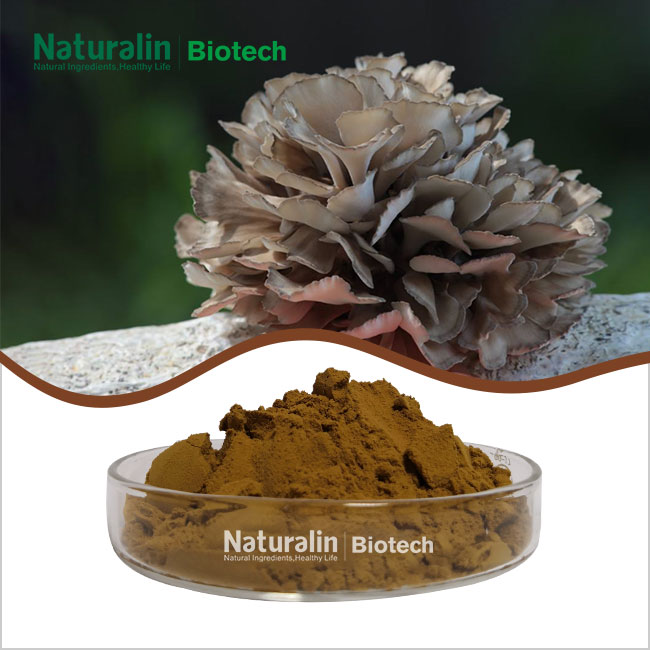
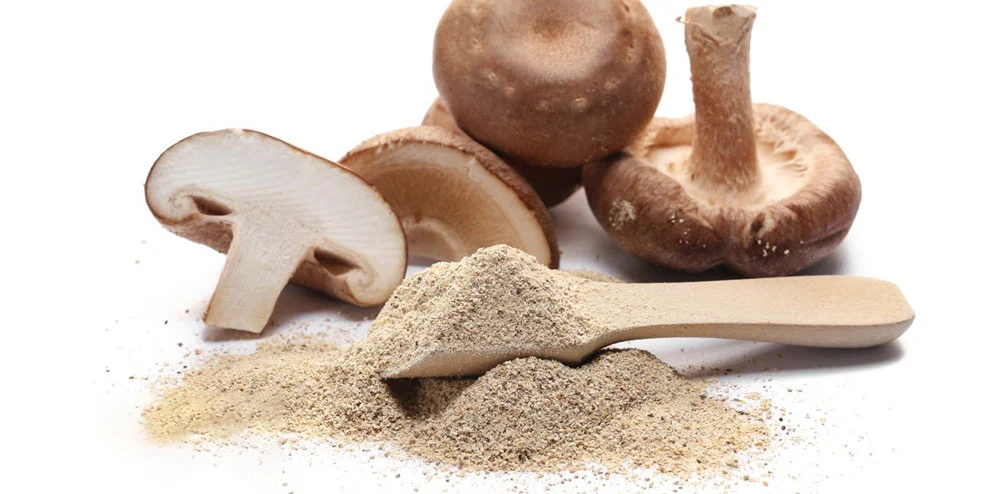
Agaricus bisporus, or white button mushroom powder, is made by drying it slowly at a controlled temperature and then milling it carefully until the particles are 80 mesh. This process keeps nutrients that don't change when heated inside, and it makes a light-tan powder that flows easily and has less than 7% water in it. It's important for large-format production lines that the particles are small enough to spread out evenly in both wet and dry food systems.
Where Manufacturers Use It?
The ingredient works well with a lot of different types of products. Ready-made meals get more taste without adding anything artificial. Sauce makers use it instead of MSG because it has a natural umami source. It is added to snack spice mixes to make them more savory. Dry soup bases, plant-based meat seasonings, and functional drink mixes are some other uses for dehydrated mushroom powder that always work well.
Nutritional Profile That Matters
According to a study released in the journal Food Chemistry, Agaricus bisporus has high amounts of beta-glucan polysaccharides, ergosterol (which is a precursor to vitamin D2), and IMP/GMP ribonucleotides. These chemicals work together to give the food both useful nutrition and a great taste. This makes the ingredient appealing to health-conscious brands that want to add natural supplements without using chemicals.
Benefits of Using Bulk Agaricus Bisporus Powder in Food Ingredient Formulation
Buying dehydrated mushroom powder in large quantities has real benefits for businesses that make food, not just in terms of cost, but also in terms of product consistency and regulatory positioning.
Here are the main perks of buying things that you should think about:
- Cost and inventory stability: Bulk purchasing at 25 kg MOQ and above locks in price predictability across production cycles, reducing exposure to fresh mushroom price volatility.
- Batch-to-batch consistency: Standardized 80-mesh specification and HPLC-verified active compound levels ensure each production batch meets the same sensory and nutritional benchmarks.
- Clean-label compatibility: The powder is non-GMO, additive-free, and traceable from source to shipment—aligning directly with U.S. and EU clean-label consumer expectations.
- Extended shelf life: At 24 months under standard storage conditions (relative humidity below 60%, cool and dry environment), it reduces raw material waste across long production calendars.
These benefits of button mushroom powder directly lead to lower formulation risk and better supply chain consistency, which are both important for procurement managers who have to deal with many ingredient suppliers.
Choosing the Right Dehydrated Mushroom Powder: Quality and Procurement Considerations
Organic vs. Non-Organic Options
You can choose between certified organic and conventional grades. Which one to use depends on how you want to position your brand. If your final product has an organic seal, you have to get powder that is EU/USDA NOP-certified. Naturalin Biotech sells both types and has full paperwork for both paths to show that the supply chain is complete.
Key Quality Indicators to Evaluate
R&D scientists and procurement teams should look at more than just price per kilogram. Minimum quality checks include making sure the sample is pure using an 80-mesh screen, checking for Salmonella, E. coli, yeasts and molds, heavy metals using an ICP-MS, and measuring the amount of polysaccharides using UV-Vis spectrophotometry. Validation from a third party, like SGS, Eurofins, or NSF, adds a level of openness that internal testing alone can't give.
Certifications That Carry Weight in B2B Procurement
Certificate alignment makes regulatory confusion a lot less of a problem for companies that sell to both U.S. and foreign markets. You can buy White Button mushroom powder from Naturalin Biotech. It is certified to ISO 9001, FSSC 22000, EU Organic, NOP Organic, HALAL, and Kosher. With these qualifications, you can get into the most important markets in North America, Europe, and the Middle East.
How to Integrate Mushroom Powder into Your Product Development?
Dosage and Formulation Compatibility
Dry seasoning mixes usually use button mushroom powder between 1% and 5% by weight, while sauces and ready-to-eat meals usually need between 2% and 8%, based on how strong of a flavor they want. Since the powder doesn't lose many of its active ingredients when heated, it can be used in retort processing, extrusion, and hot-fill beverage applications.
Practical Application Scenarios
In plant-based meat substitutes, Agaricus bisporus powder adds a natural flavor link between soy or pea protein bases and the savory taste that people want. It adds taste and beta-glucans to functional dry soups all in one ingredient, which makes the recipe stack easier. For snack spices, the fine 80-mesh particle size makes sure that the coating spreads evenly on baked or extruded food surfaces.
Quality Control During Integration
When adding a new botanical powder to a food matrix, it is common to try it on a sensory panel as a sample and speed up the aging process at 40°C/75% RH. These steps protect your finished product claims by making sure the taste stays the same, the color stays the same, and there are no off-notes during the shelf life window you set.
Bulk Purchase and Supply Solutions for White Button Mushroom Powder
Starting with Samples Before Scaling
Sample and small-kilogram trial orders are accepted by Naturalin Biotech. This lets R&D teams test formulations before committing to a commercial volume. This lowers the risk of buying and speeds up the approval process inside the company. The minimum order quantity (MOQ) for commercial orders is 25 kg, and the lead time from ready stock is usually 3 to 7 working days.
Shipping and Logistics Options
Orders are sent by DHL or FedEx for fast delivery, by air freight for orders with a medium quantity, and by ocean freight for big business shipments. U.S. buyers can get full DDP (Delivered Duty Paid) door-to-door service, which takes care of all the complicated customs clearance for them.
OEM and Private Label Capabilities
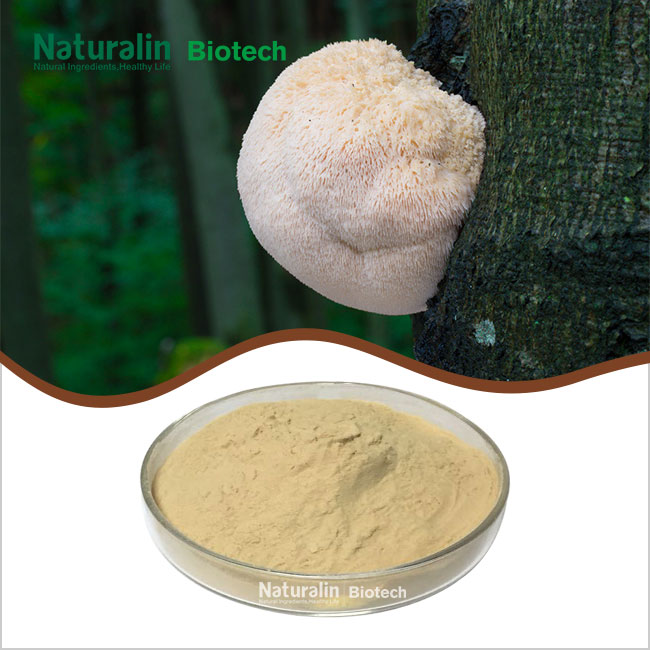
If a brand wants to keep a mushroom powder recipe secret, they can work with Naturalin Biotech's OEM/ODM team to make it fit their needs. This can include changing the mesh size, making blends with reishi or lion's mane mushrooms, changing the solubility profiles, or making microencapsulated versions that are easier to spread. The whole development process starts with talking about the needs and ends with mass production after the process has been checked and approved.

Conclusion
White button mushroom powder (Agaricus bisporus, 80-mesh) is a well-documented, multifunctional food ingredient that supports clean-label formulation, natural umami delivery, and nutritional fortification across ready meals, sauces, snacks, and functional food systems. Sourcing it in bulk from a certified, experienced manufacturer reduces per-unit cost, stabilizes supply, and simplifies regulatory compliance. For food manufacturers and procurement teams evaluating their next ingredient partnership, the combination of standardized quality, broad certification coverage, and flexible customization support makes this ingredient a sound and strategic choice.
FAQ
Is button mushroom powder suitable for vegan and vegetarian products?
Yes. Agaricus bisporus powder is 100% plant-derived and contains no animal-origin inputs. It is compatible with vegan, vegetarian, and plant-based product claims. Naturalin Biotech's powder also carries HALAL and Kosher certification, broadening its eligibility across dietary preference categories.
How does it compare to shiitake powder in flavor intensity?
Button mushroom powder delivers a milder, more neutral umami profile compared to shiitake, which has a more pronounced, earthy note. This makes Agaricus bisporus powder a more versatile base ingredient in applications where a dominant mushroom flavor is not desired, such as snack seasonings or blended sauce bases.
Are there any allergen concerns?
Mushrooms are not classified as a major food allergen under FDA regulations. However, manufacturers should review their specific regional labeling requirements and conduct internal allergen risk assessments, particularly in shared-facility production environments.
What are the recommended storage conditions?
Store in a sealed container away from direct light, heat, and moisture. Maintain relative humidity below 60% and temperature below 25°C. Under these conditions, a 24-month shelf life is achievable without significant degradation of flavor compounds or active ingredient levels.
Partner with Naturalin Biotech for Certified Bulk Mushroom Powder Supply
Naturalin Biotech has been making button mushroom powder for more than 20 years and is a trusted company in the field. They offer approved, GMP-compliant White Button mushroom powder that is made for serious food manufacturing needs. All of our products are in stock, and the minimum order quantity is 25 kg. We offer full DDP delivery to the U.S., and we can help you with your production from the trial stage to full scale. Visit naturalinbio.com or email us at market@naturalinbio.com to get a sample or a personalized price right now.
Please note: All products and related services on this website are offered exclusively to corporate clients. We do not accept orders from individual buyers or retail orders.
References
1. Cheung, P. C. K. (2010). The nutritional and health benefits of mushrooms. Nutrition Bulletin, British Nutrition Foundation.
2. Manzi, P., Gambelli, L., Marconi, S., Vivanti, V., & Pizzoferrato, L. (1999). Nutrients in edible mushrooms: an inter-species comparative study. Food Chemistry.
3. Reis, F. S., Barros, L., Martins, A., & Ferreira, I. C. F. R. (2012). Chemical composition and nutritional value of the most widely appreciated cultivated mushrooms. Food and Chemical Toxicology.
4. Sánchez, C. (2010). Cultivation of Pleurotus ostreatus and other edible mushrooms. Applied Microbiology and Biotechnology.
5. Wasser, S. P. (2002). Medicinal mushrooms as a source of antitumor and immunomodulating polysaccharides. Applied Microbiology and Biotechnology.
6. U.S. Department of Agriculture, Agricultural Research Service. (2023). FoodData Central: Mushrooms, white, raw. USDA National Nutrient Database.