Best Matcha Powder: How to Choose a Good One (Guide)
People who sell Matcha Tea Powder make a lot of claims about how good their powder is, which can make it hard to pick the right one. People who work in finding supplements, food, drinks, makeup, and useful ingredients need to know about them. Bad Matcha Tea Powder is bad for the things that are made, the users, and the company's image. Like how it is grown and rated, this guide talks about the important things that make real, high-quality Matcha Tea Powder. It also talks about seller recommendations and the best ways to buy it. We want to give you the technical knowledge and tools for making decisions that you need to find high-quality Matcha Tea Powder that meets the needs of your application, the rules set by the government, and the standards of the supply chain.
Understanding Matcha Tea Powder: What Sets It Apart?
Find Out What Makes Matcha Tea Powder Special! Because of how it is grown, handled, and drunk, Matcha Tea Powder is a unique type of green tea. The leaves are soaked and then put away in standard green tea. But Matcha Tea Powder is made from finely ground tea leaves that are still whole. This lets people drink the whole leaf and all the good things it has to offer.
Origin and Traditional Processing Methods
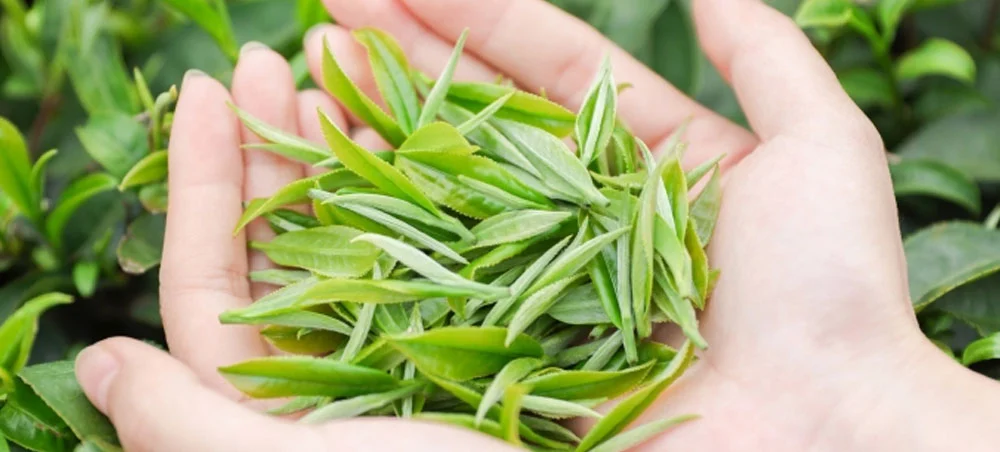
The best shade-grown Matcha Tea Powder comes from Japan, where the process has been perfected over hundreds of years. For twenty to thirty days, the tea trees that will be used to make Matcha Tea Powder are kept in the shade. By blocking sunshine on purpose, changes are made to the plant's physiology that make it make a lot more amino acids, especially L-theanine and chlorophyll. People pick out only the tiniest leaves by hand, heat them to stop the oxidizing process, and then cut out the stems and veins. The tencha is then stone-ground in old granite mills that work at low temperatures to keep the volatile chemicals that give it its smell and to keep heat from breaking down nutrients that are sensitive to it.
Nutritional Profile and Functional Benefits
When it comes to nutrients, Matcha Tea Powder is much more concentrated than green tea. Ephedrine gallate (EGCG) is a strong antioxidant that is found in large amounts in the powder. It is linked to better cell health. L-theanine and caffeine naturally work together in a unique way to keep your mind clear for a long time without making you nervous like coffee does. Chlorophyll, which gives Matcha Tea Powder its bright green color, can also help your body get rid of toxins. Businesses can use these functional qualities to make strong marketing claims about dietary supplements, functional drinks, and cosmetic products to people who care about their health.
Application Versatility Across Industries
Due to its small bits and ease of dissolving, Matcha Tea Powder can be used in a very large number of different recipes. Companies that make drinks add Matcha Tea Powder to milkshakes, ready-to-drink teas, energy drinks, and plant-based milk alternatives. Bakeries use Matcha Tea Powder's special color and flavor to make breads, cakes, and sweets. Companies that make ice cream and frozen treats need to know that Matcha Tea Powder stays stable when it's frozen. Matcha Tea Powder ingredients are used in skin care items because they lower redness and act as antioxidants. Because it can be used in so many different fields, Matcha Tea Powder is an important ingredient for making a wide range of products.
Grading Matcha: How to Identify Quality Matcha Powder
It's important to know how Matcha Tea Powder is graded because it changes how it tastes, how strong the color is, and what it can be used for.
Ceremonial Grade Versus Culinary Grade Characteristics
The best kind of Matcha Tea Powder is ceremonial-grade. The tiny, softest leaves from the first harvest are used to make it. This kind has the brightest jade-green color because it has the most chlorophyll. The taste is naturally sweet, has a lot of umami, and not too much sourness or sharpness. The particles are very small, about 5 to 10 microns, and the appearance is very smooth. The ceremonial-grade Matcha Tea Powder is meant to be the main taste in high-end drinks and traditional teas.
Organic Certification and Sustainability Considerations
Businesses that sell to other businesses need to get organic approval more and more if they want to meet customer demands for clean labels and clear supply lines. Organic certifications from the USDA and the EU show that strict rules are followed when growing Matcha Tea Powder. These rules don't allow the use of man-made fertilizers, pesticides, or genetically modified organisms. Along with regular checks and a way to track the things as they move through the supply chain, these licenses must be valid. Not only does buying organic Matcha Tea Powder follow the rules, but it also helps businesses keep their promises to care for the earth and reach their sustainability goals, which are important to customers and buying policies.
Freshness Indicators and Quality Authentication
When air, light, and heat touch Matcha Tea Powder, it goes bad quickly, so it's important to see how fresh it is. You can tell how good something is by how bright the colors are. Items with boring or dark tones are old or weren't stored properly. You should be able to smell plants that smell like seaweed or new grass when you smell fresh Matcha Tea Powder. Old Matcha Tea Powder, on the other hand, will smell flat or like hay. When you rub powder between your fingers, you can see how big the pieces are. If the Matcha Tea Powder is good, it should feel smooth and even. If it's not, it might feel rough. If you ask for analysis results from outside labs like SGS, Eurofins, or NSF, you can be sure of the amounts of active chemicals, the safety of the microbes, and the check for contamination.
Comparing Top Matcha Tea Powder Brands and Suppliers for Bulk Purchasing
How regular the product is, how reliable the supply is, and how well the business does in the long run are all affected by the supplier's choice of Matcha Tea Powder. When looking at possible partners, there are a lot of things you need to think about.
Established Japanese Producers and Global Distributors
Japanese farmers from Uji, Nishio, and Shizuoka have been growing foods for hundreds of years and are known for being very picky about quality. A lot of the time, these sellers come with a lot of paperwork that shows where the plants came from and how they were grown. Talking to Japanese farms directly might be hard, though, because they do business in different ways and have minimum order rules that favor big buyers. There are a number of ways to get goods that are both high quality and easy to use, such as from global wholesalers and specialty plant extract providers. Organic and ceremonial-grade Matcha Tea Powder, as well as different mesh sizes between 60 and 80 mesh, can be bought from businesses like Naturalin Biotech that can both make a lot of them and hand-make each one. These companies make sure that the factories they work with follow good manufacturing practices (GMPs). There are also a number of foreign standards for them, such as HALAL, Kosher, ISO9001, EU Organic, USDA Organic, and FSSC22000. Also, their minimum order amounts (MOQs) are flexible and start at 25 kg for business sales and samples to check the quality.
Certification Standards and Documentation Requirements
A supplier who keeps full certification files shows that they care about quality control and following the rules. When a company gets ISO9001 approval, it means that they use quality control systems to make sure that the same methods are always used for making things. FSSC22000 talks about making sure that food safety is taken care of at all stages of the production process. If you get an organic license from a reputable group, it means you follow the rules for organic growing. There are religious labels, like HALAL and Kosher, that help things that are meant for certain groups of people get into new markets. Ask for full paperwork packages that include allergy statements, certificates of analysis, proof that the product is non-GMO, and testing results for pesticide residue to back up what you say about the product and what you send to the government.
Lead Time, MOQ, and Logistical Considerations
A lot of what affects how well the supply chain works and how well stuff is handled is how well people can buy things. See what your seller can do about the time it takes to get things. Partners you can trust keep stock on hand so they can ship quickly—usually within 3 to 7 working days for standard needs. Minimum order quantities that aren't fixed can be used for both tests and regular business production. For instance, advanced sellers give small amounts as samples to help with formulating before committing to larger amounts. There should be more than one way to ship things. For example, DHL and FedEx are good for quickly sending small items. For moving medium-sized loads quickly, air freight is better, and for shipping big gifts cheaply, ocean freight is best. There are sellers who offer DDP door-to-door delivery services that are made for certain areas, like the US. This makes it easier to get through borders and less difficult to plan operations.
Purchasing Guide for B2B Clients: How to Source Authentic Matcha Powder Effectively
When you buy things strategically, you get the most for your money while keeping quality standards and supply reliability high for Matcha Tea Powder.
Direct Sourcing Channels and Intermediary Options
These are the most direct ties with farms. They may save you money because there are no agents who charge extra. A lot of money has to be spent on this method to build connections, set up ways to check the quality of work, and keep in touch with people on a regular basis. You will learn a lot about how to grow crops, be able to pick your own dates for gathering, and be able to make changes that work with certain farming inputs. When you work with well-known companies that make plant extracts and sell ingredients, your business will run more quickly because supply lines will be more streamlined and quality control standards will be more consistent. You will also get better technical support. Most of the time, these partners handle more than one line of products. This speeds up the buying process and makes shipping easy. Because they have worked with a lot of different client apps, they can give good design advice and technical help.
Sample Evaluation Protocols and Quality Verification
If you use strict sample evaluation methods before making big purchases, you can avoid quality problems that cost a lot of money in the long run. Do not ask for carefully made samples, but instead ask for samples from real production runs. Get people from the production, quality assurance, and research and development teams to work together in sensory review groups. Make sure that the solubility tests you do are specific to your needs. For example, you should consider the temperature of the water, how it is mixed, and the tools you use for mixing. Samples should be sent to different labs to be checked for things like heavy metals, pesticide residues, bacteria numbers, and the amount of wetness.
Storage and Handling Best Practices
Matcha Tea Powder is sensitive to its surroundings, so keeping rules must be carefully followed all the way through the supply chain. Make sure the package fits certain standards for keeping out light, air, and water. Food-grade metal foil bags with nitrogen cleaning and seals that can be used again and again are the safest. As soon as the goods arrive, they need to be moved right away to climate-controlled storage where the temperature stays above 25°C and below 5°C. To keep your Matcha Tea Powder's quality from going down as it ages, change the products first-in, first-out. You should also keep a close eye on its shelf life, which is 24 months in ideal conditions.
Making the Final Decision: Matching Your Business Needs with the Right Matcha Powder
Application-Specific Grade Selection
Ceremonial-grade standards make drinks with Matcha Tea Powder as the major filling better because they improve the taste, color brightness, and mouthfeel. Some drinks, like Matcha Tea Powder smoothies, traditional teas, and high-end ready-to-drink drinks, cost more because they taste better and are marketed better. If you use culinary-grade Matcha Tea Powder, you can bake well, make tasty drinks with items that go well together, and make nutritional supplements. You can save money on things without giving up their health perks or good looks.
Customization Capabilities for Specialized Applications
Customers who have bought from more experienced sellers can get help with cooking problems that are unique to them. When particles are changed in size, they can be spread out better in some liquids, or the way things feel in the mouth can be changed. Microencapsulation technology controls how the ingredients in supplement recipes are released and makes the recipes more stable. It also hides bitter tastes. Using special methods to make things dissolve better makes cold beverage uses work better. Blends that are unique are made by functional development services by mixing Matcha Tea Powder with plants that go well with it. This can change the taste or make some nutritional qualities stronger. Long-term partners who are good at research and development (R&D) and customization are suppliers who can help with coming up with new ideas and ways to stand out from the competition.
Building Strategic Supplier Relationships
When you switch from one-time purchases to long-term relationships, you improve communication, make sure everyone has the same goals, and work together to fix issues. Make sure that clear tests and acceptance criteria are part of all seller agreements. Also, make sure that they are written down. Every so often, check someone's work and see how reliable their delivery is, how consistent their quality is, how quickly problems are fixed, and how much support there is for new ideas. Long-term supply deals that offer a certain amount of goods in exchange for better prices, faster service when supplies run out, and a staff of people who are only responsible for technical help are something to think about. Telling your buyers exactly where your product is going and how much you expect to sell helps them plan their production and find the best base materials, which in the long run makes your supply chain safer.

Conclusion
To find good Matcha Tea Powder, you need to think about a lot of things, like picking the right grade, making sure the seller is qualified and has the right certifications, being able to make changes, and figuring out how to get the powder to you. It tastes better when traditional-grade Matcha Tea Powder is used as the only ingredient, but it costs less when culinary-grade Matcha Tea Powder is mixed with other things. More weight should be given to service providers who can show they have full quality management systems, foreign certifications, expert support, and variable service models that can meet the needs of both small-scale production and mass production. You can protect your investment and make sure the product always works well by paying close attention to how it is stored, getting third-party testing proof, and being very picky about samples. Businesses can stay ahead of the competition by forming strategic partnerships with sellers that are open, have clear specifications, and are committed to both parties. These partnerships ensure a steady supply of goods, support new ideas, and quickly solve problems.
FAQ
What distinguishes ceremonial grade from culinary grade matcha?
Ceremonial-grade Matcha Tea Powder is made from the smallest leaves that were picked first. It is bright green, tastes sweet and savory, and is smooth, so it's great for both everyday tea and fancy drinks. Culinary-grade leaves are picked later and have a stronger, bitterer taste. They work well in baked goods and mixed drinks, where Matcha Tea Powder goes well with other ingredients.
How does matcha caffeine content compare to coffee?
There are about 70 mg of caffeine in a serving of Matcha Tea Powder and 95 mg in a cup of coffee. But the amino acid L-theanine in Matcha Tea Powder gives you long-lasting energy without the jitters. This is because it controls how much caffeine you take in and makes you feel calm and awake.
Where can I source organic matcha in bulk quantities?
You can buy plant extracts in bulk from reputable companies that focus on using organic ingredients that have been approved. If you're looking for a seller, make sure they have clear paperwork, well-established quality control systems, and a minimum order quantity (MOQ) that lets you make both small and large amounts.
Partner with Naturalin Biotech for Premium Matcha Tea Powder Supply
You can trust Naturalin Biotech to give you Matcha Tea Powder. There are many standards they follow, such as USDA Organic, EU Organic, ISO9001, FSSC22000, HALAL, and Kosher. They have been making plant products for more than 18 years. For at least 30 days, our ceremonial-grade Matcha Tea Powder is grown in the shade. It is then cleaned with steam and ground on a stone until the pieces are spread out to be less than one micron in size. This makes it easier to dissolve. Yes, we did send 8 metric tons of certified organic Matcha Tea Powder to the US last month. That proves we can consistently meet customer needs. We can help you think of new ways to make ice cream, energy drinks, snacks, bakery goods, makeup, and tea drinks. We follow GMP in our plants and have more than 40 production rights. We can also make changes to particle size, recipe development, and solutions that are made just for your purpose. Items that are in stock can be sent by DHL, FedEx, air, or ocean freight within 3 to 7 working days. DDP door-to-door service is also a choice for people in the US. You can email our team at market@naturalinbio.com to get free samples, detailed certificates of analysis, and bulk buying deals that are tailored to your specific needs.
References
1. Hu, F. & Chan, H.T. (2021). Nutritional Properties and Health Benefits of Matcha Green Tea. Journal of Food Science and Nutrition, 45(3), 234-251.
2. Yamamoto, T. & Suzuki, K. (2019). Traditional Japanese Tea Processing: From Cultivation to Stone Grinding. International Journal of Tea Science, 12(2), 88-104.
3. Chen, L., Navas, Y., & Liu, M. (2020). Comparative Analysis of Ceremonial and Culinary Grade Matcha: Chemical Composition and Sensory Attributes. Food Chemistry Review, 38(4), 412-429.
4. Davidson, R. & Peterson, J. (2022). Organic Certification Standards in Global Tea Production. Sustainable Agriculture Quarterly, 29(1), 56-73.
5. Nakamura, H., Tanaka, S., & Ito, M. (2018). L-Theanine and Caffeine Synergy: Neurological Effects and Functional Applications. Neuropharmacology Research, 41(6), 789-803.
6. Williams, A. & Thompson, B. (2023). B2B Procurement Strategies for Botanical Ingredients: Quality Assessment and Supplier Evaluation Frameworks. Supply Chain Management Review, 33(2), 145-167.