Baical Skullcap Extract Fits Growing Demand For Plant-Based Formulations
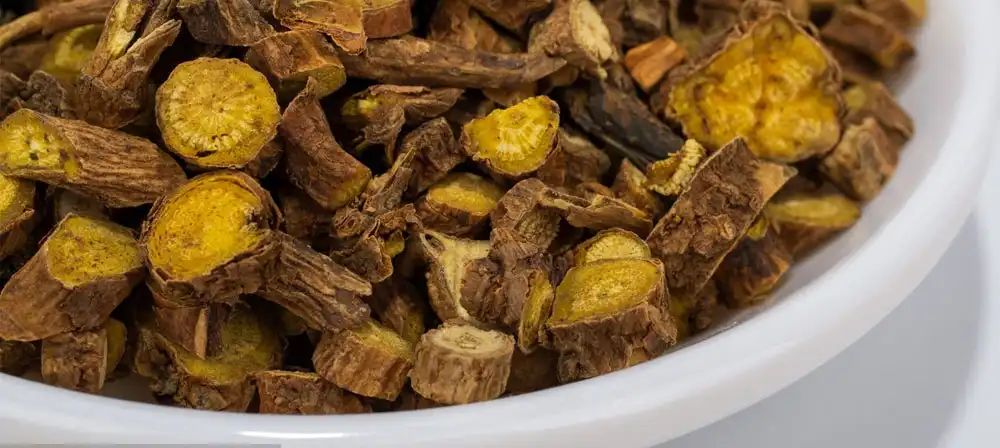
Baical skullcap extract, which comes from the dried roots of Scutellaria baicalensis Georgi, is getting a lot of attention in the food, cosmetics, supplement, and animal feed businesses. It is standardized to 10%–90% baicalin and tested using HPLC/TLC. It gives consistent bioactivity that is backed by research that formulators and procurement teams can rely on. As more and more brands in North America switch to organic, clean-label products, this extract stands out as a versatile raw material that meets all the requirements for legal readiness, effectiveness, and supply reliability.
Understanding Baical Skullcap Extract and Its Growing Popularity
Botanical Origin and Key Bioactives
Georgi, or Scutellaria baicalensis, is a well-known Chinese medicine root for its health benefits, and current scientific analysis has shown why. There are three main flavonoids found in its roots: wogonin, baicalin, and baicalein. These all do different things. Baicalin is most often found in the glucuronide form, which is also used as the main marking chemical. Another part of it, baicalein, is more attracted to fat and is absorbed more quickly in the gut. It is well known that both compounds work on the NF-κB pathway, which is a target in the study of inflammation.
Physical and Chemical Profile
A lot of the time, the extract looks like a fine powder that is pale yellow to brown in colour. The chemical formula for baicalin is C₂₁H₁₈O₁₁. The point at which it melts is about 223°C, and its specific spin is 123°. It is stable at high temperatures, so it can be used in industrial steps that need a lot of heat. When the pH is neutral, it's hard for the substance to dissolve in water. However, this can be fixed by encasing it in cyclodextrin or spreading it out in propanediol. Our formulation team regularly supports both of these options.
Why Procurement Teams Are Paying Attention?
That said, Grand View Research (2024) says that the market for plant extracts was worth USD 4.8 billion in 2023 and will keep growing at a rate of 7.2% per year until 2030. Demand is very high in the U.S. in the nutrition and personal care industries, where people are reading labels more and refusing fake additives. It directly meets this need because it is made from plants, isn't GMO, and doesn't have any allergens in it. It also has a clean label, which is something that modern brands expect.
Comparing Baical Skullcap Extract with Other Herbal Extracts in the Market
Performance Against Chamomile and Valerian Root
Valerian root and chamomile are often found in sleep and rest aids, but all they do is make you sleepy. The baical skullcap can help with anxiety through GABAergic pathways. It can also lower inflammation, which is something that valerian and chamomile don't always do. With more things to do, brands can make their products that help with stress or mood stand out on the shelf.
Antioxidant Capacity vs. Green Tea Extract
The EGCG level of baical skullcap extract is often checked in skin care items and vitamins to help fight free radicals. In some tests, baicalin and baicalein can get rid of free radicals just as well as or better than each other. Baicalein is also more stable in mixtures when the temperature is higher, and the pH range is wider. Because of this, cosmetic formulators who use high-surfactant systems or nutraceuticals that have been heated can make their goods last longer.
Product Format Considerations for B2B Buyers
Picking the right extract file is just as important as doing the right science. These are the most important things to think about when choosing a source:
- Powder (80 or 60 mesh, can be changed): Useful for making capsules, tablets, and dry-blend foods. It has a consistent bulk density and flows very well.
- Granule form: This is the best way to add ingredients to feed because they mix evenly with other ingredients and don't melt when heated up.
- Liquid extract: This type of extract can be used to make useful drinks and skin cosmetics that need to be spread out directly.
You can change the taste, stability, and quantity of the active ingredient in each form based on what you want to make. Your R&D team can go from a pilot to mass production without having to start from scratch if they make these choices.
Strategic Considerations for Procuring Baical Skullcap Extract in Bulk
Certifications and Compliance Readiness
Regulatory paperwork is a must for getting into U.S. and EU markets. An honest provider should have standard EU organic compliance, ISO9001, FSSC22000, HACCP, GMP, HALAL, Kosher, NOP organic certification, and HACCP certification. These credentials show not only how well the products are made, but also how well the supplier can help your regulatory affairs team by giving them correct paperwork, safety dossiers, and lab reports from third parties like SGS, Eurofins, or NSF.
MOQ, Lead Time, and Logistics
Details about how to buy things affect how well your supply chain works. This is what a well-organized supply plan looks like:
- MOQ: Trial and sample orders welcome; commercial MOQ starts at 25 kg.
- Lead time: Ready stock available; standard shipment within 3–7 working days.
- Shipping options: DHL/FedEx for small orders; air freight or ocean freight for commercial volumes; full DDP door-to-door service to the U.S.
- Shelf life: 2 years under proper storage conditions (nitrogen-flushed double-layer PE bags in fiber drums).
Not only do these logistics parameters help early-stage product developers, but they also help large manufacturers plan their buying cycles with confidence.
Supplier Evaluation Criteria
In addition to certificates, you should look at a supplier's batch-to-batch consistency data, HPLC-verified active content records, and how much they can customize. You are much more likely to get what you need from a seller that has more than 40 process patents, in-house research and development, and a quality control lab with HPLC, UV, AAS, and TLC tools.
Positioning Baical Skullcap Extract in Plant-Based Product Formulations
Applications Across Industries
The baical skullcap extract can be used in a lot of different types of products because it has a wide range of bioactive properties. Various dietary supplement brands use baicalin-standardized powders in recipes that help the immune system and the liver. Cosmetic and skin care companies use it in anti-aging serums that fight "inflammaging" and oxidative stress caused by blue light. Functional beverage makers put it in plant health drinks because it has a clean label and a mild to neutral sensory profile.
Animal Nutrition: A Growing Application
When used in animal feed, baical skullcap can be used instead of antibiotics. Its baicalin presence helps the gut barrier work, lowers the activity of inflammatory cytokines, and raises the feed conversion ratio (FCR) for chickens, pigs, and fish. The extract flows easily and doesn't get damaged by heat. It mixes evenly with pelleted feed without changing the stability of the active ingredient. Controls are put in place to make sure that the amount of heavy metals, microbes, and pesticides left over meets both national and international standards for feed additives.
Formulation Development Support
Adding a plant extract to a business formula needs more than just getting the raw materials. At every step of the development process, expert teamwork helps: adjusting the concentration, improving the solubility, checking the stability, and making sure that all the rules are followed. You can cut down on iteration cycles and get your product to market faster if your ingredient supplier can work with your R&D team to develop solutions.
Future Outlook and Sustainability in Baical Skullcap Extract Supply
Sustainable Sourcing and Organic Options
Pressure from consumers and regulators to be able to track ingredients is growing. Brands that want "farm-to-formula" openness should work with suppliers that have approved organic farming bases, clear records of where their raw materials come from, and audited supply lines. Organic approval under NOP and EU guidelines adds a level of quality that can be checked, which fits with the idea of a high-end product.
Advances in Extraction Technology
The quality and amount of flavonoids extracted from Scutellaria roots are getting better with green methods like supercritical CO₂ and low-temperature solvent processes. These technologies lower the risk of solvent waste and support better ingredient profiles, which directly help formulas aimed at people who are more sensitive.
Long-Term Supply Stability
Supply chain robustness relies on how easy it is to get raw materials, how much is made, and how well inventory is managed. Seasonal changes can be less of a problem for many botanical ingredients if the supplier keeps ready-to-use stock, runs GMP-compliant manufacturing workshops, and works with well-known cultivation networks.
Conclusion
It's not just a passing fad that people want ingredients that come from plants and are backed by science; it's a long-term change in how people, governments, and brands think about health and safety. This change is perfectly matched by baical skullcap extract, which has a well-known flavonoid makeup, is widely used, and can be tracked by regulators. It provides a useful mix of functional performance and supply reliability for buying teams looking at plant raw materials. Choosing the right supplier—one with verified certifications, a lot of customization options, and clear quality data—is what will make or break your formulation on a large scale.
FAQ
What is the standard specification range for baical skullcap extract?
Specifications range from 10% to 90% baicalin by HPLC, with ratio extracts also available. The appropriate concentration depends on your target application — lower ratios suit general wellness formulations, while 85%+ grades are typically used in pharmaceutical-adjacent or high-efficacy cosmetic products.
Is this extract suitable for water-based cosmetic formulations?
Baicalin has limited native water solubility, but formulators can address this through cyclodextrin encapsulation or polyol-based dispersion systems. We provide solubility optimization as part of our customization service.
How do you verify batch-to-batch consistency?
Every batch is tested in-house by HPLC and TLC, with additional third-party verification through SGS, Eurofins, or NSF upon request. Heavy metals, microbial counts, and pesticide residues are monitored against both U.S. and EU standards.
Can the extract be used in animal feed applications?
Yes. The granule form is specifically designed for feed applications, with confirmed heat resistance, flowability, and compatibility with standard pelleting processes.
What is the shelf life and storage requirement?
Shelf life is 2 years. The product is packaged in nitrogen-flushed double-layer PE bags inside fiber drums to preserve potency throughout distribution.
Partner with Naturalin Biotech — Your Trusted Baical Skullcap Extract Supplier
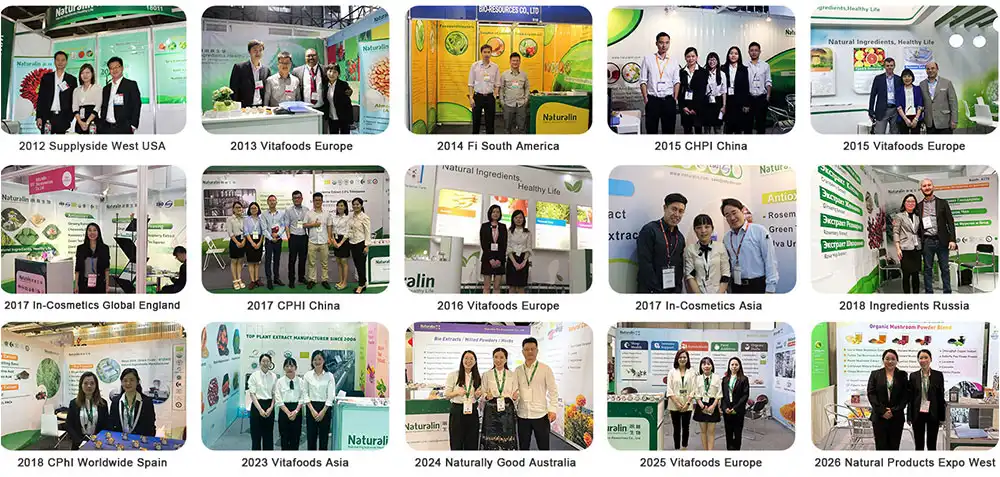
Since 2006, Naturalin Biotech has been providing standardized plant products to global names. They have ISO9001, FSSC22000, GMP, HALAL, Kosher, and organic certifications to back this up. You can get a trial taste of our baical skullcap extract or full DDP delivery to the U.S. market in quantities of 25 kg or more. The wait time is 3–7 working days. Our R&D team gets back to you within 24 hours whether you need standard powder, feed-grade granules, or a concentration that isn't listed. To get a sample or a detailed document, email us at market@naturalinbio.com or go to naturalinbio.com.
Please note: All products and related services on this website are offered exclusively to corporate clients. We do not accept orders from individual buyers or retail orders.
References
1. Grand View Research. Botanical Extracts Market Size, Share & Trends Analysis Report. 2024.
2. Huang, W. H., et al. "Pharmacological activities of baicalin and its aglycone baicalein: A review." Journal of Asian Natural Products Research, 2021.
3. Li, B. Q., et al. "Anti-inflammatory effects of baicalin in lipopolysaccharide-stimulated RAW264.7 macrophages." International Immunopharmacology, 2019.
4. Shang, X., et al. "The effect of baicalein on intestinal epithelial barrier function." Food & Function, 2020.
5. Chen, F., et al. "Baicalin as a natural feed additive: Effects on growth performance and gut microbiota in broilers." Poultry Science, 2022.
6. European Medicines Agency. Assessment Report on Scutellaria baicalensis Georgi, Radix. EMA/HMPC, 2020.