All About Red Clover Extract Powder
Red Clover Extract Powder is a normal plant ingredient made from Trifolium pratense flowers. It is well known for being isoflavone-rich and having many uses in nutraceuticals, functional foods, cosmetics, and animal nutrition. This phytoestrogen-rich extract is very popular with research and development teams, purchasing managers, and quality assurance workers who want natural, clean-label ingredients that meet strict performance and legal standards. Manufacturers can effectively add this valuable ingredient to their product lines by knowing where it comes from botanically, what its health benefits are, how to measure its quality, and how to strategically source it.
Understanding Red Clover Extract Powder
Botanical Origins and Extraction Process
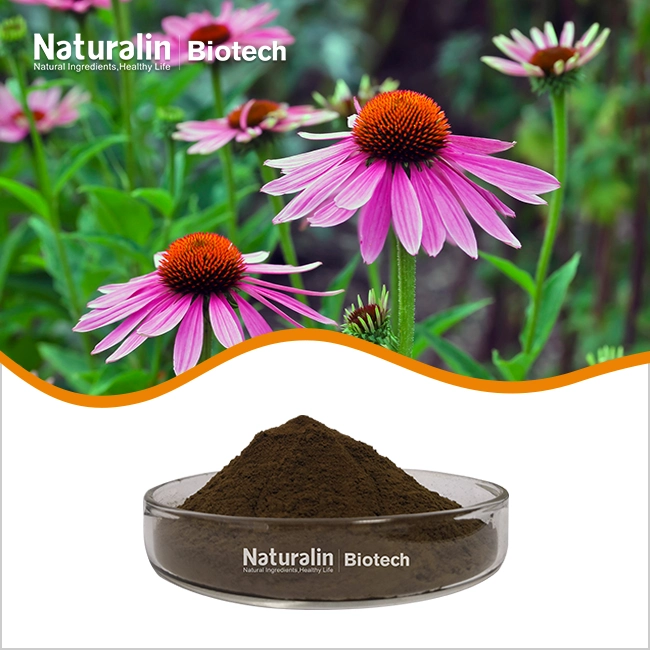
Trifolium pratense L., or Red Clover, is a perennial legume that is native to Europe, Asia, and North Africa. It is now grown all over the world for medical and farming uses. The extract comes from the flowering parts that are above, especially the flowers, which have the most bioactive chemicals. To separate and concentrate isoflavones while keeping their chemical structure and biological activity, advanced hydro-ethanol extraction methods are used.
Manufacturing processes involve carefully picking the plants at their peak bloom, then drying, grinding, and solvent extraction under controlled temperature and pressure conditions. The rough extract is cleaned, concentrated, and spray-dried to make a fine Red Clover Extract Powder that can usually pass through 80-mesh sieves. High-Performance Liquid Chromatography (HPLC) is the best way to check the amount of isoflavone in a substance, making sure that the results are the same from batch to batch, which is important for medicinal uses.
Chemical Composition and Active Compounds
The main beneficial parts are isoflavones, which are made up of four main molecules: biochanin A, formononetin, genistein, and daidzein. Red Clover has modified precursors (biochanin A and formononetin) that are different from soy isoflavones. These precursors are changed metabolically in the body, which could make them more bioavailable and have different biochemical effects. Typical standards run from 2.5% to 10% total isoflavones, but for unique formulas, higher concentrations of up to 40% are possible.
In addition to isoflavones, the extract also has flavonoids, coumarins, and phenolic acids, all of which work together to provide antioxidant and anti-inflammatory benefits. This complicated phytochemical profile supports a range of health benefits and makes the ingredient ideal for developing products with multiple uses across many industries. This powder is usually a brownish-green to dark brown color and has a herbal smell. It absorbs water easily, so it needs to be carefully kept dry while it is being stored.
Industry Applications and Market Relevance
Red Clover isoflavone products are used in a number of different fields, each with its own specific needs. The ingredient is used by companies that make nutraceuticals to make goods that help with menopause, bone health, and heart health. Functional beverage makers use micronized or carrier-enhanced forms to make it easier for water to mix with plant-based drinks and health shots. Cosmetic makers use its antioxidant and skin-brightening qualities to make serums, creams, and hair care items that fight hormonal aging.
Nutritionists who work with animals know that it can be used in food for both farm animals and pets to help them grow and reproduce. Because the ingredient can be used in many different ways, OEM clients can use it to make unique formulas for private label brands that want to stand out in a crowded market. This wide range of uses shows how important it is to understand quality standards and sourcing issues from a strategy point of view.

Benefits and Safety Profile of Red Clover Extract Powder
Evidence-Based Health Benefits
Red Clover Extract Powder is a source of red clover isoflavones that have been shown in clinical studies to help with menopause symptoms like hot flashes and night sweats by having mild phytoestrogenic activity. Vasomotor complaints got significantly better in studies that used daily amounts of 40–80 mg isoflavones for 12–24 weeks compared to placebo. The modified isoflavones biochanin A and formononetin can change the way estrogen receptors work in specific tissues, which is helpful without the risks that come with synthetic hormone replacement treatment.
Supporting cardiovascular health is another use that is backed by facts. Isoflavones make arteries more flexible, lower the oxidation of LDL cholesterol, and support good vascular function by making nitric oxide and acting as an antioxidant. These effects help keep heart health in people who are going through or have gone through menopause. A bone health study shows that taking supplements on a daily basis may help keep bone mineral density high and lower the risk of osteoporosis by increasing the activity of osteoblasts and decreasing the differentiation of osteoclasts.
Safety Considerations and Contraindications
In clinical studies, Red Clover Extract Powder has been shown to be safe when taken in the amounts that are suggested. Products that contain up to 80 mg of isoflavones every day for up to two years are well tolerated, though some sensitive people may experience mild effects like muscle pain, fatigue, or spotting from time to time. However, some groups should be very careful or not use it at all.
Red Clover products contain estrogen, so people with hormone-sensitive diseases like breast cancer, uterine cancer, ovarian cancer, endometriosis, or uterine fibroids should not use them. Women who are pregnant or nursing should not take large amounts of isoflavones because they may change the balance of hormones during important developmental times. People who take blood-thinning medicines should talk to their doctors because coumarins in Red Clover may make the effects of those medicines stronger.
For people who make products, these safety factors help them figure out the right doses, labeling standards, and warnings about side effects. To help with regulatory filings and risk estimates, manufacturing partners should give full safety data, such as toxicology reports and outlines of clinical studies. Clear information about how to use something makes sure that end users get the most benefits with the fewest risks.
Comparing Red Clover Extract Powder with Alternative Products
Format Comparison: Powder vs. Capsules vs. Tea
Standardized powders give producers the most freedom when it comes to formulating. They can change ratios, mix different ingredients, and make a wide range of dose forms, such as pills, capsules, sachets, and functional foods. The powder form makes it easier to check the quality precisely with HPLC and makes bulk production more cost-effective. Finished pills are convenient for consumers, but they make it harder to customize the recipe and usually cost more per dose.
Red Clover tea is an old way to get isoflavones into your body, but it has much lower amounts of these chemicals than controlled extracts. Even though tea tastes good and is a part of many cultures, it is not good for therapeutic uses that need to be sure to work because it has unstable phytochemical content and poorly bioavailable glycosylated isoflavones. Companies that want to get good clinical results focus on Red Clover Extract Powder samples with confirmed amounts of active compounds.
Botanical Alternatives: Black Cohosh and Soy Isoflavones
Actaea racemosa, or black cohosh, is another ingredient that can help with menopause. It works in a different way, though, mainly through serotonin pathways instead of estrogen receptor modulation. Differentiated product placement is possible because some users react better to one plant than the other. Combination products that use both ingredients help with a wider range of symptoms and appeal to people who want all-around help.
Isoflavones from soy (genistein and daidzein) are structurally similar to isoflavones from Red Clover, but their metabolic routes and levels of strength are different. The methylated precursors in Red Clover go through O-demethylation to make active molecules that may be more bioavailable in some groups. Red Clover is a better choice for high-end products than soy because its four-isoflavone profile gives it more biological activity than soy's two-isoflavone profile.
Quality Markers: Organic vs. Conventional Extracts
Organic approval (USDA NOP, EU organic) makes the supply chain more complicated and costs more, but it meets the growing demand from customers for foods that are free of pesticides and come from sustainable sources. Organic farming bases make it possible to track crops from planting to processing, which supports marketing claims about clean labels and expensive product placement. Conventional extracts, on the other hand, that pass strict tests for pesticide residue (EC 396/2005 compliance) are just as pure and safe, but they cost less.
Independent tests by reputable labs (SGS, Eurofins, NSF) confirm the amount of isoflavone, the purity of the microbes, the levels of heavy metals, and the solvent leftovers, no matter what the organic state is. Teams in charge of buying things should give more weight to sellers who can provide full Certificates of Analysis (COA) that show they meet USP, EP, or company-specific quality standards. Individual isoflavone levels can be recorded on HPLC chromatograms, which allow for exact formulation development and batch consistency testing.
Procurement Guide for Red Clover Extract Powder
Sourcing Channels and Minimum Order Quantities
Direct connections with manufacturers, ingredient distributors, and online B2B platforms are all examples of B2B buying methods. Directly buying from GMP-certified makers gives you the most control over quality, technical support, and customization options. However, for business production, you usually need to order at least 25 kg at a time. Samples and small trial orders let you build and test the stability of a product before committing to larger amounts.
Distributors give you access to many ingredient providers with lower minimum order quantities and a range of stocking choices. However, this may come with less technical support and fewer customization options. Online platforms make it easier to find suppliers and compare prices, but they also need to make sure that suppliers have the right licenses, can make the products they promise, and follow all the rules. Comprehensive methods for qualifying suppliers should check things like their ability to produce, their quality control systems, and the security of the Red Clover Extract Powder supply chain.
Critical Supplier Selection Criteria
Quality checking skills are the most important part of evaluating a seller. Manufacturers should keep their ISO 9001, HACCP, and GMP licenses, which show that they handle quality in a systematic way. FSSC 22000 approval means that the food safety management is very good and can be used for health supplements and functional foods. Religious licenses, like Halal and Kosher, help goods that are aimed at certain groups of people get into more markets.
Technical skills, such as analytical labs with HPLC, UV, AAS, and microbial testing equipment, allow for quality control to be done in-house. Customization services from suppliers, such as changing particle size, improving solubility, decolorizing, deodorizing, and creating unique mixes, give products a competitive edge. Patent portfolios show how much a company spends on research and development and how innovative it can be. This is especially useful for joint development projects that need new formulations or transport systems.
Pricing Dynamics and Negotiation Strategies
The price is directly related to the amount of isoflavone, how pure it is, and what approval standards there are. Standard 8% isoflavone extracts have base prices, but 20% and 40% amounts cost a lot more because they need to be processed more and use more raw materials. Costs tend to be 15–30% higher for organic products compared to standard ones. When you make a yearly promise of more than 500 kg, volume-based discounts become significant. Negotiated contracts ensure better prices and supply priority.
Payment terms affect the total cost of purchase. For known buyers, longer payment windows (30–60 days) help their cash flow. When you first start working with a seller, they usually ask for prepayment or a letter of credit. After a few good transactions, you can switch to open account terms. Different types of logistics agreements, like EXW, FOB, CIF, or DDP, change who bears the cost and risk. For example, DDP door-to-door service makes entering the US market easier, even though it costs more per unit.
Trusted Brands and Market Leaders in Red Clover Extract Powder
Supplier Quality Indicators
The best botanical extract makers set themselves apart by having a lot of licenses, clear quality records, and a history of working with well-known names around the world. Top suppliers have many foreign certificates, such as EU organic, USDA NOP, ISO 9001, FSSC 22000, Halal, and Kosher, which show they can meet the needs of a wide range of regulatory markets. These certificates are regularly checked by a third party, which shows that the quality control system is working properly.
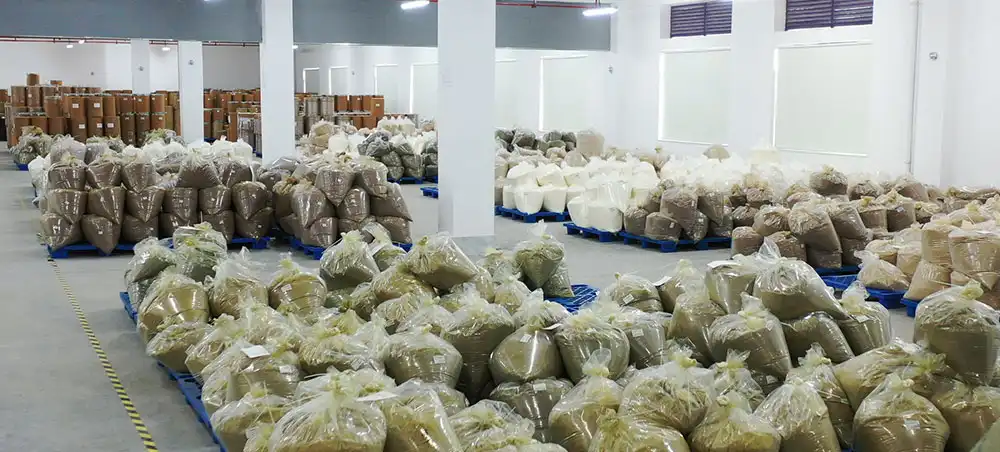
Some signs of a manufacturing scale include the ability to make more than 1,000 tons of different plant products every year, which suggests that the business is mature and the supply chain is strong. Dedicated research and development teams with 40 or more patents show that the company is innovative and has a lot of technical knowledge. Going to foreign trade shows like Vitafoods Europe, SupplySide West, and CPHI Worldwide shows that you are interested in the market and want to build relationships with customers for Red Clover Extract Powder.
Value-Added Services for Product Differentiation
With private label and contract manufacturing services, brands can hire other companies to make their products while still keeping control over quality and their brand identity. In these kinds of partnerships, things like formula creation, stability testing, help with governmental paperwork, and customizing packages are common. OEM providers with a lot of experience know what the end market wants in terms of pills, tablets, sachets, and pressed candies. They can offer tried-and-true solutions that speed up the time it takes for new goods to hit the market.
We can make custom formulations with more than just one ingredient. We can also make proprietary blends that address specific health claims or customer tastes. Suppliers who have experience with taste tuning can reduce bitterness, make it easier for the product to dissolve, or change the color patterns to meet the aesthetic needs of the product. These professional services are especially useful for beverage uses where taste and look have a big effect on how well people like the product.
Conclusion
Red Clover isoflavone extracts and Red Clover Extract Powder have strong health benefits that are backed up by scientific proof. This makes them useful ingredients for companies that make products for the menopause, bone health, cardiovascular health, and beauty-from-within markets. To be successful at procurement, you need to know about quality standards, legal requirements, and the supplier's abilities that guarantee steady product performance. Isoflavone content is standardized, which makes it possible to make exact formulations. Customization choices help products stand out in competitive categories. Strategic relationships with suppliers that offer technical support, regulatory knowledge, and reliable supply lines help brands meet changing customer standards by delivering safe, effective goods. As the need for natural ingredients backed by science continues to grow, Red Clover extracts that come with the right quality documentation and instructions for use will be able to take advantage of new market possibilities.
FAQ
Is Red Clover Extract Powder Safe for Long-Term Use?
Standardized Red Clover extracts that give up to 80 mg of isoflavones every day have been shown in clinical studies to be safe for two years. Most people can handle the ingredient well; only a few have reported mild effects. People who are sensitive to hormones, women who are pregnant or nursing, and people who are taking blood thinners should not use it. Manufacturers should put clear warnings on labels about when not to use their products and suggest that people who are at risk talk to a doctor.
What Dosage of Red Clover Isoflavones Is Optimal for Menopause Relief?
Researchers have found that daily doses of 40 to 80 mg of total isoflavones can help with menopause symptoms, especially hot flashes and night sweats. After 4 to 12 weeks of regular use, most people see clinical improvements. When setting suggested servings, product formulators should think about how bioavailable each isoflavone is and how well the delivery method works. Combination products that use plants that work well together may have therapeutic benefits with smaller doses of each ingredient.
How Can I Verify Red Clover Extract Quality and Purity?
Ask sellers for full Certificates of Analysis that show the isoflavone content, heavy metal levels, bacteria testing results, and pesticide residue screening. These should be HPLC-verified. Independent confirmation of standards is provided by testing in a third-party lab by recognized groups such as SGS, Eurofins, and NSF. Suppliers should give chromatograms that show the amounts of each isoflavone, the moisture content, the ash content, and the liquid residue tests. Regulatory licenses like GMP, ISO, and FSSC show that quality management is organized and supports consistent output standards.
Partner with Naturalin Biotech for Premium Red Clover Extract Powder
Naturalin Biotech is a reliable company that has been making Red Clover Extract Powder for over 20 years. They have experience with plant ingredients and work with companies all over the world that make nutraceuticals, functional foods, cosmetics, and food for animals. For any inquiries or cooperation requests, you can contact us at market@naturalinbio.com. Our standardized extracts, which contain between 2.5% and 10% isoflavones, go through strict HPLC verification and third-party testing to make sure that each batch is the same and that they meet all regulations. We make sure our products meet the highest quality standards by using GMP-certified production, FSSC 22000 food safety management, and a number of other certifications, such as EU organic, USDA NOP, Halal, and Kosher.
In addition to normal powder forms, we can also make granules, water-soluble preparations, and unique formulas that are made to fit the needs of your particular application. We support just-in-time manufacturing plans and quick product development processes by having ready stock and lead times of 3–7 working days. We have more than 40 patents on botanical extracts and wrote China's national commercial standards. This means that we bring both technical innovation and legal experience to every relationship. Whether you need small amounts for initial testing or large amounts for business use with DDP delivery to your US plant, our team is here to help you from the moment you ask for help until after the sale.
References
1. Beck, V., Rohr, U., & Jungbauer, A. (2005). Phytoestrogens derived from red clover: An alternative to estrogen replacement therapy. Journal of Steroid Biochemistry and Molecular Biology, 94(1-3), 499-518.
2. Lipovac, M., Chedraui, P., Gruenhut, C., Gocan, A., Stammler, M., & Imhof, M. (2012). Improvement of postmenopausal depressive and anxiety symptoms after treatment with isoflavones derived from red clover extracts. Maturitas, 72(3), 258-262.
3. Occhiuto, F., Pasquale, R., Guglielmo, G., Palumbo, D., Zangla, G., Samperi, S., Renzo, A., & Circosta, C. (2007). Effects of phytoestrogenic isoflavones from red clover on experimental osteoporosis. Phytotherapy Research, 21(2), 130-134.
4. Rakhshandeh, H., Hosseini, M., & Esmaeilizadeh, M. (2014). Pharmacological effects of red clover (Trifolium pratense) and its active isoflavones. Journal of HerbMed Pharmacology, 3(2), 57-62.
5. Stansbury, J., Saunders, P., & Winston, D. (2012). Promoting healthy estrogen metabolism with isoflavone-rich botanicals. Journal of Restorative Medicine, 1(1), 76-84.
6. Tempfer, C., Bentz, E., Leodolter, S., Tscherne, G., Reuss, F., Cross, H., & Huber, J. (2007). Phytoestrogens in clinical practice: A review of the literature. Fertility and Sterility, 87(6), 1243-1249.