7 Applications Of Tomato Extract Powder In Food Industry
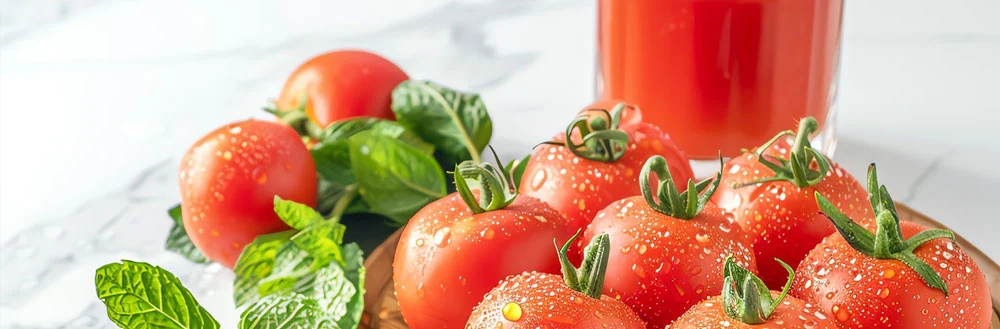
Tomato Extract Powder is rapidly becoming an essential ingredient across the food industry, valued for its concentrated lycopene content, natural color, and functional versatility. Derived from Lycopersicon esculentum Mill., this ingredient solves key formulation challenges for manufacturers seeking clean-label solutions without sacrificing performance. Standardized extracts containing 1% to 10% lycopene—verified through HPLC testing—offer consistency and efficacy that raw tomato materials cannot match. From enhancing visual appeal to extending shelf life, lycopene-rich powders meet diverse regulatory and consumer demands while delivering measurable functional benefits across seven critical application areas.
Enhancing Flavor and Color in Food Products
Food makers still care most about natural color and true taste when they are working with clean-label requirements. Lycopene, a bioactive carotenoid pigment found in tomatoes, gives them their bright red-to-orange colors without using artificial dyes. This is in line with what consumers want and with regulatory trends that favor natural alternatives.
Natural Pigmentation for Clean-Label Compliance
Synthetic colorants are getting more and more attention from health-conscious customers and lawmakers. Lycopene gives products a consistent color and meets the requirements for organic and natural products. Standardized Tomato Extract Powder with confirmed lycopene concentrations get rid of the differences in color that come with fresh produce. This makes sure that the color is the same from batch to batch, which is important for branded products. This dependability is important when going from small pilot batches to large commercial quantities.
Umami Enhancement in Savory Applications
In addition to looking good, Tomato Extract Powder adds strong umami notes that make savory flavors better. Tomato Extract Powder that is concentrated has natural glutamates and nucleotides that make sauces, soups, and seasoning blends taste more meaty and brothy. It's helpful for procurement teams to know the best inclusion rates, which are usually between 0.5% and 2% by weight, to improve taste without overpowering other profile notes. With this level of accuracy, formulators can lower the amount of salt while keeping the taste great.
Application Compatibility Across Food Matrices
In today's food processing, ingredients need to work successfully in a wide range of situations. Tomato Extract Powders are stable across a wide range of pH levels, can handle high temperatures, and work well in both water- and oil-based systems. Because it can be used for so many things, from extruded snacks to emulsified dressings, this makes it a smart choice for companies that make a lot of different products.
Nutritional Fortification and Health Benefits
Functional foods are a fast growing market area, driven by people who want to improve their health thru their daily meals. Because lycopene is known to have bioactive properties, Tomato Extract Powder is good for making foods healthier.
Cardiovascular and Cellular Health Support
Lycopene's role in supporting healthy oxidative balance and vascular function has been demonstrated in clinical studies. Peer-reviewed research indicates that regular lycopene intake is associated with favorable markers of circulatory wellness. This body of evidence lets supplement and functional food makers put believable health claims on their packages and marketing materials, as long as they follow the rules set by regulators.
Bioavailable Nutrient Delivery
Lycopene is more bioavailable when it is extracted and concentrated than when it is found in whole tomatoes. Processing breaks down the cellular structures, which makes the lipophilic pigment easier for the intestines to absorb. This higher bioavailability means that lower effective doses are needed in finished products, which saves money and is good for your health. Formulators can get the nutrients they want with lower inclusion rates that don't change the taste or appearance of the final product.
Regulatory Compliance and Health Claims
To get around the rules about health claims, you need ingredients with strong safety ratings and proven effects. Tomato Extract Powder that has been standardized thru HPLC testing give quality assurance teams the analytical documentation they need to send to regulators. New product launches go more smoothly when suppliers offer full Certificates of Analysis, third-party verification thru SGS or Eurofins, and compliance with FDA, FSSC22000, and ISO9001 standards.
Preservation and Shelf-Life Extension
Oxidative decay is still a problem in food production because it causes foods to go rancid, lose their tastes, and lose nutrients. Lycopene and related phenolic chemicals are natural ways to keep things fresh because they are antioxidants.
Oxidative Stability in Lipid-Rich Products
Because of lipid oxidation, meat products, nut butters, and baked goods with unsaturated fats have shorter shelf lives. By chelating pro-oxidant metal ions and removing free radicals, the addition of Tomato Extract Powder at amounts of 0.1% to 0.5% greatly increases stability. This natural antioxidant system cuts down on the need for synthetic preservatives like BHA and BHT. This helps meet clean-label requirements without shortening the life of the product.
Color Retention During Storage
In addition to keeping food from going bad, antioxidants keep it looking good for a longer time. In order to keep processed foods looking fresh, lycopene protects them from photo-oxidation and enzymatic browning. This dual purpose—protecting both nutritional integrity and esthetic quality—delivers measurable value in competitive retail settings where the appearance of freshness affects decisions about what to buy.
Process Stability and Heat Resistance
Sensitive ingredients can be damaged by heat during production, but lycopene is very stable at high temperatures when it is properly mixed. Suppliers who offer microencapsulated or matrix-embedded forms make this stability even better, making sure that the antioxidant activity stays strong thru baking, processing, and extrusion. During seller qualification, purchasing managers should check process stability data to make sure it works in real production circumstances.
Functional Ingredient in Tomato-Based and Processed Foods
Concentrated Tomato Extract Powder is easier to work with than regular pastes and purees, especially when precise lycopene dosing is needed or when the product needs to be stored for a long time without refrigeration.
Concentrated Flavor Without Water Activity
Traditional tomato pastes add water to dry mixes, extruded products, and baking, which can change the texture of these things. Tomato Extract Powder has the same tomato flavor as whole tomatoes but don't change the water activity (aw), so crackers stay crisp and seasoning blends don't clump. Because of this technology benefit, Tomato Extract Powder can now be used in product categories that couldn't before.
Custom Formulation for Specialized Applications
Suppliers with a lot of experience offer formulation development services that are tailored to the needs of the end user. Naturalin Biotech has over 40 ingredient patents and can provide unique solutions. These include decolorized extracts for uses that need the health benefits of lycopene without the red color, as well as water-soluble grades for clear drinking systems. These specific changes make it possible to use the ingredients in more ways than is normally possible with tomatoes.
Organic Certification and Traceability
For clean labels to work, they usually need to be certified organic and have a clear supply chain. Organic farming bases, like Naturalin Biotech's controlled cultivation operations, allow for traceability from source to product that meets NOP (National Organic Program) and EU organic standards. Concerns about authenticity and contamination risks in commodity botanical markets are taken care of by this vertical integration.
Use in Cosmetic-Grade Food Products
With the rise of cosmetics and beauty items that you can eat, the line between diet and personal care is becoming less clear. Because lycopene is known to protect the face, Tomato Extract Powder is used in both areas.
Dual-Purpose Ingredient Specifications
Cosmetic-grade extracts need to be even purer than food-grade extracts. They need to be free of possible skin sensitizers and have microbial limits that are safe for external use. Multi-certification portfolios from suppliers that include food safety (FSSC22000), cosmetic compliance, Halal, and Kosher certifications make it easier for brands that are making product lines that cross categories to buy the things they need. When you understand these changes in specifications, you can avoid expensive reformulation when you want to use a product in more places.
Beauty-From-Within Formulations
Nutricosmetics are a growing field of dietary supplements that are meant to improve skin health.Lycopene is often included in such formulas for its antioxidant properties and its role in supporting skin resilience against environmental stressors. It is usually mixed with collagen peptides, hyaluronic acid, and other ingredients that focus on beauty. The concentrated powder form makes it easier to give the right amount in pills and sachets, and the HPLC test confirms the lycopene content, which makes sure that the active substances are always delivered.
Flexible Minimum Orders for Product Development
When new categories are being invented, small-batch tests are often needed before they can be sold commercially. Low minimum order numbers from suppliers, like Naturalin Biotech's ability to offer samples and small-kg trial orders in addition to 25kg business minimums, make it easier to try new things. This freedom shortens the time it takes to do research and development and lets formulators test ideas before making them on a larger scale.
Addressing Supply Chain and Packaging Needs
Logistics, packaging, and supply continuity are all parts of efficient procurement that go beyond the quality of the ingredients. When it comes to the supply chain, botanical products have special issues that affect the total cost of ownership.
Bulk Packaging Options for Industrial Scale
For commercial production, the packaging needs to protect the goods, make them easy to handle, and store them in the best way possible. Depending on the amount of the order and how it will be handled, Tomato Extract Powders can be shipped in fiber drums, multi-wall paper bags, or foil-lined bulk bags. Moisture-barrier packing with desiccant packs works best for hygroscopic ingredients, while light-sensitive lycopene needs materials that are opaque or block UV light. Talking about packaging requirements with potential suppliers before they are hired keeps problems from happening during receiving and keeps ingredients stable during storage.
Global Logistics and Lead Time Management
When you buy things from other countries, shipping, clearing taxes, and figuring out when to get them can get more complicated. Suppliers who offer a range of shipping options, such as DHL and FedEx for samples and ocean freight for large orders, give customers the freedom to choose the best method for their needs and budget. Naturalin Biotech says that its ready-stock programs with 3–7 day lead times make up for the longer lead times that usually come with making botanical extracts to order. When evaluating vendors, knowing these transportation skills is important to make sure they meet the needs of just-in-time manufacturing.
Cost-Effectiveness Beyond Unit Price
The total cost of buying includes more than just the price per kilogram. The amount of lycopene has a direct effect on the cost; a 10% lycopene extract has twice as much active compound as a 5% grade at the same inclusion rates. It is more accurate to compare costs by looking at the cost per gram of lycopene instead of the cost per kilogram of powder. Reliable providers also cut down on the hidden costs that come with poor quality, supply gaps, and the need for technology assistance.
How to Choose the Best Tomato Extract Powder Supplier
Choosing a supplier has a big effect on the standard of the product, how well it meets regulations, and how efficiently the business runs. Systematic evaluation based on several criteria tells the difference between transactional vendors and qualified partners.
Certification and Quality System Verification
Certifications from a third party are objective proof of quality systems and manufacturing standards. Give top priority to providers who have up-to-date certifications that are important to your markets, such as ISO9001 for quality management, FSSC22000 for food safety, and GMP for supplement uses. Organic certifications (NOP, EU Organic) are important for natural product channels, while Halal and Kosher certifications let you reach certain groups of customers. Requesting copies of certificates and checking their validity with the organizations that issued them is proof of authenticity.
Technical Support and R&D Collaboration
Ingredient providers aren't just sources of raw materials anymore; they're also working with formulators more and more. Check out the capabilities for creating custom extracts, fixing problems with applications, and helping with regulatory documentation. Companies that have been selling nutritional ingredients for 20 years or more have technical teams that know how extracts work in finished products. This knowledge is very helpful when changing the formula for a clean label, finding the best processing settings, or dealing with unexpected formulation problems.
Production Capacity and Supply Reliability
To make great items available to more people, you need suppliers who can grow with the needs of your customers. Look at the yearly production capacity, how the inventory is managed, and how the raw materials are sourced. Suppliers that control farming operations and are vertically integrated have better supply security than suppliers that rely on spot-market purchases. This combination is important, especially for botanical ingredients that depend on crop variability and limited yearly supply.
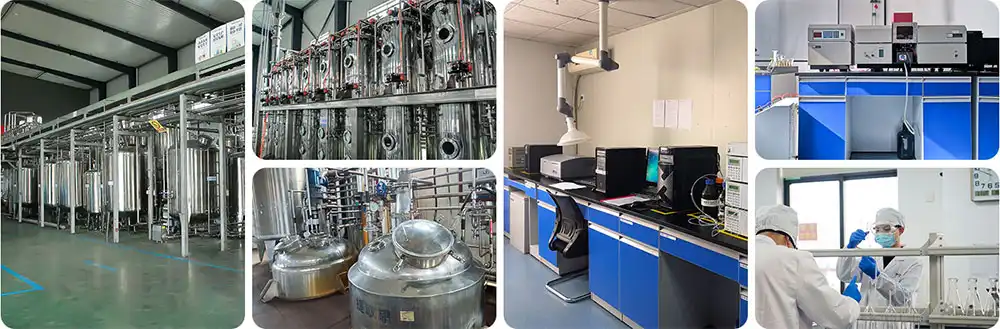
Manufacturing transparency builds trust. Suppliers who offer virtual or on-site tours of their facilities show that they are honest about what they can do and how things work. Documentation for production, batch records, and quality control data should be easy to find and not kept secret. These indicators of transparency show how suppliers will do when there is a need for quick action or a regular quality investigation.
Conclusion
In conclusion, Tomato Extract Powder is useful in many ways in the food business, including adding natural color, improving taste, adding nutrients, extending the shelf life of foods, and finding uses in cosmetics and food. To be successful in procurement, you need to know about lycopene standards, application-specific needs, and suppliers' skills that go beyond just offering low prices. Because manufacturers carefully choose the ingredients and partners they work with, they can meet changing consumer needs for clear labels, useful benefits, and honesty. Buyers build supply chains that support innovation and regulatory compliance in competitive markets by putting an emphasis on quality checks, full certifications, and technical collaboration.
FAQ
What lycopene concentration is optimal for food applications?
Concentration choice depends on the function you want to do and the limitations of your application. To improve the color, lycopene levels usually need to be between 1% and 5%. For nutritional fortification with specific health benefits, levels may need to be between 5 and 10%. Higher amounts may lower the rate of inclusion, but they may also raise the cost per kilogram. Formulators have to find a mix between how strong lycopene is and how it affects taste, processing, and economic goals. By talking to supplier expert teams during development, you can find the best specs for each application.
How does tomato extract powder compare to fresh tomatoes nutritionally?
When compared to fresh tomatoes, concentrated Tomato Extract Powder has a lot more lycopene per unit weight. Standardization guaranties that nutrients are delivered consistently, which is impossible with farming goods that change with the seasons, grow conditions, and types of crops. Bioavailability is also improved by extraction methods that break up cellular matrices that stop uptake. However, Tomato Extract Powder don't have the same amount of fiber, water, or some vitamins that whole foods do. This means that, depending on your nutritional goals, they should be used in addition to whole foods instead of replacing them.
What certifications should I prioritize when sourcing tomato extracts?
The goals of certification are in line with the product's positioning and target markets. FSSC22000 or GMP approvals make sure that industrial controls and food safety methods are used in all situations. Natural product lines need to have organic certifications (NOP, EU Organic). Certifications like Halal and Kosher let you reach certain groups of customers. Claims about composition and purity are backed up by testing records from labs like SGS or Eurofins. Asking for full certification portfolios when evaluating suppliers makes sure that they are compliant across all lines of sales and regulatory countries.
Partner with a Trusted Tomato Extract Powder Supplier
Naturalin Biotech is ready to help you with your product development and buying needs by providing you with high-quality Tomato Extract Powder that has been tested for lycopene. With more than 20 years of experience in the healthy ingredients business, 40+ production patents, and a wide range of approvals, such as FSSC22000, ISO9001, Halal, and Kosher, we can guaranty that our ingredients meet the highest quality standards. We offer custom specifications ranging from 1% to 10% lycopene content, as well as a range of formats such as powders, granules, and specialized soluble forms that can be used in a variety of ways.
Our operations, which range from organic farms to advanced extraction plants, are fully integrated across all levels of the supply chain. This ensures supply stability and traceability, which is very important for regulated industries. We can speed up your development timelines by having items in stock right away, allowing for wait times of 3–7 day, and letting you order as little as a sample. We can also support commercial-scale production with a stable bulk supply. Our experienced technical team works closely with you to make sure that the performance of your finished goods is at its best, whether you need standard extracts or custom recipe development.
Get in touch with Naturalin Biotech right away at market@naturalinbio.com to talk about your Tomato Extract Powder needs. Visit naturalinbio.com to look at our full range of ingredients and learn how our experience as a manufacturer can give your brands a competitive edge.
References
1. Story, E.N., Kopec, R.E., Schwartz, S.J., and Harris, G.K. (2010). "An Update on the Health Effects of Tomato Lycopene." Annual Review of Food Science and Technology, Vol. 1, pp. 189-210.
2. Rao, A.V. and Rao, L.G. (2007). "Carotenoids and Human Health." Pharmacological Research, Vol. 55, Issue 3, pp. 207-216.
3. Willcox, J.K., Catignani, G.L., and Lazarus, S. (2003). "Tomatoes and Cardiovascular Health." Critical Reviews in Food Science and Nutrition, Vol. 43, Issue 1, pp. 1-18.
4. Shi, J. and Le Maguer, M. (2000). "Lycopene in Tomatoes: Chemical and Physical Properties Affected by Food Processing." Critical Reviews in Food Science and Nutrition, Vol. 40, Issue 1, pp. 1-42.
5. Gerster, H. (1997). "The Potential Role of Lycopene for Human Health." Journal of the American College of Nutrition, Vol. 16, Issue 2, pp. 109-126.
6. Omoni, A.O. and Aluko, R.E. (2005). "The Anti-Carcinogenic and Anti-Atherogenic Effects of Lycopene: A Review." Trends in Food Science and Technology, Vol. 16, Issue 8, pp. 344-350.